The Sea Urchin's Secret: Witnessing a Deep-Sea Metamorphosis
Beneath the warm, sun-dappled waters of the western Atlantic Ocean, a creature straight out of science fiction is performing one of life's most dramatic transformations.
Beneath the warm, sun-dappled waters of the western Atlantic Ocean, a creature straight out of science fiction is performing one of life's most dramatic transformations. It's not a butterfly emerging from a chrysalis, but a sea urchin—Lytechinus variegatus—undergoing a complete and astonishing metamorphosis. For decades, studying this delicate process in the wild was nearly impossible. But now, scientists have unlocked the secret to raising them in the laboratory, using synthetic seawater to witness every incredible stage. This isn't just a fascinating biological story; it's a window into the health of our oceans and the fundamental principles of animal development .
This research demonstrates how synthetic seawater can successfully support the complete life cycle of marine organisms, opening new possibilities for studying ocean life in controlled laboratory environments .
From Planktonic Wanderer to Spiny Globe: The Four Acts of a Life
The life cycle of Lytechinus variegatus is a four-act play of transformation, each stage uniquely adapted for survival.
Stage 1 The Fertilized Egg
It all begins with a single, translucent cell, barely visible to the naked eye. Released into the water column, these eggs are fertilized externally, embarking on their journey .
Stage 2 The Pluteus Larva: The Ocean's Tiny Astronaut
Within days, the fertilized egg develops into a pluteus larva. This is the most alien and beautiful stage. Shaped like a microscopic, crystalline satellite, it uses long, delicate arms supported by calcite skeletons to float and feed in the plankton. This larva is nothing like its adult form; it's a free-swimming, vegetarian organism designed to disperse far and wide on ocean currents .
Stage 3 Metamorphosis: The Great Remodeling
This is the climax. Triggered by environmental cues, the larva undergoes a biological revolution. A specialized structure called the rudiment, which has been growing inside the larval body, now takes command. The larval arms, no longer needed, are resorbed. In a matter of hours, the symmetrical larva is completely reorganized into the pentaradial (five-sided) symmetry of a juvenile urchin .
Stage 4 The Juvenile Urchin: A New Beginning
The result of this dramatic change is a miniature, fully-formed sea urchin. It settles on the seafloor, swaps its vegetarian diet for algae, and begins its life as a benthic, spiny globe, eventually growing into the adult we recognize .

A Landmark Experiment: Cracking the Code for Lab-Grown Urchins
To study this metamorphosis in detail, scientists needed a reliable way to culture urchins from egg to adult in a controlled environment. A pivotal experiment aimed to perfect this process using synthetic seawater, eliminating the variables of natural seawater .
Methodology: A Recipe for Life
Researchers followed a meticulous, step-by-step protocol:
Spawning Induction
Adult Lytechinus variegatus were gently stimulated to spawn by injecting a small amount of potassium chloride (KCl) into their body cavity.
In-Vitro Fertilization
Eggs and sperm from multiple parents were carefully mixed in a beaker of filtered, synthetic seawater to ensure genetic diversity.
Embryonic Culturing
The fertilized eggs were transferred to large culture vessels filled with synthetic seawater, kept at constant temperature with gentle aeration.
Larval Rearing
Once the pluteus larvae formed, they were fed a controlled diet of microalgae (Dunaliella tertiolecta).
Results and Analysis: A Proof of Concept for Synthetic Seas
The experiment was a resounding success, proving that the entire complex life cycle of Lytechinus variegatus can be supported outside the ocean. The data told a clear story of development and viability .
Development Success at Different Temperatures
The analysis of this data is crucial. The timeline provides a benchmark for future research. The survival rates highlight the most vulnerable life stages, guiding improved culturing techniques. Most interestingly, the temperature data reveals that while warmer temperatures speed up development, there is a "Goldilocks zone" (around 23-25°C) where success rates peak. Too cold, and development is slow; too warm, and it becomes unstable, likely due to stress and higher metabolic costs .
The Scientist's Toolkit: Building a Habitat in a Bottle
Creating a stable marine environment in the lab requires a precise cocktail of solutions.
| Reagent / Material | Function in the Experiment |
|---|---|
| Synthetic Sea Salt Mix | The foundation. It recreates the precise ionic composition (Na+, K+, Ca2+, Mg2+, etc.) and pH of natural seawater, free of contaminants. |
| Potassium Chloride (KCl) Solution | The "spawning trigger." A mild, non-lethal stimulus that causes adults to release their gametes (eggs and sperm). |
| Microalgae (Dunaliella) | Larval food. A perfectly sized, nutritious phytoplankton that the filter-feeding pluteus larvae consume to fuel their growth. |
| Antibiotics (e.g., Streptomycin) | Used sparingly to suppress bacterial growth in the culture water, preventing infections that can wipe out delicate larvae. |
| Crustose Coralline Algae | The metamorphosis "cue." This algae surface emits a chemical signal that tells the competent larva it has found a suitable habitat to settle and transform. |
| Filtered, Deionized Water | The pure base used to mix all solutions, ensuring no unknown chemicals or minerals interfere with development. |

Laboratory Setup
Precise equipment is essential for maintaining the controlled environment needed for sea urchin development.
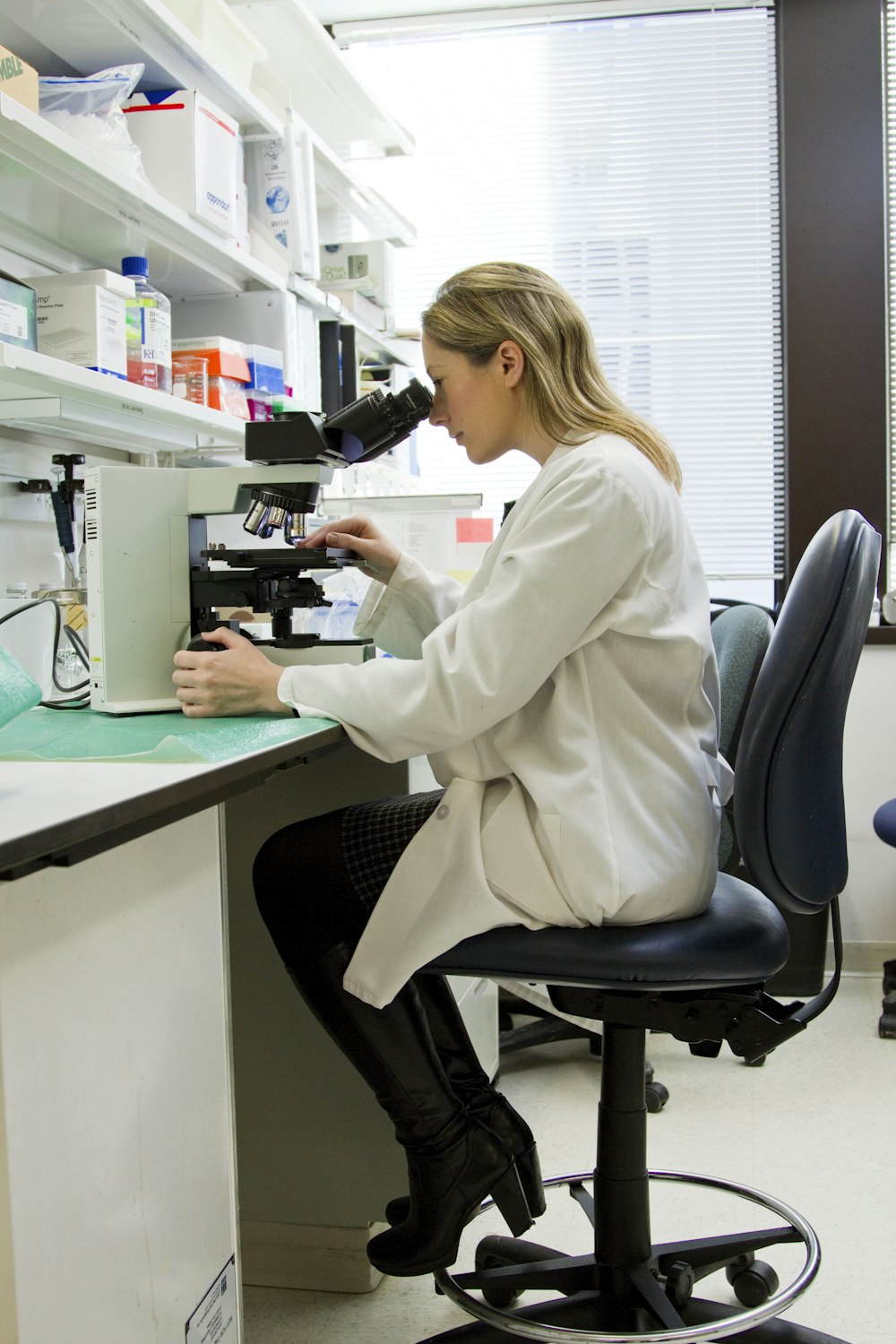
Microscopic Observation
Scientists carefully monitor the development of sea urchin larvae under high-powered microscopes.
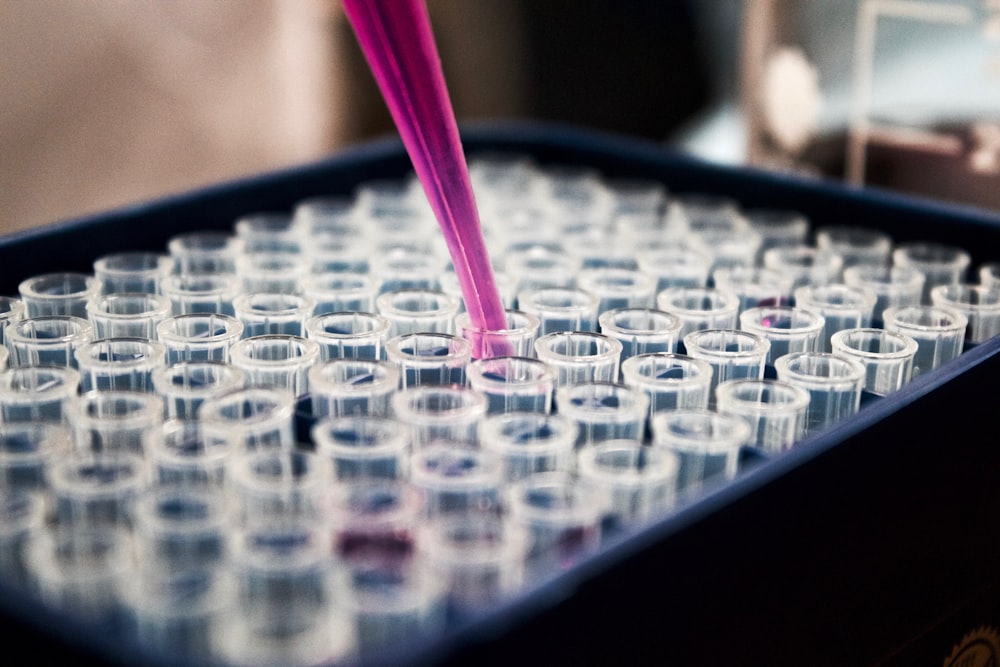
Chemical Solutions
Precise chemical mixtures recreate the marine environment in synthetic seawater.
Conclusion: More Than Just a Transformation
Witnessing the complete metamorphosis of Lytechinus variegatus in a lab is a triumph of developmental biology. It transforms the urchin from a mysterious deep-sea dweller into a powerful model organism. By cultivating them in synthetic seawater, scientists can now precisely study how factors like ocean acidification, pollution, and temperature change impact marine life at its most vulnerable stages .
Ocean Health
This research provides insights into how climate change affects marine organisms during critical developmental stages.
Scientific Methodology
The successful use of synthetic seawater opens new possibilities for controlled marine biology experiments.
Developmental Biology
The sea urchin's metamorphosis offers a window into fundamental biological processes shared across species.
The journey from a drifting, starlike larva to a grounded, spiny adult is a profound reminder of the hidden complexities of ocean life and the ingenious tools we are developing to understand and protect it .