Overcoming Feedstock Limitations in Sustainable Chemistry: Pathways for a Defossilized Future
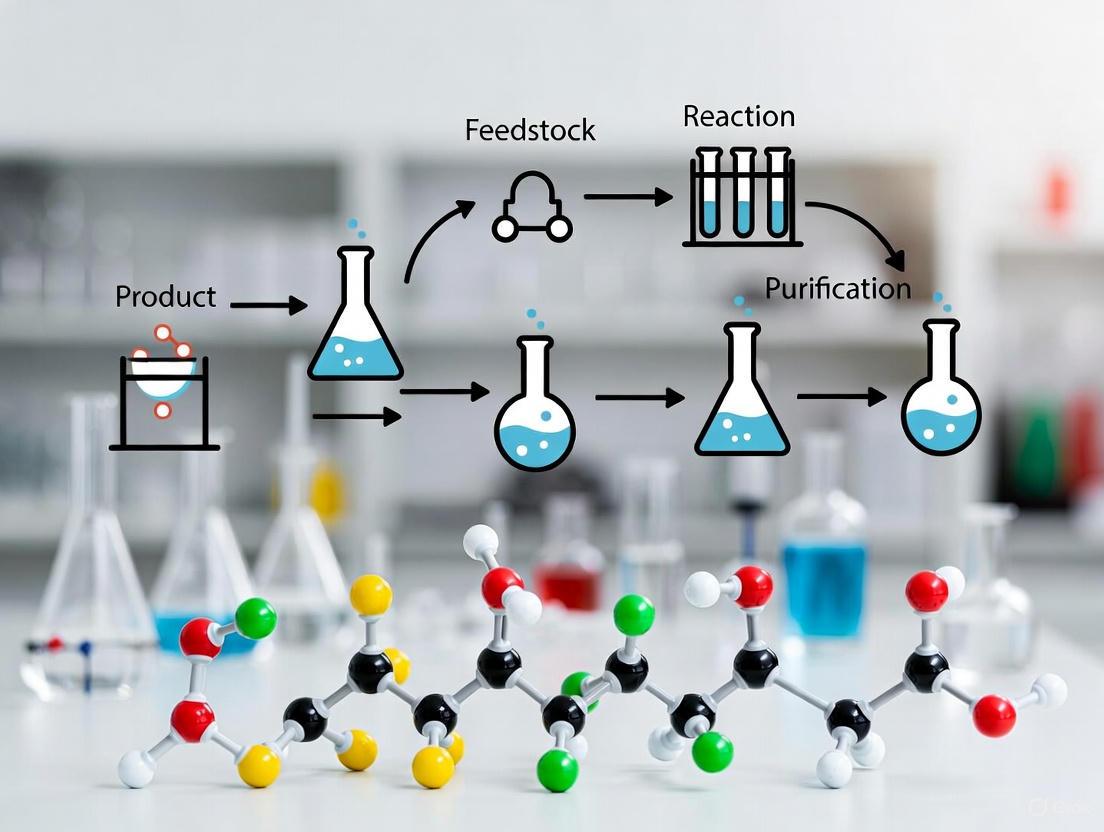
This article addresses the critical challenge of sustainable feedstock availability for researchers and drug development professionals.
Overcoming Feedstock Limitations in Sustainable Chemistry: Pathways for a Defossilized Future
Abstract
This article addresses the critical challenge of sustainable feedstock availability for researchers and drug development professionals. It explores the foundational limitations of biomass, examines methodological advances in green carbon sources like biomass and CO2 valorization, provides troubleshooting for economic and scalability hurdles, and offers validation frameworks through techno-economic and life-cycle assessment. The analysis synthesizes pathways to decouple chemical production from fossil fuels, a transition crucial for developing sustainable biomedicines and reducing the carbon footprint of pharmaceutical processes.
The Sustainable Feedstock Challenge: Scarcity, Scale, and Environmental Boundaries
Frequently Asked Questions (FAQs)
Q1: What are the primary sources of uncertainty when quantifying biomass for energy? Uncertainty in biomass quantification arises from several technical and methodological challenges. Key sources include inherent allometric model error from equations used to estimate tree biomass from diameter measurements, which alone can contribute 30-75% of the total uncertainty in landscape-scale biomass maps [1]. Additional significant factors are feedstock variability in shape, density, and internal structure, which complicates consistent milling and handling [2], and remote sensing model prediction error, which contributes 25-70% of the total uncertainty in biomass mapping efforts [1].
Q2: How can I improve the accuracy of allometric biomass equations when raw data is lost? When the original, raw harvest data for allometric equations is unavailable, a pseudo-data approach can be used to estimate uncertainty. This method uses commonly published statistics—the coefficient of determination (R²) and sample size (n)—to generate probable error structures via a Monte-Carlo process [3]. This involves creating a large pseudo-dataset of diameter values, calculating corresponding biomass using the published equation, introducing random dispersion to mimic the original data's variance, and then selecting the dataset that best matches the published R² value. This recreated error structure can then be used for error propagation in your estimates [3].
Q3: What are the major operational challenges in biomass feedstock supply chains? Operational challenges directly impact the feasibility and cost of utilizing biomass. Core issues include feeding, flowability, and handling challenges within conversion facilities, often leading to equipment clogging, blockages, and unplanned downtime [4]. During storage, biomass bales can degrade, self-heat, and lose dry matter, reducing the quality and quantity of available feedstock [4]. Furthermore, the abrasive nature of cellulosic materials causes rapid equipment wear (e.g., in screw feeders), increasing maintenance costs and operational disruptions [4].
Q4: How does a "Quality-by-Design" approach benefit biomass feedstock systems? Adopting a Quality-by-Design (QbD) framework for feedstock supply moves beyond simply creating a uniform format. It incorporates additional preprocessing operations like fractionation to selectively pair specific feedstock fractions with the most suitable conversion processes. This approach enables access to a wider range of feedstocks (including plastics, municipal waste, and wet resources) and allows for the merchandising of fractions into multiple markets (e.g., chemicals, fertilizers, animal feed, and fuels), thereby enhancing overall system value and sustainability [4].
Q5: What computational tools are available to optimize biomass milling? Emerging computational tools are now being applied to solve long-standing biomass milling problems. Discrete Element Modelling (DEM) and machine learning models, including deep neural operators, can predict how complex biomass particles will behave during size reduction. These models provide insights that guide the development of more energy-efficient milling strategies by accounting for critical variables such as discharge screen size and moisture content, which have a greater influence on final particle size than mill speed or power [2].
Troubleshooting Guides
Issue 1: High Uncertainty in Biomass Estimates from Allometric Equations
Problem: Biomass estimates derived from published allometric equations have unacceptably high and unquantified uncertainty, making them unreliable for decision-making.
Solution:
- Step 1: Diagnose the Source of Error. Determine if the error stems from the allometric model itself or from the application of the model to a population it was not designed for (spatial bias) [1].
- Step 2: Propagate Allometric Uncertainty. Do not treat plot-level biomass as "truth." Quantify and propagate the error from the allometric equations through to your final estimate. At a minimum, use published fit statistics. If only R² and n are available, employ the pseudo-data approach to recreate the error structure [3] [1].
- Step 3: Independently Validate Equations. Where possible, use an independent dataset of destructively sampled trees from your study area to evaluate the accuracy and bias of the selected allometric equations. This provides the most robust measure of true error [1].
- Step 4: Select Equations Carefully. Prefer locally-developed equations if they were built from an adequate sample size. If using generic equations, consider tuning them with local volume equations or wood density data to better represent local growth forms [1].
Issue 2: Persistent Biomass Feedstock Handling and Flowability Problems
Problem: Biomass feedstocks cause frequent equipment clogging, blockages, and inconsistent feeding in reactors, reducing operational uptime.
Solution:
- Step 1: Analyze Feedstock Variability. Characterize the physical and chemical properties (particle size distribution, moisture content, density) of your incoming feedstock to understand the source of variability [4] [2].
- Step 2: Implement Advanced Preprocessing. Move beyond simple shredding. Explore fractionation technologies within a Quality-by-Design framework to separate heterogeneous feedstocks into more homogeneous and handleable fractions [4].
- Step 3: Utilize Computational Modeling. Employ Discrete Element Modelling (DEM) to simulate how your specific biomass material will behave in conveyance and feeding systems. This allows for virtual troubleshooting and equipment design optimization before physical implementation [2].
- Step 4: Control Moisture Content. Since moisture significantly impacts particle flow and milling efficiency, implement drying steps or adjust models to account for its effect [2].
Experimental Protocols & Data
Protocol 1: Pseudo-Data Generation for Allometric Equation Uncertainty
This protocol is used when the original data for a critical allometric equation is lost and uncertainty must be estimated using only published R² and n values [3].
Research Reagent Solutions:
| Reagent / Tool | Function in Protocol |
|---|---|
| Original Allometric Equation | The published model (e.g., Biomass = a * DBH^b) used to generate the initial "perfect" dataset. |
| Uniform Random Number Generator | To create a large population (e.g., 10,000) of DBH values within the original study's diameter range. |
| Statistical Software (e.g., R) | To perform Monte-Carlo simulations, calculate R², and manage the pseudo-datasets. |
| Normal Distribution Function | To introduce small, random "fuzzing" to the calculated biomass values and create variance. |
| Heteroscedasticity Function | A simple, generic function to ensure variance in biomass increases with DBH, if the original equation was non-linear. |
Methodology:
- Generate Base Data: Create a large set (N=10,000) of DBH values uniformly distributed across the original equation's DBH range. Calculate the corresponding "perfect" biomass for each using the original equation.
- Create Pseudo-Populations: For each of the 10,000 base data points, create a new "pseudo" biomass value by adding a random value drawn from a normal distribution (mean=0) multiplied by the original biomass. Repeat this process 1000 times to create 1000 potential pseudo-datasets.
- Introduce Heteroscedasticity: If the original equation was fit with a non-linear routine, adjust the dispersion in Step 2 so that the random steps are larger for larger DBH values.
- Select Best-Fit Dataset: For each of the 1000 pseudo-datasets, calculate the R² value using the pseudo-data as the "observed" values and the original equation's predictions as the "estimated" values. Select the single pseudo-dataset whose R² most closely matches the originally published R².
- Subsample for Uncertainty: From the selected pseudo-dataset, draw a random subsample of size n (the original study's sample size) using a truncated Weibull distribution. Fit the allometric model to this subsample to derive new parameters and estimate their uncertainty. Repeat this subsampling and fitting many times to build a robust estimate of the parameter error structure [3].
Protocol 2: Computational Modeling of Biomass Milling
This protocol uses modeling to predict and optimize the milling of biomass for improved efficiency and consistency [2].
Research Reagent Solutions:
| Reagent / Tool | Function in Protocol |
|---|---|
| Biomass Sample (e.g., Corn Stover) | The target feedstock for milling optimization and data generation. |
| Process Development Unit (PDU) | A pilot-scale facility for conducting controlled, large-scale milling experiments. |
| Discrete Element Method (DEM) Software | To simulate the motion and interaction of thousands of individual biomass particles during milling. |
| Machine Learning Platform (e.g., Python) | To develop deep neural operator models for predicting particle-size evolution. |
Methodology:
- Baseline Physical Testing: Conduct milling experiments in a PDU or similar pilot-scale facility. Systematically vary key parameters like discharge screen size, moisture content, mill speed, and power. Measure the output particle size distribution and energy consumption for each run [2].
- Data Collection for Modeling: Collect high-quality data from the physical tests, including detailed particle characteristics (shape, size, density) and operational parameters. This data forms the essential training set for computational models.
- Model Development and Calibration:
- Discrete Element Modeling (DEM): Input the physical characteristics of the biomass into a DEM environment to simulate the milling process and predict flow and breakage.
- Machine Learning Model: Train a deep neural network or other ML model using the experimental data to predict final particle size distribution based on input feedstock properties and machine parameters.
- Model Validation and Optimization: Validate model predictions against a separate set of physical test data. Once validated, use the models to run in-silico experiments to identify optimal milling configurations without the need for costly large-scale trials [2].
Data Tables
This table breaks down the relative contributions of different error sources to the total uncertainty in landscape-scale biomass maps, based on a study of Rocky Mountain forests [1].
| Uncertainty Source | Contribution to Total Uncertainty | Notes and Impact |
|---|---|---|
| Allometric Model Error | 30% - 75% | Often the largest source of error. Can be highly biased if equations are applied outside their original population. |
| Remote Sensing Model Prediction Error | 25% - 70% | Includes error from calibrating plot data to satellite imagery (e.g., Landsat). Can saturate in high-biomass forests. |
| Tree Measurement Error | Significant at tree-level | Errors in measuring tree attributes like DBH and height propagate to biomass estimates. |
Table 2: Impact of Allometric Equation Selection on Landscape Biomass Estimates
This table compares the results of using different allometric equations to estimate biomass for a 1.56 million hectare study area, demonstrating how methodological choices impact final figures [1].
| Allometric Equation Type | Estimated Biomass (Billion Mg) | Root Mean Square Error (% of Mean) | Key Characteristics |
|---|---|---|---|
| Locally-Developed Equations | 2.1 | 97% | Generally more accurate for local species, but may be based on small sample sizes. |
| Nationwide Generic Equations | 2.2 | 94% | Widely applicable but may not capture local growth forms, leading to bias. |
| FIA Component Ratio Method (CRM) | 1.5 | 165% | Used for official US GHG inventories; can yield lower and more uncertain estimates. |
Visualizations
Diagram 1: Workflow for Quantifying Allometric Uncertainty
Allometric Uncertainty Workflow: This diagram illustrates the pseudo-data approach for estimating the uncertainty of allometric biomass equations when original data is missing.
Diagram 2: Quality-by-Design Feedstock Supply System
QbD Feedstock Supply System: This diagram contrasts with traditional single-feedstock systems by showing how diverse resources are fractionated into multiple, high-value streams.
FAQs: Core Concepts and Challenges
What does "defossilization" mean for the chemical industry? Defossilization refers to the essential transition away from using fossil fuels (like naphtha and natural gas) as both the energy source and the raw material (feedstock) for chemical production [5] [6]. For an industry where over 96% of manufactured goods rely on chemical products, this represents a fundamental re-engineering of supply chains to use renewable carbon sources, such as biomass, captured CO₂, and recycled waste [7] [6].
Why is the chemical sector's carbon problem so difficult to solve? The challenge is twofold, or a "dual challenge" [6]:
- Energy Source: The high-temperature heat required for chemical reactions is predominantly generated by burning fossil fuels.
- Feedstock Source: The carbon atoms that form the molecular backbone of most chemicals are derived from fossil fuels [8] [6]. Addressing only one of these aspects is insufficient. A 2025 report from the Global Carbon Project underscores the urgency, showing that CO₂ emissions are still rising, and the carbon budget for 1.5°C of warming is virtually exhausted [9].
What are the main types of alternative, non-fossil feedstocks? The three primary pathways for renewable carbon are [7]:
- Biomass: Organic material from plants (e.g., agricultural residues, energy crops) and animal fats [10] [8].
- Captured CO₂: Utilizing carbon dioxide from industrial emissions or the atmosphere as a raw material [7].
- Recycled Feedstocks: Recovering carbon from end-of-life plastic and chemical waste through mechanical or chemical recycling.
Troubleshooting Guides: Overcoming Research Hurdles
Challenge: Low Yield in Biomass Conversion to Drop-in Fuels
Problem: During processes like Hydrothermal Liquefaction (HTL), the yield of the desired bio-crude oil is low, and the process is hampered by operational difficulties related to high pressure and temperature [11].
Solution Checklist:
- Optimize Process Parameters: Systematically test and adjust key variables. The yield is "highly dependent on the characteristics of the raw material and the process conditions" [11].
- Pre-process Biomass: Reduce particle size and pre-dry feedstock to improve reaction efficiency and homogeneity.
- Utilize Catalysts: Investigate the use of homogeneous or heterogeneous catalysts to promote desired reaction pathways and suppress repolymerization into solids [11].
- Characterize Raw Material: Analyze the biochemical composition (lignin, cellulose, protein content) of your biomass feedstock, as this is a primary factor in yield and product distribution [11].
Challenge: High Energy Cost of CO₂ Utilization
Problem: Converting inert CO₂ molecules into valuable chemicals and fuels often requires significant energy input, making the process economically unfeasible [7].
Solution Checklist:
- Leverage Renewable Energy: Couple your CO₂ conversion process (e.g., electrochemical reduction) with a dedicated solar or wind power source to lower the carbon footprint and operational cost [7].
- Catalyst Development: Focus R&D on designing high-selectivity, stable, and non-precious metal catalysts to lower the activation energy required for the reaction [7].
- Explore Biological Conversion: Consider using engineered microorganisms (e.g., algae, bacteria) that can naturally fix CO₂ at ambient pressure and temperature into valuable biomass for chemicals [7].
- Target High-Value Products: Prioritize the synthesis of high-value chemicals (e.g., polycarbonates [7]) over bulk fuels to improve process economics.
Challenge: Feedstock Purity and Consistency in Biorefining
Problem: Biomass and waste-derived feedstocks are often inconsistent and contain impurities that poison catalysts or disrupt reactions.
Solution Checklist:
- Implement Robust Pre-treatment: Establish rigorous cleaning, sorting, and pre-processing steps for your feedstock stream.
- Use Robust Catalyst Formulations: Develop or select catalysts that are tolerant to common impurities like sulfur, nitrogen, or ash content.
- Blend Feedstocks: Create a more consistent and manageable feedstock stream by blending different batches of biomass or waste oils.
- Apply Advanced Analytical Methods: Use real-time analytical techniques (e.g., NIR spectroscopy) to monitor feedstock composition and adjust process parameters dynamically.
Quantitative Data and Pathways
The following table summarizes the characteristics of the three primary defossilization pathways for chemical feedstocks.
Table 1: Comparison of Primary Defossilization Pathways for Chemical Feedstocks
| Pathway | Key Technologies | Technology Readiness | Key Advantages | Key Challenges |
|---|---|---|---|---|
| Biomass Conversion | Hydrothermal Liquefaction (HTL) [11], Fermentation, Gasification | Medium to High (Varies by tech) | Renewable; Reduces waste [10] | Land use competition [10]; Feedstock consistency; Process complexity [11] |
| CO₂ Utilization | Electrochemical Conversion, Catalytic Hydrogenation, Biological Conversion (Microbes) [7] | Low to Medium | Potential for carbon neutrality/negativity; Uses waste CO₂ [7] | High energy demand; High cost; Scalability [7] |
| Recycling & Circularity | Advanced (Chemical) Recycling, Mechanical Recycling | Medium to High | Manages waste; Reduces virgin feedstock demand | Separation purity; Energy intensity; Cost competitiveness |
Table 2: Key Primary Chemicals and Their Decarbonization Levers (Based on RMI Analysis) [6]
| Primary Chemical | Fossil-Based Feedstock | Promising Alternative Pathways |
|---|---|---|
| Ethylene | Naphtha, Ethane | Bio-ethanol dehydration, Electro-catalytic CO₂ reduction |
| Ammonia | Natural Gas (for H₂) | Green Hydrogen (from water electrolysis) |
| Methanol | Natural Gas | Green Hydrogen + Captured CO₂ |
| Benzene | Naphtha | Biomass-derived aromatics, Plastic pyrolysis oils |
Experimental Protocols
Protocol: Hydrothermal Liquefaction (HTL) of Lignocellulosic Biomass
Objective: To convert solid biomass into a biocrude oil via reaction in hot, pressurized water. Principle: The process "results in the breaking of organic molecules and repolymerization to form a gas, oil and solid fraction" [11].
Materials & Equipment:
- High-pressure batch or continuous flow reactor (e.g., 100 mL Parr reactor)
- Lignocellulosic biomass (e.g., wheat straw, wood chips, finely ground < 1 mm)
- Deionized water
- Gas supply (e.g., N₂ for inert atmosphere)
- Oven, filters, and solvent (e.g., Dichloromethane for product separation)
Procedure:
- Slurry Preparation: Load the reactor with a biomass-to-water mass ratio of typically 1:10.
- Reactor Purge & Pressurization: Seal the reactor, purge with inert gas, and pressurize slightly.
- Reaction: Heat the reactor to the target temperature (typically 250-350°C) with continuous stirring. Maintain for a set residence time (15-60 minutes).
- Quenching & Collection: After the reaction, rapidly cool the reactor (quench) in a cold-water bath.
- Product Separation: Carefully release gases and vent. Open the reactor and separate the contents:
- Gas Phase: Vent in fume hood or collect for analysis.
- Aqueous Phase: Decant and filter.
- Solid Phase (Bio-char): Recover from the filter.
- Biocrude Oil: Extract from the aqueous phase and solid residues using DCM. Evaporate the solvent to yield the raw biocrude.
- Analysis: Weigh products to determine mass yields. Analyze biocrude composition via GC-MS, FT-ICR MS, or elemental analysis.
Protocol: Electrochemical CO₂ Reduction to Formate
Objective: To convert gaseous CO₂ into formate (a valuable chemical) using electricity and a catalytic electrode. Principle: Using renewable electricity, CO₂ is reduced on a catalytic surface in an aqueous electrolyte, producing liquid fuels or chemicals [7].
Materials & Equipment:
- H-cell electrochemical reactor (or flow cell for advanced setups)
- Working Electrode (e.g., Sn or Bi-based catalyst on carbon paper)
- Counter Electrode (e.g., Pt wire)
- Reference Electrode (e.g., Ag/AgCl)
- CO₂ gas cylinder and bubbling system
- Potentiostat/Galvanostat
- Potassium bicarbonate (KHCO₃) electrolyte solution (0.5 M)
- Ion exchange membrane (e.g., Nafion)
Procedure:
- Cell Assembly: Fill the two compartments of the H-cell with electrolyte. Separate them with the ion exchange membrane. Insert the electrodes, ensuring the working electrode is in the cathodic chamber.
- Electrolyte Saturation: Bubble CO₂ gas through the catholyte for at least 30 minutes to saturate the solution.
- Electrolysis: Connect the cell to the potentiostat. Apply a constant potential (e.g., -1.2 V vs. RHE) while continuously stirring and bubbling CO₂. Run the experiment for a set duration (e.g., 1-2 hours).
- Product Analysis: After electrolysis, collect a sample of the liquid catholyte. Analyze for formate concentration using techniques like Ion Chromatography (IC) or Nuclear Magnetic Resonance (NMR) spectroscopy.
- Performance Calculation: Calculate the Faradaic Efficiency (FE) for formate, which is the percentage of electrons used to produce formate versus the total electrons passed.
Visualizing the Defossilization Pathways
Diagram 1: Defossilization Pathways Map
Diagram 2: HTL Experimental Workflow
The Scientist's Toolkit: Research Reagent Solutions
Table 3: Essential Reagents and Materials for Defossilization Research
| Reagent/Material | Function/Application | Key Considerations |
|---|---|---|
| Lignocellulosic Biomass (e.g., corn stover, switchgrass) | Feedstock for thermochemical (HTL, gasification) and biochemical (fermentation) conversion processes [11]. | Particle size, moisture content, and biochemical composition (lignin/cellulose ratio) critically impact yields [11]. |
| Waste Oils & Fats (e.g., used cooking oil, animal fats) | Feedstock for biodiesel production and hydrotreated renewable diesel (HVO) [10]. | Free fatty acid content and impurities require pre-treatment steps. |
| Metal-Organic Frameworks (MOFs) | Porous materials for CO₂ capture and separation from gas streams; can act as catalysts [12]. | Stability under process conditions (e.g., moisture, temperature) is a key research challenge. |
| Heterogeneous Catalysts (e.g., supported Pt, Pd, Ni, Mo, Zeolites) | Accelerate chemical reactions for biomass decomposition, bio-oil upgrading, and CO₂ hydrogenation [11]. | Selectivity, activity, resistance to poisoning (e.g., by sulfur), and cost are critical factors. |
| Ionic Liquids | Serve as green solvents for biomass pretreatment and dissolution, and as electrolytes in electrochemical CO₂ reduction [8]. | Tunable properties; focus on biodegradability and cost reduction for scale-up. |
| Engineered Microbes (e.g., E. coli, S. cerevisiae, algae) | Biological catalysts for fermenting sugars to chemicals or directly converting CO₂ to products [7]. | Requires genetic engineering tools and optimized bioreactor conditions (pH, O₂, nutrients). |
Core Concepts & Quantitative Data
Frequently Asked Questions (FAQs)
What is meant by "non-food competitive biomass"? Non-food competitive biomass refers to organic feedstocks that do not directly compete with food production for agricultural land or resources. This category primarily includes agricultural residues (like wheat straw and corn stover), forestry residues, dedicated energy crops grown on marginal lands, and the organic fraction of municipal solid waste [13] [14]. Utilizing these feedstocks is a core strategy to avoid the "food vs. fuel" dilemma.
What are the key advantages of using these feedstocks? The primary advantages are environmental and economic. They can reduce lifecycle carbon emissions by 50-70% compared to fossil fuels and promote a circular economy by valorizing waste streams [13]. Furthermore, they alleviate the ethical and economic pressures associated with using food-grade crops like corn and sugarcane for industrial purposes [14].
What are the most significant technical challenges? The main challenges are feedstock variability, supply chain instability, and high production costs. The inconsistent composition and availability of biomass like straw or wood waste can lead to unpredictable production outcomes, making consistent quality difficult to maintain [15]. Furthermore, the current production costs for biobased chemicals can be significantly higher than for their fossil-based equivalents [16].
How is the economic competitiveness of these feedstocks? Currently, biobased alternatives often carry a significant price premium. For instance, bionaphtha can trade at a premium of $800-$900 per metric ton over its fossil-based equivalent [16]. The production capacity for such advanced feedstocks is also currently limited, estimated at 750,000 to 1 million metric tons per year globally, though this is projected to grow [16].
Table 1: Common Non-Food Biomass Feedstocks and Their Characteristics
| Feedstock Category | Examples | Common Conversion Pathways | Key Challenges |
|---|---|---|---|
| Agricultural Residues | Corn stover, wheat straw, rice husks | Combustion, Gasification, Anaerobic Digestion [17] | Seasonal availability, low bulk density, nutrient removal from soil [13] |
| Forestry Residues | Wood chips, sawdust, bark | Direct Combustion, Pyrolysis, Gasification [17] | High moisture content (40-55%), handling and storage, transportation cost [17] |
| Dedicated Energy Crops | Switchgrass, miscanthus (on marginal land) | Fermentation, Thermochemical conversion | Land use concerns, establishment period, yield variability [13] |
| Process Residues & Waste | Used Cooking Oil (UCO), Municipal Solid Waste | Hydrotreatment (HEFA), Anaerobic Digestion [16] | Feedstock contamination, inconsistent supply, complex pre-processing [15] |
Troubleshooting Common Experimental & Process Challenges
Troubleshooting Guide
Problem: Inconsistent Product Yield and Quality Due to Feedstock Variability
- Challenge: The heterogeneous nature of biomass (e.g., varying moisture, composition, particle size) leads to unreliable experimental or process outcomes [15].
- Solution:
- Implement Pre-Processing Protocols: Establish standardized drying, grinding, and sieving steps for your feedstock to create a more homogeneous starting material [17].
- Characterize Every Batch: Use compositional analysis (e.g., determining lignin, cellulose, and hemicellulose content) for each incoming biomass batch. Correlate this data with process outcomes to identify key variability drivers.
- Utilize Pilot Plants: For scaling up, use facilities like the LignoValue pilot plant, which are designed to test and optimize processes under a wide range of feedstock conditions, ensuring product consistency [15].
Problem: Low Conversion Efficiency in Lignocellulosic Biomass Processing
- Challenge: The recalcitrant structure of lignin makes it difficult to break down into valuable aromatic building blocks efficiently.
- Solution:
- Focus on Process Intensification: Investigate advanced depolymerization techniques, including catalytic, thermal, or biological methods, to improve the breakdown of lignin into bio-aromatics [15].
- Explore Drop-in Solutions: Develop intermediate products, such as lignin-based epoxy resins, that can be more easily integrated into existing chemical industry infrastructure, thereby improving overall system efficiency [15].
Problem: High Production Costs Undermining Economic Viability
- Challenge: The cost of producing biobased chemicals from non-food biomass is often not competitive with fossil-based alternatives [16].
- Solution:
- Target High-Value Markets: Initially focus R&D on applications where sustainability commands a premium, such as high-performance materials (e.g., bio-epoxy resins), green cosmetics, or specialty chemicals [15] [16].
- Optimize for Byproducts: Design processes that valorize all biomass components. For example, a process using soybean oil for biofuels can also produce low-carbon soybean meal for animal feed or food ingredients, improving overall economics [18].
Problem: Scaling Up from Laboratory to Industrial Production
- Challenge: Promising lab-scale results often fail to translate to commercially viable industrial-scale processes.
- Solution:
- Engage with Pilot and Demonstration Facilities: Bridge the "valley of death" by utilizing infrastructure designed for scale-up, which helps de-risk technology and refine processes at a semi-industrial level [15].
- Develop Robust Supply Chains: Partner with agricultural and logistics experts to secure a reliable, cost-effective supply of biomass feedstock, as transportation and storage significantly impact cost and feasibility [17].
Practical Experimental Protocols & Workflows
Research Reagent Solutions: Key Materials for Biomass Valorization
Table 2: Essential Reagents and Materials for Biomass Conversion Research
| Reagent/Material | Function/Application | Brief Explanation |
|---|---|---|
| Lignocellulosic Biomass | Primary Feedstock | The experimental subject; provides cellulose, hemicellulose, and lignin for conversion into fuels, chemicals, and materials [13] [17]. |
| Hydrogen (H₂) | Reactant for Hydrotreatment | Used in HEFA pathways for refining waste oils into renewable diesel and bionaphtha, a key feedstock for bio-olefins [16]. |
| Specialized Catalysts | To enhance reaction efficiency and selectivity | Critical for processes like depolymerization, transesterification, and gasification. They lower activation energy and direct reaction pathways toward desired products like bio-aromatics [15]. |
| Enzymes (e.g., Cellulases) | Biological Catalysis | Used to break down cellulose into fermentable sugars under mild conditions for subsequent biofuel production [13]. |
| Solvents for Extraction | To separate biomass components | Used to isolate specific compounds, such as extracting oils from seeds or separating lignin fractions after pretreatment [15]. |
Detailed Experimental Protocol: Workflow for Biomass Valorization R&D
The following diagram outlines a generalized experimental workflow for developing a biomass valorization process, from feedstock selection to product validation.
Diagram 1: Biomass valorization R&D workflow.
Step 1: Feedstock Selection & Analysis
- Methodology: Select your non-food biomass (e.g., wheat straw, wood chips). Perform a full compositional analysis to determine the percentages of moisture, ash, lignin, cellulose, and hemicellulose. This baseline data is critical for interpreting conversion efficiency and troubleshooting later [17].
Step 2: Pre-Processing
- Methodology: Reduce the biomass particle size through milling or grinding to increase surface area. Sieve to obtain a consistent particle size distribution. Oven-dry the feedstock to a constant weight to determine and standardize moisture content, as high moisture significantly impacts combustion and conversion efficiency [17].
Step 3: Pretreatment
- Methodology: Apply a pretreatment method to break down the recalcitrant lignin structure and make cellulose more accessible. Common methods include dilute acid, alkaline, or steam explosion pretreatment. The choice of method depends on the biomass type and the target products [13].
Step 4: Primary Conversion
- Methodology: This is the core transformation step. Choose based on the desired product:
Step 5: Product Separation & Purification
- Methodology: Separate the desired product from the reaction mixture. Techniques include distillation for liquids, chromatography for high-value chemicals, or filtration for solids. The complexity of this step depends on the purity requirements for the final product.
Step 6: Product Validation & Analysis
- Methodology: Validate the identity, purity, and properties of the final product using analytical techniques such as Gas Chromatography-Mass Spectrometry (GC-MS), High-Performance Liquid Chromatography (HPLC), Nuclear Magnetic Resonance (NMR), or Gel Permeation Chromatography (GPC).
Step 7: Techno-Economic & Life Cycle Assessment (TEA/LCA)
- Methodology: Conduct a techno-economic analysis to estimate production costs and a life cycle assessment to quantify environmental impacts, such as net carbon emissions reduction. This step is crucial for evaluating the real-world viability and sustainability of the developed process [13].
### Frequently Asked Questions (FAQs)
FAQ 1: What are the core frameworks for setting science-based land and biodiversity targets? The Science Based Targets Network (SBTN) provides a suite of interconnected land targets for companies. These are designed to work together to address impacts on natural ecosystems [19]:
- No Conversion of Natural Ecosystems: Commits to avoiding any conversion of lands that were natural as of 2020, with a target year between 2025 and 2030 [19].
- Land Footprint Reduction: Aims to reduce the total agricultural land footprint associated with direct operations and upstream value chains [19].
- Landscape Engagement: Requires collaboration with local partners in priority landscapes to improve ecological and social indicators [19].
Furthermore, the EU's Safe and Sustainable by Design (SSbD) framework is a voluntary assessment framework that integrates safety, circularity, and functionality with sustainability considerations throughout a chemical's lifecycle [20].
FAQ 2: How can I assess the human and environmental hazards of a new chemical or process early in development? A multi-disciplinary approach using computational and analytical tools is recommended [20]:
- In silico (Computational) Tools: Use computational models for early hazard screening of reagents, reactants, intermediates, and products. These tools can predict end-points like mutagenesis, eye irritation, and hormone disruption, and should provide uncertainty parameters for each prediction [20].
- Analytical Exposure Screening Workflows: Implement advanced analytical workflows to screen for a broad range of chemical classes in environmental samples. This helps identify potentially hazardous substances and assess exposure risks [20].
- Life Cycle Assessment (LCA): Conduct a thorough LCA to understand the environmental impact from raw material sourcing to end-of-life disposal, which can reveal hidden burdens not apparent at the lab scale [21].
FAQ 3: What are the main challenges in scaling up sustainable chemical processes, particularly regarding feedstocks? Scaling up processes that use sustainable feedstocks presents several key challenges [21]:
- Economic Viability: Bio-based feedstocks often carry a significant price premium compared to their fossil-based counterparts, making cost competitiveness a major hurdle [16] [21].
- Supply Chain and Availability: Sourcing green solvents or bio-based reagents in bulk can be difficult, with issues of inconsistent quality and limited commercial supply [21].
- Process Integration: Integrating new, often heterogeneous, waste-based feedstocks into existing chemical value chains and infrastructure is complex [22].
- Energy Efficiency: Processes that are energy-efficient at the lab scale can become significantly more energy-intensive when scaled due to heat and mass transfer limitations [21].
FAQ 4: What is Biodiversity Net Gain (BNG) and how does it relate to my work? Biodiversity Net Gain (BNG) is a policy that ensures development projects lead to an overall increase in biodiversity. In the UK, for instance, a mandatory 10% net gain is required for developments. This means your projects may need to demonstrate measurable improvements in habitat and biodiversity compared to pre-development conditions, influencing site selection and remediation planning [23].
### Troubleshooting Guides
Problem: High Cost and Limited Supply of Sustainable Feedstocks Sustainable feedstocks like bionaphtha can trade at a significant premium—sometimes double or triple the cost of fossil-based alternatives [16].
| Feedstock | Typical Premium over Fossil-Based | Key Challenges |
|---|---|---|
| Bionaphtha | $800 - $1,400 per metric ton [16] | High production cost, limited scale, volatile supply chain [16]. |
| Bio-propylene | Up to 2-3 times the fossil-based price [16] | Limited transactional volume; demand confined to high-margin goods [16]. |
| Waste-derived Feedstocks | N/A (Technology developing) | Complex processing of heterogeneous materials; high capital requirements [22]. |
- Solution 1: Explore Pre-Competitive Collaboration. Engage in industry consortia, like the Global Impact Coalition, where companies collaborate with academia to share knowledge and de-risk the development of new feedstock pathways, such as the direct conversion of waste to chemicals [22].
- Solution 2: Leverage Regulatory Incentives. Actively monitor and design projects to qualify for emerging policy incentives, such as those under the EU's Circular Economy Action Plan or the US Inflation Reduction Act, which can make bio-based investments more financially viable [24] [16].
- Solution 3: Conduct a Scalable Life Cycle Assessment (LCA). Perform a thorough LCA early in the process design phase. This can help identify and quantify the long-term environmental benefits (e.g., reduced GHG emissions) that may justify the higher upfront cost of sustainable feedstocks and support the business case to investors [21].
Problem: Navigating Land Use and Biodiversity Regulations for a New Facility Adhering to strict sustainability criteria for land use requires a systematic approach to avoid impacts on valuable ecosystems.
- Solution 1: Apply the Mitigation Hierarchy. Follow this best-practice framework for biodiversity management [25]:
- Avoid: Do not use land in areas of high ecosystem service value or critical habitats from the outset [25].
- Minimize: Reduce the duration, intensity, and/or extent of impacts that cannot be completely avoided [25].
- Restore: Rehabilitate degraded ecosystems after exposure to impacts [25].
- Offset: Compensate for any residual, unavoidable impacts by conserving and restoring habitats elsewhere [25].
- Solution 2: Implement an Environmental Aspects Assessment. Use a guided process to identify, assess, and establish mitigation measures for environmental, social, and health risks at every stage of a project, from planning to decommissioning [25].
- Solution 3: Plan for Biodiversity Net Gain (BNG). Integrate BNG into your project planning. This can involve creating or enhancing habitats on-site through measures like rewilding field margins, restoring peatlands, or installing green roofs. If on-site gains are insufficient, you may need to purchase statutory biodiversity credits from the market [23].
### Experimental Protocols & Workflows
Protocol 1: Integrated Workflow for Early-Stage Chemical and Process Assessment This protocol combines synthesis, hazard screening, and sustainability assessment to guide the development of safer, more sustainable chemicals and processes from the outset, aligning with the SSbD framework [20].
- Step 1: In silico Hazard Screening. Use computational tools to predict human and ecological toxicity endpoints (e.g., mutagenicity, endocrine disruption) for all reactants, intermediates, and products. Models should provide applicability domains and uncertainty estimates to inform decision-making [20].
- Step 2: Prospective Life Cycle Assessment (LCA). Conduct an LCA using preliminary data to model the environmental impacts (e.g., carbon footprint, land use) of the proposed chemical or material across its entire lifecycle, from feedstock sourcing to end-of-life [20].
- Step 3: Lab-Scale Synthesis. Develop the synthesis pathway using sustainable principles, prioritizing catalysis or bio-catalysis to improve efficiency and reduce waste. Utilize safer solvents and aim for atom-efficient reactions [20].
- Step 4: Integrated Assessment and Iteration. Synthesize findings from the hazard screening and LCA. If significant hazards or environmental impacts are identified, return to the molecular design or process chemistry stage to explore safer or more sustainable alternatives in an iterative manner [20].
Protocol 2: Site Selection and Land Use Impact Assessment This protocol provides a methodology for evaluating potential sites for new operations to minimize impacts on land and biodiversity, incorporating the mitigation hierarchy [25].
- Step 1: Screen Against Protected Areas. Check the proposed site and its surroundings against databases like the World Database on Protected Areas, IUCN Categories I-II, Ramsar sites, and UNESCO World Heritage Sites. A site within 5 km of such areas requires a heightened assessment [25].
- Step 2: Assess Ecosystem Services. Identify and evaluate the relevant ecosystem services (e.g., water purification, carbon sequestration, pollination) provided by the site's ecosystems. Understand how the project might impact these services [25].
- Step 3: Apply the Mitigation Hierarchy - Avoid and Minimize.
- Avoid: The primary goal is to avoid sites identified as critical habitats. If avoidance is not possible, the project design must avoid impacting the most valuable areas within the site [25].
- Minimize: Design the project to minimize its spatial footprint, duration of impact, and pollution emissions. This includes implementing best practices for erosion control, water management, and pollution prevention [25].
- Step 4: Develop a Biodiversity Net Gain (BNG) Plan. For any residual impacts, create a detailed plan to achieve a net gain in biodiversity. This involves designing on-site habitat restoration (e.g., rewilding, native species reforestation) and, if necessary, securing off-site compensation to meet the BNG requirement [23].
### The Scientist's Toolkit: Key Research Reagent Solutions
The following table details essential materials and approaches for implementing sustainable chemistry practices that address land and biodiversity concerns.
| Item/Reagent | Function in Sustainable Chemistry | Key Considerations |
|---|---|---|
| Bio-based Feedstocks (e.g., Bionaphtha, Bio-propane) | Renewable building blocks for producing chemicals and polymers, reducing reliance on fossil resources [24] [16]. | High cost premium and supply chain volatility; requires verification of sustainability credentials (e.g., ISCC certification) [16]. |
| Enzymes (Biocatalysts) | Replace traditional metal catalysts; often operate under milder conditions, reducing energy use and hazardous waste. Enable use of water as a solvent [21]. | Specificity to reaction; stability under process conditions; cost for large-scale application [20]. |
| Waste-derived Feedstocks (e.g., Used Cooking Oil) | Circular carbon source. Can be gasified or processed into C2+ chemicals (ethylene, propylene), diverting waste from landfills [22]. | Heterogeneity of waste streams; requires advanced processing technologies; economic feasibility at scale [22]. |
| In silico Hazard Screening Tools | Computational models for predicting human and ecological toxicity of chemicals early in the R&D phase, supporting Safe-by-Design principles [20]. | Requires understanding of model uncertainties and applicability domains; integration into chemists' workflow [20]. |
| Life Cycle Assessment (LCA) Software | Tool for quantifying the full environmental impact of a product or process, from raw material extraction to end-of-life, identifying hotspots for improvement [20] [21]. | Data-intensive; requires careful system boundary definition; prospective LCAs for new technologies involve uncertainty [21]. |
Innovative Pathways and Feedstocks: From Biomass to CO2 Valorization
Technical Support Center: Troubleshooting Guides and FAQs
This technical support center provides troubleshooting guidance for researchers working on overcoming feedstock limitations in sustainable chemistry. The following FAQs address common experimental challenges in the co-processing of lignocellulosic and algal biomass.
Troubleshooting Common Experimental Challenges
FAQ 1: How can I improve low biocrude yields from hydrothermal processing of individual biomass feedstocks?
Challenge: Low yields of energy-dense biocrude when processing lignocellulosic or algal biomass individually.
Solution: Implement a co-hydrothermal treatment (co-HTT) strategy using binary feedstock mixtures.
- Recommended Feedstock Ratio: 40 wt% C. Vulgaris (microalgae) and 60 wt% almond hulls (lignocellulosic residue) [26].
- Optimal Conditions: Process at 300°C for 180 minutes using seawater as the HTT medium [26].
- Expected Outcome: This synergistic combination can increase feedstock energy recovery up to 80%, simultaneously producing both energy-dense liquid (23% yield, HHV = 32 MJ/kg) and solid (29% yield, HHV = 25 MJ/kg) biofuels [26].
- Mechanism: The degradation of abundant polysaccharides in the lignocellulosic material produces acidic species, which promote the degradation of proteins from the microalgae into nitrogen-containing species in the biocrude, enhancing both yield and quality [26].
FAQ 2: How do I manage the high viscosity and poor mass transfer during high-solid-loading enzymatic hydrolysis?
Challenge: Operational difficulties including elevated viscosity, poor mixing, and limited mass/heat transfer during high-solid-loading (≥15% w/w) processes, which are essential for achieving economically viable ethanol concentrations [27].
Solution: Employ a combination of enzyme engineering and process optimization strategies.
- Enzyme Cocktail Enhancement: Supplement standard cellulase enzymes with xylanase and feruloyl esterase. This combination has been shown to maintain high glucose yields even when solid loading is increased from 5% to 20% [27].
- Process Integration: Utilize advanced pretreatment methods that effectively disrupt the lignin-carbohydrate complex, making cellulose more accessible and reducing mixture viscosity [28] [27].
- Technical Adjustments: Implement progressive feeding of solids and optimize impeller design to improve mixing efficiency under high-solid conditions [27].
FAQ 3: What methods can reduce inhibitor formation during pretreatment that hinders downstream fermentation?
Challenge: Pretreatment processes generate by-products (e.g., acetic acid, furfural, 5-HMF, and phenols) that inhibit enzyme activity and microbial fermentation, ultimately reducing biofuel yields [29].
Solution: Apply inhibitor mitigation strategies tailored to your pretreatment method.
- Condition Optimization: For thermal/chemical pretreatment, carefully control reaction time and temperature to minimize degradation product formation. Higher temperatures and longer times generally increase inhibitor generation [29].
- Detoxification Methods: Post-pretreatment, apply physical (e.g., evaporation), chemical (e.g., overliming with calcium hydroxide), or biological (e.g., enzyme treatment) detoxification to the hydrolysate before fermentation [29].
- Microbial Strain Selection: Use fermenting microorganisms engineered for enhanced tolerance to common inhibitors like acetic acid and furfural [29].
FAQ 4: How can I address inconsistent biomass yields and valuable compound stability in microalgal bioprocessing?
Challenge: Inconsistent microalgal biomass production and instability of valuable compounds during processing, affecting process reliability and economic viability [30].
Solution: Integrate data-driven and computational approaches for process optimization.
- Multi-Omics Integration: Combine genomics, proteomics, and metabolomics data to better understand and optimize microal cultivation conditions for consistent yield and compound production [30].
- Machine Learning Models: Apply machine learning algorithms to analyze complex bioprocessing data, predict optimal growth parameters, and improve seven-day forecasting by up to 60% [30] [31].
- Digital Twin Technology: Develop digital replicas of the bioprocessing system to simulate outcomes and optimize conditions without costly real-world experimentation [30].
Experimental Protocols for Biomass Co-Valorization
Protocol 1: Co-Hydrothermal Treatment (co-HTT) of Lignocellulosic and Algal Biomasses
This protocol describes the synergistic co-processing of almond hulls and Chlorella Vulgaris using seawater for enhanced biofuel production [26].
- Objective: Simultaneously produce energy-dense liquid and solid biofuels through synergistic bilateral interactions between feedstocks.
- Materials:
- Feedstocks: Almond hulls (lignocellulosic), Chlorella Vulgaris (microalgae)
- Medium: Natural or artificial seawater
- Equipment: Hydrothermal reactor capable of operating at 300°C and high pressure
- Methodology:
- Feedstock Preparation: Dry and grind biomass to consistent particle size. Prepare binary mixture of 40 wt% C. Vulgaris and 60 wt% almond hulls [26].
- Reactor Loading: Suspend feedstock in seawater at predetermined solid-to-liquid ratio and load into hydrothermal reactor.
- Reaction Conditions: Seal reactor and process at 300°C for 180 minutes [26].
- Product Separation: After reaction and cooling, separate products into gas, hydrochar (solid), biocrude (liquid), and aqueous fractions.
- Expected Outcomes:
- Liquid biofuel: 23% yield with Higher Heating Value (HHV) of 32 MJ/kg
- Solid biofuel: 29% yield with HHV of 25 MJ/kg
- Overall feedstock energy recovery: 80% [26]
Protocol 2: High-Solid-Loading Enzymatic Hydrolysis for Enhanced Ethanol Production
This protocol addresses the need for high sugar concentrations to achieve economically viable ethanol titers for distillation [27].
- Objective: Achieve high fermentable sugar concentrations (≥15% w/w) while reducing water usage and downstream processing costs.
- Materials:
- Pretreated lignocellulosic biomass (e.g., agricultural residues)
- Commercial cellulase enzymes supplemented with xylanase and feruloyl esterase
- High-solids bioreactor with efficient mixing capability
- Methodology:
- Pretreatment: Apply optimal pretreatment (e.g., steam, alkali) to disrupt lignin structure and increase cellulose accessibility [28].
- Enzyme Formulation: Prepare enzyme cocktail containing core cellulases supplemented with xylanase (for hemicellulose) and feruloyl esterase to enhance accessibility [27].
- Hydrolysis Process: Load pretreated biomass at 15-20% w/w solid loading. Initiate hydrolysis with optimized enzyme dosing under controlled pH and temperature.
- Mixing Strategy: Implement progressive feeding or specialized impeller designs to overcome mixing challenges at high solids content.
- Expected Outcomes:
- High glucose concentration suitable for fermentation to 8-12% v/v ethanol required for efficient distillation [27]
- Reduced enzyme consumption per unit of fermentable sugar produced
- Lower energy requirements for heating/cooling and reduced wastewater generation
Table 1: Product Yields and Properties from Co-Hydrothermal Treatment of Biomass Feedstocks [26]
| Feedstock Type | Processing Conditions | Biocrude Yield (%) | Biocrude HHV (MJ/kg) | Hydrochar Yield (%) | Hydrochar HHV (MJ/kg) | Feedstock Energy Recovery (%) |
|---|---|---|---|---|---|---|
| C. Vulgaris (100%) | 268°C, 180 min | 59 | 28 | - | - | - |
| Almond Hulls (100%) | 300°C, 112 min | 16 | 29 | - | - | - |
| Binary Mixture (40% CV, 60% AH) | 300°C, 180 min | 23 | 32 | 29 | 25 | 80 |
| Various Mixtures | Different temps/times | 6-55 | 24-31 | 6-56 | 3-26 | - |
Table 2: Comparative Analysis of Biomass Feedstock Generations for Biofuel Production [32] [33] [34]
| Feedstock Generation | Example Materials | Key Advantages | Technical Challenges | Sustainability Considerations |
|---|---|---|---|---|
| First-Generation | Corn, Sugarcane, Food Crops | Established technology, High efficiency | Food vs. fuel competition, Limited availability | Deforestation, Biodiversity impact |
| Second-Generation | Agricultural residues (e.g., almond hulls, rice straw), Forestry waste | Non-food resources, Abundant availability, Waste valorization | Recalcitrant structure, Inhibitor formation, Requires pretreatment | Reduces waste burning, Lower carbon footprint |
| Third-Generation | Microalgae (e.g., Chlorella Vulgaris) | High growth rate, Does not compete for agricultural land | Inconsistent biomass yield, High production costs, Processing stability | Carbon dioxide recycling, High per-acre yield |
| Fourth-Generation | Genetically modified photosynthetic organisms | Carbon-negative potential, Designed for enhanced conversion | Early R&D stage, Regulatory considerations | Active carbon capture, Enhanced sustainability |
The Scientist's Toolkit: Research Reagent Solutions
Table 3: Essential Reagents and Materials for Biomass Diversification Research
| Reagent/Material | Function in Research | Application Examples |
|---|---|---|
| Seawater (Alternative HTT Medium) | Sustainable reaction medium for hydrothermal processing | Co-HTT of lignocellulosic and algal biomasses [26] |
| Deep Eutectic Solvents (DES) | Green solvents for pretreatment | Disruption of lignin-carbohydrate complex in lignocellulosic biomass [28] |
| Ionic Liquids | Advanced pretreatment solvents | Dissolution of cellulose and hemicellulose [28] |
| Xylanase & Feruloyl Esterase | Hemicellulose-degrading enzyme supplements | Enhanced sugar yield in high-solid-loading enzymatic hydrolysis [27] |
| Molten Media Catalysts | Catalytic pyrolysis media | Natural gas pyrolysis for hydrogen enhancement in biomass processes [35] |
| Multi-Omics Analysis Tools | Genomics, proteomics, metabolomics platforms | Optimization of microalgal cultivation and compound production [30] |
Experimental Workflow and Pathway Diagrams
Diagram 1: Integrated biorefinery workflow for co-processing diverse biomass feedstocks, showing key unit operations and synergy points [26] [28] [27].
Diagram 2: Inhibitor formation pathway during pretreatment and mitigation strategies to preserve enzymatic and microbial activity [29].
Technical Support Center
Troubleshooting Common Experimental Challenges
FAQ 1: My CO2 electrolysis system is experiencing rapid catalyst degradation. What could be the cause and how can I address it?
Catalyst degradation is a common challenge in CO2 conversion experiments, often linked to electrode fouling, sintering of metal nanoparticles, or oxidative damage. To address this:
- Verify Catalyst Immobilization: A promising approach is to use DNA strands to immobilize molecular catalysts (e.g., porphyrins) on the electrode surface. This method has been shown to enhance catalyst stability and prevent aggregation, which is a common cause of degradation [36]. The DNA acts as a "programmable molecular Velcro," allowing for firm attachment and the possibility of release and replacement if degradation occurs [36].
- Check Operating Voltage: Operate within the voltage window recommended for your specific catalyst. Experiments have shown that applying a voltage outside this window can cause irreversible degradation of molecular catalysts [36].
- Monitor Product Selectivity: A sudden shift in product distribution (e.g., increased hydrogen evolution instead of CO production) can be an early indicator of catalyst failure [36].
FAQ 2: The selectivity of my reaction towards the desired product (e.g., ethylene) is lower than expected. How can I improve it?
Product selectivity is primarily governed by the catalyst material and the reaction conditions.
- Investigate Advanced Catalysts: The core intellectual property for most CO2-to-X processes lies in the catalyst [37]. Research is focused on developing new catalysts with high specificity. For instance, non-coking catalysts are being designed for high efficiency in converting CO2 and biomethane to green chemicals [37].
- Optimize Reaction Conditions: Fine-tune parameters such as temperature, pressure, and pH. For electrochemical systems, the applied potential is critical [36].
- Consider Electrode Functionalization: Studies indicate that immobilizing a catalyst on an electrode surface using specific linkers (like DNA) can significantly improve selectivity for carbon monoxide over hydrogen evolution compared to having the catalyst dispersed in solution [36].
FAQ 3: I am encountering low energy efficiency in my electrochemical CO2 conversion setup. What factors should I investigate?
The stability of the CO2 molecule makes its conversion inherently energy-intensive [37] [36].
- Assess Energy Source: The process requires large amounts of energy, which should ideally come from renewable sources to ensure a net sustainability benefit [37] [38].
- Evaluate System Configuration: Energy losses can occur due to high cell resistance. Using a membrane-electrode assembly (MEA) in a "zero-gap" electrolyzer design can minimize resistance and improve energy efficiency [39].
- Analyze Catalyst Efficiency: The catalyst's role is to lower the activation energy for the reaction. Investigate next-generation catalysts designed for higher activity and lower overpotential [38].
FAQ 4: The membrane in my electrolyzer is failing prematurely. What are the potential reasons?
Membrane failure can halt operations and is often related to chemical instability.
- Identify Chemical Compatibility: Ensure the membrane is compatible with the electrolyte, catalysts, and products in your system. Chemical degradation can occur from exposure to reactive species.
- Confirm Operating Specifications: Operate within the recommended temperature and pressure ranges for your specific membrane type (e.g., PEM, AEM, BPM) [39].
Featured Experimental Protocol: DNA-Directed Immobilization of Molecular Catalysts
This protocol details a method for immobilizing small-molecule catalysts on an electrode surface using DNA hybridization, which has been shown to improve catalyst stability, efficiency, and product selectivity in CO2-to-CO conversion experiments [36].
1. Electrode Functionalization with DNA
- Objective: To attach a single-stranded DNA (ssDNA) "anchor" to a carbon electrode.
- Materials: Carbon electrode, ssDNA with a modified terminal group (e.g., amine or thiol), a tethering molecule (e.g., a carbodiimide crosslinker for covalent binding).
- Procedure:
- Clean the electrode surface according to standard protocols (e.g., plasma cleaning).
- Incubate the electrode with the tethering molecule and the ssDNA in a suitable buffer solution.
- Allow the reaction to proceed to covalently link the ssDNA to the electrode surface.
- Rinse the electrode thoroughly to remove any unbound DNA.
2. Catalyst Modification with Complementary DNA
- Objective: To attach a complementary DNA strand to a molecular catalyst (e.g., cobalt-porphyrin, iron-porphyrin, or hemin) [36].
- Materials: Molecular catalyst, complementary ssDNA with a reactive terminal group.
- Procedure:
- Synthesize or procure the complementary DNA strand.
- Use a similar covalent chemistry approach to link the complementary DNA strand to the catalyst molecule.
3. Hybridization and Assembly
- Objective: To immobilize the catalyst on the electrode via DNA hybridization.
- Procedure:
- Introduce the DNA-modified catalyst into the aqueous electrolyte of the electrochemical cell.
- Allow the system to incubate (approximately 30 minutes) for the complementary DNA strands to hybridize, firmly attaching the catalyst to the electrode surface through hydrogen bonding [36].
4. Electrochemical CO2 Conversion
- Objective: To perform CO2 reduction using the assembled catalyst-electrode system.
- Procedure:
- Apply a controlled voltage to the functionalized electrode.
- Dissolve CO2 in the electrolyte solution.
- Use a gas chromatograph to analyze the output gases (e.g., CO and H₂) to determine production rates and Faradaic efficiency [36].
5. Catalyst Regeneration
- Objective: To remove a degraded catalyst and regenerate the electrode surface.
- Procedure:
- Heat the electrode to a temperature that de-hybridizes the DNA strands, breaking the hydrogen bonds and releasing the catalyst into the solution [36].
- The electrode, with its primary DNA strand still attached, can then be re-functionalized with a fresh batch of catalyst.
Experimental Workflow and System Diagrams
The following diagrams outline the experimental workflow for the DNA-directed catalyst protocol and the general configuration of a common CO2 electrolyzer.
The Scientist's Toolkit: Key Research Reagent Solutions
The table below lists essential materials used in CO2-to-X research, particularly in electrochemical conversion systems.
| Item | Function & Application | Key Considerations |
|---|---|---|
| Molecular Catalysts (e.g., Metalloporphyrins: Cobalt, Iron) [36] | Facilitate CO2 reduction to products like CO; tunable for specific reactions. | Selectivity and stability are major research foci; can be modified with DNA for improved performance [36]. |
| Solid Oxide Electrolyzer (SOEC) Materials [39] | High-temperature conversion of CO2 to CO; key components include Yttria-Stabilized Zirconia (YSZ) electrolyte and Ni-YSZ cathode. | Requires high operating temperatures (750-900°C); materials must exhibit high ionic conductivity and thermal stability [39]. |
| Proton Exchange Membrane (PEM) [39] | Separates half-cells and facilitates ion transport (e.g., H+) in low-temperature electrolyzers. | Chemical and mechanical stability under operating conditions is critical for long-term performance [39]. |
| DNA Strands (for immobilization) [36] | Used as a "programmable molecular Velcro" to precisely anchor catalyst molecules to electrode surfaces. | Enables stable catalyst attachment and easy de-hybridization for electrode recycling [36]. |
| Critical Minerals (e.g., Iridium, Yttrium, Rare Earth Elements) [39] | Used in various electrolyzer components, including catalysts (anodes in PEM) and electrolytes (YSZ in SOEC). | Supply chain risks and environmental/social life-cycle impacts are significant concerns for large-scale deployment [39]. |
Sustainable chemistry research is increasingly focused on overcoming fundamental feedstock limitations, particularly the reliance on fossil fuels and energy-intensive processes. Two transformative approaches are leading this change: the development of air-stable catalysts that replace precious metals with earth-abundant alternatives, and the design of sophisticated multi-enzyme cascades that streamline synthetic pathways. This technical support center provides practical guidance for researchers implementing these cutting-edge technologies, framed within the broader thesis of creating a more sustainable and circular chemical industry.
Frequently Asked Questions (FAQs)
Q1: What are the primary advantages of air-stable nickel catalysts over traditional catalysts?
Air-stable nickel catalysts, such as those developed by Professor Keary M. Engle, offer several key advantages. They eliminate the need for energy-intensive inert-atmosphere storage and handling, making them more practical and scalable for both academic and industrial applications. Their bench stability allows for easier dispensing and use in standard laboratory conditions. Furthermore, nickel serves as a cost-effective and sustainable alternative to precious metals like palladium, while maintaining high reactivity in cross-coupling reactions for forming carbon-carbon and carbon-heteroatom bonds essential in pharmaceutical and materials synthesis [40] [41].
Q2: How do biocatalytic cascades, like the one for islatravir, address feedstock and waste challenges?
Biocatalytic cascades represent a paradigm shift in process chemistry. The nine-enzyme cascade for islatravir replaces an original 16-step clinical supply route, converting a simple achiral glycerol feedstock directly into the complex investigational HIV-1 drug in a single aqueous stream. This process intensification completely eliminates the need for intermediate workups, isolations, or organic solvents, dramatically reducing waste generation and energy consumption. Demonstrated on a 100 kg scale, this approach showcases the potential for highly efficient, greener commercial pharmaceutical manufacturing [40] [41].
Q3: Are there air-stable, single-component catalysts for other important transformations beyond nickel catalysis?
Yes, this principle extends to other metal catalysts. Recent work has demonstrated an air-stable, single-component iridium precatalyst, [(tmphen)Ir(coe)2Cl], for the borylation of aryl C–H bonds. This precatalyst is pre-ligated and does not require external additives like HBpin or alcohol for activation under mild conditions. Its stability simplifies reactions from benchtop to miniaturized, high-throughput experimentation scales, overcoming challenges associated with air-sensitive precursors like [Ir(cod)OMe]2 and facilitating the creation of diverse compound libraries for drug discovery [42].
Q4: What are the key considerations when switching from a precious metal to an earth-abundant metal catalyst?
When transitioning from precious metals (e.g., Pd, Ir) to earth-abundant alternatives (e.g., Ni, Fe), researchers should note differences in reactivity and handling. While traditional nickel catalysts often required inert atmospheres, new air-stable variants simplify this. However, understanding the distinct mechanistic pathways and potential selectivity differences is crucial. For polymerization reactions, earth-abundant iron complexes have been successfully used as efficient, one-component, air-stable catalysts for the ring-opening copolymerization (ROCOP) of epoxides and cyclic anhydrides to produce bio-sourced polyesters, demonstrating comparable performance to traditional systems under air [43].
Troubleshooting Guides
Issue 1: Low Yield in Air-Stable Nickel Catalyzed Cross-Coupling
| Possible Cause | Diagnostic Steps | Recommended Solution |
|---|---|---|
| Incomplete Catalyst Activation | Check reaction setup: Was it conducted under an inert atmosphere despite catalyst stability? | Ensure the reaction mixture is properly purged with an inert gas; the precatalyst requires standard conditions to generate the active Ni(0) species [40]. |
| Catalyst Decomposition | Analyze catalyst storage conditions. Has it been exposed to moisture or air for extended periods? | Although air-stable, store the catalyst in a cool, dry place. For long-term storage, consider a desiccator despite its improved stability [40]. |
| Substrate Incompatibility | Review literature for your specific substrate class. Test with a known successful substrate. | The catalyst scope is broad but not universal. Use a model reaction from the literature (e.g., from Engle's work) to benchmark your system [40]. |
Issue 2: Enzyme Deactivation in Multi-Step Biocatalytic Cascades
| Possible Cause | Diagnostic Steps | Recommended Solution |
|---|---|---|
| Incompatible Reaction Conditions | Measure the pH and temperature stability profile for each enzyme individually. | Optimize the buffer and temperature to a compromise that maintains high activity for all enzymes in the cascade. Use robust, engineered enzymes [44]. |
| Inhibition by Cofactors or Intermediates | Monitor reaction progress. Does it halt at a specific stage? | Identify the inhibitory compound through controlled experiments. Consider gradual feeding of substrates or use of insoluble substrates (e.g., solid uracil) to control concentration [44]. |
| Insufficient Cofactor Regeneration | Check the ratio of catalytic to auxiliary enzymes (e.g., kinases for ATP recycling). | Ensure an efficient cofactor regeneration system is in place. For example, use acetyl phosphate with coupled kinases to maintain a low, catalytic concentration of ATP (e.g., 5 mM) [44]. |
Issue 3: Poor Stability of High-Activity Catalysts in Water Treatment
| Possible Cause | Diagnostic Steps | Recommended Solution |
|---|---|---|
| Catalyst Leaching | Measure metal and anion concentration in the solution post-reaction using ICP-OES and Ion Chromatography. | For catalysts like iron oxyhalides (FeOF, FeOCl), where fluoride/chloride leaching causes deactivation, employ spatial confinement strategies (e.g., intercalating catalysts in graphene oxide layers) to trap leached ions and prolong activity [45]. |
| Oxidant-Induced Deactivation | Test catalyst lifetime in the presence and absence of oxidants like H₂O₂. | Leaching is often oxidant-dependent. The spatial confinement in a catalytic membrane can also protect the catalyst from reactive oxygen species, significantly enhancing long-term stability in flow-through operations [45]. |
| Fouling by Complex Matrices | Assess performance in pure water vs. real-world water samples. | Use a catalytic membrane that combines the catalyst with size-exclusion properties. The angstrom-scale channels can reject large natural organic matter, preserving radical availability and catalyst surface for target pollutants [45]. |
The following tables consolidate key performance metrics from the cited breakthroughs for easy comparison and experimental planning.
Table 1: Performance Metrics of Air-Stable Catalysts
| Catalyst | Reaction | Key Metric | Performance Outcome | Reference |
|---|---|---|---|---|
| Ni(0) Complexes | Cross-coupling | Stability | Air-stable, bench-top storage; eliminates need for inert-atmosphere handling. [40] | |
[(tmphen)Ir(coe)2Cl] |
C-H Borylation | Turnover / Selectivity | Higher turnovers, comparable selectivity and scope to conventional Ir systems. [42] | |
| Fe(III)-halide Complexes | ROCOP of epoxides/anhydrides | Polymer Properties | Produced polyesters with reasonable molecular weight and narrow dispersity under air. [43] | |
| FeOF in GO Membrane | Peroxide activation for water treatment | Longevity | Near-complete pollutant removal for over two weeks in flow-through operation. [45] |
Table 2: Efficiency Metrics of Biocatalytic Processes
| Process | Starting Material | Key Metric | Performance Outcome | Reference |
|---|---|---|---|---|
| Islatravir Synthesis | Glycerol | Step Reduction | Replaced a 16-step route with a single 9-enzyme cascade. [40] [41] | |
| Islatravir Synthesis | Glycerol | Solvent Reduction | Single aqueous stream, no organic solvents, workups, or isolations. [40] | |
| Pseudouridine Synthesis | d-ribose & uracil | Productivity | ~2.2 g Ψ5P from 10-mL volume (productivity: 38 g/L/h). [44] | |
| Pseudouridine Synthesis | d-ribose | Intermediate Yield | Rib5P intermediate yield ≥90%. [44] | |
| C12/C14 FALC Production | Plant-derived sugars | Environmental Impact | 68% lower global warming potential vs. palm kernel oil-derived FALC. [40] [41] |
Experimental Protocols
Protocol 1: Cross-Coupling Using Air-Stable Nickel Precatalysts
This methodology is adapted from the award-winning work on air-stable Ni(0) catalysts for streamlined synthesis [40].
Key Research Reagent Solutions:
- Air-Stable Ni(0) Precatalyst: e.g., Engle's complexes. Function: Generates the active catalytic species for bond formation without inert-atmosphere storage.
- Anhydrous Solvent (e.g., THF, Dioxane): Function: Reaction medium, sparged with an inert gas to maintain system integrity during the reaction.
- Base (e.g., K₃PO₄, Cs₂CO₃): Function: Facilitates the catalytic cycle by neutralizing reaction byproducts.
- Electrochemical Synthesis Setup (Alternative): Function: Provides a safer, more sustainable route to synthesizing the catalyst itself, avoiding excess flammable reagents [40].
Detailed Methodology:
- Reaction Setup: In a flame-dried Schlenk flask, charge the air-stable nickel precatalyst (typically 1-5 mol%), coupling partners (electrophile and nucleophile), and a base (2.0-3.0 equiv).
- Solvent Addition: Add the anhydrous, degassed solvent under a stream of inert gas (N₂ or Ar).
- Reaction Execution: Stir the reaction mixture at the prescribed temperature (e.g., 60-80 °C) and monitor progress by TLC or LC/MS.
- Work-up: Upon completion, cool the reaction to room temperature. Quench with water and extract with ethyl acetate.
- Purification: Purify the crude product via flash chromatography or recrystallization to obtain the desired coupled product.
Protocol 2: One-Pot Phosphorylation-Condensation Cascade for C-Nucleoside Synthesis
This protocol outlines the intensified multienzyme cascade for synthesizing pseudouridine, a key mRNA building block [44].
Key Research Reagent Solutions:
- Enzyme Cocktail: Ribokinase (RK), Phosphoribosyltransferase (PRTase), etc. Function: Catalyzes the sequential phosphorylation and C-C bond-forming condensation.
- ATP Cofactor (catalytic amount, e.g., 5 mM): Function: Phosphoryl group donor for the kinase step.
- Acetyl Phosphate (e.g., 1.15 M): Function: Stoichiometric phosphoryl group donor for in situ ATP recycling.
- Insoluble Nucleobase (e.g., solid uracil, 1.0 equiv): Function: Substrate fed in solid form to control concentration and drive the equilibrium toward product formation [44].
Detailed Methodology:
- Solution Preparation: In a reaction vessel, dissolve d-ribose (∼1.0 M) in an appropriate aqueous buffer.
- Enzyme and Cofactor Addition: Add the catalytic ATP, acetyl phosphate (1.15 M), and the required kinases to initiate the phosphorylation of ribose to Rib5P.
- Condensation Initiation: After Rib5P formation (≥90% yield), add the C-glycosidase enzyme and the mole equivalent of uracil, supplied as a solid.
- Process Control: Maintain the reaction with automated pH control and efficient mixing to ensure solid-liquid mass transfer. The reaction typically proceeds to quantitative yield of Ψ5P.
- Product Isolation: The product pseudouridine 5'-phosphate (Ψ5P) can be isolated from the one-pot reaction mixture with high productivity (e.g., 38 g/L/h from a 10-mL scale) [44].
Workflow and Pathway Visualizations
Diagram 1: Biocatalytic Cascade for Nucleoside Synthesis
Diagram 2: Air-Stable Catalyst Development Workflow
The Scientist's Toolkit
Table 3: Essential Research Reagent Solutions
| Reagent / Material | Function / Role in Experimentation |
|---|---|
| Air-Stable Nickel(0) Precatalysts | Enables cross-coupling reactions for C-C/C-X bond formation without stringent inert-atmosphere conditions, simplifying workflow and improving scalability [40]. |
| Single-Component Iridium Precatalyst (e.g., [(tmphen)Ir(coe)2Cl]) | A pre-ligated, air-stable complex for C-H borylation that eliminates the need for handling multiple air-sensitive components, ideal for high-throughput experimentation [42]. |
| Engineered Enzyme Packs (e.g., for phosphorylation-condensation) | Pre-optimized mixtures of enzymes for multi-step biocatalytic cascades, ensuring compatibility and cofactor recycling for efficient one-pot synthesis [44]. |
| Spatially Confined Catalyst Systems (e.g., FeOF/GO Membranes) | Heterogeneous catalysts integrated into support matrices like graphene oxide (GO) to enhance stability by mitigating leaching and deactivation, crucial for long-term applications like water treatment [45]. |
| Solid Feedstocks for Biocatalysis | Sparingly soluble substrates (e.g., uracil) fed in solid form to control dissolved concentration, prevent enzyme inhibition, and drive reaction equilibrium toward product formation [44]. |
Technical Support Center: FAQs & Troubleshooting Guides
Frequently Asked Questions (FAQs)
Q1: What are the primary technological pathways for advanced recycling, and how do they compare? The main pathways include Hydroprocessed Esters and Fatty Acids (HEFA), Alcohol-to-Jet (AtJ), and Gasification with Fischer-Tropsch Synthesis (G+FT). HEFA is the most commercially mature but faces significant feedstock constraints, while AtJ and G+FT utilize a wider range of feedstocks but require further technical development [46]. The table below provides a detailed comparison.
Table 1: Comparison of Primary Advanced Recycling Pathways
| Pathway | Typical Feedstocks | Technology Readiness | Estimated GHG Reduction | Key Challenges |
|---|---|---|---|---|
| HEFA | Used Cooking Oil (UCO), Animal Fats [47] | Commercial Scale [46] | Up to 90% [47] | Limited sustainable lipid feedstock supply [46] |
| Alcohol-to-Jet (AtJ) | Sugarcane, Corn, Switchgrass [47] | Demonstration & Commercialization [46] | Up to 95% [47] | Higher production costs relative to HEFA [47] |
| Gasification + Fischer-Tropsch (G+FT) | Solid Biomass, Municipal Solid Waste [46] | Demonstration & Commercialization [46] | Varies with feedstock | High capital expenditure (CAPEX) and complex operations [47] |
| Pyrolysis | Mixed Plastic Waste [48] | Scaling Phase [48] | Varies with feedstock | Small-scale production leads to higher costs [48] |
Q2: How can I troubleshoot issues related to feedstock quality and consistency? Feedstock quality is a common critical point of failure. Implement the following protocol:
- Pre-Screening and Characterization: For waste oils (e.g., UCO), test for Free Fatty Acid (FFA) content, moisture, and contaminants like sulfur. For solid waste streams, analyze composition and moisture content [47].
- Ensure Traceability: Establish a chain of custody for your feedstock. The opacity of supply chains in some regions can lead to issues like adulteration (e.g., mixing virgin oil into UCO), which can poison catalysts or compromise final product quality [47].
- Pre-Treatment: Incorporate pre-treatment steps such as filtration, drying, and deoxygenation to meet the specific input requirements of your conversion technology (e.g., pyrolysis, HEFA) [47].
Q3: What strategies can overcome the high costs of scaling advanced recycling technologies? The high cost is often tied to small production scales and complex technology.
- Pursue Cross-Sector Partnerships: Collaborate with waste management companies, resin producers, and consumer goods brands to derisk investment and secure feedstock supply. Vertical integration can provide control from collection to processing [48].
- Focus on Economies of Scale: Pool resources with other players to collectively scale production capacity. McKinsey estimates that scaling up can add 20-25 million tonnes of advanced recycling capacity by 2030, significantly lowering unit costs [48].
- Leverage Digital Tools: Use digital twins for shared visibility of materials or AI-assisted sorting and process optimization to improve efficiency and ensure consistent input/output quality [48] [49].
Troubleshooting Guides for Experimental Processes
Issue: Rapid Catalyst Deactivation in Pyrolysis or Thermochemical Processes
Catalyst deactivation leads to decreased yield and product quality, often caused by feedstock impurities.
Table 2: Troubleshooting Catalyst Deactivation
| Observed Symptom | Potential Root Cause | Corrective Action | Preventive Measure |
|---|---|---|---|
| A rapid, sharp drop in conversion efficiency | Poisoning by heteroatoms (e.g., S, N, Cl) from impurities or halogenated plastics | Replace catalyst charge; analyze feedstock for heteroatom content | Enhance feedstock pre-screening and purification; use poison-resistant catalysts |
| A gradual, steady decline in activity over time | Coke (carbon) deposition on active catalyst sites | Implement in-situ catalyst regeneration protocols | Optimize operating conditions (e.g., temperature, pressure) to minimize coking |
| Loss of catalyst physical integrity | Erosion or attrition from abrasive materials in feedstock | Sieve catalyst to remove fines; replace with more robust catalyst formulation | Improve feedstock preparation to remove abrasive particulates |
Experimental Protocol: Catalyst Lifetime Testing
- Setup: Use a fixed-bed reactor under standard process conditions (e.g., 450°C, atmospheric pressure).
- Feedstock: Prepare a well-characterized, consistent feed mixture. Intentionally introduce a known contaminant (e.g., PVC for Cl, nitrogen-containing compounds) in a controlled manner.
- Monitoring: Sample the product output at regular intervals (e.g., every 4 hours) and analyze for key quality metrics (e.g., hydrocarbon distribution, oxygenates).
- Analysis: Plot conversion efficiency and product selectivity versus time on stream. Correlate performance decay with the nature and amount of contaminant introduced.
Issue: Inconsistent Product Yield and Quality from Biomass Gasification
Variations in syngas composition (H₂/CO ratio) and tar content can disrupt downstream synthesis.
- Check 1: Feedstock Homogeneity
- Problem: Variations in the particle size and moisture content of biomass or solid waste.
- Solution: Implement a standardized feedstock preparation protocol including shredding to a uniform particle size (e.g., <2 mm) and drying to a target moisture content (e.g., <10%).
- Check 2: Gasifier Operating Parameters
- Problem: Fluctuating temperature and pressure in the gasification chamber.
- Solution: Calibrate temperature and pressure sensors. Automate control systems to maintain a tight temperature range (e.g., ±10°C of setpoint, typically 700-900°C).
- Check 3: Tar Management
- Problem: High tar production clogs downstream equipment and catalysts.
- Solution: Optimize the equivalence ratio (the ratio of actual air used to the air required for complete combustion) and consider installing a secondary catalytic tar cracking unit.
Diagram: Troubleshooting Workflow for Biomass Gasification
The Scientist's Toolkit: Key Research Reagent Solutions
Table 3: Essential Materials for Advanced Recycling and Waste Valorization Research
| Reagent/Material | Function | Application Example |
|---|---|---|
| Zeolite-based Catalysts | Acidic catalyst for cracking large hydrocarbon molecules into shorter chains. | Catalytic pyrolysis of plastic waste to produce fuels and naphtha [48]. |
| Lipase Enzymes | Biological catalyst for transesterification and hydrolysis reactions. | Conversion of waste cooking oil into biodiesel; surface modification of polymers [50]. |
| Supported Metal Catalysts (Ni, Co, Pt) | Catalytic hydrogenation and deoxygenation. | Hydroprocessing of bio-oils (from pyrolysis) or fatty acids in the HEFA pathway to remove oxygen and produce stable hydrocarbons [47] [46]. |
| Ionic Liquids | Green solvents with low volatility and high thermal stability. | Dissolution and separation of specific polymers (e.g., nylon from carpet waste) or fiber blends in textile recycling [49]. |
| Specialized Defoamers | Prevent foam stabilization by surface-active materials. | Crucial in paper recycling and bioreactor operations where foam can impede dewatering and process efficiency [51]. |
| Earthworms (Eisenia fetida) | Biological agents for vermicomposting. | Conversion of organic agro-industrial waste into nutrient-rich biofertilizers, contributing to a circular bioeconomy [50]. |
Diagram: General Workflow for Advanced Chemical Recycling of Plastics
Navigating Economic and Technical Hurdles: From Lab to Market
Bio-Naphtha Price Premium Analysis
Current market data reveals a significant and persistent cost premium for bio-naphtha compared to its fossil-based equivalent. This price gap is a central challenge in sustainable chemistry.
Table: Bio-Naphtha vs. Fossil Naphtha Price Comparison (2024-2025 Data)
| Metric | Bio-Naphtha | Fossil Naphtha | Notes |
|---|---|---|---|
| Typical Price Premium | $800 - $900 / metric ton (mid-2025) [16] | Benchmark: Platts CIF NWE Naphtha [16] | Premium narrowed from $1,300-$1,400/mt in early 2023 [16] |
| Historical High Premium | ~$2,254 / metric ton (Aug 2023) [16] | Compared to CIF NWE propane [16] | Driven by peak bio-feedstock prices [16] |
| Market "Rule of Thumb" | ~3x the price of fossil naphtha [16] | Commonly referenced by market participants [16] | |
| Key Feedstock Cost (UCO) | ~$1,206 / metric ton (July 2025 avg) [16] | Dated Brent: ~$539 / metric ton (July 2025 avg) [16] | UCO = Used Cooking Oil; High feedstock cost is a primary driver [16] |
Frequently Asked Questions (FAQs)
1. What are the primary factors driving the high cost of bio-naphtha? The price premium is primarily attributed to three factors:
- Feedstock Costs: Renewable feedstocks like vegetable oils and used cooking oil are significantly more expensive than crude oil. In July 2025, the average price for used cooking oil was $1,206/mt, compared to $539/mt for Dated Brent crude [16].
- Production Technology and Scale: Advanced hydroprocessing and biorefining technologies are capital-intensive. Furthermore, current global production capacity is limited (750,000 to 1 million mt/year), preventing economies of scale that benefit the mature fossil fuel industry [16] [21].
- Regulatory and Certification Costs: Compliance with sustainability certification schemes (like ISCC EU and ISCC Plus) adds administrative and operational costs that are not incurred in the conventional fossil fuel chain [16].
2. Is the price gap between bio-naphtha and fossil naphtha expected to narrow? Market forecasts suggest growth in the bio-naphtha market, but a significant price premium will persist. The premium has already narrowed from its 2023 highs due to increased supply from expanding Sustainable Aviation Fuel (SAF) and renewable diesel production [16]. Long-term projections show the global bio-naphtha market growing at a CAGR between 9.3% and 17.59%, reaching a value of $1.77 billion to $3.3 billion by 2033-2035 [52] [53]. This growth, driven by policy and investment, may improve economies of scale. However, analysts consistently note that bio-naphtha is expected to remain a premium product due to the high costs of advanced feedstocks and refining [16] [54].
3. Beyond cost, what other challenges exist in scaling bio-naphtha production? Researchers and industry face several key scaling challenges [21]:
- Feedstock Availability: Scaling production is constrained by the sustainable supply of waste oils, agricultural residues, and other non-food-competing biomass.
- Energy Efficiency: Lab-scale optimized processes often become more energy-intensive when scaled due to heat and mass transfer limitations in large reactors.
- Process Intensification: Integrating innovative technologies like continuous flow reactors or microwave-assisted synthesis into conventional, large-scale chemical infrastructure is complex and costly.
4. How can Life Cycle Assessment (LCA) justify the use of higher-cost bio-naphtha? While the upfront cost is higher, a cradle-to-grave LCA provides a more holistic view of environmental performance. Bio-naphtha derived from waste sources can reduce carbon emissions by up to 80% compared to fossil alternatives [52]. This significant reduction in the carbon footprint, quantified through LCA, is a critical metric for companies targeting Scope 3 emissions reductions and for complying with carbon credit programs and low-carbon product mandates, thereby justifying the green premium [52] [55].
Troubleshooting Common Experimental & Scaling Challenges
Challenge 1: Managing High-Cost Feedstocks in R&D
- Problem: Experimental budgets are overwhelmed by the cost of high-purity, sustainable feedstocks.
- Solution Protocol:
- Feedstock Blending: Develop protocols for blending high-cost feedstocks (e.g., vegetable oil) with lower-cost, sustainable alternatives (e.g., pre-processed waste oils) in controlled ratios to determine the minimum specification required for a successful reaction.
- Alternative Sourcing: Investigate locally abundant, underutilized feedstocks such as tall oil (a byproduct of the pulp industry) or algae oil to reduce dependency on globally traded commodities [52] [56].
- Catalyst Optimization: Focus experiments on developing or using catalysts that demonstrate high tolerance to impurities and high conversion efficiency for a wider range of lower-grade feedstock inputs [21].
Challenge 2: Overcoming Energy-Intensive Processes at Pilot Scale
- Problem: A lab-scale synthesis successfully produces bio-naphtha analogs, but the energy requirement for separation and purification becomes prohibitive at the pilot scale.
- Solution Protocol:
- Adopt Process Intensification: Shift from traditional batch reactions to continuous flow chemistry. This improves heat and mass transfer, reduces reactor volume, and can lead to lower energy consumption [21].
- Integrate Renewable Energy: Design pilot-scale operations to be coupled with on-site renewable energy sources, such as solar or wind power, specifically for high-energy unit operations like distillation. This directly reduces the operational carbon footprint and can improve LCA outcomes [21].
- Implement In-line Monitoring: Use in-line sensors (e.g., IR, Raman) to monitor reaction progress in real-time. This allows for precise control, reducing excess energy use and preventing over-processing [21].
Challenge 3: Ensuring Economic Viability and Attracting Investment
- Problem: A technically successful process is not economically competitive with fossil-based routes, hindering further development.
- Solution Protocol:
- Early-Stage Techno-Economic Analysis (TEA): Integrate TEA early in the R&D cycle, not just at the end. This helps identify and focus optimization efforts on the most significant cost drivers (e.g., catalyst lifetime, solvent recovery).
- Target High-Value Co-Products: Design your process to valorize all output streams. For example, a biorefinery process might co-produce bio-naphtha alongside higher-value products like bio-lubricants or specialty chemicals to improve overall economics [16] [52].
- Engage with Policy Incentives: Structure your research to align with governmental incentives. In the EU and U.S., policies like the Renewable Energy Directive (RED II), Fit for 55, and the Inflation Reduction Act create tax credits and markets for low-carbon fuels and chemicals, which can directly improve project economics [54] [52].
The Scientist's Toolkit: Key Research Reagent Solutions
Table: Essential Materials for Bio-Naphtha Research
| Reagent/Material | Function in R&D | Key Considerations |
|---|---|---|
| Hydrotreating Catalysts | Facilitates the hydrodeoxygenation of triglycerides (oils/fats) into linear hydrocarbons. Core to the HEFA pathway [16]. | Selectivity towards naphtha-range hydrocarbons vs. diesel is critical. Focus on stability and resistance to feedstock impurities. |
| Heterogeneous Acid/Base Catalysts | Used in cracking and upgrading pyrolysis bio-oils or for esterification/transesterification reactions [21]. | Reusability and regeneration potential are key for economic and sustainable processes. |
| Specialized Solvents & Reagents | For extraction, separation, and purification of bio-based intermediates or final products [21]. | Prioritize green solvents (e.g., bio-based esters, scCO₂) where possible, but assess bulk availability and cost for scale-up. |
| Model Compound Feedstocks | Well-defined compounds (e.g., pure oleic acid, model lignin dimers) used to study fundamental reaction pathways and mechanisms [21]. | Essential for deconvoluting complex reaction networks before moving to real, heterogeneous feedstocks. |
Experimental Workflow for Optimizing Bio-Naphtha Yield
The following diagram maps the logical workflow for a research project aimed at optimizing a bio-naphtha production process, integrating technical and economic assessments.
Supply Chain and Logistical Complexities in Feedstock Sourcing
Troubleshooting Common Feedstock Sourcing Issues
FAQ 1: How can I ensure a consistent supply of seasonal agricultural residues for my year-round research operations?
- Problem: Seasonal availability of feedstocks like corn stover or wheat straw disrupts continuous research activities.
- Solution: Implement a strategic storage plan and diversify your feedstock portfolio.
- Strategic Storage: Plan for on-site or distributed storage to cover 6-12 months of operational needs. Use tarp-covered storage at the field edge or dedicated facilities, which can limit dry matter losses to 5-7% [57].
- Feedstock Diversification: Combine seasonal agricultural residues with other year-round feedstocks, such as municipal solid waste (MSW) or dedicated energy crops, to smooth supply fluctuations [58] [59].
- Preventive Measures:
- Develop a detailed harvest calendar for your region.
- Establish long-term agreements with suppliers to secure inventory from the harvest period.
FAQ 2: What are the primary causes of feedstock quality degradation during storage, and how can they be mitigated?
- Problem: Biomass feedstock degrades during storage, losing mass and altering key chemical properties.
- Solution: Control moisture and manage compaction to limit biological and chemical breakdown.
- Moisture Control: For baled biomass, moisture content at baling should be below 20% to prevent microbial growth and decomposition. Implement covered storage with proper ventilation [57].
- Densification: For long-term storage or long-distance transport, consider densifying biomass into pellets or briquettes. This reduces the surface area exposed to air and moisture, enhancing stability [57].
- Monitoring Protocol:
- Methodology: Use a simple gravimetric method. Weigh a sample, dry it in an oven at 105°C until constant weight, and re-weigh. Moisture Content = [(Initial Weight - Dry Weight) / Initial Weight] * 100.
- Frequency: Test moisture at baling/collection, at storage intake, and monthly during storage.
FAQ 3: My biomass feedstock has low bulk density, increasing transportation costs and complicating handling. What can I do?
- Problem: Bulky, low-density feedstocks are logistically challenging and expensive to transport.
- Solution: Implement pre-processing and optimize transportation logistics.
- Pre-processing at Source: Establish regional aggregation hubs for pre-processing steps like drying, chipping, or baling. Converting biomass to uniform chips or bales can significantly increase bulk density and reduce transportation volume [59] [57].
- Load Optimization: Use optimized truck and trailer combinations (e.g., 48-53 ft flatbeds) that can carry 36-39 standard rectangular bales per trip. For larger scales, explore rail or barge transport, which require further densification like pelletization [57].
- Experimental Pre-processing Protocol:
- Chipping: Use a commercial wood chipper for woody biomass to create uniform chips.
- Baling: Use a rectangular baler for agricultural residues to produce dense, stackable bales (e.g., 4' x 3' x 8').
- Pelletizing: Mill feedstock into a fine powder, condition it with steam, and compress it through a pellet die using a pellet mill.
FAQ 4: How can I manage the high costs and complexity of transporting diverse feedstocks from dispersed sources?
- Problem: Geographically dispersed feedstock sources lead to complex logistics and high costs.
- Solution: Utilize advanced logistics planning and collaborative models.
- Logistics Optimization: Use Geographic Information System (GIS) software and route optimization algorithms to minimize transportation distances and fuel consumption. This is vital for managing feedstocks like used cooking oil (UCO) or MSW from dispersed urban sources [58] [59].
- Collaborative Planning: Explore shared infrastructure models, such as multi-feedstock hubs that pre-process materials from various sources (e.g., agricultural, forestry, MSW). This leverages shared costs and improves overall supply chain resilience [58].
- Experimental Logistics Workflow: The following diagram illustrates a strategic approach to managing feedstock logistics from source to lab, integrating key decision points for cost and efficiency.
Quantitative Analysis of Feedstock Logistics
The delivered cost of feedstock is highly variable. The table below summarizes reported costs for common biomass feedstocks, highlighting the financial considerations for research budgeting [57].
Table 1: Delivered Cost of Selected Biomass Feedstocks
| Feedstock Type | Packaging Format | Reported Delivered Cost (USD/ton) | Key Cost Components |
|---|---|---|---|
| Corn Stover | Rectangular Bales | $48 - $111 | Grower payment, nutrient replacement, collection, baling, storage, transport |
| Switchgrass | Rectangular Bales | $71 - $126 | Cultivation, harvesting, baling, storage, transport |
| Corn Stover | Chopped Format | ~$78 | Grower payment, nutrient replacement, harvesting, transport |
| Corn Stover | Pellet Format | ~$76 | All of the above, plus pelleting energy and capital costs |
The Researcher's Toolkit: Essential Reagents & Materials
Table 2: Key Reagents and Materials for Feedstock Pre-processing and Analysis
| Item Name | Function / Application | Technical Specification / Rationale |
|---|---|---|
| Rectangular Baler | Densification of agricultural residues for efficient transport and storage. | Produces dense, stackable bales (e.g., 4'x3'x8'); standard format for logistics studies [57]. |
| Moisture Analyzer | Critical for determining feedstock quality and preventing spoilage during storage. | Gravimetric oven method is standard; portable NIR sensors can provide rapid, non-destructive field analysis. |
| Pellet Mill | High-density compaction for long-term storage or long-distance transport. | Converts milled biomass into uniform pellets, drastically increasing energy density [57]. |
| Analytical Sieve Set | Particle size analysis after comminution (e.g., grinding, chipping). | Ensures consistent particle size distribution, which is crucial for reproducible conversion yields (hydrolysis, pyrolysis). |
| Soxhlet Extraction Apparatus | Determination of extractives content in lignocellulosic biomass. | Uses solvents like ethanol or toluene to remove non-structural compounds that can interfere with conversion processes. |
Advanced Multi-Feedstock Integration Strategy
Managing a single feedstock is complex; integrating multiple feedstocks is a higher-level strategy to de-risk supply chains. The following diagram outlines a collaborative framework for creating a resilient multi-feedstock supply system, which is a key trend in sustainable chemistry research [58] [59].
Technical Support Center
This support center provides troubleshooting guides and FAQs to help researchers and scientists navigate the specific technical and operational challenges of scaling sustainable chemical processes, with a focus on overcoming feedstock limitations.
Troubleshooting Guides
Issue 1: Inconsistent Product Quality or Yield After Scale-Up
| Potential Cause | Diagnostic Steps | Resolution Steps |
|---|---|---|
| Feedstock Variability | 1. Analyze feedstock composition (e.g., lignin, cellulose, impurity content) from new batch.2. Correlate compositional changes with yield data.3. Test a small batch with previous feedstock to confirm. | 1. Strengthen feedstock pre-processing and quality control protocols.2. Diversify feedstock suppliers to ensure consistency.3. Adjust catalyst or enzyme formulation to be more tolerant of compositional shifts [16]. |
| Catalyst Deactivation | 1. Run catalyst activity tests (e.g., Turn Over Frequency).2. Check for known catalyst poisons (e.g., sulfur, specific metals) in feedstock analysis.3. Inspect reactor for fouling or deposit formation. | 1. Implement a catalyst regeneration cycle based on activity monitoring.2. Introduce additional feedstock purification steps to remove catalyst poisons.3. Redesign catalyst for greater robustness at scale [16]. |
| Mass/Heat Transfer Inefficiency | 1. Model and compare key parameters (e.g., Reynolds number, Damköhler number) between pilot and commercial reactor.2. Use Computational Fluid Dynamics (CFD) to identify dead zones or hot spots. | 1. Optimize reactor internals (e.g., agitator design, baffles) to improve mixing.2. Re-calibrate and reposition temperature and pressure sensors for better control [60]. |
Issue 2: Prohibitive Production Costs Preventing Economic Viability
| Challenge | Data to Collect | Strategic Mitigation |
|---|---|---|
| High Feedstock Cost | - Price per dry ton of primary feedstock.- Cost of pre-processing (e.g., drying, grinding).- Logistics and transportation costs. | - Shift to lower-cost, non-food biomass or waste streams (e.g., agricultural residues, municipal solid waste) [61].- Co-locate production facility with feedstock source to minimize transport costs.- Develop long-term, fixed-price feedstock supply agreements [16]. |
| Low Conversion Efficiency | - Catalytic yield (kg product / kg catalyst).- Enzyme efficiency (kg product / kg enzyme).- Process energy intensity (kWh / kg product). | - Invest in R&D for more robust and selective catalysts or enzymes.- Integrate process intensification technologies (e.g., membrane reactors, microwave-assisted reactions) to improve yield and reduce energy use [61]. |
| Expensive Downstream Processing | - Cost of separation (e.g., distillation, extraction) per kg of product.- Cost of purification to meet product specifications. | - Develop and implement more efficient, lower-energy separation technologies (e.g., simulated moving bed chromatography, crystallization optimization).- Explore product diversification to valorize process streams previously considered waste [61]. |
Issue 3: Data Pipeline and Model Performance Failures
This challenge, often seen in AI-assisted process development and optimization, mirrors broader scaling problems [62] [60].
Data and Model Drift in Scaling
Frequently Asked Questions (FAQs)
Q1: Our biochemical process works perfectly with lab-grade feedstock, but fails with commercially-sourced biomass. What is the root cause and how can we fix it?\
The root cause is typically feedstock inconsistency and impurity profiles. Lab-grade reagents are pure and uniform, while real-world biomass varies in composition, moisture, and contains contaminants (e.g., pesticides, metals, dirt) that can poison catalysts or inhibit enzymes [16] [63].
Solution: Implement a robust Feedstock Quality Management System:
- Comprehensive Characterization: For every incoming batch, conduct rapid analysis (e.g., NIR spectroscopy) for key components (cellulose, hemicellulose, lignin, impurity levels).
- Pre-processing Standardization: Establish strict protocols for washing, grinding, drying, and torrefaction to create a more consistent intermediate feedstock.
- Adaptive Processing: Develop a "recipe book" of process parameter adjustments (e.g., catalyst load, temperature, residence time) that correlate with feedstock characterization data.
Q2: How can we bridge the significant cost gap between our sustainable chemical and its fossil-based equivalent?\
The premium for bio-based chemicals is often 2-3 times that of fossil-based equivalents, hindering commoditization [16]. Closing this gap requires a multi-pronged approach focused on the entire value chain.
Solution:
- Prioritize Value-Over-Volume: Initially target high-margin, lower-volume applications (e.g., specialty polymers, cosmetics, pharmaceuticals) where sustainability is a valued marketing attribute and can absorb the cost premium [16]. This generates early revenue to fund further scale-up.
- Embrace Circular Feedstocks: Transition from dedicated, expensive biomass (e.g., energy crops) to waste streams (e.g., agricultural residues, used cooking oil, municipal solid waste). This simultaneously reduces feedstock cost and waste management expenses [61] [63].
- Pursue Policy Incentives: Actively engage with and design your process to qualify for emerging regulatory frameworks, such as carbon credits, low-carbon fuel standards, and bio-content mandates, which can provide critical revenue streams and level the economic playing field [16].
Q3: Our catalysis models, which optimized reactions in silico, are performing poorly when applied to the continuous production system. Why?\
This is a classic case of model drift and training-serving skew. Your models were trained on clean, limited, and static lab data, but are now facing a noisy, dynamic, and high-volume data stream from the production environment [62] [60].
Solution: Adopt an MLOps (Machine Learning Operations) framework:
- Continuous Monitoring: Implement systems to automatically monitor for data drift (changes in the statistical properties of input data) and concept drift (changes in the relationship between input and output data) in real-time [60].
- Automated Retraining Pipelines: Use platforms like Vertex AI Pipelines to create automated workflows that trigger model retraining when performance degradation is detected, using the latest production data [60].
- Model Registry and Governance: Maintain a central repository (e.g., Vertex AI Model Registry) to version-control models, track their performance, and manage their staged deployment, ensuring only validated models are promoted to production [60].
The Scientist's Toolkit: Research Reagent Solutions
| Reagent/Material | Function in Sustainable Chemistry Research |
|---|---|
| Ionic Liquids | Used as green solvents for the dissolution and processing of lignocellulosic biomass, enabling efficient separation of cellulose, hemicellulose, and lignin [61]. |
| Genetically Modified Enzymes (Laccases, Cellulases) | Bio-catalysts engineered for enhanced stability and activity to break down complex biomass into fermentable sugars at industrial-relevant conditions, replacing harsher chemical methods [61]. |
| Stable Isotope-Labeled Feedstocks (e.g., 13C-Glucose) | Critical for tracing carbon atom pathways through novel metabolic or catalytic processes, enabling accurate quantification of conversion efficiency and yield [64]. |
| High-Throughput Screening (HTS) Catalysts | Libraries of heterogeneous or homogeneous catalysts used in parallel reactors to rapidly identify optimal compositions for specific biomass conversion reactions, drastically accelerating R&D [61]. |
| Advanced Characterization Standards (e.g., for NMR, GC-MS) | Certified reference materials essential for accurately analyzing the complex composition of raw biomass, reaction intermediates, and final products to ensure data reliability [16]. |
For researchers and scientists navigating the complex landscape of sustainable chemistry, the International Sustainability and Carbon Certification (ISCC) represents a critical framework for verifying the sustainability of feedstocks, a core challenge in green pharmaceutical and chemical development. ISCC provides a standardized, globally recognized system to ensure that biomass, circular, and renewable raw materials meet stringent environmental, social, and governance (ESG) criteria across the entire supply chain [65]. For drug development professionals aiming to overcome feedstock limitations, this certification offers a pathway to demonstrate compliance with major regulatory drivers like the European Union's Renewable Energy Directive (RED III) and to integrate green chemistry principles—such as waste reduction, safer solvent use, and energy efficiency—directly into their research and development processes [66] [67]. Understanding the specifics of ISCC is no longer a niche requirement but a strategic priority for accessing markets, securing investment, and validating the sustainability claims of innovative chemical and pharmaceutical products [66].
Troubleshooting Common ISSC Certification Challenges
This section addresses specific, high-stakes problems that researchers and scientists may encounter when seeking ISCC certification for their sustainable feedstocks and processes.
Problem 1: Inaccurate Greenhouse Gas (GHG) Emission Calculations
- Issue: A collecting point in your supply chain does not calculate transport emissions, arguing it does not physically receive the material, leading to an incomplete GHG footprint.
- Solution: As of 22 September 2025, all ISCC-certified Collecting Points (CPs) must calculate and report upstream transport emissions. They must either apply available default values or calculate actual emissions in line with ISCC EU System Document 205. This rule applies even if the CP does not physically handle the material. Ensure your certified partners are compliant to avoid major non-conformities in your audit [68].
Problem 2: Misclassification of Hydrogen Inputs
- Issue: A researcher classifies hydrogen used in a biofuel production process as a "waste" material with zero GHG emissions to improve the process's overall carbon footprint.
- Solution: Effective 22 September 2025, ISCC explicitly prohibits classifying hydrogen inputs as waste with a zero GHG value. You must select an appropriate, verified emission factor for the hydrogen used. Auditors will check for this, and non-compliance is a major non-conformity that can lead to certificate suspension [68].
Problem 3: Certification System Selection for Non-Fuel Products
- Issue: A team developing a bioplastic from agricultural residues intends to sell it in the EU and is unsure whether to pursue ISCC EU or ISCC PLUS certification.
- Solution: ISCC EU is specifically for biofuels, bioliquids, and biomass fuels for the EU transport and energy market, complying with binding regulations like RED III. ISCC PLUS is for non-regulated markets and sectors, including bioplastics, chemicals, and food/feed. For bioplastics destined for the EU, ISCC PLUS is the correct and accepted scheme [65].
Problem 4: Fraudulent or Non-Compliant Waste-Based Feedstocks
- Issue: A supply chain for waste-based biofuels, such as Palm Oil Mill Effluent (POME), is suspected of containing fraudulent material, risking the entire certification.
- Solution: The EU is intensifying scrutiny on waste-based biofuel certifications. To mitigate risk, implement enhanced due diligence. ISCC itself has an Integrity Programme for investigations. Furthermore, advocate for and utilize the upcoming Union Database (UDB), which ISCC is supporting to prevent non-compliances by improving traceability [69].
Frequently Asked Questions (FAQs)
What is the core difference between ISCC EU and ISCC PLUS? ISCC EU is a compliance-driven scheme for demonstrating adherence to the EU's Renewable Energy Directive (RED III) for biofuels in transport and energy [67]. ISCC PLUS is a voluntary scheme for all other markets and sectors, including food, feed, chemicals, and bioplastics, and it covers a wider range of raw materials [65].
Does ISCC certification guarantee the traceability of my sustainable materials? Yes. Both ISCC EU and ISCC PLUS certification systems guarantee the traceability of certified materials throughout the entire supply chain, from the source of the raw material to the final product, in conformance with ISCC's chain of custody requirements [65].
What are the six core principles a feedstock must meet for ISCC EU certification?
- No high carbon stock or high biodiversity land: Biomass cannot come from land with high conservation value or high carbon stock [65].
- Environmentally responsible production: Protects soil, water, and air and applies Good Agricultural Practices [65].
- Safe working conditions: Maintained through training, protective equipment, and accident protocols [65].
- Respect for human, labor, and land rights: Promotes responsible labor conditions and community relations [65].
- Compliance with laws: All regional, national laws, and international treaties must be followed [65].
- Good management practices: Must be implemented and maintained [65].
My research involves sustainable hydrogen. How is it treated under ISCC? Hydrogen can be certified as a Renewable Fuel of Non-Biological Origin (RFNBO) under ISCC EU if it is produced from renewable sources, like solar-powered electrolysis [67]. Furthermore, as of September 2025, hydrogen used as an input in biofuel production cannot be classified as a waste material with zero GHG emissions; a verified emission factor must be used [68].
What is the role of green chemistry in this regulatory context? Green chemistry provides the scientific and methodological foundation for meeting regulatory goals. Its 12 principles, such as waste prevention, atom economy, and safer solvent use, directly enable pharmaceutical manufacturers to reduce their environmental impact, cut carbon emissions, and design safer, more sustainable medicines, thereby aligning with the sustainability requirements of frameworks like the European Green Deal and ISCC [66].
Experimental Protocols for Feedstock Verification
Protocol: Verification of Waste and Residue Feedstocks
Objective: To experimentally confirm the authenticity and eligibility of a waste or residue feedstock (e.g., used cooking oil UCO, palm oil mill effluent POME) for ISCC certification, thereby mitigating fraud risk.
Methodology:
- Chain of Custody Documentation Audit: Trace the Proof of Sustainability (PoS) or equivalent documentation through every step of the supply chain, verifying mass balance records and transaction records [69] [65].
- Chemical Tracer Analysis:
- Materials: Gas Chromatography-Mass Spectrometry (GC-MS) system, standardized solvent extraction kits, internal standards for lipid profiling.
- Procedure: Extract a representative sample of the feedstock. Analyze its chemical profile (e.g., lipid fingerprints, sterol content, specific fatty acid ratios) to detect the presence of virgin palm oil or other non-declared, ineligible materials. Compare the profile against certified reference materials of authentic waste and virgin feedstocks [69].
- Isotopic Analysis:
- Materials: Isotope Ratio Mass Spectrometer (IRMS).
- Procedure: Analyze the stable carbon isotope ratio (δ13C) of the feedstock. This can help verify the geographic origin and biological source of the material, providing additional evidence to confirm or challenge its declared provenance.
Protocol: Calculation of GHG Emission Savings for a Biofuel Pathway
Objective: To accurately calculate the life-cycle greenhouse gas emission savings of a novel biofuel or sustainable chemical against a fossil fuel comparator, as required by ISCC EU and RED III.
Methodology:
- System Boundary Definition: Define the cradle-to-gate lifecycle, including feedstock cultivation (including Land Use Change emissions), collection, processing, transport, and conversion to final fuel [68].
- Data Collection:
- Materials: Activity data logs, supplier GHG declarations, lab analysis results for energy content.
- Procedure: Gather primary data for all material and energy inputs/outputs. For transport, use actual emissions data or the default values specified in ISCC EU System Document 205. For electricity, use the national grid emission factor from EU Implementing Regulation 2022/996 [68].
- Emission Factor Application:
- Multiply each activity data point (e.g., kg of feedstock, km transported, kWh of electricity) by its corresponding emission factor (e.g., kg CO2e/kg, kg CO2e/tonne-km, kg CO2e/kWh).
- GHG Calculation:
- Sum the emissions from all lifecycle stages.
- Calculate the percentage GHG savings using the formula:
[ (EF - EB) / EF ] * 100, whereEFis the emissions of the fossil fuel comparator andEBis the emissions of the biofuel.
- Verification: Ensure the calculated savings meet or exceed the minimum threshold required by RED III. Be prepared to have all data and calculations verified by an ISCC-approved certification body during an audit [68] [65].
Data Presentation
Comparison of Key ISCC Certification Schemes
| Feature | ISCC EU | ISCC PLUS | ISCC CORSIA |
|---|---|---|---|
| Primary Market | European Union (Transport & Energy) | Global (Non-regulated markets e.g., consumer goods, plastics, chemicals) | International Aviation |
| Regulatory Driver | EU Renewable Energy Directive (RED III), Fuel Quality Directive [67] | Voluntary; market-driven sustainability demands [65] | ICAO's Carbon Offsetting and Reduction Scheme for International Aviation [65] |
| Key Eligible Feedstocks | Agricultural & forest biomass, waste & residues, RFNBOs (e.g., H2) [67] | All ISCC EU feedstocks, plus circular materials, technical applications [65] | Biofuels from eligible feedstocks meeting CORSIA sustainability criteria [68] |
| Core Focus | Compliance with EU law, GHG savings, sustainability criteria [67] | Supply chain transparency, circular economy, ESG claims [65] | Reducing CO2 emissions from international flights [65] |
| Traceability Model | Mass Balance (required for RED III compliance) | Mass Balance, Identity Preserved, or Segregated | Mass Balance |
Key Regulatory Drivers and Policy Frameworks
| Policy / Framework | Region | Core Objective | Impact on Sustainable Chemistry Research |
|---|---|---|---|
| European Green Deal | European Union | Achieve climate neutrality by 2050 [66] | Drives demand for green pharmaceuticals and mandates reductions in API carbon footprints [66]. |
| Renewable Energy Directive (RED III) | European Union | 32% renewable energy by 2030; sustainable biofuels [65] | Creates a compliance market for ISCC EU-certified biofuels and bio-based chemicals [67]. |
| Regulation on REACH | European Union | Protect health/environment from chemical risks [66] | Complements green chemistry by enforcing safer substance management [66]. |
| Project Orbis | International (led by FDA) | Simultaneous submission/review of cancer drugs [70] | Encourages global drug development, where sustainable practices can be a differentiator. |
The Scientist's Toolkit: Research Reagent Solutions
- ISCC-Certified Reference Materials: Function: Used as a benchmark in analytical protocols (e.g., GC-MS) to verify the chemical fingerprint of sustainable feedstocks like used cooking oil against fraudulent materials [69].
- Life Cycle Assessment (LCA) Software: Function: To model and calculate the cradle-to-gate greenhouse gas emissions of a novel chemical process, ensuring compliance with ISCC and RED III GHG saving thresholds [68].
- Chain of Custody Documentation Templates: Function: Pre-formatted logs and digital systems (aligned with ISCC requirements) to track mass balance, transaction records, and Proof of Sustainability for every batch of certified material [65].
- Stable Isotope Standards: Function: Used with Isotope Ratio Mass Spectrometry to determine the geographic and biological origin of feedstocks, providing evidence for claims of sustainability and combating fraud [69].
- Green Chemistry Solvent Selection Guide: Function: A curated list of bio-based or green solvents (e.g., water, cyrene) to replace hazardous traditional solvents in synthesis, directly applying green chemistry principles to reduce environmental impact [66].
Certification Scheme Selection and Workflow
ISCC Feedstock Verification Workflow
Assessing Performance and Feasibility: Techno-Economic and LCA Analysis
Techno-Economic Analysis (TEA) of Leading Sustainable Feedstock Pathways
The transition to sustainable chemical production represents a fundamental shift in the chemical industry, driven by environmental imperatives and the need to decarbonize industrial processes. Techno-Economic Analysis (TEA) serves as a critical methodology for evaluating the viability of various sustainable feedstock pathways, providing a structured framework to assess both technical feasibility and economic competitiveness. This analysis is particularly vital for researchers and scientists seeking to overcome feedstock limitations in sustainable chemistry research, as it enables systematic comparison of emerging technologies against conventional fossil-based alternatives.
Sustainable feedstocks, derived from non-food renewable sources and waste materials, are projected to experience substantial market growth, with production capacity forecast to grow at a 16% compound annual growth rate (CAGR) from 2025 to 2035 [71] [72]. This growth is fueled by regulatory pressures, corporate sustainability commitments, and increasing demand for circular economy solutions. However, these emerging pathways face significant economic and technical challenges, including higher production costs compared to fossil-based alternatives and sensitivity to crude oil price fluctuations. A comprehensive TEA framework allows researchers to identify key cost drivers, optimize process parameters, and guide technology development toward commercially viable solutions.
The following sections provide a detailed technical support resource structured to assist researchers in navigating the complexities of TEA for leading sustainable feedstock pathways. Through comparative data analysis, troubleshooting guidance, and methodological protocols, this resource aims to equip scientific professionals with the practical tools needed to advance sustainable chemistry research and accelerate the transition to a circular bioeconomy.
Comparative Pathway Analysis
Sustainable feedstock pathways vary significantly in their technical maturity, economic profiles, and environmental impacts. The table below provides a systematic comparison of two leading pathways—Hydrotreated Esters and Fatty Acids (HEFA) and Lignocellulosic Biomass Conversion (LCBC)—based on recent techno-economic assessments.
Table 1: Techno-Economic Comparison of Leading Sustainable Feedstock Pathways
| Analysis Parameter | HEFA Pathway | Lignocellulosic Biomass Conversion |
|---|---|---|
| Average SAF Yield | 62% [73] | 57% [73] |
| Energy Efficiency | As low as 19.6 kWh/MT feedstock/h [73] | Up to 620.7 kWh/MT feedstock/h [73] |
| Carbon Reduction Potential | Moderate [73] | Up to 94% GHG reduction [73] |
| Primary Feedstock Sources | Waste oils, fats, and non-food biomass [72] | Agricultural residues, wood waste, dedicated energy crops [71] |
| Technology Readiness | Higher maturity [73] | Developing, with emerging innovations [71] |
| Cost Reduction Potential | Catalyst innovation (up to 26%) [73] | Process intensification and supply chain optimization [73] |
The data reveals a distinct trade-off between efficiency and environmental benefits. While HEFA pathways demonstrate superior yield and energy efficiency metrics, LCBC pathways offer significantly greater carbon neutrality with up to 94% reduction in greenhouse gas emissions [73]. Both pathways benefit from co-product valorization, which can reduce minimum selling prices by up to 67% when properly accounted for in TEA models [73].
Troubleshooting Common TEA Challenges
Frequently Asked Questions
Q1: Our TEA model shows consistently higher production costs for lignocellulosic pathways compared to fossil-based alternatives. What key factors might we be overlooking?
A: Many TEAs disproportionately emphasize capital and feedstock costs while underrepresenting critical factors that significantly impact viability [73]. First, ensure your model fully accounts for co-product valorization—this alone can reduce minimum selling price by up to 67% [73]. Second, incorporate potential policy incentives, which can increase project profitability by over 50% [73]. Third, evaluate yield optimization strategies rather than focusing solely on capacity expansion, as yield improvements often provide greater cost reduction potential [73]. Finally, conduct sensitivity analysis on carbon pricing mechanisms, as broader sustainability legislation is expected to further improve the economic competitiveness of sustainable pathways [72].
Q2: How can we accurately account for feedstock logistics and variability in our TEA models?
A: Feedstock logistics represent a frequently underestimated cost component. Implement a comprehensive efficiency metric that incorporates all significant energy inputs, including indirect energy for feedstock logistics [73]. For lignocellulosic pathways, account for seasonal availability and storage requirements of agricultural residues [71]. For HEFA pathways, model the cost implications of feedstock quality variations and necessary pre-treatment steps [73]. Partner with feedstock suppliers early in process development to obtain realistic transportation cost data rather than relying on theoretical estimates.
Q3: What strategies can improve the economic viability of sustainable aromatic production from waste feedstocks?
A: Focus on technological innovations in BTX (benzene, toluene, xylene) production from municipal waste. Companies like Anellotech and BioBTX are making significant headway in this area [72]. Investigate partnerships with companies developing advanced lignin extraction technologies, such as Sonichem and Lixea, which are commercializing ultrasonic cavitation and ionic liquid processes to unlock higher-value, odor-free lignin applications [71] [72]. Additionally, explore integrated biorefining approaches that maximize product portfolios rather than single-product outputs.
Q4: How should we approach uncertainty in technology readiness levels for emerging conversion processes?
A: Implement a staged TEA approach that evaluates both near-term and long-term scenarios. For earlier TRL technologies, focus on identifying cost drivers and sensitivity to key technical parameters like conversion efficiency and catalyst lifetime [71]. Use Monte Carlo analysis to account for variability in process performance. Reference the IDTechEx TRL assessment for large-scale CO₂ utilization as a framework for evaluating emerging technologies [74]. Clearly document all assumptions and develop contingency plans for technical hurdles that significantly impact economics.
Troubleshooting Experimental Challenges
Problem: Inconsistent yield measurements during catalytic conversion of lignocellulosic biomass.
Solution: This variability often stems from feedstock heterogeneity or catalyst deactivation. Implement strict feedstock characterization protocols including composition analysis (cellulose, hemicellulose, lignin content) and moisture measurement. Consider mechanical pre-processing to achieve more uniform particle size distribution. For catalyst issues, develop regeneration protocols and monitor activity over multiple cycles. Incorporate advanced analytical techniques such as GC-MS for precise product quantification across multiple batches.
Problem: Economic model shows sensitivity to hydrogen cost for HEFA pathways.
Solution: Hydrogen cost is a significant driver for HEFA economics. Evaluate alternative hydrogen sources including electrolysis with renewable electricity, biogas reforming, or by-product hydrogen from industrial processes. Consider process integration strategies that optimize hydrogen utilization across multiple unit operations. Test catalyst systems that operate effectively at lower hydrogen pressures while maintaining selectivity.
Problem: Lifecycle assessment results vary significantly based on system boundary assumptions.
Solution: Adopt standardized system boundaries aligned with the European Green Deal and Sustainable Development Goals [75]. Clearly document all allocation methods for co-products, preferring system expansion where possible. Conduct uncertainty analysis on key parameters including feedstock transportation distances, energy source assumptions, and N₂O emissions from biomass cultivation. Utilize established databases and ensure third-party verification of critical assumptions.
Experimental Protocols for TEA Data Generation
Protocol for HEFA Process Evaluation
Objective: Generate reliable technical data for TEA of Hydrotreated Esters and Fatty Acids pathways.
Materials:
- Feedstock: Waste oils/fats (characterized for FFA content, moisture, impurities)
- Catalyst: Commercial hydrotreating catalyst (e.g., NiMo/Al₂O₃)
- Reactor system: High-pressure batch or continuous flow reactor with temperature control
- Analytical: GC-MS for product composition, ICP for catalyst metal content
Procedure:
- Feedstock Characterization: Determine acid value, water content, and fatty acid profile using standard ASTM methods.
- Pre-treatment: Conduct degumming and free fatty acid esterification if needed based on feedstock quality.
- Reaction Setup: Load reactor with catalyst and feedstock. Purge system with inert gas followed by hydrogen.
- Process Optimization: Systematically vary parameters: temperature (300-400°C), pressure (30-100 bar), H₂/feedstock ratio.
- Product Analysis: Quantify hydrocarbon distribution (n-paraffins, iso-paraffins, aromatics) and oxygen content.
- Catalyst Lifetime: Conduct extended runs (>100 hours) monitoring deactivation rate.
- Data Recording: Document yields, utilities consumption, and product quality for TEA modeling.
TEA Integration: Measure hydrogen consumption precisely as it significantly impacts operating costs. Quantify co-products (naphtha, LPG) for accurate revenue accounting.
Protocol for Lignocellulosic Biomass Conversion Assessment
Objective: Generate technical data for TEA of thermochemical biomass conversion pathways.
Materials:
- Feedstock: Characterized lignocellulosic biomass (agricultural residue, energy crops)
- Reactor system: Pyrolysis unit or gasification system with appropriate downstream processing
- Analytical: HPLC for sugar analysis, TGA for biomass composition, SEM for structural analysis
Procedure:
- Biomass Preparation: Mill to uniform particle size (<2mm) and determine composition (cellulose, hemicellulose, lignin).
- Pre-treatment Optimization: Test different pre-treatment methods (dilute acid, steam explosion, ionic liquids).
- Conversion Step: Conduct pyrolysis/gasification at varying temperatures, heating rates, and residence times.
- Product Separation: Implement fractionation strategy for bio-oil, syngas, and char.
- Catalytic Upgrading: Evaluate catalyst performance for bio-oil hydrodeoxygenation or syngas fermentation.
- By-product Valorization: Assess potential applications for lignin residues and other process streams.
- Utilities Measurement: Precisely quantify energy inputs (thermal, electrical) and process water requirements.
TEA Integration: Focus on mass and energy balances across the integrated process. Determine optimal plant capacity based on feedstock availability within economically viable collection radius.
Research Reagent Solutions
Table 2: Essential Research Reagents and Materials for Sustainable Feedstock Experiments
| Reagent/Material | Function | Application Notes |
|---|---|---|
| Ionic Liquids | Solvent for lignocellulosic biomass fractionation | Enable efficient lignin extraction; companies like Lixea are commercializing specific formulations [72] |
| Specialized Catalysts | Hydrotreating, deoxygenation, and reforming reactions | Critical for yield optimization; innovation can reduce production costs by up to 26% [73] |
| Genetically Modified Enzymes | Biomass hydrolysis and specific conversion pathways | Companies like Novozymes provide specialized enzyme cocktails for improved efficiency [71] |
| Metal-Organic Frameworks (MOFs) | CO₂ capture and conversion | Enable utilization of greenhouse gases as chemical feedstocks [71] |
| Advanced Analytical Standards | Quantification of complex product mixtures | Essential for accurate yield determination in TEA data generation |
Workflow Visualization
TEA Methodology Workflow
Feedstock Conversion Pathways
FAQs: Core Concepts in Comparative LCA
Q1: What is the primary purpose of conducting a comparative Life Cycle Assessment (LCA)? A comparative LCA is used to evaluate the environmental impacts of two or more product systems, such as a linear product versus a circular alternative, to provide a data-driven basis for decision-making. It helps identify which product, process, or scenario has a lower environmental footprint across its entire life cycle, from raw material extraction to end-of-life. This is crucial for validating sustainability claims and avoiding greenwashing. For instance, a study comparing a circular smartphone to a linear version can quantify the exact reduction in CO2 emissions achieved through circular strategies like modularity [76].
Q2: In a comparative LCA, what is a "functional unit" and why is it critical? The functional unit is a quantified description of the performance of the product systems under study. It serves as the basis for comparison, ensuring that the systems are evaluated on an equivalent basis. An incorrectly defined functional unit is a common mistake that can render an LCA non-comparable and lead to misleading results. For example, when comparing a repaired component to a new one, the functional unit must be the same operational lifetime or performance output for both [77] [78].
Q3: Why might a circular product not always show a lower environmental impact in a comparative LCA? Circular strategies, such as repair or recycling, often introduce new processes and material flows that have their own environmental impacts. A comparative LCA might reveal trade-offs where one impact category (e.g., climate change) improves, while another (e.g., ecotoxicity) worsens. For example, electrifying a motorboat reduced its climate change impact by 80% but increased abiotic depletion and toxicity impacts due to the production of batteries and electronic components. Similarly, certain types of smartphone modularity that involve replacing integrated circuits can lead to increased overall impacts [76].
Q4: What are common data quality issues encountered in comparative LCA, and how can they be addressed? Common issues include using outdated datasets, datasets from an incorrect geographical scope, and accidentally mixing datasets from different database versions or methodologies. To prevent this, consistently use the database and specific version prescribed by your chosen Product Category Rules (PCRs). Always document your data sources and assumptions thoroughly. For foreground data, strive to use supplier-specific Environmental Product Declarations (EPDs) where possible, as they are more accurate than industry-average datasets [77].
Q5: How does "prospective LCA" differ from conventional LCA in the context of emerging technologies? Prospective LCA (pLCA) is future-oriented and aims to assess the environmental performance of emerging technologies that are not yet mature or deployed at scale. It incorporates forecasts about how background systems (like the electricity grid) might change and how the technology itself might improve. Conventional LCA typically relies on current, historical data. pLCA is essential for sustainable chemistry research to evaluate the potential of new feedstocks and processes, but it requires careful scenario development and dealing with greater uncertainties [79].
Troubleshooting Common Experimental Issues
Issue 1: Inconsistent Methodology Leading to Non-Comparable Results
- Problem: LCA results cannot be validly compared to other studies, or a critical review fails.
- Root Cause: The LCA was conducted without following a relevant standard, Product Category Rules (PCR), or the standard was applied incorrectly. This can lead to mismatched system boundaries, impact assessment methods, or data sources.
- Solution:
- Prevention: During the Goal and Scope phase, research and select the appropriate ISO standards, PCRs, or sector-specific guidelines for your product and intended use case.
- Correction: Re-visit the goal and scope definition. Align the functional unit, system boundaries, and Life Cycle Impact Assessment (LCIA) method with the chosen standard. Consult the standard's documentation or an LCA expert to ensure correct implementation [77].
Issue 2: Unexpected or "Insane" Results in Impact Analysis
- Problem: The LCA results show a minor component having a massive environmental impact, or a major raw material shows almost no impact.
- Root Cause: This is often caused by input-data errors, most commonly unit conversion mistakes (e.g., entering kg as grams, or confusing kWh and MWh) or using an incorrect or low-quality reference dataset.
- Solution:
- Diagnosis: Perform a "sanity check" by reviewing the life cycle inventory for unit inconsistencies.
- Action: Systematically check all unit conversions in your model. Verify that the datasets used are appropriate for your product's geography and time period. Consult published LCA studies on similar products to gauge expected impact ranges [77].
Issue 3: Neglecting Critical Life Cycle Stages or Processes
- Problem: The LCA results are incomplete and miss significant sources of impact.
- Root Cause: The system boundary was drawn too narrowly, erroneously excluding relevant stages such as raw material extraction, use-phase energy consumption, or end-of-life processing.
- Solution:
- Prevention: Create a detailed flowchart of your product's life cycle during the scoping phase. Use this visual guide to ensure all material and energy flows are included in the system model.
- Correction: Re-evaluate the system boundaries against the flowchart and include all missing processes. For example, in an LCA of a ship propeller, excluding the post-processing steps required after additive manufacturing repair or sand casting would lead to an invalid comparison [78].
Issue 4: Inadequate Interpretation and Uncertainty Analysis
- Problem: The conclusions of the LCA are taken at face value, without understanding their robustness or limitations.
- Root Cause: Skipping or inadequately performing the Interpretation phase, which includes sensitivity analysis and discussion of limitations.
- Solution:
- Action: Conduct a sensitivity analysis to test how variations in key data points (e.g., uncertain assumptions, different electricity mixes) affect the final results.
- Documentation: Clearly discuss the limitations of your study, including data uncertainties and the representativeness of the results. This is essential for drawing reliable conclusions and informing your audience about the confidence they can place in the findings [77].
Quantitative Data from Comparative LCA Case Studies
The following tables summarize key quantitative findings from published comparative LCA studies, illustrating the trade-offs and benefits of different strategies.
- Baseline (Linear Smartphone): 18.0 kg CO2-eq/year (Climate Change impact)
| Scenario | Key Intervention | Climate Change Impact (kg CO2-eq/year) | Percentage Reduction | Notable Trade-offs |
|---|---|---|---|---|
| Life Extension | Modularity & Cloud Offloading | 11.7 | 35% | Internal modularity with IC replacement can increase impacts. |
| Renewable Energy | Use in component production | 4.95 | 72% | - |
| Combined | Renewable Energy & Modularity | 3.3 | 81% | - |
- Baseline (Linear Motorboat): 6,700 kg CO2-eq/year (Climate Change impact); Use-phase diesel consumption dominates (~90%).
| Scenario | Key Intervention | Effect on Climate Change | Effect on other Impact Categories |
|---|---|---|---|
| Electrification | Replacing diesel engine | 80% reduction | Increase: Abiotic Depletion +17%, Toxicity +9% |
| Sharing Model | Five users sharing one boat | 9% reduction (over lifespan) | Reduction in ADP and ecotoxicity as manufacturing impacts are shared. |
| Prolonged Life | Extending life from 30 to 50 years | Reduction (specific % not given) | - |
- Functional Unit: 20-year operational lifespan of a ship propeller.
| Scenario | Total GHG Emissions over 20 years | Key Contributing Factors |
|---|---|---|
| Replacement with new propeller (Sand Casting) | 100% (Baseline) | Raw material production and casting process. |
| DED-based Repair (Wire & Arc, Laser) | ≤ 62% of baseline | Material feedstock and electricity mix for processes. |
| Key Finding: The GHG savings of repair are highly dependent on the carbon intensity of the national electricity grid used for material production and the repair processes. |
Experimental Protocol: Conducting a Comparative LCA
This protocol outlines the key phases for conducting a robust comparative LCA, based on the ISO 14040/14044 standards.
1. Goal and Scope Definition
- Define Goal: State the intended application, reason for the study, and the target audience.
- Define Scope: Establish the product systems to be compared.
- Functional Unit: Define a precise, quantifiable, and comparable unit (e.g., "1 hour of propulsion for a medium-size ship" or "providing communication services for one year").
- System Boundary: Specify which life cycle stages are included (e.g., Cradle-to-Grave, Cradle-to-Gate). Create a flowchart for each system to avoid omissions.
- Allocation Procedures: Describe how multi-output processes and recycling will be handled.
- Impact Assessment Method: Select the LCIA method and impact categories (e.g., EF 3.0, ReCiPe).
2. Life Cycle Inventory (LCI) Analysis
- Data Collection: Compile quantitative data on all energy and material inputs and environmental releases for each process within the system boundary.
- Use primary data from experiments, suppliers, or EPDs where possible.
- Use secondary data from reputable, consistent databases (e.g., Ecoinvent, EF database) for background processes.
- Data Documentation: Meticulously document all data sources, calculations, and assumptions in a transparent manner.
3. Life Cycle Impact Assessment (LCIA)
- Classification: Assign LCI results to the selected impact categories (e.g., assign CO2 emissions to "Climate Change").
- Characterization: Calculate the magnitude of each contribution using characterization factors (e.g., converting various GHGs into CO2-equivalents).
4. Interpretation
- Check Consistency: Ensure the data and methods are consistent with the goal and scope.
- Conduct Sensitivity Analysis: Test the influence of key assumptions and data uncertainties on the final results. For example, analyze how the results change with different electricity grids or allocation methods.
- Draw Conclusions: Explain the results, identify significant issues, and provide conclusions, limitations, and recommendations based on the findings.
Workflow and Pathway Diagrams
Comparative LCA Core Workflow
Prospective LCA for Sustainable Feedstocks
The Scientist's Toolkit: Research Reagent Solutions
| Item / Resource | Function / Description | Relevance to Sustainable Chemistry |
|---|---|---|
| ISO 14040/14044 Standards | The international standard framework that defines the principles and structure for conducting an LCA. | Ensures methodological rigor and credibility, which is essential for validating claims about new sustainable chemical processes [77] [80]. |
| Product Category Rules (PCRs) | Product-specific guidelines that provide detailed rules for conducting LCAs for a given product category, ensuring comparability. | Critical for comparing bio-based chemicals (e.g., bio-ethylene) to their fossil-based equivalents, as they define the specific system boundaries and methods to use [77]. |
| Environmental Footprint (EF) Database | A public database being developed by the European Commission to provide high-quality, default Life Cycle Inventory data. | Simplifies and standardizes background data collection, supporting more reliable assessments of chemical products and feedstocks [81]. |
| Prospective LCI Databases (e.g., PREMENT) | Databases that provide life cycle inventory data projected into the future based on socio-economic and energy scenarios. | Essential for assessing the future potential of emerging sustainable feedstocks and technologies, accounting for a decarbonizing energy grid [79]. |
| Sensitivity Analysis Tools | Features within LCA software or external statistical tools used to test how results vary with changes in key parameters. | Crucial for understanding the uncertainties in assessments of novel feedstocks, such as the price and impact variability of bionaphtha [76] [16]. |
The transition to a sustainable chemical industry is fundamentally a challenge of overcoming feedstock limitations. Traditional chemical production remains heavily dependent on finite fossil resources, creating vulnerability in supply chains and contributing significantly to global greenhouse gas emissions [24]. Sustainable chemistry research is therefore pivoting towards the use of renewable biological resources and the development of processes that are inherently low-waste and energy-efficient [21] [16]. This technical support center is designed to equip researchers and scientists with the practical knowledge to navigate the specific challenges—from initial experimental design to eventual scale-up—that arise when pioneering these essential green chemistry pathways. The following sections provide a detailed troubleshooting guide, relevant case studies with quantitative metrics, and a catalog of key reagent solutions to support your work in advancing a circular, bio-based chemical economy.
Technical Support: Troubleshooting Green Chemistry Experiments
Frequently Asked Questions (FAQs)
Q1: My bio-based feedstock is proving too expensive for large-scale testing. How can I improve economic viability? A1: High cost is a common hurdle. To address this:
- Explore Waste Valorization: Investigate the use of non-food, second-generation biomass such as agricultural waste (e.g., straw, bagasse) or used cooking oil as a feedstock. This can simultaneously reduce cost and the lifecycle environmental impact of your process [16] [20].
- Conduct a Scalable LCA: Perform a thorough Lifecycle Assessment early in the R&D process. This can help identify if the environmental benefits of your bio-based feedstock (like lower carbon emissions) justify the current cost premium and guide you towards more sustainable sourcing options [21].
- Seek Partnerships: Collaborate with companies or research institutes that specialize in process scale-up. They can provide access to pilot-scale facilities and expertise in optimizing processes for cost-effectiveness [21].
Q2: My green solvent performs well in the lab but is difficult to source for a pilot-scale run. What are my options? A2: Limited commercial supply for novel green solvents is a key scaling obstacle [21].
- Re-evaluate Solvent Selection: Utilize solvent selection guides (e.g., the CHEM21 toolkit) to identify alternative green solvents that have a more established supply chain but still meet your performance and environmental criteria [82].
- Consider Process Intensification: Technologies like continuous flow chemistry can sometimes reduce overall solvent volume requirements, making a limited supply less of a constraint and improving the process's overall efficiency [21].
- Engage Suppliers Early: Proactively communicate with chemical suppliers about your needs. Demonstrating demand from multiple research groups can incentivize them to increase production or distribution of newer green solvents.
Q3: The reaction mass efficiency of my process drops significantly when I try to scale it up. What could be causing this? A3: A drop in efficiency often points to transfer limitations not present at the lab scale.
- Analyze Reaction Kinetics: The reaction may be limited by heat or mass transfer in larger reactors. Investigate process intensification technologies like continuous oscillating baffle reactors (COBR) or microwave-assisted synthesis, which can offer superior control over reaction parameters compared to traditional batch reactors [21].
- Optimize Workup and Separation: Inefficient workup and purification steps are a major source of mass loss at scale. Design your process to minimize these steps and explore greener techniques like membrane separations [21].
- Re-calculate Green Metrics: Systematically calculate metrics like Atom Economy (AE) and Reaction Mass Efficiency (RME) for your scaled process. This quantitative analysis will pinpoint the specific stage where mass is being lost, allowing for targeted optimization [83].
Advanced Experimental Protocols
Protocol 1: Evaluating Catalytic Processes for Biomass Valorization
This protocol outlines the synthesis of a fine chemical from a terpene feedstock, a common biomass-derived compound, using a zeolite catalyst, and the subsequent evaluation of its green metrics [83].
- Reaction Setup: In a suitable round-bottom flask equipped with a condenser, combine R-(+)-limonene (1.0 equiv) with your chosen heterogeneous catalyst (e.g., dendritic ZSM-5 zeolite, 10% w/w). Add a green solvent like ethyl acetate or cyclopentyl methyl ether (CPME) if necessary.
- Epoxidation: Slowly add a green oxidizing agent, such as a hydrogen peroxide solution (1.1 equiv), while stirring at a controlled temperature (e.g., 60-70°C). Monitor the reaction by TLC or GC-MS until completion.
- Workup and Isolation: Cool the reaction mixture, separate the catalyst by filtration, and wash it for reuse. Concentrate the filtrate under reduced pressure to obtain a crude mixture of limonene epoxide isomers.
- Isomerization (Optional): To synthesize dihydrocarvone, the collected limonene epoxide can be subjected to an isomerization reaction using the same or a different solid acid catalyst [83].
- Purification: Purify the target product using column chromatography or distillation.
- Data Collection and Green Metrics Calculation: Record the masses of all input materials and the final purified product. Calculate the key green metrics as detailed in Table 2 below.
Protocol 2: Early-Stage Hazard and Sustainability Screening
Integrating safety and sustainability assessment at the R&D stage is a core principle of the Safe and Sustainable-by-Design (SSbD) framework [20].
- In Silico Hazard Screening: For all reagents, proposed solvents, and the target chemical structure, use computational tools to predict key human and environmental hazards. This includes screening for mutagenicity, endocrine disruption, and aquatic toxicity using available software suites [20].
- Solvent Selection: Consult a recognized green solvent selection guide (e.g., CHEM21, Pfizer's guide) to choose the least hazardous, most effective solvent for your reaction and workup steps [82].
- Prospective LCA Scoping: Even with limited data, perform a preliminary Lifecycle Assessment. Estimate the energy consumption and greenhouse gas emissions associated with your raw materials and primary reaction steps. This helps identify environmental "hot spots" early on [21] [20].
- Iterative Redesign: Use the results from the hazard and LCA screens to refine your chemical process. For example, if a reagent is flagged as highly toxic, seek a safer alternative even before the first experiment is conducted.
The following workflow diagram visualizes this integrated experimental and screening protocol:
Integrated R&D and SSbD Workflow
Case Studies & Quantitative Benchmarking
Case Study 1: Sustainable Synthesis of Fine Chemicals from Terpenes
This case study examines the catalytic conversion of R-(+)-limonene, a biomass-derived compound, into valuable fine chemicals, showcasing an excellent application of green chemistry principles to overcome fossil feedstock limitations [83].
Table 1: Experimental Results for Biomass-Derived Fine Chemical Synthesis
| Target Product | Starting Material | Catalyst | Atom Economy (AE) | Reaction Mass Efficiency (RME) |
|---|---|---|---|---|
| Limonene epoxide (endo + exo) | R-(+)-limonene | K–Sn–H–Y-30 zeolite | 0.89 | 0.415 |
| Dihydrocarvone | Limonene-1,2-epoxide | dendritic ZSM-5/4d zeolite | 1.0 | 0.63 |
Key Findings: The synthesis of dihydrocarvone demonstrates outstanding green characteristics, with a perfect Atom Economy of 1.0 and a high Reaction Mass Efficiency of 0.63. This indicates an efficient, low-waste process where a high proportion of the reactant mass is incorporated into the final product, making it a benchmark for sustainable catalytic processes in biomass valorization [83].
Case Study 2: The Economic Reality of Bio-Olefins
This case study shifts focus to the commodity scale, analyzing the market readiness and economic challenges of producing base chemicals from bio-feedstocks like bionaphtha [16].
Table 2: Bio-based vs. Fossil-based Chemical Feedstock Pricing (July 2025 Data)
| Feedstock | Average Price ($/mt) | Premium over Fossil Alternative | Key Challenges |
|---|---|---|---|
| Bionaphtha (FOB NWE) | ~1,400 | ~850/mt over fossil naphtha | High production cost; limited regulatory mandates for use in chemicals [16]. |
| Bio-ethylene | Not quoted | Estimated 2-3x fossil ethylene | Lack of affordability and demand; confined to niche, high-margin products [16]. |
| Fossil Naphtha (CIF NWE) | ~550 | Benchmark | - |
Key Findings: As of 2025, bio-based olefins like bio-ethylene face significant commoditization hurdles, with prices two to three times higher than their fossil-based equivalents. Demand is currently limited to specific high-value products (e.g., specialty cosmetics, high-end toys), as bulk chemical applications cannot absorb the price premium without stronger regulatory incentives or significant cost reductions in the bio-feedstock supply chain [16].
The Scientist's Toolkit: Essential Research Reagents & Solutions
Table 3: Key Research Reagent Solutions for Sustainable Chemistry
| Reagent / Material | Function | Example & Green Rationale |
|---|---|---|
| Dendritic Zeolites (e.g., d-ZSM-5) | Solid acid catalyst for isomerization and rearrangement reactions. | Used in dihydrocarvone synthesis [83]. Enables high atom economy, replaces homogeneous acids, and is reusable, reducing waste. |
| Sn-based Zeolites | Catalysts for selective epoxidation and cyclization. | Used in limonene epoxidation and florol synthesis [83]. Provides high selectivity, reducing byproducts and purification needs. |
| Green Solvents (e.g., Cyrene, CPME) | Reaction medium with reduced toxicity and environmental impact. | Alternatives to dipolar aprotic solvents (DMF, DMSO) or carcinogenic solvents (benzene) [82]. Improve workplace safety and ease of waste treatment. |
| Biopropane / Bionaphtha | Renewable cracker feedstock for bio-olefins. | Derived from waste oils and fats via HEFA pathway [16]. Reduces fossil resource dependency and lifecycle carbon emissions. |
| Enzymes (Biocatalysts) | Highly selective biological catalysts for specific transformations. | Can replace toxic metal catalysts and allow reactions in water, dramatically reducing hazardous waste [21]. |
The journey toward a chemical industry free from fossil feedstock limitations is underway, as evidenced by the pioneering case studies and tools presented. Success hinges on a dual approach: relentless innovation in catalytic and process design to achieve atomic efficiency, and the honest, clear-eyed addressing of economic and scaling challenges. By adopting the integrated workflows, metrics, and reagents outlined in this technical center, researchers and drug development professionals can systematically design, troubleshoot, and advance the sustainable chemical processes that are critical for our collective future.
Market Forecasts and Investment Requirements for Sector Transformation
The global chemical industry is undergoing a fundamental transformation driven by environmental concerns, regulatory pressures, and growing consumer demand for sustainable products. This shift requires moving from traditional fossil-based feedstocks to next-generation alternatives that support a circular economy. The global next-gen feedstocks for sustainable chemicals market is forecast to grow from $532.8 million in 2025 to $2.13 billion by 2034, representing a compound annual growth rate (CAGR) of 16.7% [84]. This growth is fueled by the urgent need to reduce greenhouse gas emissions, with research showing that 66% of the largest chemical end users in Europe have committed to reducing GHG emissions by 2030 [85]. This technical support center provides researchers with practical guidance for overcoming feedstock limitations through advanced experimental protocols and troubleshooting methodologies.
Quantitative Market Analysis
Global Market Forecast 2025-2034
Table 1: Global Next-Gen Feedstocks Market Forecast
| Metric | 2025 Value | 2034 Projection | CAGR |
|---|---|---|---|
| Market Size | $532.8 million | $2.13 billion | 16.7% |
| Segment | Market Leadership | Key Characteristics | Growth Drivers |
| Feedstock Type | Bio-based Feedstock | Lignocellulosic & Non-lignocellulosic | Technology advancements |
| End-User Industry | Chemicals & Petrochemicals | High volume production | Regulatory pressure |
| Regional Production | North America | Robust sustainable chemical adoption | Presence of key manufacturers |
Bio-Feedstock Pricing Analysis
Table 2: Sustainable Feedstock Premium Analysis (2025 Data)
| Feedstock Type | Price Premium vs Fossil | Key Applications | Market Limitations |
|---|---|---|---|
| Bionaphtha | $800-$900/mt premium | Steam cracking for bio-olefins | High production costs |
| Biopropane | ~$895/mt premium | Bio-propylene production | Complex certification requirements |
| Bio-ethylene | 2-3x fossil equivalent | Sustainable plastics | Limited to premium products |
| Bio-propylene | 2-3x fossil equivalent | High-margin plastic goods | Small order volumes (5-100 mt) |
Technical Support: Frequently Asked Questions
FAQ 1: How can researchers overcome the high cost of bio-based feedstocks in experimental protocols?
Challenge: Bio-based feedstocks currently carry significant price premiums, with bionaphtha trading at $800-$900/mt over fossil naphtha and bio-olefins costing 2-3 times their fossil-based equivalents [16]. This makes experimental work cost-prohibitive for many research teams.
Solution Protocol:
- Feedstock Blending Strategy: Begin experiments with fossil/bio feedstock blends at 5-10% bio-content to establish baseline performance while managing costs
- Alternative Biomass Sourcing: Utilize waste-derived biomass sources (agricultural residues, forestry by-products) that cost 30-50% less than dedicated energy crops
- Experimental Design Optimization: Implement high-throughput screening methods to maximize data yield from minimal feedstock quantities
- Collaborative Sourcing: Partner with other research institutions for bulk purchasing of bio-feedstocks to reduce costs by 15-25%
Troubleshooting Guide:
- Problem: Experimental costs exceeding budget with pure bio-feedstocks
- Solution: Utilize gradient blending approach, starting with low bio-content ratios
- Problem: Inconsistent performance between bio-feedstock batches
- Solution: Implement rigorous feedstock characterization (proximate/ultimate analysis, compositional analysis) before experimentation
FAQ 2: What methodologies address scalability challenges in sustainable feedstock conversion processes?
Challenge: Processes that perform well at laboratory scale often face significant efficiency losses, heat/mass transfer limitations, and increased by-product formation when scaled to industrial levels [21].
Scale-up Experimental Protocol:
- Early-stage Techno-economic Assessment
- Conduct lifecycle assessment (LCA) at laboratory stage to identify potential environmental burden shifting
- Perform process modeling to identify energy and mass integration opportunities
- Establish key performance indicators (KPIs) for scalability early in research
- Process Intensification Methodology
- Implement continuous flow chemistry systems instead of batch processing
- Utilize advanced reactor designs (oscillating baffle reactors, microreactors)
- Integrate separation and reaction units to reduce processing steps
Troubleshooting Guide:
- Problem: Reaction efficiency decreases by more than 15% during scale-up
- Solution: Investigate mass transfer limitations and consider advanced mixing technologies
- Problem: Unanticipated by-products forming at larger scales
- Solution: Conduct residence time distribution analysis and optimize reactor geometry
FAQ 3: How can experimental protocols ensure sustainable solvent and reagent selection?
Challenge: Many green solvents and reagents available at laboratory scale are expensive, difficult to source in bulk, or lack the robustness needed for industrial-scale operations [21].
Sustainable Solvent Selection Protocol:
- Solvent Selection Hierarchy
- Priority 1: Water-based systems where feasible
- Priority 2: Bio-derived solvents (bio-ethanol, bio-based esters)
- Priority 3: Recyclable conventional solvents
- Priority 4: Minimal use of specialized solvents
- Reagent Sustainability Assessment
- Evaluate atom efficiency of reactions during initial scoping
- Assess renewable carbon content of all reagents
- Consider end-of-life characteristics during initial experimental design
Table 3: Research Reagent Solutions for Sustainable Chemistry
| Reagent Type | Sustainable Alternatives | Function | Implementation Considerations |
|---|---|---|---|
| Catalysts | Biocatalysts (enzymes) | Replace metal-based catalysts | Higher specificity, lower temperature operation |
| Solvents | Bio-based esters, supercritical CO₂ | Reaction medium | Requires pressure equipment, limited bulk availability |
| Hydrogen | Electrolytic hydrogen (low-carbon) | Reduction reactions | Energy intensity, infrastructure requirements |
| Carbon Sources | Captured CO₂, biomass | Chemical building blocks | Purity requirements, conversion efficiency |
FAQ 4: What experimental approaches optimize waste valorization in feedstock research?
Challenge: Traditional chemical processes generate significant waste, but advanced approaches can transform waste streams into valuable chemical feedstocks through direct conversion technologies [22].
Waste Valorization Experimental Protocol:
- Heterogeneous Waste Processing Methodology
- Develop fractionation protocols for mixed waste streams
- Implement gasification experimental setups for direct conversion to C2+ molecules
- Establish analytical methods for characterizing complex waste-derived feedstocks
- Circular Economy Assessment Framework
- Track carbon mass balance through experimental systems
- Quantify circularity metrics (material circularity indicator)
- Assess integration potential with existing chemical value chains
Troubleshooting Guide:
- Problem: Inconsistent composition in waste-derived feedstocks
- Solution: Implement real-time composition monitoring and adaptive processing parameters
- Problem: Catalyst deactivation with waste feedstocks
- Solution: Develop robust catalyst formulations and regeneration protocols
FAQ 5: How can energy efficiency be maintained during process scale-up?
Challenge: Energy requirements often increase disproportionately during scale-up due to heat and mass transfer limitations, equipment inefficiencies, and longer processing times [21].
Energy Efficiency Optimization Protocol:
- Process Integration Methodology
- Conduct pinch analysis to identify heat integration opportunities
- Implement heat recovery systems in experimental setups
- Utilize process intensification technologies (microwave assistance, reactive distillation)
- Renewable Energy Integration
- Design experiments for compatibility with intermittent renewable energy sources
- Develop low-temperature and low-pressure reaction pathways
- Incorporate electrochemical conversion methods where feasible
Investment Landscape and Collaborative Models
The transformation to sustainable feedstocks requires significant investment, with an estimated $50-75 billion economic opportunity in plastic recycling alone by 2035 [48]. Chemical companies are increasingly pursuing collaborative research models to address these challenges, as demonstrated by the Global Impact Coalition project involving BASF, Clariant, Covestro, LyondellBasell, SUEZ, and ETH Zurich [22]. These partnerships focus on key technical challenges including processing heterogeneous waste materials and integrating new feedstocks into existing chemical value chains.
For researchers, this collaborative landscape presents opportunities for industry-academia partnerships that can accelerate technology development. Current focus areas include direct conversion technologies that transform complex waste streams into valuable C2+ chemical compounds such as ethylene and propylene, potentially reducing emissions from chemical production and decreasing reliance on virgin fossil-based materials [22].
The transition to sustainable chemical feedstocks represents both a significant challenge and substantial opportunity for researchers. While current limitations include cost premiums, scalability issues, and infrastructure gaps, the projected market growth of 16.7% CAGR through 2034 indicates strong momentum toward sustainable solutions [84]. Successful research methodologies will need to address the entire lifecycle of chemical production, from renewable feedstock sourcing to end-of-life management, while leveraging collaborative models to accelerate development.
The experimental protocols and troubleshooting guides provided in this technical support center offer practical approaches for overcoming key technical barriers. By implementing these methodologies, researchers can contribute to closing the $50-75 billion investment gap in advanced recycling and sustainable feedstock development while advancing toward a circular chemical industry [48].
Conclusion
Overcoming feedstock limitations is not a singular challenge but a multi-faceted endeavor requiring integrated solutions. The foundational reality is that sustainable biomass is limited, necessitating a diversified portfolio that includes advanced biomass, CO2 valorization, and circular economy principles. Methodologically, breakthroughs in catalysis and biotechnology are creating viable pathways. However, troubleshooting economic and scaling issues remains critical, supported by robust policy. Validation through TEA and LCA confirms that electricity-based pathways (e-chemicals) are emerging as a cost-competitive and environmentally superior long-term strategy. For biomedical researchers, this transition promises a future supply of sustainable, defossilized platform chemicals, reducing the environmental footprint of drug development and creating new avenues for green pharmaceutical manufacturing. Strategic collaboration and continued investment in R&D are imperative to accelerate this transition.
References
- 1. Variability and uncertainty in forest biomass estimates from the ... [https://pmc.ncbi.nlm.nih.gov/articles/PMC7227279/]
- 2. Researchers develop advanced modelling to improve ... [https://www.bioenergy-news.com/news/researchers-develop-advanced-modelling-to-improve-biomass-milling-efficiency/]
- 3. Estimating uncertainty of allometric biomass equations with ... [https://annforsci.biomedcentral.com/articles/10.1007/s13595-014-0436-7]
- 4. Text Version: Biomass Feedstock Supply Challenges and ... [https://www.energy.gov/eere/bioenergy/text-version-biomass-feedstock-supply-challenges-and-solutions-idaho-national]
- 5. Transitioning Away from Fossil Fuels [https://cebri.org/revista/en/artigo/221/transitioning-away-from-fossil-fuels]
- 6. Charting solutions for a low-emissions chemical industry [https://rmi.org/chemistry-in-transition-charting-solutions-for-a-low-emissions-chemical-industry/]
- 7. Green Chemistry and CO₂ Utilization: A Path to a Greener ... [https://280carbon.com/green-chemistry-and-co%E2%82%82-utilization-a-path-to-a-greener-future/]
- 8. What Is A Chemical Feedstock ? | The Science Blog [https://www.reagent.co.uk/blog/what-is-a-chemical-feedstock/]
- 9. Fossil fuel CO 2 emissions hit record high in 2025 [https://globalcarbonbudget.org/fossil-fuel-co2-emissions-hit-record-high-in-2025/]
- 10. Everything You Need to Know About Biofuels [https://www.resourcewise.com/blog/environmental-blog/everything-you-need-to-know-about-biofuels]
- 11. Reducing fossil fuel demand by using biofuels as an ... [https://pubs.rsc.org/en/content/articlelanding/2025/su/d5su00148j]
- 12. October 2025 Chemical Industry Update: Navigating ... [https://www.resourcewise.com/blog/october-2025-chemical-industry-update-navigating-volatility-and-innovation]
- 13. Biofuels vs Fossil Fuels: Cutting Carbon Emissions 2025 [https://farmonaut.com/blogs/biofuels-vs-fossil-fuels-cutting-carbon-emissions-2025]
- 14. The battle for biomass: A systematic review of food-feed- ... [https://www.sciencedirect.com/science/article/pii/S2211912418301366]
- 15. Tackling biobased chemistry challenges: insights from ... - VITO [https://vito.be/en/news/tackling-biobased-chemistry-challenges-insights-bioket-2025]
- 16. Bio-Chemicals 2025 [https://www.spglobal.com/commodity-insights/en/news-research/special-reports/chemicals/bio-chemicals-2025]
- 17. Biomass for Electricity Generation [https://www.wbdg.org/resources/biomass-electricity-generation]
- 18. Food vs. Fuel: Why US Sustainable Crops Are Suddenly in ... [https://www.bain.com/insights/food-vs-fuel-why-us-sustainable-crops-are-suddenly-in-high-demand/]
- 19. Land targets – Science Based Targets Network [https://sciencebasedtargetsnetwork.org/companies/take-action/set-targets/land-targets/]
- 20. Progress and future outlook towards a safe ... [https://www.nature.com/articles/s42004-025-01785-8]
- 21. Six Key Challenges When Scaling Up Sustainable Chemical… [https://www.uk-cpi.com/blog/6-key-challenges-when-scaling-up-sustainable-chemical-processes]
- 22. Big chemical companies back project to turn waste into ... [https://www.soci.org/news/2025/10/big-chemical-companies-back-project-to-turn-waste-into-feedstocks]
- 23. How the UK Land Use Framework Could Impact Biodiversity [https://www.tunley-environmental.com/en/insights/uk-land-use-framework-impacts-on-biodiversity]
- 24. Sustainable Chemistry 2025: Trends Transforming Industry [https://www.custommarketinsights.com/chemical-and-materials/sustainable-chemistry-2025/]
- 25. Caring for land and biodiversity | ExxonMobil Sustainability [https://corporate.exxonmobil.com/sustainability-and-reports/sustainability/pursuing-environmental-excellence/caring-for-land-and-biodiversity]
- 26. Co-valorization of lignocellulosic and algal biomasses ... [https://www.sciencedirect.com/science/article/pii/S095965262402167X]
- 27. Emerging Technologies in Pretreatment and Hydrolysis for ... [https://www.mdpi.com/2311-5637/11/11/613]
- 28. Recent developments and emerging methodologies in the ... [https://www.sciencedirect.com/science/article/pii/S294983922500080X]
- 29. Pretreatment technologies for lignocellulosic biomass [https://bioresources.cnr.ncsu.edu/resources/pretreatment-technologies-for-lignocellulosic-biomass-research-progress-mechanisms-and-prospects/]
- 30. Overcoming challenges in microalgal bioprocessing ... [https://www.sciencedirect.com/science/article/pii/S2214799324001310]
- 31. 2023-2025 AlgaePrize Competition! Curious About Algae ... [https://www.energy.gov/eere/bioenergy/articles/2023-2025-algaeprize-competition-curious-about-algae-3-ways-algae-can]
- 32. Revolutionizing bioenergy production: a review on ... [https://www.sciencedirect.com/science/article/abs/pii/S0961953425005240]
- 33. Lignocellulosic agriculture wastes as biomass feedstocks for ... [https://pmc.ncbi.nlm.nih.gov/articles/PMC4522714/]
- 34. Biofuels from lignocellulosic biomass: challenges ... [https://www.sciencedirect.com/science/article/pii/B9780443215278000125]
- 35. Optimizing integration strategies for biomass gasification ... [https://www.sciencedirect.com/science/article/abs/pii/S0009250925004774]
- 36. Turning carbon dioxide into valuable products [https://news.mit.edu/2022/turning-carbon-dioxide-valuable-products-0907]
- 37. CO2 to X Could Help Solve “Sustainability Scarcity” [https://www.bcg.com/capabilities/digital-technology-data/emerging-technologies/expert-insights/john-paschkewitz-sumit-verma]
- 38. From Waste to Value: How Carbon Dioxide Can Be ... [https://rmi.org/from-waste-to-value-how-carbon-dioxide-can-be-transformed-into-modern-lifes-essential-products/]
- 39. Material needs for power-to-X systems for CO2 utilization ... [https://pmc.ncbi.nlm.nih.gov/articles/PMC11920902/]
- 40. 2025 Green Chemistry Challenge Award Winners [https://www.acs.org/green-chemistry-sustainability/funding-and-recognition/gcca/2025-awards.html]
- 41. ACS Green Chemistry Challenge Awards honor innovators ... [https://www.acs.org/pressroom/newsreleases/2025/august/acs-green-chemistry-challenge-awards-honor-innovators-in-sustainable-chemistry.html]
- 42. An Air-Stable, Single-Component Iridium Precatalyst for the ... [https://pmc.ncbi.nlm.nih.gov/articles/PMC11651392/]
- 43. One-component air-stable iron catalysts for the ROCOP of ... [https://www.sciencedirect.com/science/article/pii/S0014305725002319]
- 44. Phosphorylation-condensation cascade for biocatalytic ... [https://www.sciencedirect.com/science/article/pii/S2667109324003142]
- 45. Overcoming the reactivity-stability challenge in water ... [https://www.nature.com/articles/s41467-025-64684-5]
- 46. Sustainable aviation fuel: navigating feedstock challenges ... [https://sagentia.com/insight/sustainable-aviation-fuel-navigating-feedstock-challenges-opportunities/]
- 47. Navigating Feedstock Hurdles: Alternate SAF Pathways In ... [https://www.oliverwyman.com/our-expertise/insights/2024/mar/alternative-saf-technologies-for-feedstock-limitations.html]
- 48. Growing the circular economy in chemicals [https://www.mckinsey.com/industries/energy-and-materials/our-insights/blog/growing-the-circular-economy-in-chemicals]
- 49. Advanced Recycling Conference 2025: New Paths to the ... [https://chemanager-online.com/en/news/advanced-recycling-conference-2025-new-paths-to-the-circular-economy]
- 50. Waste-to-chemicals: Green solutions for bioeconomy markets [https://www.sciencedirect.com/science/article/pii/S004896972302627X]
- 51. Troubleshooting guide for paper chemistry [https://hubbepaperchem.cnr.ncsu.edu/troubleshooting-guide-for-paper-chemistry/]
- 52. The Overlooked Role of Renewable Naphtha in ... [https://www.einpresswire.com/article/819761315/the-overlooked-role-of-renewable-naphtha-in-decentralized-bio-based-polymer-production]
- 53. Bio-based Naphtha Market Analysis and Forecast Report [https://www.globenewswire.com/news-release/2025/05/15/3082408/28124/en/Bio-based-Naphtha-Market-Analysis-and-Forecast-Report-2025-2034-with-Profiles-of-Diamond-Green-Diesel-Eni-Euglena-Gevo-Kaidi-Finland-Neste-Repsol-Shell-UPM-Biofuels-more.html]
- 54. Bio-naphtha Market Size, Share | Industry Report [2025- ... [https://www.fortunebusinessinsights.com/bio-based-naphtha-market-112751]
- 55. Chemical Feedstock Sustainability → Term [https://energy.sustainability-directory.com/term/chemical-feedstock-sustainability/]
- 56. Bio-based Naphtha Market Size, Trends & Forecast to 2033 [https://univdatos.com/reports/bio-based-naphtha-market]
- 57. Feedstock Logistics for Agricultural Residues and Energy Crops [https://ohioline.osu.edu/factsheet/fabe-6604]
- 58. A systematic literature review of the logistics planning for ... [https://www.sciencedirect.com/science/article/pii/S2590174525002375]
- 59. Sustainable Feedstock Logistics → Term [https://prism.sustainability-directory.com/term/sustainable-feedstock-logistics/]
- 60. Scaling AI from Pilot Purgatory: Why Only 33% Reach ... [https://astrafy.io/the-hub/blog/technical/scaling-ai-from-pilot-purgatory-why-only-33-reach-production-and-how-to-beat-the-odds]
- 61. Global Sustainable Chemical Feedstocks Report 2025 ... [https://www.businesswire.com/news/home/20250429945622/en/Global-Sustainable-Chemical-Feedstocks-Report-2025-2035-with-Profiles-of-Over-1000-Key-Players-in-the-Sustainable-Chemicals-Market-Analyzing-their-Strategies-Products-and-Market-Positions---ResearchAndMarkets.com]
- 62. Scaling Production AI: 20 Surprising Hurdles And How To ... [https://www.forbes.com/councils/forbestechcouncil/2025/08/05/scaling-production-ai-20-surprising-hurdles-and-how-to-overcome-them/]
- 63. The Digest's 2025 Multi-Slide Guide to Feedstocks and ... [https://advancedbiofuelsusa.info/the-digest-s-2025-multi-slide-guide-to-feedstocks-and-the-future-of-the-bioeconomy]
- 64. SPIRIT 2025 statement: Updated guideline for protocols of ... [https://pmc.ncbi.nlm.nih.gov/articles/PMC12037212/]
- 65. International Sustainability & Carbon Certification (ISCC) [https://www.scsglobalservices.com/blog/international-sustainability-carbon-certification-iscc-frequently-asked-questions]
- 66. Scaling up green chemistry principles for pharma ... [https://pharmaceuticalmanufacturer.media/pharmaceutical-industry-insights/latest-pharmaceutical-manufacturing-industry-insights/scaling-up-green-chemistry-principles-for-pharma-manufacturi/]
- 67. ISCC EU [https://www.iscc-system.org/certification/iscc-certification-schemes/iscc-eu/]
- 68. 22 September 2025 [https://www.iscc-system.org/updates/22-september-2025/]
- 69. EU Scrutinizes Fraud in Certification of Biofuels [https://advancedbiofuelsusa.info/eu-scrutinizes-fraud-in-certification-of-biofuels]
- 70. Current landscape of innovative drug development and ... [https://www.nature.com/articles/s41392-025-02267-y]
- 71. Chemical Sustainable -2035: Transition to Feedstocks 2025 [https://www.globenewswire.com/news-release/2025/04/22/3065211/0/en/Sustainable-Chemical-Feedstocks-2025-2035-Transition-to-Sustainable-Chemical-Feedstocks-Demands-Investment-between-440-Billion-and-1-Trillion-through-2040-and-3-3-Trillion-by-2050.html]
- 72. Next-gen feedstocks fuel green chemical revolution with 16% CAGR... [https://www.dqindia.com/esdm/next-gen-feedstocks-fuel-green-chemical-revolution-with-16-cagr-2025-2035-9017379]
- 73. - Techno (TEA) of Civilian Economic Aviation... Analysis Sustainable [https://ideas.repec.org/a/eee/appene/v399y2025ics0306261925011511.html]
- 74. Next-Generation Feedstocks for Sustainable Chemicals 2025 -2035... [https://www.idtechex.com/en/research-report/next-generation-feedstocks-for-sustainable-chemicals/1091]
- 75. Harnessing the 12 Green Chemistry Principles for Sustainable ... [https://pmc.ncbi.nlm.nih.gov/articles/PMC11184551/]
- 76. Comparative life cycle assessment of circular and linear ... [https://www.sciencedirect.com/science/article/pii/S2352550925000727]
- 77. 10 Common LCA Mistakes and How to Avoid Them [https://ecochain.com/blog/10-common-lca-mistakes-and-how-to-avoid-them/]
- 78. Comparative life cycle assessments of greenhouse gas ... [https://link.springer.com/article/10.1007/s40964-025-01316-w]
- 79. Recent advancements in prospective life cycle assessment [https://www.sciencedirect.com/science/article/pii/S2666916125000155]
- 80. Life Cycle Assessment: The ultimate expert guide to LCA in ... [https://p6technologies.com/lca/]
- 81. A framework for an accessible environmental footprint ... [https://research-and-innovation.ec.europa.eu/news/all-research-and-innovation-news/framework-accessible-environmental-footprint-database-simplify-life-cycle-assessments-2025-01-31_en]
- 82. Software tools for green and sustainable chemistry [https://www.sciencedirect.com/science/article/pii/S2452223622000359]
- 83. Green chemistry metrics: Insights from case studies in fine ... [https://www.sciencedirect.com/science/article/pii/S2352554125001603]
- 84. Next-Gen Feedstocks for Sustainable Chemicals Market ... [https://finance.yahoo.com/news/next-gen-feedstocks-sustainable-chemicals-091200888.html]
- 85. Sustainable feedstocks in chemicals [https://www.mckinsey.com/industries/chemicals/our-insights/sustainable-feedstocks-accelerating-recarbonization-in-chemicals]