Decoding Discovery: A Journey into the World's Most Notable Scientific Papers
Exploring the groundbreaking research shaping our future—from Alzheimer's blood tests to CRISPR therapies and AI advancements
Introduction: The Silent Revolution of Scientific Publishing
Every day, while we go about our lives, a global conversation of discovery is unfolding across laboratories, research institutions, and scientific journals worldwide.
Scientific Papers
This conversation—documented in scientific papers—shapes our future in profound ways, from medical breakthroughs to technological revolutions.
2025 Breakthroughs
In 2025 alone, groundbreaking studies are challenging our understanding of everything from human genetics to the cosmos itself.
This article pulls back the curtain on recent monumental studies, making the cutting edge of science accessible to all. Join us as we explore how a simple blood test might soon revolutionize Alzheimer's detection, why scientists are excited about molecular editing, and what makes certain papers truly "noteworthy" in the vast sea of scientific literature.
The Anatomy of Scientific Discovery: Key Concepts and Theories
What Are Scientific Papers and Why Do They Matter?
Scientific papers are the fundamental currency of research knowledge, serving as the formal mechanism through which scientists share their original work with the global community .
Record & Invitation
Think of them as both record of accomplishment and collaborative invitation—they document what has been accomplished while inviting others to build upon those findings.
Standardized Format
Unlike popular science articles, original research papers follow a strict structural formula known as IMRAD (Introduction, Methods, Results, and Discussion) to ensure clarity, reproducibility, and critical evaluation 7 .
Peer Review Process
The journey of a scientific paper from conception to publication is a rigorous vetting process known as peer review .
What Makes a Paper "Noteworthy"?
While all published papers represent contributions to knowledge, certain characteristics elevate some to "noteworthy" status:
Field Advancement
Research that fundamentally changes how scientists approach a particular problem, such as the development of CRISPR-based therapies that are revolutionizing treatment for genetic disorders 1
Methodological Innovation
Introduction of new techniques that enable previously impossible research, such as molecular editing that allows precise modification of a molecule's core structure 1
Interdisciplinary Impact
Findings that resonate across multiple scientific disciplines, such as quantum computing applications advancing both drug discovery and weather forecasting 1
Research Frontiers: Groundbreaking Studies of 2025
The scientific landscape of 2025 reflects our evolving priorities and capabilities, with several fields producing particularly notable contributions:
| Research Field | Notable Advancements | Potential Impact |
|---|---|---|
| Genetics & Medicine | CRISPR therapeutics advancing through clinical trials; new Alzheimer's blood tests; single-dose cancer treatments showing promise in mice 1 2 5 | Curative approaches for genetic diseases; accessible early disease detection; more effective cancer therapies |
| Materials Science | Solid-state batteries for EVs; Metal-Organic Frameworks (MOFs) for carbon capture; innovative recycling methods 1 | More sustainable transportation; climate change mitigation; circular economy advancement |
| Artificial Intelligence | Improved data quality approaches; specialized AI for drug discovery; compound systems reducing AI "hallucinations" 1 | More reliable AI applications across industries; accelerated pharmaceutical development |
These developments highlight a broader trend toward collaborative problem-solving, where technologies like CRISPR, AI, and advanced materials science converge to address complex challenges 1 . The most notable papers often emerge at these intersections of disciplines, where insights from one field revolutionize another.
Scientific Impact by Research Field (2025)
Genetics & Medicine
High ImpactMaterials Science
Medium-High ImpactArtificial Intelligence
Medium-High ImpactIn-Depth Look: The Alzheimer's Blood Test Breakthrough
The Experiment That Could Change Neurology
Among 2025's most clinically significant developments is the approval of a second blood test for Alzheimer's disease by the U.S. Food and Drug Administration 2 . This represents a monumental shift in how we might soon diagnose one of medicine's most challenging conditions.
For decades, definitive Alzheimer's diagnosis required complex imaging scans or invasive cerebrospinal fluid analysis—procedures that are expensive, limited in availability, and impractical for widespread screening.

Methodology Behind the Breakthrough
Participant Recruitment
Researchers assembled a large cohort of participants across multiple sites, including individuals with clinically diagnosed Alzheimer's, those with mild cognitive impairment, and healthy controls 2
Sample Collection
Blood samples were drawn using standardized procedures to ensure consistency across all testing sites and participant groups.
Biomarker Analysis
Using advanced assay techniques, researchers measured concentrations of specific proteins associated with Alzheimer's pathology.
Results That Speak Volumes
The findings from this comprehensive study have profound implications for future Alzheimer's care:
| Biomarker | Function/Origin | Detection Level in Alzheimer's | Clinical Significance |
|---|---|---|---|
| Phosphorylated tau (p-tau) | Protein that stabilizes neural pathways; becomes abnormal in Alzheimer's | Significantly elevated | Strong correlation with brain tangles; disease specificity |
| Beta-amyloid fragments | Protein fragments that accumulate in Alzheimer's brains | Altered ratio of specific fragments | Early indicator of plaque formation; predictive value |
| Neurofilament light chain (NfL) | Structural protein released during neuronal damage | Moderately elevated | Indicator of general neurodegeneration; disease progression |
| Diagnostic Measure | Blood Test Performance | Traditional Methods Comparison | Advantage |
|---|---|---|---|
| Sensitivity | 92% | Similar to PET imaging (90-95%) | Comparable detection of true positives |
| Specificity | 89% | Similar to CSF analysis (85-90%) | Comparable avoidance of false positives |
| Cost | $300-500 | $3,000-5,000 for PET scans | 85-90% reduction in cost |
| Accessibility | Can be performed in primary care settings | Requires specialized centers | Eliminates geographic barriers |
"We're moving from reactive diagnosis to proactive detection—a paradigm shift that could transform Alzheimer's from a relentlessly progressive disease to one where interventions can begin at the earliest stages."
Perhaps most significantly, the blood test demonstrated its ability to detect Alzheimer's pathology years before obvious symptoms emerge, opening possibilities for early intervention when future treatments might be most effective 2 .
The Scientist's Toolkit: Essential Research Reagents
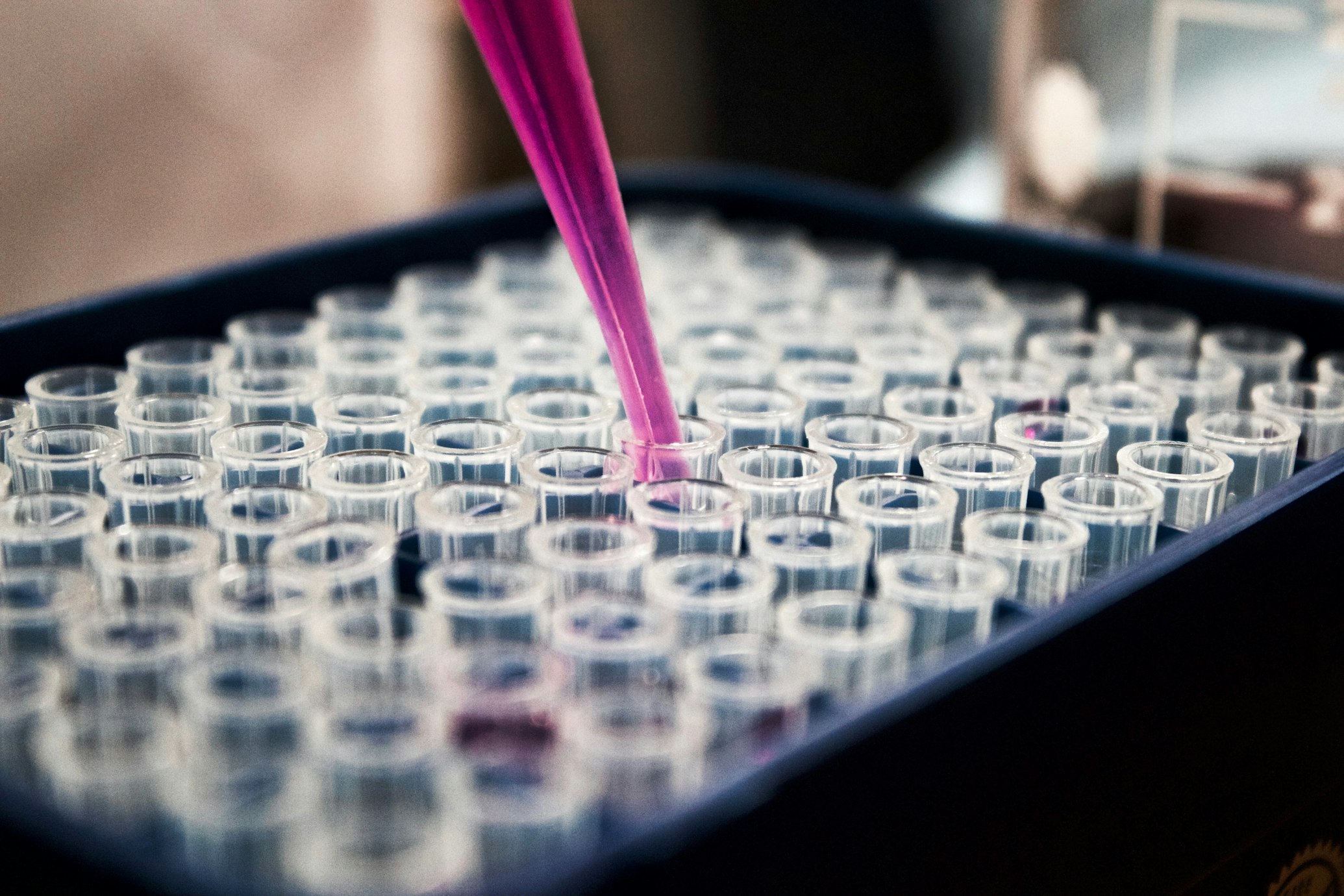
Behind every notable scientific paper lies a carefully selected array of laboratory tools and substances that make the research possible.
These reagents—substances used in chemical analysis and experiments—form the foundational infrastructure of discovery. In both the Alzheimer's blood test research and other notable 2025 studies, several key reagents have proven indispensable:
| Reagent/Category | Primary Function | Application in Research |
|---|---|---|
| CRISPR-Cas9 Gene Editing Systems | Precise DNA cutting and modification | Developing therapies for genetic disorders; creating disease models 1 |
| Specific Antibodies | Bind to and detect target proteins | Identifying Alzheimer's biomarkers in blood tests; protein quantification 2 |
| Metal-Organic Frameworks (MOFs) | Highly porous crystalline materials | Carbon capture applications; gas separation for environmental benefits 1 |
| Protocell Structures (PROTACs) | Targeted protein degradation | Identifying and eliminating problematic proteins in cancer research 1 |
| Advanced Polymer Matrices | Create controlled environments for reactions | Improving battery technology; drug delivery systems 1 |
The evolution of these research tools illustrates how methodological advances often precede research breakthroughs. The discovery of Ideonella sakaiensis bacteria capable of breaking down PET plastic, for instance, has provided researchers with novel enzymes that are now part of the sustainability science toolkit 1 . Similarly, developments in synthetic DNA circuits have created new possibilities for processing molecular information 2 . The most notable papers of 2025 frequently highlight not just what was discovered, but how new research tools enabled those discoveries.
Conclusion: The Human Face of Scientific Progress
As we've explored these notable scientific contributions, a broader narrative emerges—one of collective effort toward understanding and improving our world. The "papers of note" in science represent more than just data and conclusions; they embody years of dedication, collaboration, and sometimes frustration from researchers worldwide.
They remind us that science is fundamentally human endeavor—driven by curiosity, rigor, and the desire to contribute something meaningful to our shared knowledge.
The studies highlighted here, from accessible Alzheimer's testing to innovative molecular editing techniques, share a common thread: they ultimately seek to address human needs 1 2 5 .
They transform abstract concepts into tangible benefits, whether through earlier disease detection, cleaner environments, or more effective treatments. As these papers are read, cited, and built upon by other researchers, they become part of the ever-accelerating pace of discovery—each notable contribution raising new questions that inspire the next generation of studies.
For the non-scientist, engaging with these developments offers more than just scientific literacy—it provides a window into our collective future. The papers being published today in fields like quantum computing, CRISPR therapeutics, and artificial intelligence are quietly shaping the world our children will inhabit 1 .
By understanding and appreciating these contributions, we become more informed participants in that future, better equipped to navigate the ethical considerations and practical implications of scientific progress. The most "noteworthy" science, after all, is that which ultimately enriches not just academic discourse, but human experience itself.
References
References to be added here.