AGREE Metric: A Comprehensive Guide to Benchmarking Greenness in Analytical Chemistry
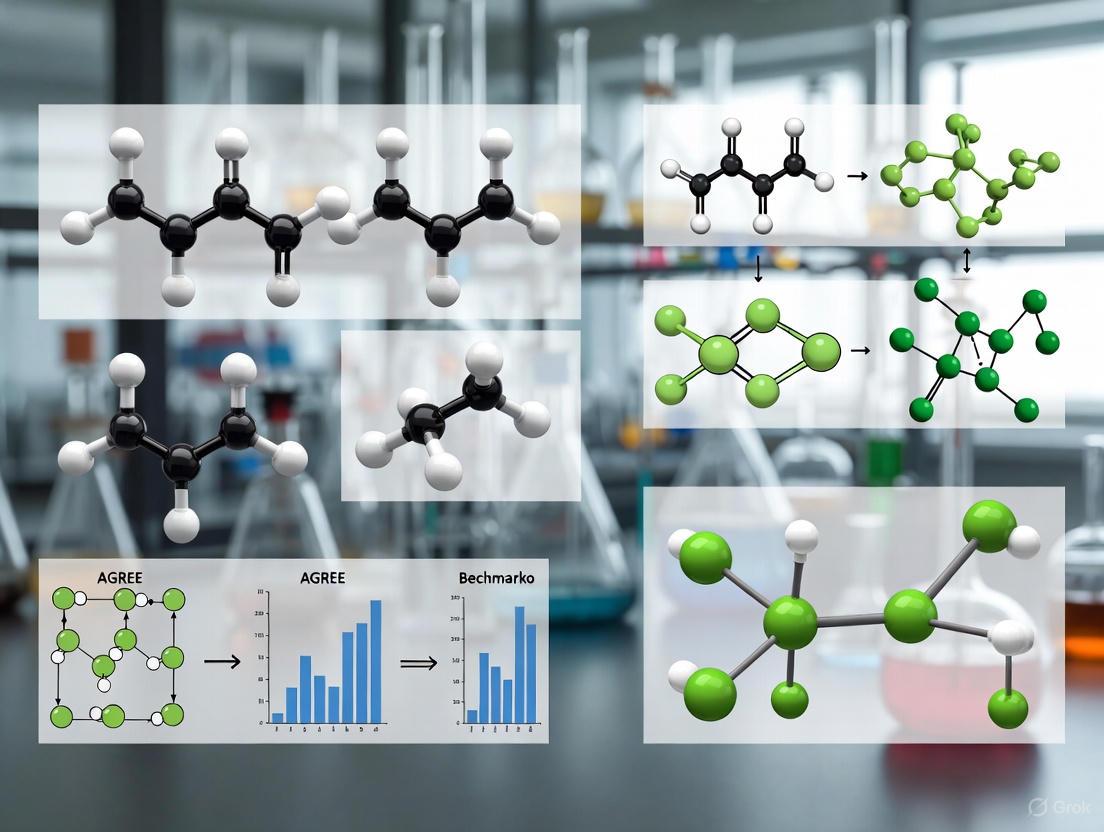
This article provides a thorough exploration of the AGREE (Analytical GREEnness) metric, a comprehensive tool for evaluating the environmental sustainability of analytical methods.
AGREE Metric: A Comprehensive Guide to Benchmarking Greenness in Analytical Chemistry
Abstract
This article provides a thorough exploration of the AGREE (Analytical GREEnness) metric, a comprehensive tool for evaluating the environmental sustainability of analytical methods. Tailored for researchers, scientists, and drug development professionals, the content covers foundational principles, practical application workflows, and advanced strategies for troubleshooting and optimization. It further offers a critical validation framework and comparative analysis against other greenness assessment tools, empowering scientists to make informed decisions, improve their methodologies, and integrate robust green chemistry principles into their analytical practices for a more sustainable future in biomedical and clinical research.
Understanding AGREE: The Foundation of Modern Green Analytical Chemistry
The increasing focus on sustainability has propelled the development of Green Analytical Chemistry (GAC), which aims to minimize the environmental impact of analytical procedures while maintaining analytical performance. This paradigm shift required dedicated metrics to quantify, evaluate, and compare the environmental footprint of analytical methods, moving beyond traditional performance parameters like accuracy and precision. Green metrics provide objective criteria to assess factors such as reagent toxicity, waste generation, energy consumption, and operator safety, enabling chemists to make informed decisions that align with sustainability goals. The evolution of these tools, from simple binary indicators to comprehensive, multi-criteria frameworks, charts the analytical community's growing commitment to environmental responsibility. This progression finds its most advanced expression in the Analytical GREEnness metric (AGREE), a comprehensive tool that incorporates the 12 principles of GAC into a user-friendly, informative assessment platform [1].
The development of green assessment tools reflects a continuous effort to enhance comprehensiveness, objectivity, and user-friendliness. The following timeline visualizes the key milestones in this evolutionary journey.
This evolution began with foundational tools like the National Environmental Methods Index (NEMI), which used a simple pictogram to indicate whether a method met four basic environmental criteria [2]. While appreciated for its simplicity, NEMI's binary (green/blank) assessment and limited scope offered little granularity [3] [2]. The Analytical Eco-Scale (AES) introduced a semi-quantitative approach by assigning penalty points for hazardous attributes, resulting in a final score out of 100 [4]. This allowed for better comparison but still relied on expert judgment for penalty assignment [2].
A significant advancement came with the Green Analytical Procedure Index (GAPI), which expanded the assessment to cover the entire analytical process with a multi-colored pictogram [4] [2]. However, GAPI did not provide a single, overall greenness score, making direct comparisons challenging [3]. This set the stage for the development of AGREE, which synthesized the strengths of its predecessors while addressing their limitations.
Comparative Analysis of Major Green Metric Tools
The following table provides a detailed, structured comparison of the four primary greenness assessment tools, highlighting their core characteristics, advantages, and limitations.
Table 1: Comparative Analysis of Major Greenness Assessment Tools in Analytical Chemistry
| Tool Name | Type of Output | Assessment Scale & Scope | Key Advantages | Main Disadvantages |
|---|---|---|---|---|
| NEMI (National Environmental Methods Index) [3] [2] | Pictogram (four quadrants) | Binary (green/blank).Scope: Limited (4 criteria: PBT reagents, hazardous reagents, corrosivity, waste). | Simple, intuitive pictogram. | Lacks granularity; 14 out of 16 methods can have identical pictograms [3]. Does not cover energy consumption or the full analytical workflow. |
| Eco-Scale (Analytical Eco-Scale) [3] [4] | Numerical score (0-100) | Semi-quantitative (100 minus penalty points).Scope: Moderate (reagents, waste, energy). | Provides a single, comparable score. Straightforward calculation. | Penalty assignment can be subjective. Lacks a visual component for quick insights [2]. |
| GAPI (Green Analytical Procedure Index) [3] [4] [2] | Pictogram (five pentagrams) | Semi-quantitative (3-color traffic light system).Scope: Comprehensive (covers all stages from sampling to detection). | Evaluates the entire analytical process. Visually identifies high-impact stages. | Complex to apply. No overall numerical score, limiting direct comparability [3] [2]. |
| AGREE (Analytical GREEnness Metric) [1] [5] [2] | Pictogram (clock-like) & Numerical score (0-1) | Quantitative (0-1 scale from 12 GAC principles).Scope: Comprehensive & Holistic. | Comprehensive (based on all 12 GAC principles). Flexible (user-defined weights). Informative output shows weak spots. Free, automated software. | Does not fully account for pre-analytical processes (e.g., reagent synthesis). Some subjectivity in assigning weights [2]. |
Experimental Protocol for Tool Application and Comparison
To ensure a fair and consistent comparison between different metric tools, researchers should adhere to a standardized experimental protocol. The following workflow outlines the key steps for applying these tools to evaluate an analytical method, using High-Performance Liquid Chromatography (HPLC) as an example.
Step 1: Data Collection Gather all relevant information about the analytical procedure. For an HPLC method quantifying pharmaceuticals [6], this includes:
- Sample Preparation: Solvents used (e.g., ethanol, formic acid), volumes, number of preparation steps (e.g., ultrasonication, filtration), and energy requirements [6].
- Separation & Detection: Mobile phase composition and flow rate (e.g., 1.0 mL/min), analysis run time, column type, temperature, and detector type (e.g., UV at 220 nm) [6].
- Overall Method: Total solvent consumption, waste generation per sample, throughput, and any specific hazard information from Safety Data Sheets (SDS).
Step 2: Tool Application Input the collected data into each metric tool according to its specific protocol.
- NEMI: Check criteria against binary thresholds (e.g., is waste >50g? Are any reagents PBT?) [3].
- Eco-Scale: Assign penalty points for each non-green aspect (e.g., use of hazardous reagents, high energy demand) and subtract from a base score of 100 [4].
- GAPI: Fill in the five pentagrams based on the three-color assessment of each stage of the method [3] [2].
- AGREE: Use the dedicated software, inputting data for each of the 12 GAC principles and assigning weights if necessary [1].
Step 3: Score Calculation and Pictogram Generation The tool calculates the final output.
- NEMI: Generates the four-quadrant pictogram [3].
- Eco-Scale: Produces a numerical score (e.g., a score above 75 is considered excellent greenness) [4].
- GAPI: Creates the colored pentagram pictogram [2].
- AGREE: The software outputs a numerical score from 0-1 and a colored clock-style pictogram [1].
Step 4: Comparative Analysis and Interpretation Compare the outputs to identify consensus and discrepancies. For instance, a method might score well on NEMI due to its simplicity but reveal significant drawbacks in energy consumption or sample number when evaluated with AGREE. This multi-tool approach provides a more robust and holistic greenness assessment [3] [4].
The AGREE Metric: A Deep Dive into the State-of-the-Art
The AGREE metric represents the current pinnacle of greenness assessment tools by directly incorporating the 12 principles of GAC into its framework [1]. Its development was driven by the need for a tool that is simultaneously comprehensive, flexible, and easy to interpret.
Figure 3: The 12 Principles of GAC as Assessed by the AGREE Metric [1]
Each of the 12 principles is scored between 0 and 1. These scores are then combined, taking into account user-assigned weights for each principle, to generate a final overall score between 0 and 1, where 1 represents ideal greenness [1]. The result is presented in an intuitive, clock-like pictogram where the color of each segment (red, yellow, green) indicates performance on that principle, and the width of the segment reflects its assigned weight. This allows for immediate identification of a method's environmental strengths and weaknesses [1] [2].
Experimental Case Study: Evaluating a Greener HPLC Method with AGREE
A 2024 study developed an eco-friendly HPLC method for simultaneously quantifying four cardiovascular drugs: Nebivolol, Telmisartan, Valsartan, and Amlodipine besylate [6]. The method substituted traditional solvents with ethanol and optimized conditions using Quality-by-Design (QbD).
Methodology and AGREE Application [6]:
- Mobile Phase: 0.1% formic acid in water (pH 2.5) and ethanol.
- Column: Standard ODS column.
- Detection: UV detection at 220 nm.
- AGREE Assessment: The input data for all 12 principles were entered into the AGREE software, which calculated a high greenness score.
Results: The AGREE metric highlighted the method's strong performance due to the use of the greener solvent ethanol, the avoidance of derivatization, and reasonably good throughput. The final AGREE pictogram provided a visual summary, instantly communicating the method's overall greenness and pinpointing areas like energy consumption or waste generation for potential further improvement [6]. This case demonstrates how AGREE can effectively guide and validate the development of sustainable analytical methods.
Modern practitioners of green analytical chemistry have access to a suite of sophisticated tools that extend beyond core assessment metrics. The following table details key software and reagents essential for developing and evaluating sustainable methods.
Table 2: Essential Research Reagents and Tools for Green Analytical Chemistry
| Tool / Reagent | Category | Primary Function & Rationale | Example Application |
|---|---|---|---|
| AGREE Calculator [1] | Software | Free, open-source software for comprehensive greenness assessment. Provides a quantitative score (0-1) and diagnostic pictogram based on the 12 GAC principles. | Evaluating an entire analytical method, such as an HPLC procedure for pharmaceuticals, to get a holistic greenness profile and identify weak points [6] [5]. |
| AGREEprep [5] [2] | Software | A dedicated metric tool for assessing sample preparation, often the most resource-intensive step. Based on 10 principles of Green Sample Preparation (GSP). | Comparing different extraction techniques (e.g., microextraction vs. solid-phase extraction) for isolating UV filters from cosmetics to select the most sustainable option [5]. |
| Green Solvents (e.g., Ethanol, Water) [6] | Reagent | Lower environmental impact and enhanced operator safety compared to traditional solvents like acetonitrile or methanol. A key focus for improving method greenness. | Used as the organic modifier in a HPLC mobile phase to reduce toxicity and environmental burden [6]. |
| Green Solvent Selection Tool (GSST) [6] | Software / Database | A free online tool that provides a composite sustainability score (G from 1-10) for solvents, aiding in the selection of the most environmentally friendly option. | Screening and selecting ethanol over other organic solvents during the initial development of a chromatographic method based on its higher sustainability score [6]. |
| Analytical Method Greenness Score (AMGS) Calculator [7] | Software | A web-based calculator from ACS GCIPR that benchmarks chromatography method greenness, evaluating solvent use, energy consumption, and run time. | Used in industry to raise awareness of best practices and provide a systemic view of sample handling to increase efficiency in liquid chromatography methods [7]. |
The journey of green metrics in analytical chemistry, from the basic NEMI pictogram to the sophisticated AGREE calculator, underscores a fundamental shift towards integrating sustainability as a core pillar of methodological development. While each tool has contributed to this evolution, AGREE currently stands as the most comprehensive, flexible, and informative system available, successfully translating the 12 principles of GAC into a clear, actionable, and quantitative output. For researchers and drug development professionals, mastering these tools is no longer optional but essential for designing analytical workflows that are not only scientifically robust but also environmentally responsible. The future will likely see further integration of life-cycle assessment, artificial intelligence, and specialized tools, continuing the dynamic evolution of green metrics.
In the pursuit of more sustainable laboratory practices, Green Analytical Chemistry (GAC) has emerged as a guiding philosophy, aiming to make analytical procedures more environmentally benign and safer for humans [1]. The environmental impact, or "greenness," of an analytical method is a complex, multivariate parameter that requires dedicated tools for effective measurement and comparison [1] [8]. Among the various metric systems developed, the Analytical GREEnness (AGREE) metric stands out as a comprehensive, flexible, and straightforward assessment approach [1] [5]. At the core of the AGREE metric lies the SIGNIFICANCE framework, a set of 12 principles that comprehensively describe an analytical procedure's greenness by considering material requirements, waste generation, energy consumption, analyst safety, and overall procedural approach [1]. This framework transforms abstract sustainability goals into measurable, quantifiable criteria, enabling analytical chemists to systematically evaluate and improve their methods [4].
The AGREE calculator, introduced in 2020, utilizes this framework to provide an easily interpretable and informative result [1] [5]. Each of the 12 SIGNIFICANCE principles is transformed into a score on a unified 0-1 scale, with the final assessment result presented as a clock-like pictogram that displays the overall score, performance in each criterion, and user-assigned weights [1]. This review deconstructs each of the 12 SIGNIFICANCE criteria, providing detailed methodologies, comparative data, and visualization tools to serve as an essential resource for researchers, scientists, and drug development professionals engaged in benchmarking the greenness of their analytical methods.
The 12 SIGNIFICANCE Principles: Detailed Deconstruction and Assessment Methodologies
Principle 1: Direct Analytical Techniques
Statement: Direct analytical techniques should be applied to avoid sample treatment.
Deconstruction: The first principle emphasizes that avoiding sample preparation steps can drastically reduce the environmental, health, and safety issues associated with an analytical methodology [1]. Direct analysis minimizes reagent consumption, waste generation, and procedural complexity. However, it's recognized that direct analysis is not always feasible, as samples may require processing to achieve appropriate state of matter, sensitivity, or selectivity.
Scoring System and Experimental Protocol: The evaluation of this principle follows a standardized scoring protocol based on the type of analysis performed, with scores ranging from 1.00 (greenest) to 0.00 (least green) [1]:
- Remote sensing without sample damage: 1.00
- Remote sensing with little physical damage: 0.95
- Noninvasive analysis: 0.90
- In-field sampling and direct analysis: 0.85
- In-field sampling and on-line analysis: 0.78
- On-line analysis: 0.70
- At-line analysis: 0.60
- Off-line analysis: 0.48
- External sample pre- and treatment and batch analysis (reduced steps): 0.30
- External sample pre- and treatment and batch analysis (large number of steps): 0.00
For methods involving external sample pretreatment, the number of preparation steps required prior to analysis is considered to differentiate between procedures based on their complexity [1].
Principle 2: Minimal Sample Size and Number of Samples
Statement: Minimal sample size and minimal number of samples are goals.
Deconstruction: This principle advocates for reducing both the quantity of individual samples and the total number of samples analyzed, without compromising sample representativeness or analytical reliability [1]. Advances in miniaturization of analytical systems have enabled chemical analysis with almost negligible sample consumption.
Experimental Protocol and Metric Transformation: The approach considers both the initial sample size and strategies for reducing sample number, such as using statistics for selecting sampling sites or employing noninvasive field screening methods followed by more detailed analysis [1]. For quantitative assessment, the mass (in grams) or volume (in milliliters) of the sample is transformed into a score using a specified equation that accounts for miniaturization levels in modern analytical systems [1].
The table below summarizes the 12 SIGNIFICANCE principles, their core focus, and general assessment approach.
Table 1: Comprehensive Overview of the 12 SIGNIFICANCE Principles for Green Analytical Chemistry
| Principle Number | Core Focus Area | Key Assessment Parameters |
|---|---|---|
| 1 | Directness of technique | Sample treatment avoidance, analysis type (remote, in-field, on-line, off-line) [1] |
| 2 | Sample requirements | Sample size, number of samples, miniaturization capability [1] |
| 3 | Reagent consumption | Reagent quantities, toxicity, availability of safer alternatives [1] |
| 4 | Waste generation | Waste amount, toxicity, treatment feasibility [1] |
| 5 | Energy consumption | Energy requirements, operational temperature [1] |
| 6 | Health & safety | Operator safety, exposure to hazardous materials [1] |
| 7 | Analytical throughput | Speed of analysis, number of samples processed per time unit [1] |
| 8 | Operator convenience | Automation, procedural simplicity, user involvement [1] |
| 9 | Miniaturization | Device scale, integration of analytical steps [1] |
| 10 | Renewable sources | Origin of reagents and materials (renewable vs. non-renewable) [1] |
| 11 | Derivative use | Need for chemical derivatization, its greenness [1] |
| 12 | Operator safety | In-situ measurements, real-time monitoring capability [1] |
AGREE Assessment Workflow and Weighting System
The AGREE metric incorporates a flexible weighting system that allows users to assign different levels of importance to each of the 12 principles based on specific analytical scenarios or priorities [1] [9]. This flexibility is a significant advantage, as not all assessment criteria have equal importance in every context. For some applications, minimizing reagent use and waste generation might be crucial, while for others, the main focus might be on operator safety or analytical throughput [1]. The width of each segment in the final AGREE pictogram reflects the weight assigned by the user, providing immediate visual feedback on the assessment priorities [1].
Diagram 1: AGREE Assessment Workflow. The workflow shows the process of evaluating an analytical method against the 12 SIGNIFICANCE principles, applying user-defined weights, calculating scores, and generating the final pictogram [1].
Comparative Analysis with Other Greenness Metric Tools
While the AGREE metric provides a comprehensive framework based on the 12 SIGNIFICANCE principles, it exists within a broader ecosystem of GAC metric tools, each with distinct focuses, advantages, and limitations [4] [8] [9].
Table 2: Comparison of AGREE with Other Major Greenness Assessment Tools
| Metric Tool | Primary Focus | Scoring System | Key Advantages | Key Limitations |
|---|---|---|---|---|
| AGREE [1] [5] | Entire analytical procedure | 0-1 scale (continuous) | Comprehensive (12 criteria), flexible weighting, intuitive pictogram | Requires detailed method knowledge |
| NEMI [1] [4] | General environmental impact | Binary (Green/Uncolored) | Extreme simplicity | Limited criteria (4), binary assessment lacks granularity [1] |
| Analytical Eco-Scale [4] [8] | Penalty points for non-green aspects | Penalty points subtracted from 100 | Semi-quantitative, relatively simple | Limited criteria scope [1] |
| GAPI [4] [5] | Entire analytical procedure | Multi-level color code (Green/Yellow/Red) | More criteria than NEMI, visual output | Less discriminating than AGREE, no flexible weighting [9] |
| AGREEprep [10] [5] | Sample preparation stage | 0-1 scale (continuous) | Addresses most resource-intensive step, 10 specific criteria | Limited to sample preparation only |
| AMGS Calculator [11] [7] | Chromatographic methods | Numerical score (%) | Specific to chromatography, includes energy and solvent use | Limited to specific technique |
The AGREE metric distinguishes itself through its direct foundation on all 12 principles of GAC, its continuous scoring function (as opposed to binary or three-level systems), and its flexible weighting system that acknowledges that not all principles carry equal importance in every context [1] [9]. A 2023 study comparing the greenness of chromatographic methods for analyzing UV filters in cosmetics highlighted that AGREE and AGREEprep provide more detailed and nuanced assessments than many other tools, with microextraction methods generally achieving higher greenness scores [5].
Experimental Protocols and Application Case Studies
Case Study: UV Filter Analysis in Cosmetics
A 2023 comparative study evaluated ten different chromatographic methods for determining UV filters in cosmetic samples using both AGREE and AGREEprep metrics [5]. The methods assessed included:
- European standard method (Method 1) based on solvent dissolution
- Solid-phase extraction (SPE) and pressurized liquid extraction (PLE) methods
- Microextraction methods: MEPS, µ-MSPD, DSPME, US-VA-DLLME, and dynamic HF-LPME-HPLC-UV
Experimental Protocol:
- Method Characterization: Each method was detailed in terms of sample preparation, solvents and reagents used, energy requirements, waste generation, and analytical instrumentation [5].
- Data Input: These parameters were input into the AGREE and AGREEprep software, which is freely available online [5].
- Weight Assignment: Default weights were used for the assessment, reflecting standard priorities in green method evaluation [5].
- Score Calculation: The software calculated scores for each principle and generated the overall score and pictogram [5].
Results and Findings: The study demonstrated that microextraction methods consistently achieved higher greenness scores compared to conventional approaches [5]. These methods scored particularly well on principles related to minimal sample size, reduced reagent consumption, lower waste generation, and enhanced miniaturization. The European standard method, which involves simple dissolution in organic solvents, received a lower score due to higher solvent consumption and waste generation [5]. This case study illustrates how the AGREE metric can effectively differentiate between the environmental profiles of various analytical approaches to the same problem.
Essential Research Reagent Solutions for Green Analytical Chemistry
The implementation of green analytical principles often relies on specific reagents and materials that minimize environmental impact and enhance safety.
Table 3: Essential Reagent Solutions for Green Analytical Chemistry
| Reagent/Material Category | Green Alternatives | Function in Analytical Process | SIGNIFICANCE Principles Addressed |
|---|---|---|---|
| Extraction Solvents | Bio-based solvents (e.g., ethanol, ethyl lactate), water, supercritical CO₂ [5] | Sample preparation, analyte extraction | 3 (Reagent toxicity), 4 (Waste), 10 (Renewable sources) |
| Sorbent Materials | Natural sorbents, molecularly imprinted polymers (MIPs) [4] | Solid-phase extraction, microextraction | 2 (Miniaturization), 3 (Reagent amount), 9 (Miniaturization) |
| Derivatization Agents | Less toxic reagents, avoiding derivatization when possible [1] | Analyte modification for detection | 3 (Reagent toxicity), 11 (Derivatization) |
| Mobile Phases (LC) | Ethanol-water mixtures, alternative solvents to acetonitrile [11] | Chromatographic separation | 3 (Reagent toxicity), 4 (Waste), 6 (Operator safety) |
| Calibration Standards | In-situ calibration, minimal standard preparation [1] | Quantitative analysis | 2 (Sample size), 3 (Reagent consumption), 4 (Waste) |
The deconstruction of the 12 SIGNIFICANCE criteria reveals a sophisticated yet practical framework for quantifying the greenness of analytical methods. The AGREE metric successfully transforms the abstract principles of GAC into a measurable, flexible, and informative assessment system that provides an easily interpretable result through its characteristic clock-like pictogram [1]. Its comprehensive coverage of all 12 GAC principles, combined with the ability to assign user-defined weights, makes it one of the most advanced metric tools currently available [4] [9].
Current challenges in greenness assessment include the need for more standardized application of metrics, better reproducibility of assessment results, and reduced subjectivity in evaluations [4] [9]. Future developments are likely to focus on more integrative tools that consider not only greenness but also analytical performance and practicality—concepts encapsulated in the emerging White Analytical Chemistry (WAC) approach [4] [9]. The ACS GCI Pharmaceutical Roundtable is actively working on improving tools like the Analytical Method Greenness Score (AMGS) Calculator, with plans to expand it to include gas chromatography and eventually encompass all aspects of analytical methods in a more comprehensive future version [7].
For researchers and drug development professionals, mastering the 12 SIGNIFICANCE criteria provides a powerful toolkit for designing, evaluating, and selecting analytical methods that align with the growing imperative for sustainable scientific practices. By systematically applying these principles, the analytical chemistry community can significantly reduce its environmental footprint while maintaining the high-quality data necessary for scientific advancement and regulatory compliance.
The push for sustainable practices has made Green Analytical Chemistry (GAC) an essential discipline, focusing on making analytical procedures more environmentally benign and safer for humans. Evaluating an analytical method's environmental impact requires considering a multitude of criteria, including the amounts and toxicity of reagents, generated waste, energy requirements, and the number of procedural steps. The AGREE (Analytical GREEnness) calculator is a comprehensive, open-source software tool designed to meet this need, providing a standardized, easily interpretable metric for assessing the greenness of analytical methodologies [12].
This tool transforms the 12 principles of green analytical chemistry (SIGNIFICANCE) into a unified scoring system, offering a pictogram that visually summarizes the method's performance. Its development represents a significant step towards formalizing and simplifying greenness assessment for researchers, scientists, and drug development professionals. This guide provides an objective overview of the AGREE calculator, compares it with other metric approaches, and details the experimental protocols for its application.
Software Foundation and Accessibility
AGREE is an open-source application freely available for download, ensuring broad accessibility for the scientific community [12]. The software is designed with a user-friendly interface that guides the assessor through the evaluation process. The tool requires the user to input data related to the 12 GAC principles, which are then transformed into a score on a unified scale from 0 to 1. The final output is an intuitive radar-style pictogram that provides an at-a-glance summary of the analytical procedure's performance across all criteria, with the central area colored to indicate the overall greenness score [12].
The 12 SIGNIFICANCE Principles and Calculation Methodology
The AGREE metric is fundamentally based on the 12 principles of green analytical chemistry, encapsulated by the acronym SIGNIFICANCE [12]. Each principle corresponds to one of the assessment criteria. The calculation methodology involves the following steps:
- Data Input: The user provides qualitative or quantitative data for each of the 12 criteria. The software offers flexibility, allowing assessments even when some specific data points are not readily available.
- Score Normalization: Each of the 12 criteria is transformed into a normalized score on a scale of 0 to 1. A score of 1 represents the ideal green performance for that criterion.
- Weighted Calculation: Users can assign a weight (from 0 to 1) to each criterion based on its perceived importance in the context of their specific analytical goals. This allows for customized assessments that reflect different priorities, such as placing greater emphasis on waste reduction or operator safety.
- Final Score Aggregation: The software calculates the overall greenness score by combining the normalized scores and their respective user-assigned weights. The final score is a value between 0 and 1, where 1 signifies a perfectly green procedure.
Table: The 12 SIGNIFICANCE Principles in AGREE Assessment
| Principle Number | Description of Criterion |
|---|---|
| 1 | Select direct analytical technique |
| 2 | Integrate analytical steps and processes |
| 3 | Minimize sample preparation and handling |
| 4 | Use automated and miniaturized methods |
| 5 | Reduce energy consumption |
| 6 | Use of renewable sources |
| 7 | Avoid derivatization |
| 8 | Minimize waste generation |
| 9 | Prioritize multi-analyte or multi-parameter methods |
| 10 | Use reagents from renewable sources |
| 11 | Ensure operator's safety |
| 12 | Avoid toxic reagents |
The following diagram illustrates the logical workflow of the AGREE assessment process, from data input to the final result.
Comparative Analysis with Other Greenness Metrics
While AGREE offers a comprehensive evaluation, other metrics exist, each with a distinct focus. A notable companion tool is AGREEprep, which is specifically designed for the sample preparation stage of the analytical process [10]. The table below provides a structured comparison of their key characteristics.
Table: Comparison of AGREE with AGREEprep
| Feature | AGREE | AGREEprep |
|---|---|---|
| Scope of Assessment | Entire analytical procedure | Sample preparation step only |
| Number of Criteria | 12 (SIGNIFICANCE principles) | 10 (Green Sample Preparation principles) |
| Calculation Basis | Weighted sum of normalized scores | Weighted sum of normalized scores |
| Output Visualization | Circular pictogram (radar plot) | Circular pictogram (radar plot) |
| Software Accessibility | Free, open-source | Free, open-source |
| Primary Application | Holistic method evaluation | Focused sample preparation evaluation |
Key Differentiators and Benchmarking
When benchmarking AGREE within the landscape of greenness metrics, several key differentiators emerge:
- Comprehensiveness: AGREE is distinguished by its foundation in the 12 foundational principles of GAC, offering one of the most holistic evaluation frameworks available [12].
- Flexibility and Transparency: The ability to assign custom weights to different criteria is a significant advantage, allowing the assessment to be tailored to specific laboratory priorities or regulatory contexts. The output pictogram clearly displays both the scores and the applied weights, making the assessment process transparent [12].
- Complementary Tools: Rather than competing, tools like AGREE and AGREEprep often serve complementary roles. A researcher might use AGREEprep to optimize the sample preparation step and then use AGREE to evaluate the overall method, ensuring green principles are applied throughout the analytical workflow [10].
Experimental Protocols for AGREE Assessment
Data Requirements and Input Methodology
A successful AGREE assessment requires careful data collection for the analytical method under review. The following checklist details the essential data and research reagents required for a comprehensive evaluation.
Table: Essential Research Reagents and Data for AGREE Assessment
| Item / Reagent Category | Function in Assessment | Specific Data to Collect |
|---|---|---|
| Solvents & Reagents | Quantify toxicity, waste, and sourcing. | Type, volume, concentration, LD50 (toxicity), origin (renewable vs. petrochemical). |
| Analytical Instrumentation | Evaluate energy consumption and directness. | Manufacturer, model, power requirements (kWh), operational time. |
| Sample Preparation Materials | Assess miniaturization, integration, and waste. | Type of equipment (e.g., autosampler), consumables (e.g., sorbent mass in SPE), number of steps. |
| Derivatization Agents | Determine if derivatization is used (Principle 7). | Type of agent, quantity used, necessity for the analysis. |
| Generated Waste | Calculate total waste output and its hazard. | Total volume of liquid and solid waste, waste disposal classification. |
The experimental protocol begins with gathering the data outlined above. This information is then mapped onto the 12 SIGNIFICANCE criteria. For example, the type and volume of solvents used directly inform criteria related to waste generation, reagent toxicity, and the use of reagents from renewable sources.
Step-by-Step Assessment Procedure
- Define the Analytical Procedure: Clearly outline all steps of the method, from sample collection to final quantitative analysis.
- Compile Quantitative Data: Collect all relevant data on reagents, energy, waste, and instrument time as specified in the previous table.
- Launch the AGREE Software: Download and open the AGREE calculator tool.
- Input Criterion Scores: For each of the 12 principles, input the collected data. The software will guide this process, prompting for the necessary information.
- Assign Weights: Based on the analytical goals (e.g., prioritizing operator safety or minimizing environmental footprint), assign a weight to each criterion. If all criteria are equally important, a default weight of 1 can be used for all.
- Calculate and Interpret Results: Execute the calculation. The software will generate the final score and the corresponding pictogram. A score closer to 1 indicates a greener method. The pictogram allows for immediate visual identification of strengths (criteria with high scores) and weaknesses (criteria with low scores).
The following diagram summarizes the relationship between the experimental method, the AGREE criteria, and the final output, providing a high-level overview of the entire evaluation logic.
The AGREE calculator represents a significant advancement in the field of Green Analytical Chemistry by providing a standardized, transparent, and holistic metric for evaluating the environmental performance of analytical methods. Its open-source nature and user-friendly design make it highly accessible to researchers and professionals in drug development and other chemical analysis fields. While other tools like AGREEprep offer valuable focused assessments, AGREE's comprehensive scope based on the 12 SIGNIFICANCE principles makes it an indispensable tool for benchmarking and improving the greenness of analytical procedures. The ability to incorporate customizable weights ensures that the tool remains relevant across diverse analytical contexts and evolving sustainability priorities.
The AGREE (Analytical GREEnness Metric) framework is a significant evolution in the field of green analytical chemistry (GAC), transitioning the principle from a theoretical concept to a quantifiable and standardized practice. This tool empowers researchers, scientists, and drug development professionals to systematically evaluate and benchmark the environmental impact of their analytical methods. By providing a comprehensive, yet easily interpretable score, AGREE facilitates informed decision-making, promotes the adoption of greener alternatives, and supports the industry-wide push towards sustainable science.
The core of the AGREE metric is a pictogram that visually summarizes a method's environmental performance. This guide will deconstruct this pictogram, explaining the significance of its overall score and the color codes used within it. Understanding how to interpret this output is crucial for comparing the greenness of different analytical procedures, from high-performance liquid chromatography (HPLC) to mass spectrometry (MS) and other techniques common in drug development.
Deconstructing the AGREE Pictogram
The AGREE pictogram is a circular diagram designed to offer an at-a-glance assessment of an analytical method's environmental friendliness. Its design incorporates both a quantitative overall score and qualitative color-coded subsections, providing a multi-layered understanding of performance.
At the center of the pictogram lies the overall greenness score, a single number between 0 and 1. This value is a weighted aggregate of the method's performance across all ten evaluation criteria.
- Score Interpretation: A score of 1.0 represents ideal greenness, indicating that the method aligns perfectly with all principles of green analytical chemistry. A score of 0 signifies the poorest possible environmental performance. In practical terms, methods scoring above 0.75 are considered excellent, while those below 0.5 require significant optimization to be deemed sustainable [13].
- Function in Benchmarking: This central score allows for the rapid comparison of multiple analytical methods. When comparing Method A (score: 0.82) and Method B (score: 0.58), it is immediately clear that Method A is the greener alternative, providing a straightforward metric for benchmarking in research papers or internal company reviews.
The Color-Coded Segments
Surrounding the central score are ten colored segments, each corresponding to one of the ten fundamental GAC principles, such as waste generation, energy consumption, and toxicity of reagents. The color of each segment provides an instant visual cue about performance for that specific principle [13].
The color coding follows a universal traffic-light scheme:
- Green: Indicates good performance and full adherence to the green principle for that category.
- Yellow: Represents a medium or acceptable level of performance, but with room for improvement.
- Red: Signals poor performance and a significant deviation from green chemistry ideals in that area. This highlights a critical point for optimization.
For example, a red segment in "Waste" immediately informs the user that the method produces a hazardous or excessive amount of waste, while a green segment in "Energy" suggests low energy consumption.
Benchmarking Analytical Methods with AGREE
The true power of the AGREE metric is realized when it is used to objectively compare the environmental footprint of different analytical techniques. Such comparisons are essential for making scientifically sound and sustainable choices in drug development.
The table below provides a hypothetical comparison of three common techniques used in pharmaceutical analysis, scored using the AGREE framework.
Table 1: Benchmarking Greenness of Common Analytical Techniques Using the AGREE Metric
| Analytical Technique | Calculated AGREE Score | Greenness Interpretation | Key Strengths (Green Segments) | Key Weaknesses (Red/Yellow Segments) |
|---|---|---|---|---|
| Classical HPLC | 0.48 | Poor | Robust, widely applicable | High solvent consumption, toxic waste, high energy use |
| Ultra-High-Performance LC (UHPLC) | 0.65 | Good | Faster analysis, reduced solvent use | Higher energy consumption for pressure, specialized equipment |
| Capillary Electrophoresis (CE) | 0.79 | Excellent | Minimal solvent and sample volume, low waste | Lower reproducibility in some applications, method development can be complex |
| Green Solvent-Based HPLC | 0.85 | Excellent | Significantly reduced toxicity and waste | Potential for longer analysis times, limited method libraries |
Analysis of Benchmarking Data
From the data in Table 1, clear trends emerge. Traditional techniques like classical HPLC often score poorly due to their reliance on large volumes of potentially toxic solvents and high energy demands. Advanced techniques like UHPLC improve the score by enhancing efficiency and reducing solvent consumption, though they may introduce other trade-offs. Techniques like Capillary Electrophoresis and methods specifically designed with green solvents, such as ethanol-water mixtures, consistently achieve the highest scores. They excel by minimizing or eliminating hazardous waste and operating with lower energy inputs, making them the benchmarks for greenness in modern laboratories.
Experimental Protocol for AGREE Assessment
To ensure consistency and reproducibility in benchmarking studies, researchers should adhere to a standardized protocol for calculating and comparing AGREE scores. The following workflow provides a detailed methodology.
Diagram: AGREE Assessment Workflow
Detailed Methodology
Method Definition and Data Collection: Clearly delineate every step of the analytical method under evaluation. This includes sample preparation, separation, detection, and data analysis. For each of the ten GAC principles, gather quantitative and qualitative data. Essential data points include:
- Reagent and Solvent Quantities: Type, volume, and concentration of all chemicals used.
- Energy Consumption: The power rating (kW) of all instruments and the duration (hours) of their operation.
- Waste Generated: Mass and volume of all waste streams, along with their associated hazard classifications.
- Operator Safety Data: Refer to Safety Data Sheets (SDS) for toxicity and hazard information of all substances.
Input and Calculation: Input the collected data into a dedicated AGREE calculator software or script. The tool applies pre-defined weighting factors to each of the ten criteria, reflecting their relative importance for a holistic greenness assessment. The software then performs the necessary calculations to generate a score between 0 and 1 for each principle and computes the final, aggregated overall score.
Pictogram Generation and Comparison: The software outputs the circular pictogram, displaying the overall score and the color-coded segments. This pictogram for the test method should then be placed side-by-side with the pictograms of benchmark methods (e.g., standard methods used in the lab or industry-best practices) as shown in Table 1.
Interpretation and Reporting: Analyze the results by comparing overall scores and the color patterns in the segments. A method with a higher overall score and more green segments is superior. The specific segments colored red or yellow provide a direct action plan for method optimization. All data inputs, the calculated scores, and the final pictograms must be thoroughly documented in the research record to ensure transparency and reproducibility.
The Scientist's Toolkit for Green Chemistry
Implementing the AGREE metric and developing greener analytical methods requires a set of key reagents, tools, and instruments. The following table details essential components of a green analytical chemistry toolkit.
Table 2: Essential Research Reagent Solutions for Green Analytical Chemistry
| Toolkit Category | Specific Item / Solution | Function & Rationale |
|---|---|---|
| Alternative Solvents | Ethanol, Water, Ethyl Acetate, Cyclopentyl methyl ether (CPME) | Replaces toxic traditional solvents (e.g., acetonitrile, methanol, chlorinated solvents). Reduces environmental impact and operator hazard, directly improving AGREE scores in toxicity and waste principles. |
| Sample Preparation | Solid-Phase Microextraction (SPME), Microwave-Assisted Extraction | Minimizes or eliminates the use of bulk solvents during sample preparation. SPME is a virtually solvent-free technique, enhancing greenness in the "Waste" and "Toxicity" categories. |
| Analytical Instruments | UHPLC, Microfluidic/Lab-on-a-Chip devices | UHPLC reduces solvent consumption by using smaller particle sizes and higher pressures. Microfluidic devices operate with extremely low reagent volumes, addressing multiple green principles simultaneously. |
| Software & Metrics | AGREE Calculator Software, GAPI pictogram tool | Automated tools for calculating AGREE and other green metric scores. They ensure standardized, reproducible assessments and generate the final comparative pictograms for reporting. |
| Energy Management | Energy-efficient spectrometers, Programmable oven timers | Reduces the overall kWh consumption of the analytical process. Simple steps like automating instrument shutdown directly improve the "Energy" principle score in the AGREE metric. |
The AGREE metric, with its intuitive pictogram of scores and color codes, provides a powerful, standardized language for benchmarking greenness in analytical chemistry. By moving beyond subjective claims to a data-driven evaluation, it enables researchers and drug development professionals to make objective comparisons between methods, identify areas for improvement, and champion the development of truly sustainable analytical practices. As regulatory and societal pressures for green science grow, the ability to expertly interpret and utilize this tool will become an indispensable skill in the development of the next generation of pharmaceuticals.
Implementing AGREE: A Step-by-Step Guide for Method Assessment and Development
The AGREE (Analytical GREEnness) metric is a comprehensive standard for evaluating the environmental sustainability of analytical methods. Framed within a broader thesis on benchmarking greenness in Analytical Chemistry research, this guide provides a foundational framework for data gathering. Efficient and reliable analysis of chemical analytical data is a great challenge due to the increase in data size, variety, and velocity, making structured data collection paramount [14]. This guide objectively compares essential data inputs, provides standardized experimental protocols for their acquisition, and visualizes the workflow, serving the specific needs of researchers, scientists, and drug development professionals dedicated to advancing green chemistry principles.
Essential Data Inputs for the 12 AGREE Principles
The evaluation using the AGREE metric requires both quantitative and qualitative data for each of its 12 principles. The table below summarizes the essential inputs, which act as the "what" in the assessment, while the subsequent sections provide the "why" and "how" through methodologies and context [15].
Table 1: Essential Data Inputs for the 12 Principles of the AGREE Metric
| Principle Number | Principle Name | Essential Quantitative Data Inputs | Essential Qualitative Data Inputs |
|---|---|---|---|
| 1 | Sample Preparation | • Amount of solvents used (mL)• Energy consumed (kWh)• Time required (min)• Waste generated (g or mL) | • Type of solvents (e.g., ethanol, hexane)• Sample preparation technique (e.g., QuEChERS, SPME)• Justification for solvent choices |
| 2 | Sample Derivatization | • Quantity of derivatizing agents (mg)• Additional waste generated (mL) | • Derivatization protocol• Rationale for derivatization necessity |
| 3 | Scale of Analysis | • Sample size (mg or µL)• Micro-extraction device dimensions (if applicable) | • Description of downscaling strategy• Equipment used for micro-analysis |
| 4 | Workplace Safety | • LD50 of chemicals used (mg/kg)• Permissible Exposure Limits (PEL) | • Safety Data Sheet (SDS) hazard statements• Required Personal Protective Equipment (PPE) |
| 5 | Energy Consumption | • Total energy per analysis (kWh)• Oven/Incubator temperature profile (°C/time) | • Instrument model and energy efficiency class• Description of energy-saving modes |
| 6 | Waste Generation | • Total waste per analysis (g)• Recycling rate (%) | • Waste composition• Waste disposal protocol (e.g., neutralization, incineration) |
| 7 | Green Solvents & Reagents | • Solvent from EHS guide• Concentration of reagents (mol/L) | • Solvent safety classification• Rationale for reagent greenness |
| 8 | Instrument Design | • Instrument footprint (m²)• Expected operational lifespan (years) | • Manufacturer's green specifications• On-line or off-line capability |
| 9 | Analytical Throughput | • Number of samples analyzed per hour• Total analysis time per sample (min) | • Automation level (e.g., fully automated, manual)• Multi-analyte capability description |
| 10 | Operator Safety | • Measured exposure levels (ppm)• Number of manual handling steps | • Ergonomic risk assessment• Fume cupboard or containment use |
| 11 | Lifecycle Assessment | • CO2 footprint of instrument manufacturing (kg CO2eq)• End-of-life recyclability (%) | • Manufacturer's take-back policy• Use of recycled materials in instrument |
| 12 | Practical Applicability | • Cost per analysis (USD)• Method robustness (%RSD) | • Ease of method transfer between labs• Compliance with regulatory standards |
Experimental Protocols for Key Data Gathering
This section details the standard methodologies for obtaining the critical quantitative data outlined in Table 1. Adherence to these protocols ensures the consistency, reliability, and comparability of the data used for the greenness assessment [16].
Protocol for Measuring Solvent Consumption and Waste Generation (Principles 1, 6 & 7)
Objective: To accurately determine the volume of solvents used and the mass/volume of waste generated during a single run of the analytical method. Materials: Analytical balance (precision 0.1 mg), graduated cylinders (appropriate sizes), waste collection containers. Procedure:
- Tare Weighing: Tare the weight of all empty solvent containers and the designated waste container on the analytical balance.
- Solvent Measurement: Precisely measure all solvents to be used in the procedure (e.g., extraction, mobile phase, dilution) using graduated cylinders. Record the initial volumes.
- Method Execution: Perform the analytical method according to the established standard operating procedure (SOP).
- Post-Run Measurement: After the run, measure the volume of any unused solvent from the original containers. Collect all waste streams (e.g., used extraction solvent, eluates, cleaning solutions) in the tared waste container.
- Calculation:
- Solvent Used (mL): Initial Volume (mL) - Final Unused Volume (mL)
- Waste Generated (g): Final Mass of Waste Container (g) - Tared Mass of Waste Container (g). Convert to volume if necessary using the waste density.
Protocol for Quantifying Energy Consumption (Principle 5)
Objective: To calculate the total electrical energy consumed by all instruments during a single analytical cycle. Materials: Plug-in power meter (kWh meter). Procedure:
- Instrument Identification: List all instruments used in the method (e.g., HPLC system, GC oven, centrifuge, balance).
- Power Meter Setup: Connect each instrument individually to the power meter. For the analytical instrument (e.g., HPLC), ensure the meter is connected to the main unit powering all modules.
- Method Execution: Run the complete analytical method, from sample preparation to final data acquisition.
- Data Recording: Record the total energy consumed (in kWh) displayed on the power meter for each instrument at the end of the run.
- Calculation: Sum the energy consumption of all instruments to obtain the Total Energy per Analysis (kWh).
Protocol for Assessing Workplace and Operator Safety (Principles 4 & 10)
Objective: To gather data on the inherent hazards of chemicals used and the physical ergonomics of the procedure. Materials: Safety Data Sheets (SDS) for all chemicals, stopwatch, ergonomic assessment checklist. Procedure:
- SDS Review: For each chemical, consult its SDS and record:
- Acute Toxicity Estimate (ATE) or LD50 (mg/kg).
- Hazard Statements (e.g., H225, H301).
- Required Personal Protective Equipment (PPE).
- Exposure Time Measurement: Using a stopwatch, measure the total operator hands-on time and the duration of exposure to any hazardous chemicals during manual steps.
- Ergonomic Assessment: Use a standardized checklist to identify risks, such as the number of repetitive motions, awkward postures required, and the weight of materials manually handled.
Visualization of the AGREE Data Gathering Workflow
The logical sequence of data gathering, analysis, and evaluation for the AGREE metric is depicted in the following workflow diagram.
The Scientist's Toolkit: Research Reagent Solutions
The selection of reagents and materials is critical for implementing green analytical chemistry. The following table details key solutions and their functions within the context of the AGREE principles [14].
Table 2: Essential Research Reagent Solutions for Green Analytical Chemistry
| Reagent/Material | Primary Function in Analysis | Relevance to AGREE Principles |
|---|---|---|
| Bio-based Solvents (e.g., Ethanol, Ethyl Lactate) | To dissolve, extract, or separate analytes; used as mobile phase in chromatography. | Principle 1 & 7: Reduces environmental impact and toxicity versus petrochemical solvents like acetonitrile or hexane. |
| Solid Phase Microextraction (SPME) Fibers | To extract and concentrate analytes from sample matrices without solvents. | Principle 1, 3 & 6: Eliminates need for large solvent volumes in sample preparation, enabling miniaturization and reducing waste. |
| Switchable Hydrophilicity Solvents (SHS) | Solvents that can switch between hydrophobic and hydrophilic forms with a CO2 trigger, facilitating recycling. | Principle 6 & 7: Dramatically reduces waste generation and promotes the use of recyclable, smarter solvents. |
| Water as a Mobile Phase Modifier | To replace organic modifiers in Reverse-Phase Chromatography where possible. | Principle 7: Directly substitutes a hazardous reagent (e.g., methanol) with a benign one (water), enhancing greenness. |
| QuEChERS Kits | Quick, Easy, Cheap, Effective, Rugged, Safe kits for multi-residue sample preparation. | Principle 1, 4 & 9: Streamlines preparation, reduces solvent use, improves operator safety, and increases analytical throughput. |
| On-line Sample Preparation Modules | Automated systems that integrate sample prep (e.g., extraction, filtration) directly with the analytical instrument. | Principle 1, 6, 8 & 10: Minimizes manual steps, solvent use, and waste while improving operator safety and throughput. |
The push for sustainable laboratory practices has made Green Analytical Chemistry (GAC) a critical discipline for researchers and drug development professionals. Evaluating the environmental impact of analytical methods requires dedicated metric tools, leading to the development of the Analytical GREEnness (AGREE) calculator. This open-source software provides a comprehensive, flexible, and straightforward approach to assessing analytical procedures against the 12 principles of GAC. Unlike earlier metric systems that considered limited criteria or used non-continuous assessment functions, AGREE offers a nuanced evaluation that translates complex environmental impact data into an easily interpretable score [1]. This guide explores the practical application of the AGREE calculator interface, compares its capabilities against other greenness metrics, and provides a foundational protocol for its use in benchmarking analytical methods.
The AGREE calculator is a freely available, open-source software tool designed to evaluate the greenness of analytical procedures. Its development addressed a critical need in the field for a metric that was simultaneously comprehensive, user-friendly, and informative. The tool can be downloaded from https://mostwiedzy.pl/AGREE [1] [12].
Core Architecture and Workflow
The foundation of the AGREE calculator is its use of the 12 SIGNIFICANCE principles of Green Analytical Chemistry as its assessment criteria [1]. The software transforms data for each of these twelve principles into a normalized score on a 0–1 scale. The overall greenness score is a composite result of the individual performances across all principles. A key feature is its flexibility; users can assign different weights to each of the twelve criteria based on their specific analytical goals or regulatory priorities, influencing the final score to reflect what is most important for a given application [1].
Table 1: The 12 SIGNIFICANCE Principles of Green Analytical Chemistry as Implemented in AGREE
| Principle Number | Core Focus |
|---|---|
| 1 | Direct analytical techniques to avoid sample treatment |
| 2 | Minimal sample size and minimal number of samples |
| 3 | In-situ measurements |
| 4 | Integration of analytical processes and operations |
| 5 | Automated and miniaturized methods |
| 6 | Derivatization avoidance |
| 7 | Energy minimization and green energy sources |
| 8 | Multi-analyte or multi-parameter methods |
| 9 | Reagent and waste minimization |
| 10 | Toxic reagent substitution |
| 11 | Worker safety |
| 12 | Waste biodegradation and post-treatment |
The following diagram illustrates the logical workflow and output structure of the AGREE calculator:
Comparative Analysis of Greenness Assessment Tools
While AGREE is a powerful tool, it is one of several metrics developed to evaluate the environmental impact of analytical methods. A comparison of key metrics highlights their distinct characteristics.
Table 2: Comparison of Major Green Analytical Chemistry (GAC) Assessment Tools
| Metric Tool | Key Characteristics | Advantages | Disadvantages |
|---|---|---|---|
| AGREE [1] | Evaluates all 12 GAC principles; 0-1 score with pictogram; user-defined weights. | Comprehensive, flexible, informative and easily interpretable output. | Requires detailed data which may not always be available. |
| NEMI [1] [17] | Pictogram with 4 binary (yes/no) criteria. | Very simple to use and interpret. | Limited scope (only 4 criteria); lacks granularity (binary only). |
| Analytical Eco-Scale [1] [17] | Assigns penalty points; score out of 100. | Simple calculation, provides a single numerical result. | Does not reflect the structure of hazards; penalty assignment can be subjective. |
| GAPI [17] | Pictogram with a multi-level (traffic light) assessment for several criteria. | More criteria than NEMI; provides more detailed information than binary outputs. | Does not cover all 12 GAC principles; less comprehensive than AGREE. |
| AGREEprep [10] [17] | A specialized metric derived from AGREE, focusing on the 10 principles of green sample preparation. | Addresses the often significant environmental impact of the sample preparation stage. | Narrower scope, designed specifically for sample preparation. |
Practical Application: An Experimental Protocol for AGREE
To effectively benchmark analytical methods using the AGREE calculator, a systematic protocol must be followed. The following workflow details the key steps for a robust assessment.
Step-by-Step Guide and Data Requirements
- Define Method Scope and Goals: Clearly outline the analytical procedure under evaluation. Determine the primary objectives of the greenness assessment (e.g., general benchmarking, internal improvement, or compliance with specific environmental standards). This will inform the weighting of criteria in later steps.
- Gather Comprehensive Input Data: Collect all quantitative and qualitative data required for the 12 principles. This is often the most challenging step, as critical data is frequently not reported in literature [10]. Essential data includes:
- Sample Preparation: The number of steps and the type of analysis (e.g., remote sensing, on-line, off-line) for Principle 1 [1].
- Reagents and Waste: The type, quantity, and toxicity of all reagents used; the total amount of waste generated; and the disposal or treatment methods for waste [10] [1].
- Energy Consumption: The total energy required by all instruments used throughout the analytical process [10].
- Operator Safety: Hazard statements associated with the chemicals used to assess the risk to the analyst [1].
- Assign User-Defined Weights: Using the AGREE software interface, assign a weight from 0.1 to 1.0 to each of the 12 principles. A higher weight signifies that the criterion is of greater importance for the specific assessment. For instance, a method intended for a high-throughput clinical lab might assign a higher weight to automation and energy consumption (Principles 5 and 7), while a lab handling extremely toxic samples might prioritize worker safety (Principle 11) [1].
- Input Data and Generate the Pictogram: Enter the collected data and assigned weights into the AGREE calculator. The software will process the inputs and generate the characteristic circular pictogram.
- Interpret the Output and Compare: Analyze the generated pictogram. The overall score (0-1) in the center provides an at-a-glance measure of total greenness. The color of each segment (from red to green) indicates performance on that specific principle. The width of each segment reflects the user-assigned weight, allowing for immediate visual understanding of the assessment's priorities [1].
- Identify Opportunities for Improvement: Use the results to pinpoint the least green aspects of the procedure (red and yellow segments). This data-driven approach guides researchers in optimizing methods to reduce environmental impact, for example, by replacing a toxic solvent or miniaturizing the method to reduce waste.
Essential Research Reagent Solutions for Green Chemistry
Transitioning to greener analytical methods often involves the use of alternative reagents and materials. The following table details key solutions that can improve a method's AGREE score.
Table 3: Key Research Reagent Solutions for Greener Analytical Chemistry
| Reagent/Material | Function in Analytical Chemistry | Green Chemistry Rationale |
|---|---|---|
| Bio-based Solvents (e.g., Cyrene, ethyl lactate) | Replacement for traditional organic solvents (e.g., DMF, DMSO, acetonitrile) in extraction and chromatography. | Lower toxicity, biodegradable, often derived from renewable resources, improving scores for Principles 10 and 12 [1]. |
| Ionic Liquids | Versatile solvents used in extraction, separation, and as electrolytes. | Low vapor pressure reduces inhalational exposure (Principle 11) and air pollution. Tunable properties can enhance safety and efficiency [1]. |
| Solid-phase Microextraction (SPME) Fibers | Solvent-less extraction and pre-concentration of analytes from samples. | Eliminates or drastically reduces the use of toxic solvents (Principle 9, 10), minimizes waste generation (Principle 9), and enables automation (Principle 5) [10]. |
| Miniaturized Sensors & Lab-on-a-Chip Devices | For in-situ or point-of-need analysis and detection. | Enable direct analysis (Principle 1), require minimal sample and reagent volumes (Principle 2), and reduce energy consumption (Principle 7) [1]. |
The AGREE calculator represents a significant advancement in the toolkit for sustainable science, providing a holistic and flexible framework for benchmarking the environmental performance of analytical methods. Its strengths lie in its comprehensive coverage of GAC principles, the clarity of its visual output, and its adaptability to different research priorities through user-defined weights. For researchers and drug development professionals, mastering the AGREE interface is not merely an academic exercise but a practical step toward designing safer, more efficient, and environmentally responsible analytical procedures. As the field evolves, tools like AGREE and its specialized counterpart, AGREEprep for sample preparation, will be indispensable for objectively quantifying progress toward the goals of Green Analytical Chemistry [10] [17].
The Analytical GREEnness (AGREE) metric has emerged as a vital tool for quantifying the environmental impact of analytical methods, aligning with the 12 principles of Green Analytical Chemistry (GAC) [18]. In pharmaceutical analysis, where methods like High-Performance Liquid Chromatography (HPLC) are workhorses, assessing and improving ecological footprint is crucial for sustainable development [6]. The AGREE tool incorporates all 12 GAC principles into a holistic algorithm, providing a single-score evaluation between 0 and 1 supported by an intuitive graphic output [18]. This case study examines the application of the AGREE metric to evaluate a specific pharmaceutical HPLC method, demonstrating how this assessment drives the adoption of more sustainable laboratory practices without compromising analytical performance.
The transition towards greener chromatographic methods represents a significant shift in analytical chemistry, aimed at minimizing environmental impact by reducing hazardous chemical use, waste generation, and energy consumption [6]. In this context, the AGREE metric offers a comprehensive, user-friendly approach for benchmarking the environmental performance of analytical procedures, enabling scientists to make informed decisions during method development and optimization [18].
Experimental Protocol and Methodological Framework
Chromatographic Method and Conditions
The case study focuses on an HPLC method developed for the simultaneous determination of four cardiovascular drugs: Nebivolol hydrochloride, Telmisartan, Valsartan, and Amlodipine besylate [6]. The methodology was carefully designed to incorporate green chemistry principles while maintaining robust analytical performance.
The key chromatographic parameters were optimized as follows:
- Mobile Phase: A mixture of 0.1% formic acid in water (pH: 2.5) and ethanol
- Stationary Phase: Regular octadecyl silica (ODS) column
- Detection: UV detection at 220 nm
- Analytical Range: 25–75 μg/mL for Telmisartan and 150–450 μg/mL for Nebivolol Hydrochloride, Valsartan, and Amlodipine besylate [6]
The method demonstrated excellent linearity with correlation coefficients greater than 0.999 for all analytes, with limits of detection ranging from 0.01-0.14 μg/mL and limits of quantification from 0.04-0.46 μg/mL across the four compounds [6].
Method Validation Parameters
The method underwent comprehensive validation following International Council for Harmonisation (ICH) guidelines, assessing the following parameters to ensure reliability and accuracy [6] [19]:
- Linearity: Established across specified concentration ranges
- Accuracy: Mean recovery values between 98.86% and 99.89%
- Precision: Intra-day and inter-day precision consistently above 98.98% with relative standard deviations less than 2%
- Robustness: Evaluated using a Quality-by-Design-based experimental design approach
- Ruggedness: Assessed to ensure method reliability under varying conditions [6]
Greenness Assessment Protocol
The greenness evaluation was conducted using the AGREE metric calculator, which considers twelve principles of Green Analytical Chemistry [18]. The assessment incorporated:
- Solvent Selection: Evaluation based on environmental impact, safety, and toxicity
- Energy Consumption: Assessment of instrument power requirements
- Waste Generation: Quantification of solvent and material waste
- Operator Safety: Consideration of health hazards associated with reagents and procedures
- Sample Preparation: Evaluation of the environmental impact of sample processing steps [6]
AGREE Analysis and Results Interpretation
AGREE Scoring and Visualization
The AGREE analysis of the developed HPLC method yielded a comprehensive assessment of its environmental performance. The AGREE metric provides a pictogram that visually represents the method's performance across all twelve GAC principles, with each principle scored individually and contributing to an overall composite score between 0 and 1 [18].
The key advantages of the AGREE visualization include:
- Immediate Visual Feedback: The circular pictogram quickly communicates overall method greenness
- Detailed Breakdown: Individual scores for each principle identify specific strengths and weaknesses
- Comparative Capability: Enables direct comparison between different analytical methods
- Optimization Guidance: Highlights areas with the greatest potential for environmental improvement [18]
Green Solvent Assessment
A critical factor in the method's greenness profile was the conscious replacement of traditional hazardous organic solvents with environmentally friendly alternatives [6]. The sustainability of the solvents used in the current study was evaluated using the Green Solvents Selecting Tool (GSST), which provides a composite sustainability score (G value) on a scale from 1 to 10, with higher values indicating more environmentally friendly solvents [6].
The choice of ethanol as a primary solvent component significantly enhanced the method's greenness profile because certified green solvents typically exhibit characteristics including low health risk, high safety, and minimal environmental impact [6].
Comparative Analysis with Other Greenness Assessment Tools
Multi-Tool Greenness Evaluation
The AGREE assessment was complemented by evaluation with other green analytical tools to provide a comprehensive sustainability profile. The method's environmental friendliness was evaluated using the Analytical Greenness metric (AGREE), an analytical eco-scale, and the Green Solvents Selecting Tool (GSST), all confirming its alignment with sustainable practices and reduced ecological impact [6].
Additionally, the developed method's greenness was evaluated with the green analytical tools Analytical Method Greenness Score (AMGS) and the recently released White Analytical Chemistry (WAC) using an RGB assessment tool [6]. This multi-tool approach provides a more robust and comprehensive evaluation than any single metric alone.
Comparison of Greenness Assessment Metrics
Table 1: Comparison of Major Greenness Assessment Tools in Analytical Chemistry
| Metric Tool | Main Characteristics | Output Format | Key Features |
|---|---|---|---|
| AGREE | Integrates all 12 GAC principles into a holistic algorithm | Single score (0-1) with graphic output | Comprehensive evaluation of entire analytical process; intuitive visualization |
| Analytical Eco-Scale | Penalty-point-based system | Semi-quantitative score | Simple implementation; considers solvent toxicity, energy, waste, hazards |
| GAPI | Visual, semi-quantitative evaluation | Color-coded pictogram | Covers entire analytical workflow; quick identification of critical steps |
| NEMI | Simple categorical assessment | Pictogram with quadrants | Easy interpretation; limited quantitative evaluation |
| BAGI | Evaluates practical applicability | Numerical score and "asteroid" pictogram | Focuses on practical viability and usability in real-world settings [18] |
The AGREE Assessment Workflow
The following diagram illustrates the systematic workflow for conducting an AGREE analysis of an analytical method:
Essential Research Reagent Solutions for Green HPLC
Table 2: Key Reagents and Materials for Green HPLC Method Development
| Reagent/Material | Function in HPLC Analysis | Green Considerations |
|---|---|---|
| Ethanol | Environmentally friendly mobile phase component | Renewable source; lower toxicity compared to acetonitrile [6] |
| Water with Acid/Base Modifiers | Aqueous component of mobile phase | Natural solvent; minimal environmental impact [6] |
| Formic Acid | Mobile phase modifier for pH control | Lower environmental impact compared to phosphate buffers [6] |
| Octadecyl Silica (C18) Column | Stationary phase for separation | Reusable; contributes to method sustainability [6] |
| Reference Standards | Method calibration and validation | Proper disposal minimizes environmental impact [6] |
Implications for Pharmaceutical Analysis and Regulatory Perspectives
Strategic Implementation in Method Development
The case study demonstrates that integrating AGREE analysis during method development enables pharmaceutical scientists to make environmentally conscious decisions without compromising analytical performance. The combination of Green Analytical Chemistry principles with Quality-by-Design and Design of Experiments approaches provides a comprehensive framework for developing sustainable methods [6].
This integrated approach offers multiple benefits:
- Systematic Optimization: Identifies critical parameters affecting both analytical performance and environmental impact
- Resource Efficiency: Reduces solvent consumption and waste generation
- Economic Advantages: Lower disposal costs and reduced reagent expenses
- Regulatory Alignment: Supports pharmaceutical companies' environmental compliance and sustainability reporting [6]
White Analytical Chemistry Integration
The concept of White Analytical Chemistry (WAC) provides an expanded framework that balances analytical, ecological, and practical requirements [6]. WAC employs an RGB model where:
- Red (R): Represents analytical efficiency (scope, accuracy, precision)
- Green (G): Represents ecological impact (waste, energy consumption)
- Blue (B): Represents practical economic efficiency (cost-effectiveness) [6]
A "white" method harmonizes all three dimensions, achieving optimal balance between performance, sustainability, and practical implementation. The case study method was evaluated using this WAC framework, confirming its balanced performance across all three dimensions [6].
This case study demonstrates that the AGREE metric provides a comprehensive, practical tool for assessing and improving the environmental profile of pharmaceutical HPLC methods. The evaluated method for simultaneous determination of four cardiovascular drugs achieved an excellent greenness profile through conscious solvent selection, method optimization, and waste reduction strategies.
The multi-tool assessment approach, combining AGREE with other metrics like GSST, AMGS, and White Analytical Chemistry, offers a robust framework for holistic method evaluation. As the pharmaceutical industry continues to prioritize sustainability, the integration of greenness assessment tools like AGREE into routine method development and validation represents a critical step toward more environmentally responsible analytical practices.
Future developments in green chromatographic science will likely focus on further solvent reduction strategies, miniaturized systems, energy-efficient instrumentation, and standardized greenness assessment protocols that align with global regulatory requirements.
The evaluation of analytical methods has undergone a significant transformation in recent decades, expanding from a singular focus on performance to a more comprehensive assessment incorporating environmental impact and practicality [20]. Within this landscape, sample preparation has been identified as the most environmentally damaging stage of analytical workflows, generating the most waste and consuming substantial resources [21]. This recognition has driven the development of specialized metrics to evaluate this critical phase systematically.
The Analytical Greenness Metric for Sample Preparation (AGREEprep) has emerged as a dedicated tool to quantify the environmental impact of sample preparation methods. As a domain-specific complement to broader metrics, it provides researchers with a targeted framework for assessing and improving this resource-intensive analytical stage [9]. This guide examines AGREEprep's role within the expanding ecosystem of assessment tools, comparing its capabilities with other metrics to help researchers implement a truly holistic evaluation strategy for their sample preparation methods.
The growing emphasis on sustainable laboratory practices has spurred the development of numerous assessment tools, each with distinct focuses and methodologies. Understanding this landscape is crucial for appropriate metric selection.
Classification of Assessment Tools
Modern analytical chemistry assessment tools can be categorized along two primary axes: scope (general vs. specific) and focus (environmental, functional, or practical) [9].
Table 1: Categories of Analytical Method Assessment Tools
| Category | Focus Area | Representative Tools | Primary Application |
|---|---|---|---|
| General Greenness Metrics | Overall environmental impact | AGREE, GAPI, NEMI, Analytical Eco-Scale | Entire analytical procedure |
| Sample Preparation-Specific Metrics | Environmental impact of sample prep | AGREEprep, SPMS | Sample preparation stage only |
| Performance Metrics | Analytical validation parameters | RAPI | Method accuracy, precision, sensitivity |
| Practicality Metrics | Cost, time, ease of use | BAGI | Practical implementation considerations |
| Holistic Frameworks | Combined assessment | RGB model, WAC principles | Integrated evaluation of all aspects |
The Rise of White Analytical Chemistry
The White Analytical Chemistry (WAC) concept represents a significant evolution in assessment philosophy. Inspired by the RGB additive color model, WAC posits that an ideal "white" method achieves optimal balance between three primary attributes: red (analytical performance), green (environmental impact), and blue (practicality and economy) [22] [23]. This framework acknowledges that environmental friendliness alone is insufficient if a method lacks the practical robustness required for implementation.
Within this triad, AGREEprep occupies the green dimension with specialized focus on sample preparation, working alongside tools like the Red Analytical Performance Index (RAPI) for analytical performance and the Blue Applicability Grade Index (BAGI) for practical considerations [22] [20].
AGREEprep Deep Dive: Architecture and Application
Foundational Principles and Scoring Mechanism
AGREEprep is built upon the 10 principles of green sample preparation (GSP), providing a comprehensive framework for assessment [23]. The tool employs a sophisticated scoring algorithm that transforms qualitative principles into quantitative metrics:
- Input Parameters: Users evaluate their method against ten criteria derived from GSP principles, including solvent safety, waste generation, energy consumption, and operator safety [23]
- Weighting System: Unlike binary assessment tools, AGREEprep incorporates adjustable weights for each criterion, allowing researchers to emphasize factors most relevant to their specific context [9]
- Output: The tool generates both a pictogram for visual communication and a numerical score (0-1) for quantitative comparison, with higher scores indicating greener methods [23]
The software is freely available and designed with user accessibility in mind, requiring only basic input parameters to generate comprehensive assessments [23].
AGREEprep in Practice: Experimental Protocol
Implementing AGREEprep follows a systematic protocol:
- Method Characterization: Document all sample preparation parameters including solvent types and volumes, energy consumption, waste generation, and safety considerations
- Software Input: Enter quantitative data into the AGREEprep software, available through official distribution channels
- Weight Assignment: Apply default weights or customize based on methodological priorities and constraints
- Assessment Generation: The software automatically calculates scores and generates the visual output
- Interpretation: Evaluate results to identify environmental hotspots and potential improvement areas
This protocol standardizes assessment, enabling consistent cross-method comparisons and objective evaluation of greenness improvements.
Comparative Analysis: AGREEprep Versus Alternative Metrics
Feature Comparison of Major Assessment Tools
Table 2: Comprehensive Comparison of Green Assessment Metrics
| Metric | Scope | Number of Criteria | Scoring System | Pictogram | Customizable Weights | Primary Advantages |
|---|---|---|---|---|---|---|
| AGREEprep | Sample preparation | 10 | 0-1 scale | Yes | Yes | Domain-specific focus, adjustable weights |
| AGREE | Entire analytical procedure | 10 | 0-1 scale | Yes | Yes | Comprehensive, user-friendly software |
| GAPI | Entire procedure | ~10-15 | Qualitative color code | Yes | No | Visual intuitive design |
| NEMI | Entire procedure | 4 | Binary (pass/fail) | Yes | No | Extreme simplicity |
| Analytical Eco-Scale | Entire procedure | 4 | Penalty points (ideal=100) | No | No | Simple calculation |
| GEMAM | Entire procedure | 21 | 0-10 scale | Yes | Yes | High comprehensiveness |
| BAGI | Practical aspects | 10 | 25-100 scale | Yes | No | Focuses on practical implementation |
Positioning AGREEprep in the Assessment Landscape
AGREEprep occupies a unique position in the metric ecosystem through its specialized focus on sample preparation. While broader metrics like AGREE and GAPI evaluate entire analytical procedures, AGREEprep provides granular assessment of the most environmentally impactful stage [21]. This specialization enables more targeted improvements compared to general-purpose tools.
Unlike earlier metrics employing simple binary or three-level assessments, AGREEprep's continuous scoring system offers enhanced discrimination between methods with similar environmental profiles [9]. The customizable weighting further differentiates it from rigid frameworks, accommodating context-specific priorities while maintaining standardization.
Integrated Assessment Strategy: Beyond Single-Metric Evaluation
The Holistic Workflow: Combining Multiple Metrics
Relying on a single metric provides an incomplete assessment. A robust evaluation combines specialized tools to capture all dimensions of method quality:
This integrated approach aligns with White Analytical Chemistry principles, ensuring methods are not just environmentally sustainable but also analytically sound and practically viable [22] [23]. The workflow demonstrates how combining specialized metrics creates a comprehensive assessment exceeding the capabilities of any single tool.
Good Evaluation Practice Guidelines
The proliferation of assessment tools has highlighted the need for standardized implementation protocols. Good Evaluation Practice (GEP) guidelines have emerged to ensure consistent, transparent assessments [24]:
- Use Quantitative Empirical Data: Prioritize directly measurable indicators like energy consumption (kWh), waste volume, and chemical amounts over estimations [24]
- Combine Complementary Metrics: Employ tools with varied structures and assumptions to compensate for individual limitations [24]
- Contextualize Results: Interpret scores relative to methodological constraints and analytical requirements
- Transparent Reporting: Document all assumptions, weighting choices, and data sources to enable reproducibility
- Balance All Attributes: Strive for equilibrium between greenness, performance, and practicality rather than maximizing a single dimension
These guidelines help prevent "greenwashing" and ensure assessments genuinely contribute to method improvement rather than merely generating publishable graphics.
Case Study: Microextraction Techniques in Bioanalysis
Application in Therapeutic Drug Monitoring
A recent comprehensive study evaluated microextraction techniques for therapeutic drug monitoring (TDM) using AGREEprep alongside WAC principles [23]. This assessment demonstrates the value of integrated metric application in a challenging analytical domain.
The study assessed techniques including:
- Solid-phase microextraction (SPME) and its variants (in-tube SPME, pipette-tip SPE, μ-SPE)
- Liquid-phase microextraction (LPME) approaches
- Novel hybrid techniques incorporating innovative materials
Key Findings and Implications
AGREEprep assessment revealed significant greenness variations among technically similar approaches, highlighting how subtle methodological differences impact environmental footprint [23]. The parallel WAC analysis demonstrated that high greenness scores didn't necessarily correlate with balanced "whiteness," as some environmentally favorable methods showed deficiencies in analytical performance or practicality.
This case illustrates how AGREEprep identifies specific improvement areas within sample preparation, while complementary tools ensure enhancements don't compromise overall method functionality—a critical consideration in regulated applications like TDM where analytical reliability is paramount.
The Evolving Metric Landscape: Emerging Tools and Future Directions
Recent Developments in Assessment Methodology
The metric landscape continues evolving with tools addressing previously unassessed dimensions:
- Violet Innovation Grade Index (VIGI): Assesses method innovation across ten criteria, complementing established green metrics [20]
- GLANCE: Template for standardized method reporting, enhancing transparency and reproducibility [20]
- Domain-Specific Adaptations: Sector-specific tools like Green Wine Analytical Procedure Evaluation (GWAPE) demonstrate how core principles adapt to specialized needs [25]
These developments reflect a maturation beyond environmental assessment toward comprehensive method characterization encompassing innovation, practicality, and sector-specific requirements.
Implementation Challenges and Standardization Needs
Despite methodological advances, implementation challenges persist:
- Metric Proliferation: The "remarkable boom" in metric development creates selection confusion, with multiple tools assessing similar aspects [20]
- Framework Fragmentation: Isolated tools without integration pathways create assessment inefficiencies [20]
- Interpretation Variability: Subjective element assessment introduces reproducibility issues [9]
Future development requires standardization initiatives like the PRISM framework (practicality, reproducibility, inclusivity, sustainability, and manageability) to harmonize assessment approaches while maintaining tool specificity [20].
AGREEprep represents a specialized, robust tool for evaluating the environmental impact of sample preparation methods. Its strength lies not in isolation but as part of an integrated assessment strategy incorporating performance and practicality metrics. This holistic approach enables researchers to develop methods that are not just environmentally sustainable but also analytically robust and practically implementable.
For researchers and drug development professionals, systematic AGREEprep implementation provides a structured pathway to reduce the environmental footprint of sample preparation—the most resource-intensive analytical stage. When combined with complementary tools through standardized protocols, this approach advances both sustainable science and analytical quality, embodying the White Analytical Chemistry principle that truly progressive methods must excel across all dimensions of assessment.
Optimizing Greenness: Strategies to Improve Your AGREE Score
In the pursuit of sustainable laboratory practices, Green Analytical Chemistry (GAC) has emerged as a fundamental discipline focused on minimizing the environmental impact of analytical procedures. The AGREE (Analytical GREEnness) metric represents a significant advancement in this field, offering a comprehensive, quantitative tool for assessing method sustainability [1]. Unlike earlier metrics that considered limited criteria, AGREE evaluates analytical procedures against all 12 principles of GAC, providing a nuanced pictogram that highlights both overall performance and specific areas for improvement [1] [17].
This calculator transforms complex environmental and safety considerations into an intuitive 0-1 scoring system, where higher scores indicate greener methods [1]. The result is visualized in a clock-like diagram that immediately reveals a method's environmental strengths and weaknesses across all GAC principles [1]. For researchers in drug development and analytical chemistry, understanding how to interpret low scores in specific AGREE criteria is essential for systematically improving method sustainability while maintaining analytical performance.
The AGREE Metric: Structure and Scoring System
Foundation in the 12 Principles of Green Analytical Chemistry
The AGREE metric is built upon the foundational SIGNIFICANCE mnemonic, which encompasses the 12 principles of Green Analytical Chemistry [1] [26]. Each principle addresses a specific aspect of environmental impact, safety, or sustainability:
- Principle 1: Direct analytical techniques should be applied to avoid sample treatment
- Principle 2: Minimal sample size and minimal number of samples are goals
- Principle 3: In-situ measurements should be performed
- Principle 4: Integration of analytical processes and operations saves energy and reduces pollution
- Principle 5: Automated and miniaturized methods should be selected
- Principle 6: Derivatization should be avoided
- Principle 7: Generation of waste should be minimized and waste management should be promoted
- Principle 8: Multi-analyte or multi-parameter methods are preferred versus methods using one analyte at a time
- Principle 9: The consumption of energy should be minimized
- Principle 10: Reagents obtained from renewable sources should be preferred
- Principle 11: Toxic reagents should be eliminated or replaced
- Principle 12: Safety of the operator should be increased [1]
Each principle is individually scored and represented in the final AGREE pictogram, enabling researchers to identify specific weaknesses rather than just overall performance [1].
AGREE Assessment Output and Visualization
The AGREE software generates a comprehensive visual output that presents multiple dimensions of assessment data in an easily interpretable format:
AGREE Output Visualization
The AGREE output diagram consists of twelve colored sections, each corresponding to one GAC principle. The final score (0-1) appears in the center, with colors ranging from dark green (excellent, ~1) to red (poor, ~0). The width of each segment reflects user-assigned weights for that principle, allowing customization based on application priorities [1]. This sophisticated visualization enables immediate identification of problematic areas in an analytical method's environmental profile.
Interpreting Low Scores in Specific AGREE Criteria
Common Causes and Improvement Strategies for Low-Scoring Principles
Systematic analysis of AGREE assessments across multiple analytical methods reveals consistent patterns in low-scoring criteria and corresponding remediation strategies.
Table 1: AGREE Principle Deficiency Analysis and Improvement Strategies
| AGREE Principle | Common Causes of Low Scores | Specific Improvement Strategies | Expected Impact |
|---|---|---|---|
| Principle 1: Sample Treatment | Multi-step sample preparation, extensive manual handling, offline analysis [1] | Implement direct analysis techniques, develop on-line or at-line methods, use remote sensing [1] | Reduced solvent consumption, decreased analysis time, lower error potential |
| Principle 5: Automation & Miniaturization | Manual procedures, macro-scale equipment, low throughput [1] [27] | Implement automated sample handlers, transition to micro-extraction techniques, use flow analysis systems [27] | Higher throughput, improved precision, reduced human exposure to hazards |
| Principle 7: Waste Generation | High solvent consumption, single-use cartridges, lack of recycling protocols [1] [28] | Implement solvent recycling, switch to solid-phase microextraction, optimize method to reduce volume [28] | Lower disposal costs, reduced environmental impact, improved safety |
| Principle 11: Toxic Reagents | Use of chlorinated solvents, heavy metals, persistent organic pollutants [1] | Replace with bio-based solvents, use less hazardous alternatives, implement aqueous-based systems [1] [29] | Safer working environment, reduced regulatory burden, lower waste classification |
Case Study: Diagnostic Approach to Low AGREE Scores
A systematic diagnostic workflow helps researchers identify root causes of low AGREE scores and select appropriate corrective actions.
AGREE Deficiency Diagnosis Workflow
Comparative Analysis of Greenness Assessment Metrics
While AGREE provides comprehensive assessment capabilities, understanding its position in the landscape of green chemistry metrics helps researchers select the most appropriate evaluation tool for their specific needs.
Table 2: Comparative Analysis of Major Greenness Assessment Metrics
| Metric | Key Focus Areas | Scoring System | Advantages | Limitations |
|---|---|---|---|---|
| AGREE | All 12 GAC principles, operator safety, energy consumption, waste generation [1] | 0-1 scale for each principle, weighted overall score [1] | Comprehensive, customizable weights, intuitive visual output [1] [17] | Requires detailed method understanding, more complex assessment |
| NEMI | Persistence, bioaccumulation, toxicity, corrosivity of reagents [1] [17] | Binary pictogram (green/white) [1] | Simple, quick assessment | Limited criteria, binary scoring lacks nuance [1] |
| Analytical Eco-Scale | Reagent toxicity, waste, energy consumption [28] [17] | Penalty points subtracted from base 100 [28] | Simple numerical result, easy comparison | Limited scope of assessment criteria [17] |
| GAPI | Sample collection, preservation, preparation, analysis, waste [28] [17] | Multi-colored pictogram (green/yellow/red) [28] | Detailed step-by-step assessment | Less quantitative than AGREE [17] |
| AMGS | Solvent energy, EHS factors, instrument energy [28] | Quantitative score with sub-scores [28] | Chromatography-specific, energy-focused | Limited to chromatographic methods [28] |
Experimental Protocols for Method Improvement
Protocol 1: AGREE-Based Method Assessment and Optimization
This standardized protocol enables systematic assessment and improvement of analytical methods using the AGREE metric.
Materials and Equipment:
- AGREE software (downloadable from https://mostwiedzy.pl/AGREE)
- Complete method documentation including all reagents, volumes, and steps
- Safety Data Sheets for all chemicals
- Instrument specifications and energy consumption data
Procedure:
- Data Collection: Compile complete methodology details including sample mass, all reagents and their quantities, number of preparation steps, equipment energy requirements, and waste streams [1].
- Initial Assessment: Input all method parameters into AGREE calculator using default weightings for all principles. Generate initial assessment pictogram [1].
- Deficiency Identification: Identify principles scoring below 0.5. Prioritize principles with both low scores and high user-assigned weights [1].
- Root Cause Analysis: For each low-scoring principle, determine the specific methodological factors contributing to poor performance using the diagnostic workflow in Section 3.2.
- Improvement Implementation: Apply relevant improvement strategies from Table 1. Focus on modifications that address multiple low-scoring principles simultaneously.
- Re-assessment: Recalculate AGREE scores after modifications. Iterate until satisfactory greenness profile is achieved while maintaining analytical performance [30].
Validation: Verify that optimized method maintains required analytical performance (precision, accuracy, sensitivity) through appropriate validation protocols [22].
Protocol 2: Waste Reduction and Solvent Replacement Strategy
Specific protocol for addressing common deficiencies in Principles 7 (waste generation) and 11 (toxic reagents).
Materials:
- Alternative solvent options (bio-based, less hazardous)
- Micro-extraction equipment
- Solvent recycling system
- Waste tracking system
Procedure:
- Baseline Establishment: Quantify current waste generation per analysis and document all reagents with their hazard classifications [28].
- Solvent Substitution: Identify toxic solvents (e.g., chlorinated, acetonitrile) and research alternative solvent systems. Use solvent selection guides prioritizing safety and environmental impact [28].
- Volume Reduction: Scale down method to micro-volume level where possible. Implement µ-SPE, liquid-phase microextraction, or other miniaturized techniques [27].
- Process Integration: Eliminate standalone sample preparation steps through on-line coupling with analytical instrumentation [1] [29].
- Recycling Implementation: Establish solvent recovery and reuse protocols for applicable waste streams [28].
The Scientist's Toolkit: Essential Reagents and Solutions
Table 3: Research Reagent Solutions for Green Method Development
| Reagent/Solution | Function | Green Alternatives | Application Notes |
|---|---|---|---|
| Acetonitrile (ACN) | HPLC mobile phase, protein precipitation | Ethanol-water mixtures, acetone, reverse phase with methanol [28] | Ethanol-water mixtures show similar chromatographic properties to ACN with lower toxicity [28] |
| Chlorinated Solvents | Extraction, cleaning | Cyclopentyl methyl ether (CPME), ethyl acetate, 2-methyltetrahydrofuran [30] | Bio-based solvents offer comparable extraction efficiency with better environmental profiles [30] |
| Derivatization Agents | Analyte functionalization for detection | Direct analysis methods, minimal derivation [1] | LC-MS/MS often eliminates need for derivatization through enhanced sensitivity [29] |
| Phosphate Buffers | Mobile phase modifier | Ammonium acetate/formate, carbon dioxide-based solvents [30] | Volatile salts are MS-compatible and reduce environmental impact [30] |
| Solid-Phase Extraction Sorbents | Sample clean-up and concentration | Reusable sorbents, molecularly imprinted polymers, simplified protocols [29] | Method optimization can eliminate evaporation steps post-SPE [29] |
Systematic interpretation of low scores in specific AGREE criteria enables targeted improvements in analytical method sustainability. The most significant environmental gains often come from addressing fundamental methodological aspects such as sample treatment complexity, reagent toxicity, and waste generation volume [1] [28]. Successful optimization requires balancing greenness improvements with maintained analytical performance, ensuring methods remain fit-for-purpose while reducing environmental impact [22] [26].
The case studies and protocols presented provide a structured framework for diagnosing deficiencies and implementing effective corrections. By applying these principles systematically, researchers can significantly enhance the sustainability profile of their analytical methods, contributing to broader environmental objectives while maintaining scientific rigor and analytical validity.
In the pharmaceutical and analytical chemistry sectors, solvent and reagent selection is a critical determinant of both environmental impact and operational efficiency. Traditional analytical methods often rely on large volumes of toxic solvents, generate substantial hazardous waste, and consume significant energy, creating a paradox where the very processes used to advance science contribute to environmental degradation [31]. The principles of Green Analytical Chemistry (GAC) have emerged as a transformative framework, shifting laboratory practices toward sustainability by minimizing waste, reducing toxicity, and improving safety profiles [2] [31].
This transition is increasingly driven by standardized metrics that enable objective comparison of method sustainability. Among these, the AGREE (Analytical Greenness) metric has gained prominence as a comprehensive tool that evaluates analytical workflows against all 12 principles of GAC, providing both a visual schematic and a quantitative score between 0 and 1 [2] [32]. This guide provides a comparative analysis of solvent and reagent selection strategies within this benchmarking context, offering researchers, scientists, and drug development professionals a structured approach to reducing toxicity and waste while maintaining analytical precision.
Greenness Assessment Metrics: A Comparative Framework
The evolution of green chemistry principles has stimulated development of various assessment tools that enable systematic evaluation of method sustainability. These tools differ in scope, assessment criteria, and methodological approach, creating a diverse ecosystem of complementary metrics [2] [32].
Table 1: Comparison of Major Greenness Assessment Tools for Analytical Methods
| Metric Tool | Scope of Assessment | Output Format | Key Strengths | Principal Limitations |
|---|---|---|---|---|
| AGREE [2] [32] | Comprehensive analytical workflow | Pictogram + numerical score (0-1) | Aligns with all 12 GAC principles; user-friendly interpretation | Subjective weighting of criteria; limited pre-analytical phase assessment |
| GAPI [2] | Entire analytical process | Color-coded pictogram (5 sections) | Visual identification of high-impact stages; comprehensive scope | No overall score; subjective color assignments |
| NEMI [2] | Basic environmental criteria | Binary pictogram (pass/fail) | Simple and accessible; quick screening tool | Lacks granularity; doesn't assess full workflow |
| Analytical Eco-Scale [2] | Penalty-based assessment | Numerical score (0-100) | Facilitates direct method comparison; transparent evaluation | Relies on expert judgment; no visual component |
| GEARS [33] | Solvent environmental impact | Numerical score across 10 parameters | Holistic EHS + LCA integration; open-source software available | Focused specifically on solvents rather than full methods |
The AGREE metric distinguishes itself through its comprehensive alignment with GAC principles and balanced quantitative-qualitative output. Its circular pictogram visually represents performance across all 12 principles, while the integrated score enables direct comparison between methods [2]. Recent advancements have addressed specific applications through specialized tools like AGREEprep for sample preparation and Modified GAPI (MoGAPI) with cumulative scoring [2].
For pharmaceutical applications, tools like SolECOs provide data-driven solvent selection platforms that integrate predictive modeling with sustainability assessment, incorporating both Life Cycle Assessment (LCA) indicators and industrial benchmarks such as the GSK Environmental Assessment Framework [34]. This multidimensional approach enables researchers to balance solubility requirements with environmental considerations during method development.
Comparative Analysis of Solvent and Reagent Alternatives
Green Solvent Alternatives
The transition from traditional solvents to greener alternatives represents a fundamental strategy for reducing toxicity and waste in analytical chemistry. Green solvents are characterized by lower toxicity, reduced environmental persistence, and often derivation from renewable resources [35] [31].
Table 2: Comparison of Traditional and Green Solvent Alternatives
| Solvent Category | Traditional Examples | Green Alternatives | Key Environmental Advantages | Performance Considerations |
|---|---|---|---|---|
| Polar Protic | Methanol, Acetic acid | Ethanol, Bio-based glycerol [33] | Lower toxicity, renewable feedstocks, better biodegradability | Comparable solvency for many applications; possible volatility differences |
| Polar Aprotic | Acetonitrile, DMF | Cyrene (dihydrolevoglucosenone), Dimethyl isosorbide | Reduced toxicity, biodegradable, renewable sources | May require method adjustment; different selectivity profiles |
| Chlorinated | Dichloromethane, Chloroform | Ethyl acetate, Methyl tetrahydrofuran | Ozone-friendly, less toxic, biodegradable | Different polarity and evaporation characteristics |
| Aromatic | Benzene, Toluene, Xylene | p-Cymene, Limonene [35] | Biodegradable, low toxicity, renewable sources | Different extraction selectivity; possible odor issues |
The GEARS (Green Environmental Assessment and Rating for Solvents) metric provides a robust framework for solvent evaluation, incorporating ten critical parameters: toxicity, biodegradability, renewability, volatility, thermal stability, flammability, environmental impact, efficiency, recyclability, and cost [33]. In comparative assessments using this tool, ethanol consistently outperforms methanol and acetonitrile, while bio-based glycerol demonstrates exceptional environmental credentials despite potential viscosity challenges [33].
The global green solvents market, projected to grow from USD 2.2 billion in 2024 to USD 5.51 billion by 2035 at a CAGR of 8.7%, reflects increasing industry adoption [35]. This growth is particularly strong in pharmaceutical applications, where solvent substitution can significantly reduce the environmental footprint of drug development and manufacturing.
Sustainable Reagent Systems
Innovative reagent systems designed to minimize waste and toxicity represent another critical frontier in green chemistry. Recent research demonstrates promising alternatives to traditional approaches:
Niobium-based catalysts for biomass valorization show enhanced stability in recycling runs and increased selectivity toward desired products like 4-(furan-2-yl)but-3-en-2-one (C8) compared to conventional materials [36]. When embedded in mesoporous silica matrices, these catalysts maintain performance across multiple reaction cycles, addressing both efficiency and waste reduction in biorefinery applications.
Dipyridyldithiocarbonate (DPDTC) serves as an environmentally responsible reagent leading to esters and thioesters under green chemistry conditions [36]. This approach mimics Nature's synthetic pathways, utilizing either no solvent or recycled green solvents while generating recyclable by-products. The methodology has been successfully applied to pharmaceutical targets including nirmatrelvir (the key ingredient in Paxlovid), demonstrating practical relevance [36].
In mineral processing, the market for eco-friendly beneficiation reagents is projected to grow from USD 1,584.4 million in 2025 to USD 4,580.6 million by 2035, driven by bio-based collectors and degradable frothers that replace traditional chemical systems [37]. This transition demonstrates how green chemistry principles are transforming diverse industrial sectors beyond pharmaceuticals.
Case Study: AGREE Metric Evaluation of an Analytical Method
Experimental Protocol and Assessment Methodology
A recent study evaluating a sugaring-out liquid-liquid microextraction (SULLME) method for determining antiviral compounds provides a illustrative case for AGREE metric application [2]. The experimental protocol involved:
- Sample Preparation: Homogeneous liquid-liquid microextraction induced by sugaring-out effect
- Solvent System: Combination of green solvents with some moderately toxic substances
- Scale: Microextraction format (≤10 mL solvent consumption per sample)
- Throughput: Approximately 2 samples per hour
- Waste Generation: >10 mL per sample without specific treatment
- Energy Consumption: Relatively low (0.1-1.5 kWh per sample)
The method was evaluated using multiple complementary metrics including MoGAPI, AGREE, AGSA, and CaFRI to provide a multidimensional sustainability assessment [2]. The AGREE evaluation specifically addressed all 12 principles of Green Analytical Chemistry, with particular attention to:
- Principle 1 (Waste prevention): Assessed through sample and solvent volumes
- Principle 5 (Safer solvents): Evaluation of solvent toxicity and environmental impact
- Principle 6 (Energy efficiency): Consideration of operational energy requirements
- Principle 12 Accident prevention: Evaluation of operator safety based on chemical hazards
Results and Comparative Analysis
The AGREE assessment yielded a score of 56/100 for the SULLME method, indicating moderate greenness with significant improvement opportunities [2]. Key findings from the evaluation included:
Strengths: The method benefited from miniaturization (1 mL sample volume), semiautomation, absence of derivatization steps, reduced procedural steps, and inclusion of some biobased reagents [2].
Weaknesses: The assessment identified several limitations including use of toxic and flammable solvents, relatively low throughput, moderate waste generation, and lack of waste management strategy [2].
Table 3: AGREE Metric Evaluation Results for SULLME Method
| GAC Principle | Performance Assessment | Improvement Opportunities |
|---|---|---|
| 1: Waste Prevention | Moderate (microextraction but >10mL waste) | Further miniaturization; waste treatment |
| 5: Safer Solvents | Limited (toxic solvents used) | Substitute with bio-based alternatives |
| 6: Energy Efficiency | Good (low energy consumption) | Maintain in optimized method |
| 8: Derivatization | Excellent (no derivatization) | Maintain approach in future development |
| 12: Safety | Moderate (hazardous chemicals) | Implement engineering controls |
Complementary assessments using other metrics provided additional insights: MoGAPI assigned a score of 60/100, AGSA evaluation yielded 58.33/100, and CaFRI assessment resulted in 60/100, confirming the moderate greenness across different evaluation frameworks [2].
The following workflow diagram illustrates the AGREE metric evaluation process for solvent and reagent selection:
AGREE Metric Assessment Workflow: This diagram illustrates the systematic process for evaluating solvent and reagent selection using the AGREE metric, from initial method definition through to implementation of optimized protocols.
Implementation Strategies for Sustainable Solvent and Reagent Selection
Practical Guidelines for Method Development
Implementing sustainable solvent and reagent selection requires systematic approaches that integrate green chemistry principles throughout method development:
Prioritize Solvent Substitution using tools like GEARS or SolECOs to identify greener alternatives that maintain analytical performance [33] [34]. The SolECOs platform exemplifies data-driven approaches, incorporating over 30,000 solubility data points for 1,186 Active Pharmaceutical Ingredients (APIs) across 30 solvents, enabling informed sustainable solvent selection [34].
Embrace Miniaturization strategies to reduce solvent consumption and waste generation. Microextraction techniques, lab-on-a-chip technologies, and scaled-down analytical methods can dramatically reduce environmental impact while maintaining data quality [31].
Implement Solvent Recycling systems for processes requiring traditional solvents where immediate substitution isn't feasible. Closed-loop systems can significantly reduce both environmental impact and operational costs [37] [34].
Utilize Comprehensive Assessment during method validation by incorporating AGREE or complementary metrics as standard evaluation criteria alongside traditional performance parameters [2] [32].
The Scientist's Toolkit: Essential Research Reagent Solutions
Table 4: Key Reagent Solutions for Sustainable Analytical Chemistry
| Reagent Category | Specific Products/Systems | Function and Application | Environmental Advantage |
|---|---|---|---|
| Green Solvents | Bio-based ethanol, Lactate esters, D-Limonene [35] | Extraction, reaction medium, chromatography | Renewable feedstocks, biodegradable, lower toxicity |
| Sustainable Catalysts | Niobium oxide nanoparticles [36] | Biomass valorization, catalytic transformations | Enhanced stability for recycling, water tolerance |
| Alternative Reagents | Dipyridyldithiocarbonate (DPDTC) [36] | Ester and thioester synthesis | Recyclable by-products, solvent-free options |
| Assessment Tools | AGREE software, GEARS open-source tool [2] [33] | Method evaluation and optimization | Data-driven sustainable selection |
| Bio-based Reagents | Eco-friendly beneficiation reagents [37] | Mineral processing, extraction | Biodegradable, reduced environmental persistence |
The landscape of solvent and reagent selection is evolving rapidly, driven by advancing assessment methodologies and innovative chemical technologies. Several emerging trends are shaping the future of sustainable analytical chemistry:
Digital Integration platforms like SolECOs demonstrate how machine learning and comprehensive databases can transform solvent selection from empirical art to predictive science [34]. These approaches enable researchers to balance multiple optimization parameters including solubility, toxicity, and environmental impact.
Advanced Assessment Tools continue to evolve, with recent developments like AGREEprep addressing specific methodological stages and CaFRI (Carbon Footprint Reduction Index) incorporating climate-specific considerations [2]. The integration of Life Cycle Assessment (LCA) principles into solvent selection frameworks provides more comprehensive environmental impact evaluation [32] [34].
Industry Adoption is accelerating, as demonstrated by initiatives like Siemens Healthineers earning My Green Lab ACT Ecolabel for analyzers and reagents, setting new sustainability benchmarks for in vitro diagnostics manufacturing [38]. Such recognition signals growing market valuation of green chemistry implementation.
In conclusion, reducing toxicity and waste through strategic solvent and reagent selection requires both innovative chemicals and robust assessment frameworks. The AGREE metric provides a comprehensive tool for benchmarking greenness in analytical chemistry, enabling researchers to make informed, sustainable choices that advance both scientific and environmental goals. As the field continues to evolve, integration of these principles throughout method development will be essential for creating a more sustainable future for chemical research and pharmaceutical development.
In modern analytical chemistry, particularly within drug development, the dual imperatives of enhancing efficiency and reducing environmental impact are paramount. The pursuit of miniaturization and automation represents a core strategy to address these challenges, directly impacting energy consumption and analytical throughput. This guide objectively compares the performance of various miniaturization and automation strategies, framing the evaluation within the rigorous context of green analytical chemistry (GAC) and its benchmarking tools, notably the AGREE metric (Analytical GREEnness metric) [9] [22]. The AGREE metric provides a comprehensive, quantitative score (0-1) for a method's environmental impact, considering factors like energy use, waste production, and reagent toxicity [9]. By integrating AGREE assessments with performance data on throughput and energy efficiency, this guide offers researchers and scientists a structured framework for selecting methods that do not merely trade analytical performance for sustainability, but synergistically enhance both.
Comparative Analysis of Miniaturization & Automation Strategies
This section provides a data-driven comparison of contemporary strategies, evaluating their impact on key performance indicators and sustainability metrics.
Performance and Greenness Metrics for Strategic Selection
The following table summarizes the core characteristics, performance outcomes, and AGREE metric evaluations of prevalent miniaturization and automation approaches.
Table 1: Comparative Analysis of Miniaturization and Automation Strategies
| Strategy | Core Technology / Principle | Impact on Throughput | Impact on Energy Use | AGREE Metric Score (Estimated) | Key Trade-offs & Considerations |
|---|---|---|---|---|---|
| Device-Level Miniaturization [39] | 3D transistors with 2D semiconductors (e.g., WS₂); Gate-All-Around (GAA) architectures. | Enables denser processor packing, sustaining computing performance for high-speed data analysis. | Dramatic reduction in subthreshold leakage, significantly boosting energy efficiency in computing hardware. | Not Directly Applicable | Overcomes short-channel effects in silicon; enables ultimate scaling to sub-5nm dimensions [39]. |
| AI Model Miniaturization [40] | Redundancy compression (pruning, quantization), knowledge transfer, hardware-software co-design. | Enables faster on-device inference, crucial for real-time analysis in resource-constrained environments. | Substantially reduces computational load and power consumption, facilitating deployment on low-power devices. | Not Directly Applicable | Balances accuracy, latency, and power via cross-layer optimization; essential for edge-based analytical devices. |
| Lab Automation & Orchestration [41] | AI-driven, software-first platforms integrating liquid handling, sample management, and workflow automation. | Significantly increases sample processing capacity; enables 24/7 operation and remote deployment. | Can increase per-device energy use, but overall lab energy efficiency may improve through optimized processes and reduced errors. | Varies by implementation. | High upfront cost justified by ROI in reduced labor, error reduction, and improved data accuracy [41]. |
| Analytical Method Miniaturization [42] [43] | Miniaturized GC systems, microfluidics, solvent-free or minimal-solvent methods. | Enables higher throughput via rapid analysis and parallel processing; reduces lab footprint. | Lower energy requirements for operating smaller instruments (e.g., ovens, detectors). | High (0.8-0.9) | Reduces solvent waste and energy consumption, aligning closely with GAC principles, though may sometimes compromise sensitivity [42] [43]. |
| Green Sample Preparation [43] [44] | Automated systems with reusable consumables; miniaturized assays. | Automation streamlines the process, increasing speed and reproducibility. | Reduces energy consumption associated with synthesis, disposal, and cleaning of single-use consumables. | High (0.8-0.9) | Directly minimizes hazardous waste generation, a key criterion in AGREE and other greenness metrics [44] [41]. |
Benchmarking with the AGREE Metric
The AGREE metric is a pivotal tool for quantifying the greenness of analytical methods. It evaluates methods based on the 12 principles of Green Analytical Chemistry (GAC), providing a score from 0 to 1 (where 1 is ideal) via a circular pictogram [9] [22]. When benchmarking miniaturized and automated methods, several AGREE criteria are directly influenced:
- Criterion 1 (Sample Preparation) & Criterion 2 (Sample Amount): Miniaturization directly improves these scores by using smaller sample volumes and often integrating streamlined, automated preparation [43].
- Criterion 5 (Energy Consumption): Strategies like AI miniaturization and analytical method miniaturization score highly by design due to their lower power demands [39] [40].
- Criterion 9 (Waste Amount): Miniaturized platforms and green sample preparation excel here, drastically reducing solvent and consumable waste [43] [41].
For a holistic view per the White Analytical Chemistry (WAC) concept, AGREE should be used alongside tools like the Red Analytical Performance Index (RAPI) for analytical performance and the Blue Applicability Grade Index (BAGI) for practicality [22]. A "whiter" method demonstrates a superior balance across all three attributes.
Experimental Protocols for Key Developments
The comparative data in the previous section is derived from validated experimental and modeling work. The protocols below detail the foundational methodologies for two of the most impactful strategies.
Protocol 1: Fabrication and Validation of 2D Semiconductor-Based 3D Transistors
This protocol is adapted from the pioneering work on NXFETs by UC Santa Barbara [39].
1. Objective: To fabricate and characterize a 3D gate-all-around (GAA) transistor using a 2D semiconductor channel (e.g., Tungsten Disulfide, WS₂) for ultra-low-power, high-performance electronics.
2. Materials & Reagents:
- Substrate: Standard silicon wafer with pre-deposited dielectric layers.
- 2D Semiconductor: High-purity WS₂ crystals or pre-synthesized monolayers.
- Gate Dielectric: High-k dielectric material (e.g., HfO₂).
- Metal Contacts: Electron-beam evaporated source/drain contacts (e.g., Titanium/Gold).
- Etchants: Selective etchants for defining nanostructures.
3. Methodology: * A. Channel Formation: Transfer or directly synthesize a WS₂ monolayer onto the substrate. Use lithography to define the channel region. * B. 3D Gate Stack Fabrication: Employ atomic layer deposition (ALD) to conformally coat the WS₂ channel with a high-k gate dielectric. This is followed by metal deposition to form the gate electrode, fully surrounding the channel in a GAA architecture. For nano-plate FETs, this involves laterally stacking multiple 2D layers. * C. Source/Drain Contacting: Pattern and deposit metal contacts to the ends of the WS₂ channel. * D. Annealing: Perform a post-fabrication anneal in an inert atmosphere to improve contact quality and interface properties.
4. Performance Characterization: * Electrical Measurements: Use a semiconductor parameter analyzer to measure current-voltage (I-V) characteristics. * Key Metrics: * Drive Current (I~ON~): The on-state current, indicating performance. * Subthreshold Swing (SS): Measures the switching sharpness; lower is better. * I~ON~/I~OFF~ Ratio: The ratio of on-state to off-state current, critical for energy efficiency. * Quantum Transport Simulation: Validate experimental results using advanced simulation tools like QTX, based on the non-equilibrium Green’s function (NEGF) framework, to model electrostatics and carrier transport at the nanoscale [39].
Protocol 2: Deep Learning-Accelerated High-Throughput Screening
This protocol is based on the workflow for screening organic solar cell materials, a methodology applicable to drug discovery [45].
1. Objective: To employ deep learning models for the high-throughput prediction of material properties (e.g., drug candidate efficacy, material efficiency), accelerating the discovery process.
2. Materials & Software:
- Dataset: A curated, high-fidelity dataset of molecular structures and their corresponding experimentally measured properties (e.g., power conversion efficiency for solar cells, IC50 for drugs).
- Computing Hardware: A workstation with a high-performance GPU (e.g., NVIDIA Tesla/V100) for model training.
- Software Libraries: Python with deep learning frameworks (e.g., PyTorch, TensorFlow) and chemical informatics libraries (e.g., RDKit).
3. Methodology: * A. Data Curation: Manually collect and unify data from literature or experimental results, focusing on "upper limit" values to ensure data fidelity. This dataset must include both positive and negative results. * B. Model Selection & Training: Implement Graph Neural Network (GNN) models, such as Graph Attention Networks (GAT), which are adept at handling molecular graph structures. The model is trained to learn the relationship between molecular structure (input) and the target property (output). * C. Model Validation: Validate the model's performance on a held-out test set using correlation coefficients (r) and Root Mean Square Error (RMSE). The GAT model, for instance, achieved an r = 0.74 and RMSE = 2.63 in predicting solar cell efficiency [45]. * D. High-Throughput Prediction: Deploy the trained model to screen a vast virtual library of candidate molecules (e.g., 45,430+ combinations). The model rapidly predicts the target property for each candidate, flagging the most promising ones (e.g., top 5%) for further experimental validation.
4. Experimental Validation: * Prioritization: Select the top-ranked candidates from the deep learning screening for synthesis and experimental testing. * Correlation Analysis: Compare the model's predictions with new experimental results to confirm the predictive accuracy and refine the model iteratively.
Visualizing Strategic Pathways and Workflows
Visual diagrams help clarify the logical relationships between strategies and their associated experimental workflows.
Strategic Logic of AI Miniaturization
This diagram outlines the decision-making pathway for implementing AI miniaturization based on deployment constraints and strategic goals.
Figure 1: Logic of AI Miniaturization Pathways
Workflow for Green Method Development & Benchmarking
This flowchart details the experimental and evaluation workflow for developing and validating a new miniaturized or automated analytical method.
Figure 2: Method Development and Benchmarking Workflow
The Scientist's Toolkit: Essential Research Reagents and Solutions
The successful implementation of the strategies and protocols described relies on a set of key materials and software tools.
Table 2: Key Research Reagent Solutions for Miniaturization & Automation
| Item Name | Function / Application | Specific Example / Property |
|---|---|---|
| 2D Transition Metal Dichalcogenides (TMDs) | Serve as the ultra-thin semiconductor channel in next-generation nano-transistors, enabling superior electrostatic control and reduced power consumption [39]. | Tungsten Disulfide (WS₂), Molybdenum Disulfide (MoS₂). |
| High-k Dielectric Materials | Used as the gate insulator in 3D transistors, allowing for thicker physical layers that reduce leakage current while maintaining strong capacitive coupling [39]. | Hafnium Oxide (HfO₂), Zirconium Oxide (ZrO₂). |
| Graph Neural Network (GNN) Software | A class of deep learning models essential for predicting molecular properties from structural data, accelerating high-throughput virtual screening [45]. | Graph Attention Network (GAT) models. |
| Automated Liquid Handling Systems | Robotic systems that precisely dispense liquid samples and reagents, forming the core hardware for lab automation to increase throughput and reproducibility [41]. | Modules integrated into Total Lab Automation (TLA) systems. |
| Green Sample Preparation Consumables | Reusable or miniaturized consumables that directly reduce waste generation, a critical factor in improving a method's AGREE score [43] [41]. | Washable microplates, sanitized pipette tips. |
| Quantum Transport Simulators | Advanced simulation software (e.g., based on Non-Equilibrium Green's Function) used to model and predict the performance of nanoscale electronic devices before fabrication [39]. | QTX simulation tool. |
Leveraging Weighting Factors to Align with Analytical Priorities
The evaluation of analytical methods has evolved significantly, transitioning from a narrow focus on performance to a holistic approach that incorporates environmental impact and practical feasibility. This evolution is embodied in the principles of Green Analytical Chemistry (GAC) and its advanced framework, White Analytical Chemistry (WAC). The WAC model utilizes a triadic color system: red for analytical performance, green for environmental impact, and blue for practical and economic aspects [26]. Within this framework, weighting factors have emerged as a critical, yet often underexplored, component for aligning method evaluations with specific laboratory priorities.
Weighting factors assign varying levels of importance to the different criteria within an assessment metric. Their strategic application allows researchers and drug development professionals to tailor evaluations, ensuring that the final score reflects what is most critical for a specific application—be it regulatory compliance, extreme sensitivity, or high-throughput sustainability. This guide objectively compares how leading metrics, particularly the Analytical GREEnness (AGREE) calculator, handle weighting factors compared to other tools, providing a clear roadmap for their effective application in modern laboratories.
The Critical Role of Weights in Method Evaluation
The overall performance and suitability of an analytical system are critically dependent on the weights applied to each assessment criterion [9]. Weighting acknowledges that not all criteria in a complex analytical procedure are of equal importance. The strategic assignment of weights transfers the corresponding levels of importance of the criteria to the overall assessment result, enabling a more nuanced and application-specific evaluation than a simple, unweighted checklist.
Most currently available metric tools do not explicitly consider weights, or they assign equal weights to all decision criteria by default [9]. This practical approach, found in tools like the original Green Analytical Procedure Index (GAPI), implicitly treats all factors as equally relevant. Other metrics, such as the Analytical Eco-Scale, implicitly assign different importance through varying penalty points for different criteria. A more advanced and flexible approach is found in metrics like AGREE and AGREEprep, which offer users adjustable weights [9]. This allows laboratories to modify the importance of each criterion based on the purpose of the assessment, the specific analytical technique, or overarching organizational goals, such as a corporate emphasis on reducing hazardous waste.
Comparison of Weighting Approaches in Analytical Metrics
Table 1: A comparison of weighting methodologies in various greenness and whiteness assessment tools.
| Metric Tool | Primary Focus | Approach to Weighting | Customizability | Impact on Result |
|---|---|---|---|---|
| AGREE & AGREEprep [9] | Environmental Impact (Green) | User-adjustable weights; default values provided. | High | The overall score is dynamically calculated based on user-defined weights, directly reflecting prioritized areas. |
| NEMI [9] | Environmental Impact (Green) | No explicit weights; uses a binary (yes/no) assessment. | None | All four criteria are treated with equal importance; fails to capture nuance. |
| GAPI [9] | Environmental Impact (Green) | No explicit weights; uses a multi-level color code. | None | The final pictogram does not reflect varying importance of its segments. |
| Analytical Eco-Scale [9] | Environmental Impact (Green) | Implicit weighting via different penalty points for various criteria. | Low | Penalty points are fixed, offering a standardized but inflexible assessment. |
| BAGI [20] | Practicality & Economics (Blue) | Likely uses a predefined scoring system. | Presumed Low | Focuses on practicality, but may not allow customization for specific lab contexts. |
| RAPI [20] | Analytical Performance (Red) | Likely uses a predefined scoring system. | Presumed Low | Focuses on performance parameters, with fixed importance. |
Experimental Protocols for Applying Weighting Factors
Implementing a weighting strategy in your analytical method assessment requires a systematic and justifiable approach. The following protocols outline a general procedure applicable to tools like AGREE, as well as a comparative methodology for benchmarking across different metrics.
Protocol A: Implementing Custom Weights in the AGREE Metric
The AGREE calculator is a prominent software-based metric that evaluates methods against the 12 principles of GAC, providing a score from 0 to 1. A key feature is its capacity for user-defined weighting.
1. Method Decomposition and Data Collection:
- Input the full details of the analytical method into the AGREE software interface. This includes sample preparation, instrumentation, and data processing steps.
- The tool will require quantitative and qualitative data, such as the amount and hazard of chemicals used, energy consumption, and waste generated [9].
2. Establishing a Baseline with Default Weights:
- Run the initial assessment using the tool's default weighting settings, where all 12 principles are considered equally important.
- This provides a baseline score and pictogram, offering a standardized starting point for comparison.
3. Defining Analytical and Organizational Priorities:
- Convene a team of analysts, lab managers, and quality assurance personnel to define evaluation priorities.
- Example Priorities: A pharmaceutical lab may assign higher weight to "Prevention of Waste Generation" and "Use of Safe Chemicals" to align with corporate social responsibility goals. A research lab developing trace analysis might prioritize "Minimizing Sample Preparation" and "Promoting Energy-Efficient Instruments" to enhance sensitivity and throughput [46].
4. Assigning and Applying Custom Weights:
- Within the AGREE software, adjust the sliders for each of the 12 principles to reflect the agreed-upon priorities. Weights are typically assigned on a scale (e.g., 0 to 2 or as percentages).
- Recalculate the score. The new result will reflect the custom-weighted assessment, potentially altering the final score and highlighting different aspects of the method's greenness.
5. Documentation and Reporting:
- Document the rationale for the chosen weights in the method's standard operating procedure or validation report.
- When publishing or presenting results, clearly state that a custom weighting was used and provide the default score for transparency and reproducibility [9].
Protocol B: Comparative Benchmarking of Multiple Metrics
To objectively compare the performance of two analytical methods, a multi-metric approach that includes weighted and unweighted tools is recommended.
1. Method Selection and Profiling:
- Select the analytical methods to be compared (e.g., a traditional HPLC method vs. a newly developed UHPLC method).
- Create a detailed profile for each method using a template like GLANCE (Graphical Layout for Analytical Chemistry Evaluation) to ensure all relevant data is captured consistently [20].
2. Multi-Metric Evaluation Suite:
- Subject each method to a suite of assessment tools. This suite should include:
- A weighted green tool: AGREE or AGREEprep.
- An unweighted green tool: GAPI or NEMI.
- A performance (red) tool: Red Analytical Performance Index (RAPI).
- A practicality (blue) tool: Blue Applicability Grade Index (BAGI).
- (Optional) An innovation tool: Violet Innovation Grade Index (VIGI) [20].
3. Data Synthesis and "Whiteness" Calculation:
- Compile the scores from the R (RAPI), G (AGREE), and B (BAGI) assessments.
- The concept of "method whiteness" can be visualized by plotting the scores from the red, green, and blue dimensions on a radar chart or by calculating a combined WAC score, illustrating the overall balance and suitability of the method [26].
4. Comparative Analysis and Decision Matrix:
- Analyze the results. A method might score moderately on an unweighted green metric but excel when priorities are applied via AGREE. Similarly, a high "whiteness" score indicates a balanced method.
- Use a decision matrix to weigh the importance of the overall greenness score against analytical performance and practical feasibility for the final method selection.
The Scientist's Toolkit: Essential Research Reagents and Solutions
The transition to greener and more white-analytical practices often involves the adoption of novel reagents and materials. The following table details key solutions used in developing sustainable analytical methods.
Table 2: Key reagents and materials for sustainable analytical method development.
| Item Name | Function/Application | Green & White Chemistry Rationale |
|---|---|---|
| Alternative Green Solvents (e.g., Cyrene, Ethanol, Water) [27] | Replacement for toxic solvents like acetonitrile and methanol in chromatography and extraction. | Reduces toxicity, waste hazard, and environmental impact (Aligns with GAC principles of safer solvents and waste minimization). |
| Solid-Phase Microextraction (SPME) Fibers | Solvent-less sample preparation and extraction for various analytes. | Eliminates solvent use, reduces waste, and enables automation (Aligns with GAC principles of in-situ measurement and integration of processes). |
| Miniaturized Chromatography Columns (e.g., UHPLC columns) | High-efficiency separation with smaller particle sizes and internal diameters. | Reduces solvent consumption, decreases analysis time, and lowers energy use (Improves green and blue scores). |
| Bio-Based Sorbents | Sustainable materials for sample cleanup and extraction. | Derived from renewable resources, lowering the environmental footprint of sample preparation (Enhances the green dimension). |
| Automated Liquid Handlers & Robotic Platforms [46] | Precision handling of samples and reagents for sample preparation. | Improves reproducibility, increases throughput, reduces human error and exposure to hazards, and optimizes reagent use (Positively impacts red, green, and blue dimensions). |
Visualizing the Weighted Assessment Workflow
The following diagram illustrates the logical workflow and decision points for applying weighting factors in the holistic evaluation of an analytical method, incorporating the core principles of White Analytical Chemistry.
Weighted Method Assessment Workflow
Discussion: Strategic Application and Future Directions
The strategic application of weighting factors moves analytical method assessment from a one-size-fits-all approach to a tailored, decision-support process. As evidenced by the comparison in Table 1, tools like AGREE offer the flexibility needed for modern laboratories to align sustainability assessments with their unique operational realities. This is particularly relevant in drug development, where balancing stringent performance requirements (red) with growing regulatory and corporate pressure for sustainability (green) and cost-effectiveness (blue) is paramount [46] [27].
A significant challenge in this field is the proliferation of metrics and the lack of a unified framework, which can lead to confusion and inconsistent comparisons [20]. Future directions point towards digital dashboards and AI-supported scoring that can integrate outputs from various metrics (RAPI, BAGI, AGREE, VIGI) into a single, interactive evaluation platform [20]. This would simplify the application of custom weighting schemes and the calculation of an overall "whiteness" score, making holistic assessment more accessible. Furthermore, initiatives like the PRISM framework aim to standardize the development of future metrics, promoting clarity, usability, and consistency [9]. For the practicing scientist, mastering the use of weighting factors in available tools like AGREE is a critical step toward conducting more relevant, prioritized, and impactful analytical chemistry research.
AGREE in Context: Validation, Comparison, and Industry Adoption
The growing emphasis on environmental sustainability has made Green Analytical Chemistry (GAC) an essential discipline within chemical analysis. GAC principles aim to minimize the environmental impact of analytical procedures by reducing hazardous reagent consumption, energy requirements, and waste generation [47]. To quantify and compare the environmental performance of analytical methods, several assessment tools have been developed. This guide provides a comprehensive comparative analysis of four prominent greenness assessment metrics: AGREE (Analytical GREEnness metric), GAPI (Green Analytical Procedure Index), Analytical Eco-Scale, and NEMI (National Environmental Methods Index). Understanding the strengths, limitations, and appropriate applications of each tool is crucial for researchers, scientists, and drug development professionals seeking to implement environmentally responsible analytical practices in their work [3]. This comparison is particularly valuable within the broader context of benchmarking the AGREE metric, which represents one of the most comprehensive and recently developed approaches in the field.
The evolution of greenness assessment metrics has progressed from simple, binary evaluations to sophisticated, multi-criteria frameworks that provide comprehensive environmental profiling of analytical methods [2]. The National Environmental Methods Index (NEMI) is one of the oldest and simplest tools, using a pictogram with four quadrants to indicate whether a method meets basic criteria for hazardous chemical use, waste generation, and corrosivity [48] [1]. The Analytical Eco-Scale offers a semi-quantitative approach by assigning penalty points to non-green aspects of a method, which are subtracted from a base score of 100, resulting in an final score that categorizes methods as excellent, acceptable, or inadequate [48] [3]. The Green Analytical Procedure Index (GAPI) provides a more detailed visual assessment through a color-coded pictogram that evaluates the entire analytical process across multiple stages, from sample collection to final detection [49] [2]. The Analytical GREEnness (AGREE) metric represents the most recent advancement, incorporating all 12 principles of GAC into a unified assessment that generates both a numerical score (0-1) and a circular pictogram that visually highlights strengths and weaknesses across all evaluated criteria [1] [12].
Table 1: Fundamental Characteristics of Green Assessment Tools
| Tool | Year Introduced | Assessment Basis | Output Type | Scope of Assessment |
|---|---|---|---|---|
| NEMI | Early 2000s | 4 basic criteria | Binary pictogram | Limited to reagents and waste |
| Analytical Eco-Scale | 2012 | Penalty point system | Numerical score (0-100) | Reagents, energy, waste, toxicity |
| GAPI | 2018 | Multiple criteria across analytical process | Color-coded pictogram | Comprehensive from sampling to detection |
| AGREE | 2020 | 12 SIGNIFICANCE principles | Numerical score (0-1) + pictogram | All 12 principles of green analytical chemistry |
Comparative Analysis of Methodologies
National Environmental Methods Index (NEMI)
NEMI's methodology employs a simple binary assessment based on four criteria: (1) whether any reagent is persistent, bioaccumulative, and toxic (PBT); (2) whether any reagent is hazardous; (3) whether the procedure uses strong acids or bases at low pH (<2) or high pH (>12); and (4) whether waste generation exceeds 50 g per sample [1] [2]. For each criterion met, the corresponding quadrant in the NEMI pictogram is colored green. This simplistic approach makes NEMI easy to implement but limits its discriminative power. A significant drawback noted in comparative studies is that NEMI often fails to differentiate between methods with substantially different environmental impacts, with one study reporting that 14 out of 16 methods received identical NEMI pictograms [3].
Analytical Eco-Scale
The Analytical Eco-Scale employs a penalty points system where analysts subtract points from a base score of 100 for each non-green aspect of the method [48] [3]. Penalties are assigned for hazardous reagents (ranging from 1-5 points depending on toxicity), energy consumption (>0.1 kWh per sample incurs 1 point), waste generation (1 point if >10 mL per sample), and occupational hazards [3]. The final score categorizes methods: >75 represents "excellent green analysis," 50-75 indicates "acceptable green analysis," and <50 signifies "inadequate green analysis" [3]. This quantitative approach allows for direct comparison between methods but relies heavily on the analyst's judgment in assigning penalty points, introducing some subjectivity [2].
Green Analytical Procedure Index (GAPI)
GAPI utilizes a comprehensive color-coded pictogram with five distinct sections that evaluate the entire analytical process [2]. Each section contains several metrics assessed using a three-level traffic light system (green, yellow, red). The evaluation covers sample collection, preservation, transport, and preparation; solvent and reagent types and quantities; instrument energy consumption; sample size; and waste treatment and disposal [49] [48]. This structured approach provides detailed visual feedback on specific areas of environmental concern throughout the analytical workflow. However, the main limitations include the absence of an overall composite score and the potential for subjectivity in color assignments [2]. The tool's complexity compared to NEMI and Eco-Scale may also present a steeper learning curve for new users [3].
Analytical GREEnness (AGREE)
AGREE incorporates a sophisticated calculation algorithm based on all 12 principles of green analytical chemistry, which are transformed into a unified 0-1 scale [1] [12]. The assessment covers directness of analysis, sample size and number, equipment positioning, sample preparation steps, derivatization, waste generation, reagent and solvent toxicity, energy consumption, operator safety, and throughput [1]. Each principle is evaluated individually, then combined into a final composite score. The output includes a clock-like pictogram where each segment represents one principle, colored from red (poor performance) to green (excellent performance), with the overall score displayed in the center [1]. A key innovation is the ability to assign different weights to each criterion based on their importance in specific analytical scenarios, providing valuable flexibility [1]. AGREE is supported by user-friendly, open-source software that automates the calculation and pictogram generation, available at https://mostwiedzy.pl/AGREE [1] [12].
Figure 1: Methodological Workflows of Green Assessment Tools
Comparative Performance Evaluation
Case Study Applications
Multiple research studies have directly compared the performance of these assessment tools when applied to the same analytical methods. In a study evaluating chromatographic methods for determining Hyoscine N-butyl bromide, NEMI proved to be the least effective discriminative tool, with 14 out of 16 methods receiving identical NEMI pictograms despite substantial differences in their environmental impacts [3]. Both Eco-Scale and AGREE provided reliable numerical assessments, though their scoring systems differed (0-100 for Eco-Scale versus 0-1 for AGREE) [3]. AGREE demonstrated particular value in highlighting the weakest points in analytical techniques that required improvement for enhanced greenness [3]. Another study assessing methods for sulfadiazine and trimethoprim determination in meat products found that all three tools (NEMI, Eco-Scale, and GAPI) consistently identified micellar liquid chromatography and UPLC-MS/MS as the greenest approaches [48]. A recent 2025 study further validated AGREE's comprehensive assessment capabilities when evaluating an HPLC method for pharmaceutical compounds, noting its alignment with green chemistry principles and minimal ecological impact [50].
Table 2: Performance Comparison Based on Published Case Studies
| Evaluation Criterion | NEMI | Analytical Eco-Scale | GAPI | AGREE |
|---|---|---|---|---|
| Discriminative Power | Low (fails to differentiate similar methods) | Moderate (numerical differentiation) | High (visual differentiation across stages) | High (detailed criteria evaluation) |
| Scope of Assessment | Limited to 4 criteria | Moderate (reagents, energy, waste) | Comprehensive (entire analytical process) | Most comprehensive (12 principles) |
| Ease of Interpretation | Very easy (simple pictogram) | Moderate (requires score interpretation) | Moderate (requires pictogram decoding) | Easy (intuitive color-coded circle) |
| Identification of Weak Points | No | Limited | Yes (through color coding) | Excellent (visual and numerical) |
| Software Support | None | None | None | Yes (open-source available) |
Tool Limitations and Constraints
Each assessment tool presents specific limitations that analysts should consider when selecting an evaluation approach. NEMI's primary constraints include its oversimplified binary assessment that fails to capture degrees of greenness, its focus on only a limited number of criteria, and its inability to differentiate between methods with similar environmental profiles [3] [2]. The Analytical Eco-Scale's main limitations involve its subjectivity in assigning penalty points and the lack of a visual component to quickly identify problem areas [2]. GAPI's disadvantages include its complex assessment process compared to simpler tools and the absence of an overall composite score to facilitate direct method comparison [3]. While AGREE addresses many limitations of previous tools, it requires more detailed methodological information for proper assessment and involves some subjectivity in weighting different criteria, though this flexibility can also be advantageous for tailoring evaluations to specific priorities [1] [2].
Experimental Protocols for Tool Application
Implementing AGREE Assessment
The AGREE assessment protocol begins with gathering complete methodological details, including sample preparation steps, reagent types and quantities, energy consumption, waste generation, and safety considerations [1]. analysts should then download the open-source AGREE software from https://mostwiedzy.pl/AGREE and input data for each of the 12 GAC principles [1] [12]. For each principle, the software provides guidance on appropriate scoring based on the method's characteristics. For example, Principle 1 (direct analytical techniques) assigns the highest score (1.00) to remote sensing without sample damage and the lowest (0.00) to methods requiring extensive sample pretreatment with multiple steps [1]. Principle 2 (minimal sample size and number of samples) calculates scores based on the actual sample volume or mass used in the analysis [1]. After inputting all data and assigning appropriate weights to each criterion based on analytical priorities, the software automatically generates the final score and pictogram, which can be included in methodological publications [1].
Standardized Comparison Methodology
To ensure fair and reproducible comparisons between different greenness assessment tools, researchers should follow a standardized protocol. First, clearly define the analytical method boundaries, including all steps from sample preparation to final detection and waste disposal [48]. Next, compile a comprehensive inventory of all reagents, solvents, and materials used, including their quantities, hazard classifications, and disposal methods [48] [3]. Accurately measure or calculate energy consumption throughout the analytical process, including sample preparation, instrumentation, and data processing [1]. Document all waste streams generated, including quantities, compositions, and any treatment applied before disposal [48]. Apply each assessment tool systematically using the same dataset, ensuring consistent interpretation of criteria across all tools [3]. Finally, perform a sensitivity analysis to understand how variations in methodological parameters affect each tool's assessment outcome [1]. This standardized approach facilitates meaningful comparison between tools and helps identify which aspects of greenness each tool most effectively captures.
The Scientist's Toolkit: Essential Research Reagents and Materials
Table 3: Key Reagents and Materials for Green Analytical Chemistry Research
| Item | Function | Green Considerations |
|---|---|---|
| Micellar Media (e.g., SDS, Brij-35) | Replacement for organic solvents in mobile phases | Reduces toxicity and waste; enables solvent-free chromatography [49] [48] |
| Ethanol | Green alternative to acetonitrile and methanol in HPLC | Biodegradable, less toxic, renewable source [48] |
| Monolithic Columns | Stationary phase for chromatographic separation | Allows faster analysis with lower backpressure, reducing solvent consumption [49] |
| UPLC/MS-MS Systems | High-throughput analysis instrumentation | Reduces analysis time, solvent consumption, and sample requirements [48] |
| Software Tools (AGREE, GAPI calculators) | Greenness assessment | Enables quantitative environmental impact evaluation [1] [12] |
Figure 2: Logical Relationships in Tool Selection Based on Assessment Needs
This comparative analysis demonstrates that each greenness assessment tool offers distinct advantages and suffers from specific limitations. NEMI provides a simple, quick screening tool but lacks the discriminative power for detailed method optimization. The Analytical Eco-Scale offers valuable quantitative assessment but involves subjective penalty assignments. GAPI delivers comprehensive visual evaluation of the entire analytical process but doesn't provide an overall composite score. AGREE emerges as the most sophisticated tool, incorporating all 12 GAC principles with flexible weighting and software support, making it particularly suitable for rigorous environmental impact assessment [1] [3] [2].
For researchers and drug development professionals, the selection of an appropriate assessment tool should align with specific analytical goals. For preliminary screening of multiple methods, NEMI or Analytical Eco-Scale may provide sufficient differentiation. For method development and optimization, GAPI and AGREE offer more detailed insights into specific areas for improvement. When publishing methodological papers that include greenness assessment, AGREE provides the most comprehensive and defensible evaluation supported by its mathematical framework and software implementation [1] [12]. Ultimately, employing multiple assessment tools provides the most complete understanding of a method's environmental profile, leveraging the complementary strengths of each approach to drive sustainable innovation in analytical chemistry [3] [2].
The pharmaceutical industry is increasingly aligning with the principles of green chemistry, driven by a need for sustainable practices and regulatory guidance. Within analytical chemistry, this shift has necessitated the development of reliable metrics to evaluate the environmental impact of analytical methods. The Analytical GREEnness (AGREE) metric has emerged as a comprehensive tool that addresses this need by providing a unified assessment based on the 12 principles of green analytical chemistry (GAC) [1]. Unlike earlier assessment tools, AGREE offers a holistic evaluation that considers multiple aspects of environmental impact, from reagent toxicity and waste generation to energy consumption and operator safety [3]. This case study review examines the application of AGREE in pharmaceutical method validation, comparing its performance against alternative tools and demonstrating its utility through published case studies.
The AGREE calculator transforms each of the 12 GAC principles into a score on a 0-1 scale, generating a comprehensive pictogram that visually communicates the overall greenness score (0-1) alongside performance in each criterion [1]. This output format allows researchers to quickly identify areas for improvement while understanding the overall environmental performance of their methods. As pharmaceutical method validation requires demonstrating accuracy, precision, specificity, and other performance characteristics, incorporating greenness assessment provides an additional dimension of method quality that aligns with broader sustainability goals in the healthcare sector [51].
Comparison of Greenness Assessment Tools
Several tools exist for evaluating the greenness of analytical methods, each with distinct approaches, advantages, and limitations. The National Environmental Methods Index (NEMI) employs a simple pictogram with four criteria assessed in a binary manner (green if a criterion is met, uncolored if not) [1]. The Eco-Scale Assessment (ESA) assigns penalty points for aspects that decrease greenness, subtracting from a base of 100 points [3]. The Green Analytical Procedure Index (GAPI) offers a more comprehensive three-color evaluation across multiple criteria [3]. AGREE differs by incorporating all 12 SIGNIFICANCE principles of GAC, offering flexible weighting of criteria, and generating an easily interpretable clock-shaped pictogram with a unified final score [1].
Comparative Performance of Assessment Tools
A comparative study evaluating chromatographic methods for hyoscine N-butyl bromide demonstrated the strengths and weaknesses of each tool [3]. The NEMI tool was found to be the least informative, as 14 of 16 methods had identical pictograms despite actual differences in greenness. Both ESA and AGREE provided reliable numerical assessments, though with different scales (0-100 for ESA, 0-1 for AGREE). AGREE offered advantages in automation and its ability to highlight the weakest aspects of analytical techniques requiring greenness improvements. GAPI and AGREE both provide descriptive three-colored pictograms, though GAPI was noted to be more complex in application compared to NEMI and ESA [3].
Table 1: Comparison of Major Greenness Assessment Tools
| Tool | Assessment Basis | Output Type | Scale | Key Advantages | Key Limitations |
|---|---|---|---|---|---|
| AGREE | 12 principles of GAC | Pictogram with overall score | 0-1 | Comprehensive, flexible weighting, identifies weak points | Requires specialized software |
| NEMI | 4 basic criteria | Simple pictogram | Binary (green/uncolored) | Simple, quick assessment | Limited discrimination power [3] |
| Eco-Scale | Penalty points | Numerical score | 0-100 | Familiar 100-point scale, straightforward calculation | Less comprehensive than AGREE [3] |
| GAPI | Multiple criteria | Detailed pictogram | Three-color scale | Comprehensive assessment | Complex application [3] |
AGREE Metric: Fundamental Principles and Methodology
The 12 Principles of Green Analytical Chemistry
AGREE's assessment framework is built upon the 12 principles of Green Analytical Chemistry encapsulated in the SIGNIFICANCE acronym [1]. These principles cover the entire analytical procedure and include: (1) direct analysis to avoid sample treatment; (2) minimal sample size and number of samples; (3) in-situ measurements; (4) integration of analytical processes; (5) automated methods; (6) minimized derivatization; (7) reduced energy consumption; (8) green derivatization reagents; (9) prevention of waste generation; (10) green sources of reagents; (11) worker safety; and (12) waste minimization and proper management. Each principle is transformed into a score between 0 and 1 based on specific criteria, with the overall score calculated as the product of all individual scores [1].
The AGREE software allows users to assign weights to each criterion based on their relative importance for specific applications, enhancing the tool's flexibility [1]. For instance, in pharmaceutical quality control laboratories where throughput might be critical, the principle regarding automation could be weighted more heavily. This weighted approach ensures that the assessment reflects both the general principles of GAC and the specific priorities of the analytical context.
AGREE Assessment Workflow
The process for conducting an AGREE assessment follows a logical sequence that begins with method characterization and proceeds through data input, weighting, calculation, and interpretation. The following diagram illustrates this workflow:
Diagram 1: AGREE Assessment Workflow. This diagram illustrates the step-by-step process for evaluating analytical methods using the AGREE metric, from initial method characterization through result interpretation and improvement identification.
Case Studies in Pharmaceutical Method Validation
Case Study 1: Simultaneous Determination of Antihypertensive Drugs
A recent study developed an eco-friendly HPLC method for the simultaneous determination of four antihypertensive drugs: Nebivolol hydrochloride, Telmisartan, Valsartan, and Amlodipine besylate [52]. The method utilized a green mobile phase composed of 0.1% formic acid in water (pH: 2.5) and ethanol, replacing conventional hazardous organic solvents with environmentally friendly alternatives. The method was validated according to regulatory guidelines and demonstrated linearity with correlation coefficients greater than 0.999 for all analytes, accuracy consistently above 98.98%, and relative standard deviations for precision less than 2% [52].
The AGREE assessment confirmed the method's alignment with sustainable practices and reduced ecological impact [52]. When compared to conventional methods, the developed approach showed significant improvements in several greenness criteria, particularly in the use of safer solvents, reduced waste generation, and lower energy requirements due to simplified sample preparation. This case demonstrates how AGREE can validate claims of improved environmental performance in pharmaceutical method development.
Case Study 2: Meropenem Trihydrate Quantification
In a comprehensive study published in 2025, researchers developed a Quality by Design (QbD)-driven HPLC method for quantifying meropenem trihydrate in both traditional formulations and novel nanosponges [51]. The method underwent rigorous validation per ICH Q2(R1) guidelines and was assessed using seven different green analytical chemistry tools, including AGREE. The results indicated a significant reduction in environmental impact compared to pre-existing methodologies [51].
The AGREE evaluation specifically highlighted advantages in waste reduction and operator safety compared to previously reported methods. The method's green credentials were further enhanced through the QbD approach, which systematically optimized critical method parameters to maximize performance while minimizing environmental impact. This case illustrates the synergistic relationship between QbD and GAC when both are applied to pharmaceutical method development.
Table 2: AGREE Scores and Key Greenness Features in Pharmaceutical Case Studies
| Case Study | Analytical Method | Key Greenness Features | Reported Advantages |
|---|---|---|---|
| Antihypertensive Drugs | HPLC with ethanol-water mobile phase | Ethanol替代 hazardous solvents, reduced waste | Comprehensive greenness validation, maintained analytical performance [52] |
| Meropenem Trihydrate | QbD-driven HPLC-UV | Waste reduction, improved operator safety, QbD optimization | Significant environmental impact reduction vs. existing methods [51] |
Experimental Protocols for AGREE Assessment
Data Collection Requirements
Implementing AGREE requires systematic collection of specific data about the analytical method. The essential information includes: sample preparation steps (number, duration, reagents used); sample size and volume; reagent types and quantities with attention to toxicity, biodegradability, and origin; energy consumption of instruments; waste generation amounts and characteristics; safety considerations for operators; and analytical throughput [1]. This comprehensive data collection ensures that all 12 GAC principles can be properly evaluated.
For pharmaceutical methods, additional validation data including accuracy, precision, linearity, and robustness should already be available as part of standard method validation protocols. The inclusion of AGREE assessment alongside these traditional validation parameters provides a more holistic view of method quality that encompasses both technical performance and environmental sustainability [51].
AGREE Software Implementation
The AGREE assessment is facilitated by user-friendly, open-source software available for download at https://mostwiedzy.pl/AGREE [1] [12]. The software guides users through inputting data for each of the 12 principles, with the option to assign weighting factors according to the specific priorities of the assessment. The software then automatically calculates the scores and generates the characteristic clock-shaped pictogram, with the overall score displayed in the center and performance for each principle indicated by color in the corresponding segment [1].
The software's documentation provides detailed guidance on appropriate scoring for different methodological approaches, such as the scoring system for sample pretreatment activities that ranges from remote sensing without sample damage (score: 1.00) to external sample pre-treatment with a large number of steps (score: 0.00) [1]. This standardization helps ensure consistent application of the metric across different methods and laboratories.
Essential Research Reagent Solutions
The implementation of green analytical methods requires careful selection of reagents and materials that minimize environmental impact while maintaining analytical performance. The following table outlines key research reagent solutions employed in the case studies discussed, along with their functions in promoting greener pharmaceutical analysis:
Table 3: Essential Research Reagent Solutions for Green Pharmaceutical Analysis
| Reagent/Material | Function in Green Analysis | Environmental Advantage | Example Applications |
|---|---|---|---|
| Ethanol | Green organic solvent in mobile phase | Biodegradable, low toxicity, renewable source | Mobile phase component for antihypertensive drug analysis [52] |
| Water with acid modifiers | Aqueous mobile phase component | Reduces organic solvent consumption | Formic acid in water for HPLC separation [52] |
| Octadecyl silica (ODS) columns | Conventional stationary phase | Enables use of green mobile phases | Separation with ethanol-water mobile phases [52] |
| Cellulose nitrate membranes | Filtration of mobile phases | Reduced environmental impact vs. alternatives | Mobile phase filtration [51] |
The AGREE metric represents a significant advancement in the objective assessment of greenness for pharmaceutical analytical methods. Its comprehensive approach, based on all 12 principles of green analytical chemistry, provides a more complete and nuanced evaluation compared to earlier tools like NEMI, Eco-Scale, and GAPI [3]. The case studies reviewed demonstrate AGREE's practical utility in validating the environmental credentials of developed methods while maintaining the rigorous performance standards required in pharmaceutical analysis.
As the pharmaceutical industry continues to embrace sustainability goals, the integration of greenness assessment tools like AGREE into method validation protocols offers a pathway toward more environmentally responsible drug development and quality control [51]. The ability of AGREE to identify specific areas for improvement makes it particularly valuable for iterative method optimization aimed at reducing environmental impact. Future developments in this field will likely include the broader adoption of AGREE and similar metrics as standard components of analytical method validation in pharmaceutical laboratories.
In the pursuit of sustainable science, Green Analytical Chemistry (GAC) principles have become central to evaluating the environmental impact of analytical methods. The AGREE (Analytical GREEnness) metric has emerged as a comprehensive tool for this purpose, offering a nuanced score based on the 12 foundational principles of GAC. For researchers, scientists, and drug development professionals, understanding what defines a 'good' AGREE score is crucial for benchmarking their methods, justifying their green credentials, and selecting the most environmentally benign procedures. This guide provides an objective comparison of the AGREE metric against other established tools, detailing its calculation, interpretation, and application within analytical chemistry.
Understanding the AGREE Metric: Calculation and Output
The AGREE metric is a software-based tool that transforms the 12 SIGNIFICANCE principles of Green Analytical Chemistry into a unified, easily interpretable score. Its design aims to overcome the limitations of previous metric systems by being more comprehensive, flexible, and informative [1].
- The 12 Principles of GAC: The assessment criteria are directly taken from the 12 principles of GAC, which cover aspects such as direct analytical techniques, minimal sample size and number of samples, and considerations for waste, energy, and operator safety [1].
- Scoring System: Each of the 12 principles is evaluated and transformed into a score on a continuous scale from 0 to 1. The overall AGREE score is a result of combining these individual scores, providing a final value between 0 and 1 [1] [12].
- The Pictogram Output: The result is presented in a clock-like pictogram. The center displays the final AGREE score (from 0 to 1) and is colored from red (poor score) to dark green (excellent score). The twelve segments around the center correspond to each of the 12 GAC principles. The color of each segment (red, yellow, green) indicates the performance for that specific principle, and the width of the segment reflects the user-assigned weight for that criterion, offering a immediate visual summary of the method's greenness profile [1].
What is a 'Good' AGREE Score?
Unlike some metrics with fixed thresholds, the interpretation of an AGREE score is context-dependent. However, general guidance can be established based on the scoring scale.
The table below outlines the generally accepted benchmarks for AGREE scores:
Table 1: Benchmarking AGREE Score Interpretation
| Score Range | Interpretation | Implications for Method Greenness |
|---|---|---|
| 0.0 - 0.4 | Poor | The method has significant environmental and safety drawbacks. Requires substantial optimization or replacement. |
| 0.5 - 0.6 | Moderate | The method is acceptable but has clear areas for improvement in several GAC principles. |
| 0.7 - 0.8 | Good | The method demonstrates strong greenness credentials and aligns well with GAC principles. |
| > 0.8 | Excellent | The method is a benchmark for greenness, with minimal environmental impact and high safety. |
A "good" score typically falls within the 0.7 to 0.8 range and indicates that the analytical procedure is environmentally friendly and safe. An excellent score, above 0.8, is a hallmark of a state-of-the-art green method. It is critical to remember that these scores are most powerful when used for comparative analysis against alternative methods for the same analytical problem.
AGREE in Comparison: Other Green Assessment Tools
The AGREE metric was developed to address gaps in earlier greenness assessment tools. The following table provides a direct comparison of AGREE with other prevalent metrics.
Table 2: Comparison of Green Analytical Chemistry Assessment Metrics
| Metric Tool | Basis of Assessment | Scoring System | Key Advantages | Key Limitations |
|---|---|---|---|---|
| AGREE [1] [12] | 12 SIGNIFICANCE principles of GAC | Continuous scale (0-1) | Comprehensive (all 12 principles); Flexible user-defined weights; Intuitive, informative pictogram. | Requires more detailed input data. |
| NEMI [1] | 4 simplified criteria | Binary (Pass/Fail for each criterion) | Simple, easy-to-use pictogram. | Limited criteria; Binary assessment lacks granularity. |
| Analytical Eco-Scale [1] | Penalty points for non-green parameters | Subtractive from base 100 points | Provides an absolute score; Simple calculation. | Does not consider all GAC principles; Penalty assignment can be subjective. |
| GAPI [1] | More criteria than NEMI | Three-grade scale (traffic light colors) | More detailed pictogram than NEMI. | Assessment is not continuous; Less comprehensive than AGREE. |
| RGB Model [1] | Greenness, Analytical Performance, Productivity | Additive color model (RGB) | Integrates greenness with performance and productivity. | Greenness assessment is not as detailed or principle-based as AGREE. |
As the comparison shows, AGREE's primary advantage is its comprehensive and flexible nature, providing a more nuanced and detailed assessment than its predecessors.
Experimental Protocol for AGREE Assessment
Applying the AGREE metric requires a systematic approach to ensure a consistent and accurate evaluation of an analytical procedure. The following workflow outlines the steps for a successful assessment, from data collection to interpretation.
Diagram 1: AGREE Assessment Workflow
Step-by-Step Methodology:
- Data Collection: Meticulously gather all relevant data for the analytical method against each of the 12 GAC principles. This includes quantitative data (e.g., sample volume in mL, energy consumption in kWh) and qualitative data (e.g., type of sample preparation, toxicity of reagents) [1].
- Input Data into AGREE Software: Download and use the freely available, open-source AGREE software. Input the collected data into the corresponding fields for each principle. The software is designed to be straightforward, guiding the user through the process [1] [12].
- Assign Weights to Principles: A critical feature of AGREE is the ability to assign a weight (from 0 to 1) to each of the 12 principles based on their importance in your specific context. For example, in a lab handling highly toxic materials, operator safety principles might be assigned a higher weight [1].
- Calculate Score and Generate Pictogram: The software automatically calculates the individual principle scores and the overall AGREE score, displaying the result in the signature clock-like pictogram [1].
- Interpret Results and Compare: Analyze the pictogram. A high overall score with dark green segments indicates a green method. Use the score to compare different analytical procedures for the same task, identifying which one is more environmentally benign. The segmented output specifically highlights which principles are well-addressed and which require improvement [1].
The Scientist's Toolkit: Essential Research Reagents and Materials
The greenness of an analytical method is heavily influenced by the reagents and materials used. The following table lists key solutions and their functions, with an emphasis on how their selection impacts the AGREE score.
Table 3: Key Research Reagent Solutions and Their Functions in Green Chemistry
| Reagent / Material | Primary Function in Analysis | Green Chemistry Consideration |
|---|---|---|
| Alternative Solvents(e.g., water, ethanol, cyclopentyl methyl ether) | Extraction, dissolution, reaction medium | Replacing hazardous, volatile organic solvents (VOCs) like chlorinated solvents reduces toxicity, waste hazard, and improves operator safety [1]. |
| Derivatization Agents | Chemically modifying analytes for detection | Minimizing or eliminating the use of derivatization agents reduces reagent consumption, waste, and number of procedural steps [1]. |
| Solid-Phase Microextraction (SPME) Fibers | Sample preparation and extraction | Enables miniaturization, reduces or eliminates solvent use, and integrates sample preparation, directly improving scores for multiple principles [1]. |
| Biocompatible Sorbents | Extraction and purification | Using sorbents from renewable sources reduces environmental footprint and toxicity compared to synthetic polymers [1]. |
| Miniaturized Sensors & Kits | On-site or in-field analysis | Facilitates direct analysis, reduces sample and reagent consumption, and can lower energy demands, aligning with the core principles of GAC [1]. |
Benchmarking success with the AGREE metric requires an understanding that a 'good' score is both absolute and relative. A score of 0.7 or higher demonstrates a strong commitment to Green Analytical Chemistry principles. However, the true power of AGREE lies in its use as a comparative tool to drive innovation and continuous improvement in method development. Its comprehensive, flexible, and transparent framework makes it the current benchmark for objectively quantifying and communicating the environmental friendliness of analytical procedures, thereby empowering scientists to make more sustainable choices in research and drug development.
The drive for sustainability has made Green Analytical Chemistry (GAC) a cornerstone of modern analytical practices, particularly in pharmaceutical development. This paradigm shift requires robust, standardized metrics to objectively evaluate the environmental impact of analytical methods. The benchmarking landscape has evolved from basic checklists to sophisticated tools that provide comprehensive sustainability assessments. Within this expanding ecosystem, AGREEprep and ComplexGAPI represent significant specialized advances, offering researchers granular insights into specific methodological components while maintaining alignment with the twelve core principles of GAC [1] [53]. AGREEprep focuses exclusively on the sample preparation stage—often the most resource-intensive phase—while ComplexGAPI extends the assessment to include pre-analytical processes, providing a more complete lifecycle perspective [2] [54]. This guide provides an objective comparison of these tools alongside emerging metrics, supported by experimental data and structured protocols to inform their application in pharmaceutical research and development.
Tool Fundamentals: Principles, Structure, and Outputs
AGREEprep: Specialized Metric for Sample Preparation
AGREEprep is the first dedicated metric designed to evaluate the environmental impact of sample preparation procedures, which are critical due to their high consumption of solvents and energy [55] [54]. The tool operationalizes the ten principles of green sample preparation into a practical assessment framework [54].
- Assessment Structure: The calculator evaluates ten criteria, including relation to sampling, consumption of safe chemicals, use of sustainable materials, waste production, sample size, throughput, integration/automation, energy consumption, choice of final determination technique, and operator exposure [54].
- Scoring and Weighting: Each criterion is scored from 0 to 1. The software allows users to assign adjustable weights to different criteria based on their specific analytical goals, offering flexibility for different laboratory priorities [54].
- Output Interpretation: The result is a circular pictogram with ten segments corresponding to each principle. The final score, ranging from 0 to 1, is displayed in the center, providing an immediate visual summary of the method's performance. The color of each segment (red, yellow, green) indicates performance for that specific criterion, while the segment width reflects the assigned weight [54].
ComplexGAPI: Extending Assessment to Pre-Analytical Steps
ComplexGAPI was developed as an extension of the Green Analytical Procedure Index (GAPI) to address a critical gap in conventional metrics: the omission of pre-analytical stages [2].
- Assessment Structure: It incorporates the entire analytical workflow from initial reagent synthesis and probe preparation through sample collection, transportation, preservation, preparation, and final instrumental analysis [2].
- Pictogram Design: The tool retains the multi-sectional, color-coded pictogram of the original GAPI but adds new components dedicated to pre-analytical activities, creating a more comprehensive visual representation [2].
- Application Scope: This tool is particularly valuable for evaluating methods that employ specialized synthesized materials or nanoparticles, where the environmental footprint of reagent production is significant. Unlike AGREEprep, ComplexGAPI does not generate a single composite score, which can limit direct comparability between methods but avoids oversimplifying complex processes [2].
AGREE: The Foundational Comprehensive Metric
As the foundation for many newer tools, the AGREE (Analytical GREEnness) metric is explicitly structured around the 12 SIGNIFICANCE principles of GAC [1]. It serves as a benchmark for comprehensive method evaluation.
- Algorithm Basis: It transforms each of the 12 GAC principles into a score on a 0-1 scale [1].
- Output Clarity: The output is an intuitive clock-like graph where the overall score (0-1) and a color are displayed in the center. Each principle's performance is shown in a segment using a red-yellow-green color scale, and user-assigned weights are reflected in the width of each segment [1].
- Strengths: Its primary strength is providing a balanced, holistic assessment supported by user-friendly, open-source software [1].
Table 1: Fundamental Characteristics of Green Assessment Tools
| Feature | AGREEprep | ComplexGAPI | AGREE |
|---|---|---|---|
| Primary Focus | Sample preparation | Entire workflow + pre-analytical steps | Entire analytical procedure |
| Theoretical Basis | 10 principles of green sample preparation | Extension of GAPI criteria | 12 SIGNIFICANCE principles of GAC |
| Number of Criteria | 10 | Variable (covers pre-analytical steps) | 12 |
| Output Type | Pictogram + numerical score (0-1) | Extended color-coded pictogram | Circular pictogram + numerical score (0-1) |
| Key Innoviation | First dedicated sample prep metric | Inclusion of reagent/sorbent synthesis | Direct linkage to all 12 GAC principles |
| Software Availability | Open-source | Not specified (diagram-based) | Open-source |
Visualizing the Green Metric Assessment Workflow
The following diagram illustrates the logical decision process for selecting and applying these green assessment metrics, highlighting the specialized roles of AGREEprep and ComplexGAPI within a broader evaluation strategy.
Comparative Analysis and Experimental Application
Quantitative Comparison of Tool Outputs
A case study evaluating a Sugaring-Out Liquid-Liquid Microextraction (SULLME) method for determining antiviral compounds provides quantitative scores from multiple metrics, enabling direct comparison [2].
Table 2: Comparative Scores of a SULLME Method from Different Metrics
| Assessment Tool | Reported Score | Score Interpretation | Key Identified Strengths | Key Identified Weaknesses |
|---|---|---|---|---|
| AGREE | 0.56 | Moderately green | Miniaturization, no derivatization, small sample volume (1 mL) | Use of toxic/flammable solvents, low throughput (2 samples/hour) |
| AGREEprep | Not Specified | N/A | Dedicated sample prep evaluation | Must be used with other tools for full method view [54] |
| MoGAPI | 60/100 | Moderately green | Green solvents, microextraction (<10 mL solvent) | Specific storage needs, toxic substances, >10 mL waste |
| AGSA | 58.33/100 | Moderately green | Semi-miniaturization, no derivatization | Manual handling, hazardous reagents, no waste management |
| CaFRI | 60/100 | Moderate carbon footprint | Low energy use (0.1-1.5 kWh/sample) | No renewable energy, solvent use, no CO₂ tracking |
Detailed Experimental Protocol for Metric Application
To ensure reproducible and objective greenness assessments, the following step-by-step experimental protocol can be implemented using the referenced tools.
Protocol Title: Standardized Operational Procedure for Greenness Assessment of an Analytical Method.
I. Pre-Assessment Data Collection
- Compile Material Inventory: Document all solvents, reagents, and materials used, including their quantities, hazard classifications, and safety data sheet (SDS) information [1] [54].
- Record Energy Parameters: Note the energy consumption of all equipment (e.g., heaters, centrifuges, HPLC systems) and the duration of their operation to calculate total energy per sample [1].
- Map the Workflow: Detail every step, from sample collection and preparation to final analysis and waste disposal. Note the number of samples processed per hour (throughput) and the degree of automation [2].
II. Tool-Specific Execution
- AGREEprep Assessment:
- Input data into the open-source AGREEprep software for the ten criteria [54].
- Adjust the default weightings for each criterion if the analytical context demands it (e.g., higher weight for operator safety in a clinical setting) [54].
- Record the final score (0-1) and analyze the pictogram to identify poorly performing segments (often red or yellow) [55].
- ComplexGAPI Assessment:
- Create the assessment pictogram by following the tool's guidelines for each section, including the new pre-analytical stages [2].
- Assign a color (green, yellow, red) to each step based on its environmental impact. This process is more qualitative than AGREEprep but provides excellent visual diagnostics of problem areas across the entire method lifecycle [2].
III. Data Synthesis and Reporting
- Triangulate Results: Compare scores and visual outputs from all applied metrics to build a consolidated environmental profile.
- Identify Improvement Targets: Use the weakest-performing segments from each tool's output to guide method redesign—for example, by replacing a high-toxicity solvent identified by AGREEprep or optimizing an energy-intensive pre-analytical step highlighted by ComplexGAPI.
The Scientist's Toolkit: Essential Reagents and Materials
The following table details key reagents and materials commonly used in the development of green analytical methods, as referenced in the applied case studies.
Table 3: Research Reagent Solutions for Green Analytical Chemistry
| Reagent/Material | Function in Analytical Methodology | Greenness Considerations |
|---|---|---|
| Biobased Solvents | Replacement for traditional organic solvents in extraction | Derived from renewable resources, generally lower toxicity and biodegradability [2]. |
| Solid-Phase Microextraction (SPME) Fibers | Solvent-less extraction and pre-concentration of analytes | Eliminates solvent use, can be reused, integrates sampling and extraction [55]. |
| Liquid-Phase Microextraction (LPME) Solvents | Miniaturized solvent extraction for sample preparation | Drastically reduces solvent volumes (to microliters) compared to classical liquid-liquid extraction [55]. |
| Sustainable Sorbents | For solid-phase extraction (SPE) and microextraction | Includes materials derived from natural sources (e.g., chitosan) or designed for high reusability, reducing waste [53]. |
Emerging Tools and Future Directions
The ecosystem of green metrics continues to evolve, with new tools addressing specific limitations of earlier models.
- Analytical Green Star Area (AGSA): Introduced in 2025, AGSA offers a comprehensive, visually intuitive star-shaped diagram with a built-in scoring system. It is designed to be highly resistant to user bias and serves as an extension of a similar metric in green chemistry, facilitating interdisciplinary comparisons [56] [2].
- Carbon Footprint Reduction Index (CaFRI): Reflecting growing climate concerns, CaFRI estimates the carbon emissions associated with analytical procedures. It considers factors like energy source, transportation, and solvent production, aligning analytical chemistry with broader climate targets [2].
- Blue Applicability Grade Index (BAGI): While not a greenness metric per se, BAGI complements tools like AGREEprep and ComplexGAPI by assessing the practical applicability of a method. It evaluates ten criteria including cost, throughput, and operational simplicity, helping to balance environmental goals with practical lab realities [53] [17].
The future direction of GAC metrics points toward integration and standardization. The ultimate goal is the widespread adoption of a unified "white analytical chemistry" approach, which harmonizes the green (environmental impact) component evaluated by the tools in this guide with the red (analytical performance) and blue (practical applicability) dimensions to achieve truly sustainable and practical analytical methods [53] [2].
Conclusion
The AGREE metric represents a significant advancement in the objective and comprehensive assessment of greenness in analytical chemistry. By translating the 12 principles of GAC into a clear, quantifiable score and an intuitive visual pictogram, it provides researchers and drug development professionals with a powerful tool to critically evaluate and continuously improve their methods. Its flexibility, through user-defined weights, allows for customization to specific analytical goals, while its comprehensive nature ensures a holistic view of environmental impact. The future of sustainable analytical science lies in the widespread adoption of tools like AGREE and its companion AGREEprep, fostering the development of methods that are not only scientifically robust but also ecologically responsible. This will be crucial for reducing the environmental footprint of pharmaceutical quality control and clinical research, aligning scientific progress with global sustainability imperatives. Future developments will likely involve deeper integration with lifecycle assessment and carbon footprint calculations, further solidifying its role in green lab practices.
References
- 1. AGREE—Analytical GREEnness Metric Approach and ... [https://pmc.ncbi.nlm.nih.gov/articles/PMC7588019/]
- 2. Assessing the Environmental Impact of Analytical Methods [https://www.chromatographyonline.com/view/the-green-component-assessing-the-environmental-impact-of-analytical-methods]
- 3. Comparative study of four greenness assessment tools for ... [https://pubmed.ncbi.nlm.nih.gov/33404016/]
- 4. Guidelines on the proper selection of greenness and ... [https://www.sciencedirect.com/science/article/abs/pii/S0003267025004465]
- 5. Comparison of the Greenness Assessment ... [https://www.mdpi.com/2673-4532/4/4/32]
- 6. Evaluation of analytical greenness metric for an eco-friendly ... [https://pmc.ncbi.nlm.nih.gov/articles/PMC11365310/]
- 7. Expanding the Green Chemistry Toolkit: ACS GCIPR I... [https://communities.acs.org/t5/GCI-Nexus-Blog/Expanding-the-Green-Chemistry-Toolkit-ACS-GCIPR-Invests-in-Three/ba-p/98584]
- 8. Green analytical chemistry metrics: A review [https://pubmed.ncbi.nlm.nih.gov/34801903/]
- 9. A Perspective on Current and Future Metric Tools - PMC [https://pmc.ncbi.nlm.nih.gov/articles/PMC12590457/]
- 10. A Tutorial on AGREEprep an Analytical Greenness Metric ... [https://www.sciencedirect.com/science/article/pii/S2772582022000225]
- 11. About the AMGS Calculator [https://acsgcipr.org/tools/about-the-amgs-calculator/]
- 12. AGREEAnalytical GREEnness Metric Approach and ... [https://acs.figshare.com/collections/AGREE_Analytical_GREEnness_Metric_Approach_and_Software/5045160]
- 13. How To Choose ADA-Compliant Colors: Full Guide For 2024 [https://accessibe.com/blog/knowledgebase/ada-compliant-colors]
- 14. Review Modern data science for analytical chemical data [https://www.sciencedirect.com/science/article/abs/pii/S0003267018306421]
- 15. How to Present Quantitative & Qualitative Data in Reports [https://www.clearpointstrategy.com/blog/qualitative-and-quantitative-data]
- 16. 14.1: Sampling and Statistical Analysis of Data [https://chem.libretexts.org/Bookshelves/Analytical_Chemistry/Supplemental_Modules_(Analytical_Chemistry)/Quantifying_Nature/Volumetric_Chemical_Analysis_(Shiundu)/14.1%3A_Sampling_and_Statistical_Analysis_of_Data]
- 17. Green analytical chemistry metrics for evaluating the ... [https://www.sciencedirect.com/science/article/pii/S2095177924001102]
- 18. Green Approaches in High-Performance Liquid ... [https://www.mdpi.com/1420-3049/30/17/3573]
- 19. Validation of Stability-Indicating HPLC Methods for ... [https://www.chromatographyonline.com/view/validation-of-stability-indicating-hplc-methods-for-pharmaceuticals-overview-methodologies-and-case-studies]
- 20. Emerging Tools for Holistic Evaluation of Analytical Methods [https://www.chromatographyonline.com/view/emerging-tools-for-holistic-evaluation-of-analytical-methods]
- 21. Greenness evaluation metric for analytical methods and ... [https://pmc.ncbi.nlm.nih.gov/articles/PMC12318332/]
- 22. Red analytical performance index (RAPI) and software [https://pubs.rsc.org/en/content/articlehtml/2025/gc/d4gc05298f]
- 23. Greenness assessment of microextraction techniques in ... [https://pmc.ncbi.nlm.nih.gov/articles/PMC11216521/]
- 24. How to correctly evaluate greenness, whiteness and other ... [https://pubs.rsc.org/en/content/articlehtml/2025/gc/d5gc00615e]
- 25. Evaluating the greenness of wine analytical chemistry [https://ives-openscience.eu/53211/]
- 26. Green and white analytical chemistry: Advances ... [https://www.sciencedirect.com/science/article/abs/pii/S0022354925004599]
- 27. HPLC 2025 Preview: The Road To Sustainable Analytical ... [https://www.chromatographyonline.com/view/hplc-2025-preview-the-road-to-sustainable-analytical-chemistry]
- 28. Utilisation of Analytical Method Greenness Score to drive ... [https://pubs.rsc.org/pt-br/content/articlehtml/2025/gc/d5gc01574j]
- 29. Development and validation of a green/blue UHPLC-MS ... [https://www.nature.com/articles/s41598-025-15614-4]
- 30. A case study of a multipurpose novel janus kinase inhibitor [https://www.sciencedirect.com/science/article/pii/S2772577425000072]
- 31. Green Analytical Chemistry: Sustainable Methods and ... [https://www.labmanager.com/green-analytical-chemistry-sustainable-methods-and-practices-34268]
- 32. Analytical chemistry in the era of sustainability: evaluating ... [https://www.sciencedirect.com/science/article/pii/S2214158825000182]
- 33. Green environmental assessment and rating for solvents ... [https://www.sciencedirect.com/science/article/abs/pii/S2352554125002554]
- 34. SolECOs : a data-driven platform for sustainable and ... [https://pubs.rsc.org/en/content/articlehtml/2025/gc/d5gc04176g]
- 35. Green Solvents Market Research 2025-2035: Increasing [https://www.globenewswire.com/news-release/2025/06/11/3097346/28124/en/Green-Solvents-Market-Research-2025-2035-Increasing-Applications-in-Emerging-Markets-and-Industries-Driving-the-Market-to-Surpass-5-5-Billion-by-2035.html]
- 36. January 2025 – Green Chemistry Blog [https://blogs.rsc.org/gc/2025/01/]
- 37. Eco-friendly Beneficiation Reagents Market [https://www.futuremarketinsights.com/reports/eco-friendly-beneficiation-reagents-market]
- 38. Siemens Healthineers Sets New Sustainability Benchmark ... [https://www.siemens-healthineers.com/press/releases/sustainable-clinical-lab-testing-assays-analyzers]
- 39. Next-gen 3D transistors transform energy-efficient electronics [https://news.ucsb.edu/2025/021805/next-gen-3d-transistors-transform-energy-efficient-electronics]
- 40. A Review on AI Miniaturization: Trends and Challenges [https://www.mdpi.com/2076-3417/15/20/10958]
- 41. From Manual to Intelligent: The Evolution of Lab Automation [https://www.frost.com/growth-opportunity-news/healthcare/precision-health/from-manual-to-intelligent-the-evolution-of-lab-automation-hlsad_wb-go_pftg_jul25_webinarkt_cim-sg/]
- 42. How AI, Miniaturization, and Automation Are Reshaping ... [https://www.chromatographyonline.com/view/future-of-gas-chromatography-nicholas-snow-insights]
- 43. Recent advances in high-throughput green analytical ... [https://www.sciencedirect.com/science/article/pii/S2772577425000886]
- 44. Greenness evaluation metric for analytical methods and ... [https://www.sciencedirect.com/science/article/pii/S209517792500019X]
- 45. Deep learning accelerated high-throughput screening ... [https://pubs.rsc.org/en/content/articlelanding/2025/tc/d5tc00111k]
- 46. The Future of Analytical Labs: Data, Automation, and AI [https://www.labmanager.com/analytical-chemistry-principles-techniques-and-trends-in-modern-laboratories-34226]
- 47. Green metrics and green analytical applications [https://www.sciencedirect.com/science/article/pii/S2772577424000685]
- 48. Application of NEMI, Analytical Eco-Scale and GAPI tools for greenness assessment of three developed chromatographic methods for quantification of sulfadiazine and trimethoprim in bovine meat and chicken muscles: Comparison to greenness profile of reported HPLC methods - ScienceDirect [https://www.sciencedirect.com/science/article/abs/pii/S0026265X19333454]
- 49. assessment using GAPI, AGREE and analytical Eco-scale ... [https://www.sciencedirect.com/science/article/abs/pii/S0026265X22010906]
- 50. Simultaneous Determination of Glibenclamide, Metoprolol Tartrate, and Phenol Red Using HPLC-PDA: Application in Rat Intestinal Permeability Studies and Its Greenness Assessment Using NEMI, Analytical Eco-Scale, GAPI, MoGAPI, AGREE, AGREEprep, RAPI, BAGI, and CACI - PubMed [https://pubmed.ncbi.nlm.nih.gov/40434125/]
- 51. A quality by design approach with comprehensive green ... [https://japsonline.com/abstract.php?article_id=4529&sts=2]
- 52. Evaluation of analytical greenness metric for an eco ... [https://www.sciencedirect.com/science/article/pii/S2405844024114077]
- 53. Green Approaches in High-Performance Liquid ... [https://pmc.ncbi.nlm.nih.gov/articles/PMC12430196/]
- 54. A Tutorial on AGREEprep an Analytical Greenness Metric ... [https://www.bohrium.com/paper-details/a-tutorial-on-agreeprep-an-analytical-greenness-metric-for-sample-preparation/817060463580807170-92504]
- 55. Greenness assessment of exemplary US EPA and DIN ... [https://www.sciencedirect.com/science/article/pii/S2772577424000892]
- 56. Analytical Green Star Area (AGSA) as a new tool to assess ... [https://www.sciencedirect.com/science/article/pii/S2352554125001494]