Research Articles
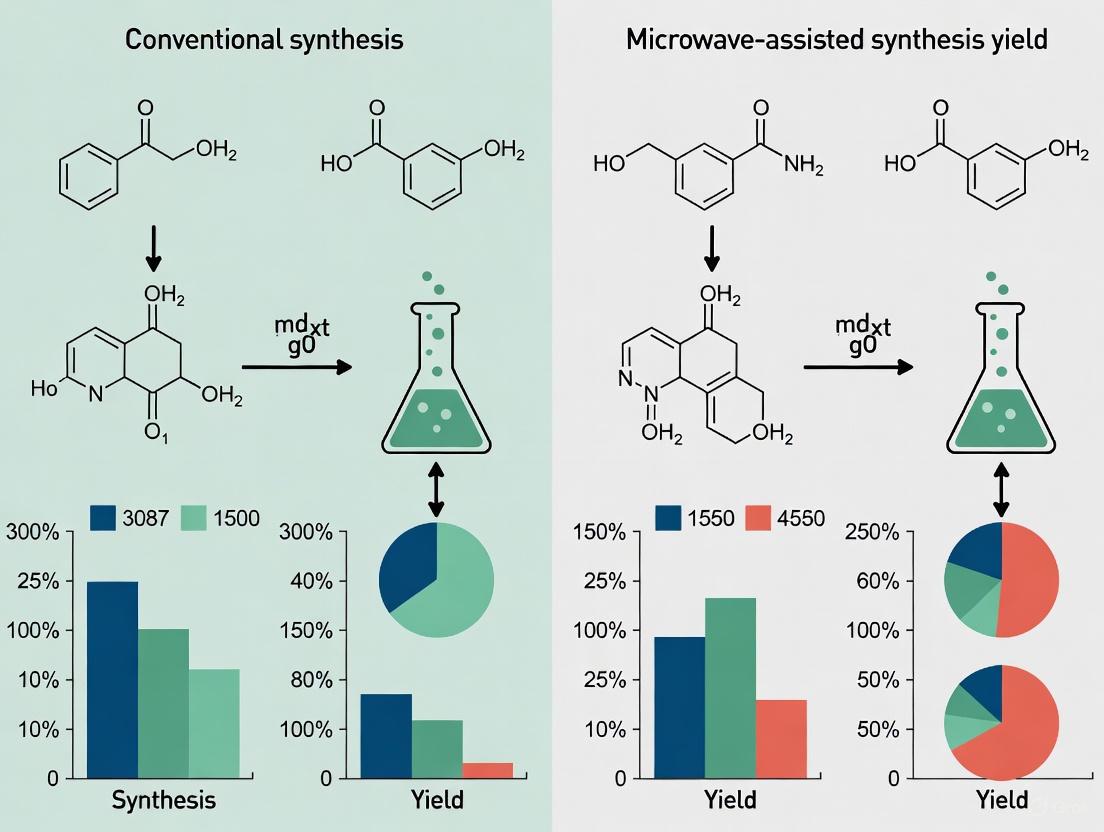
Microwave vs. Conventional Synthesis: A Comparative Analysis of Yield, Efficiency, and Green Chemistry Applications
This article provides a comprehensive comparative analysis of microwave-assisted and conventional synthetic methods, focusing on reaction yield, efficiency, and environmental impact.
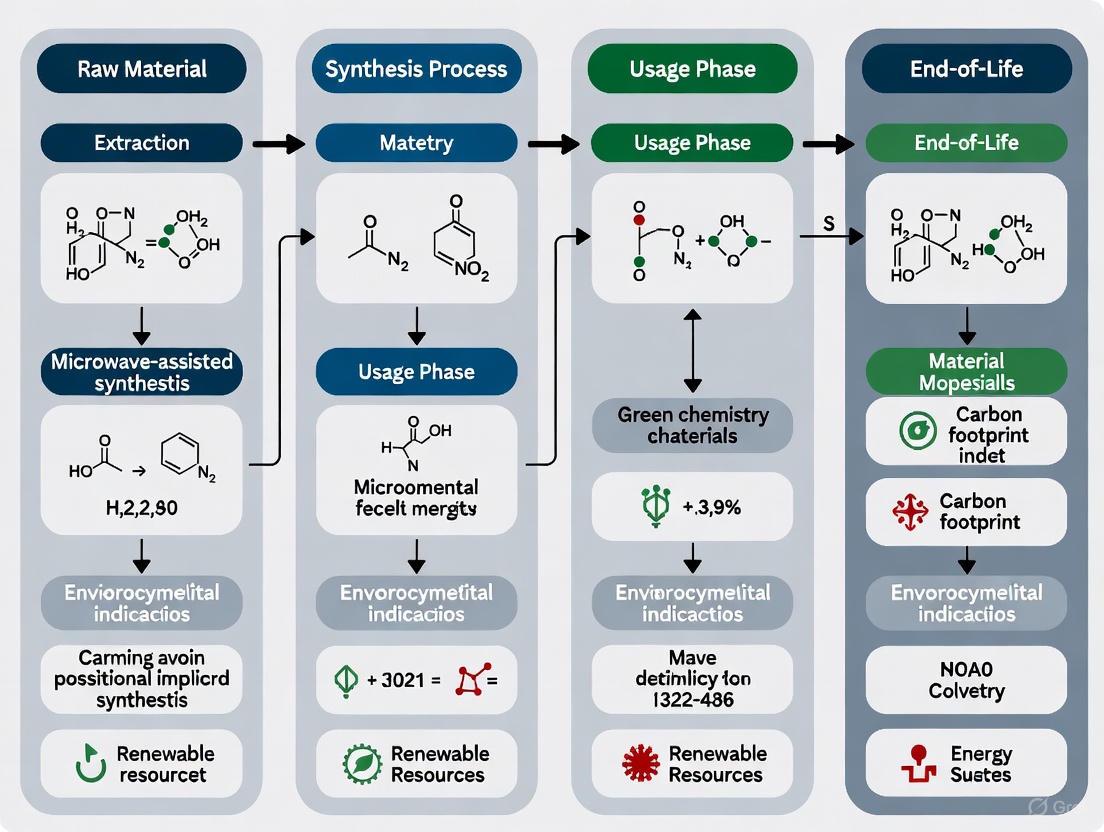
Life Cycle Assessment of Microwave-Assisted Synthesis: A Sustainable Pathway for Pharmaceutical and Nanomaterial Development
This article provides a comprehensive review of Life Cycle Assessment (LCA) applied to microwave-assisted synthesis, a rapidly emerging green chemistry technology.
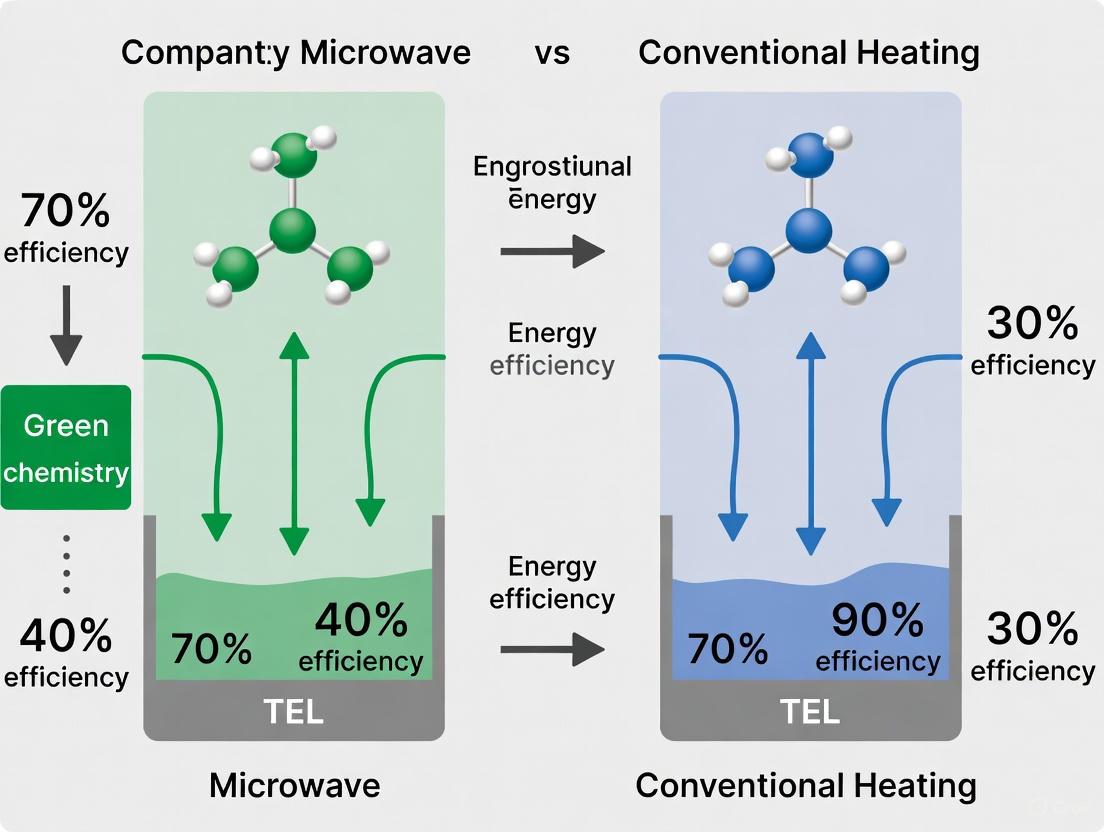
Microwave vs. Conventional Heating: A Scientific Analysis of Energy Efficiency and Its Applications in Biomedical Research
This article provides a comprehensive analysis of microwave and conventional heating technologies, focusing on their fundamental energy transfer mechanisms, comparative efficiency, and practical applications in scientific and drug development contexts.
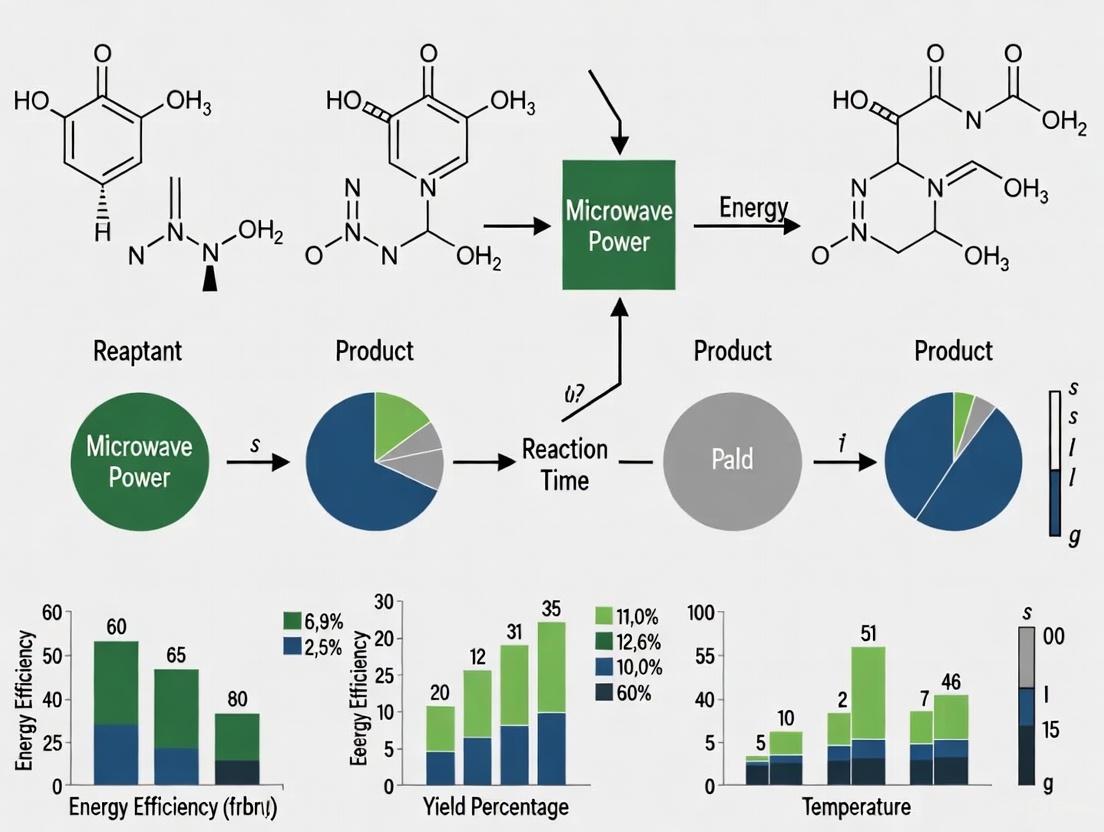
Optimizing Energy Consumption in Microwave Chemistry: Strategies for Efficient and Sustainable Research
This article provides a comprehensive overview of strategies for optimizing energy consumption in microwave-assisted chemistry, tailored for researchers, scientists, and drug development professionals.
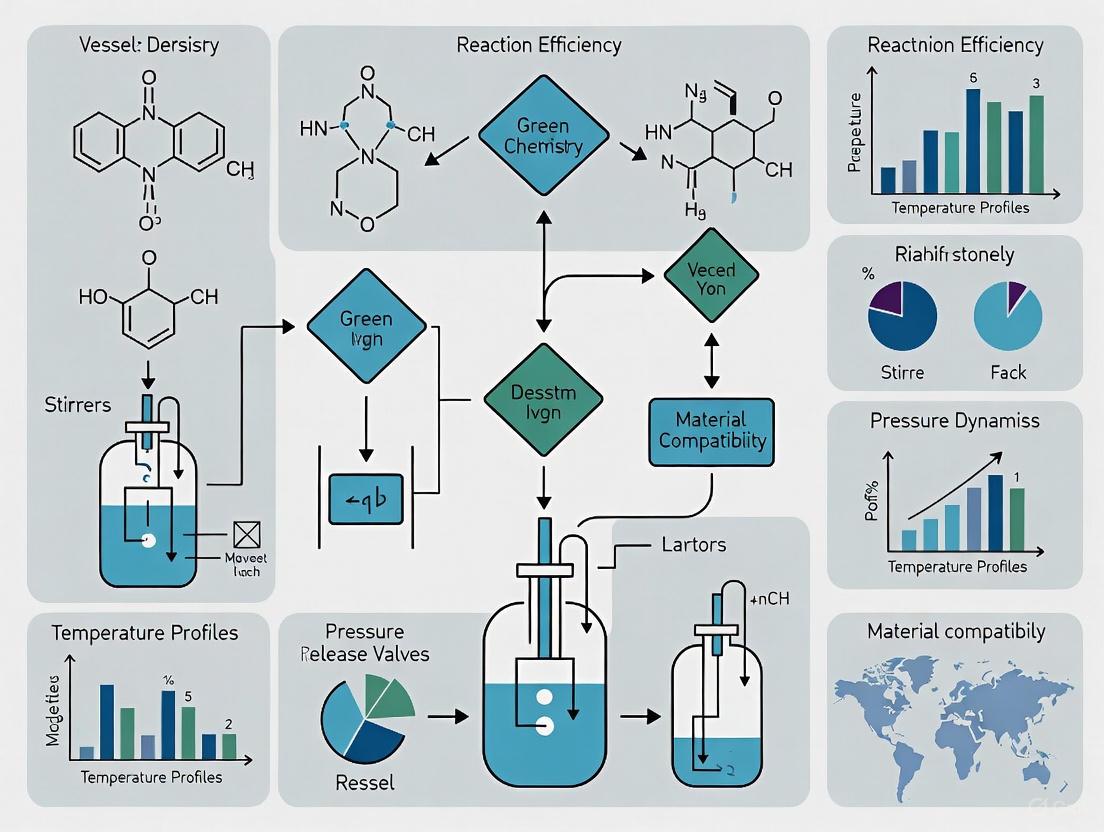
Microwave Reaction Vessel Design: Key Considerations for Optimized Synthesis and Digestion in Pharmaceutical Research
This article provides a comprehensive guide to microwave reaction vessel design, tailored for researchers and drug development professionals.
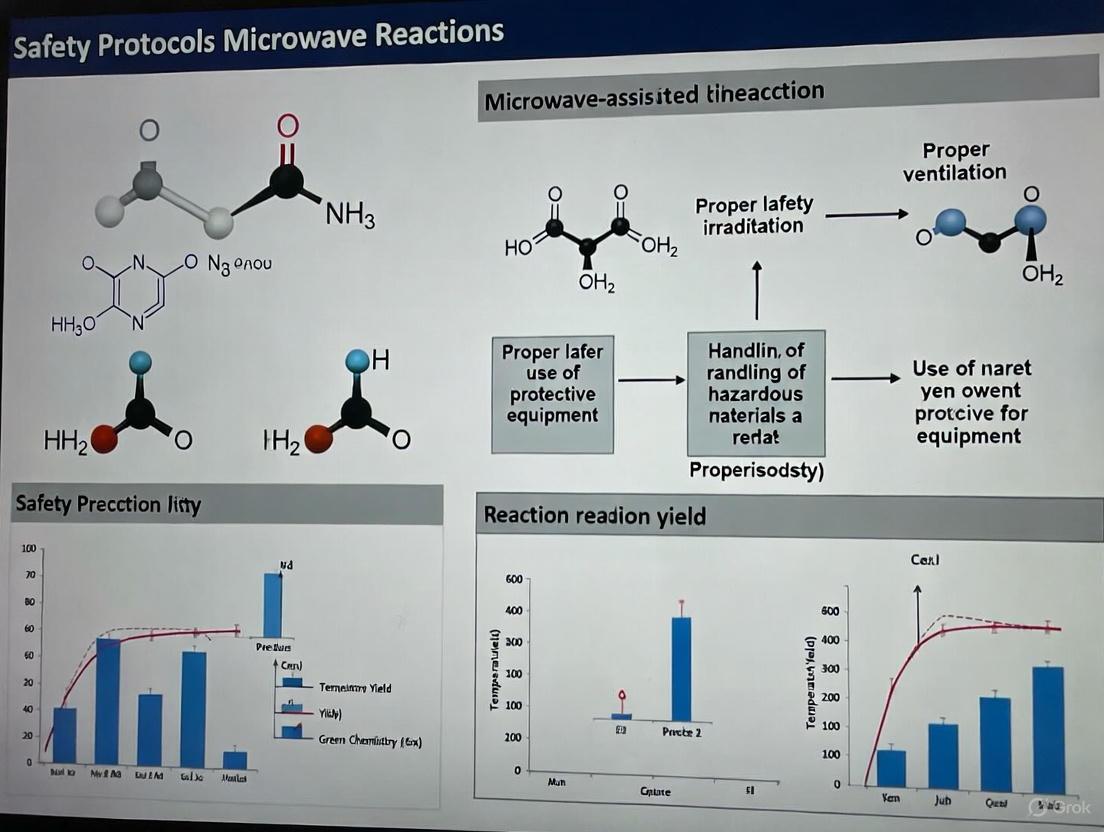
Essential Safety Protocols for Microwave Chemical Reactions: A Comprehensive Guide for Researchers
This article provides a critical guide to safety protocols for microwave-assisted chemical reactions, tailored for researchers, scientists, and drug development professionals.
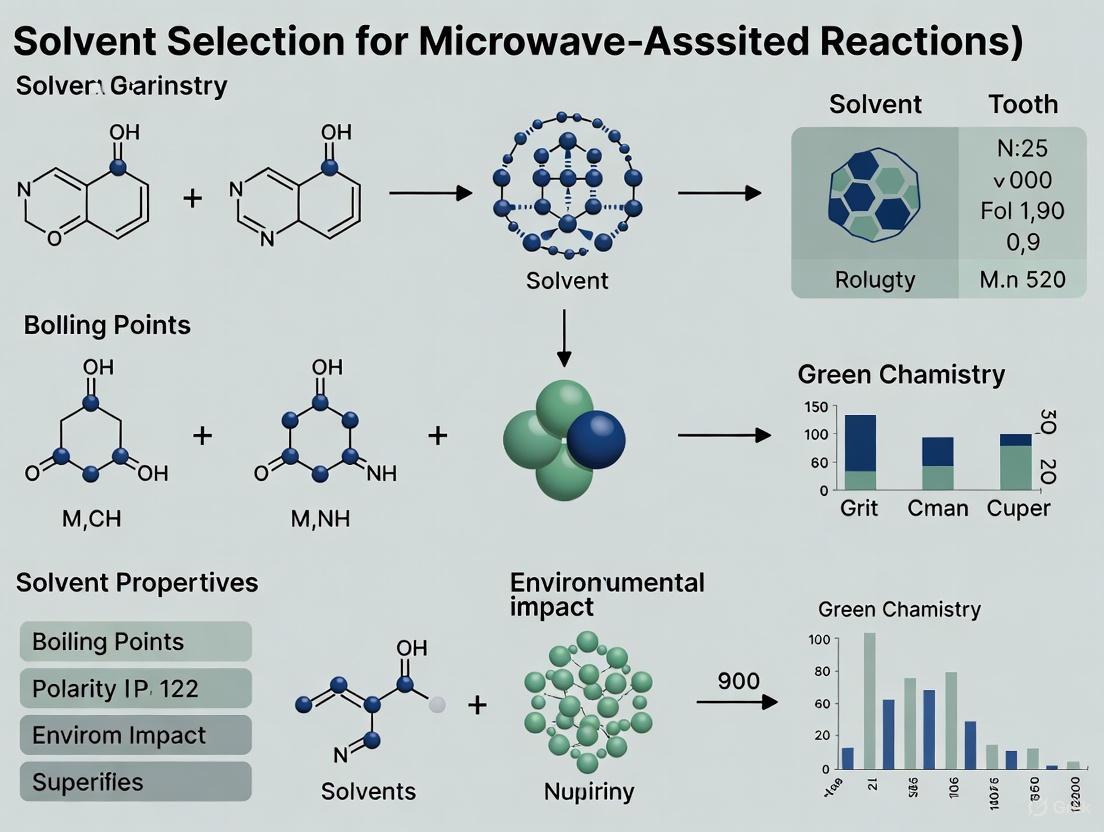
Microwave-Assisted Reaction Solvent Selection: A Comprehensive Guide for Pharmaceutical Researchers
This article provides a systematic guide for researchers and drug development professionals on selecting optimal solvents for microwave-assisted organic synthesis (MAOS).
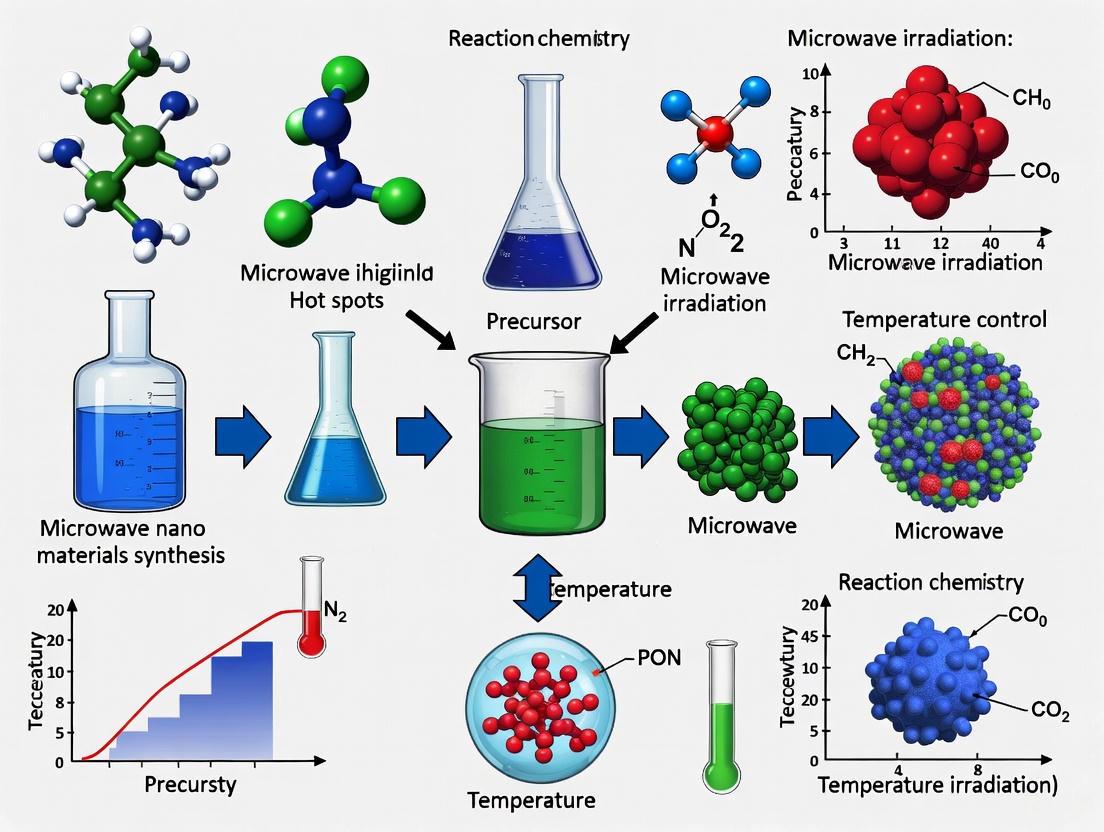
Preventing Hot Spots in Microwave Nanomaterial Synthesis: Strategies for Uniformity and Reproducibility
This article provides a comprehensive guide for researchers and scientists on preventing hot spots during microwave-assisted nanomaterial synthesis.
Achieving Reproducibility in Microwave-Assisted Synthesis: A Strategic Guide for Biomedical Researchers
Microwave-assisted synthesis (MAS) offers dramatic reductions in reaction times and improved yields, yet its full potential in biomedical research and drug development is hampered by reproducibility challenges.
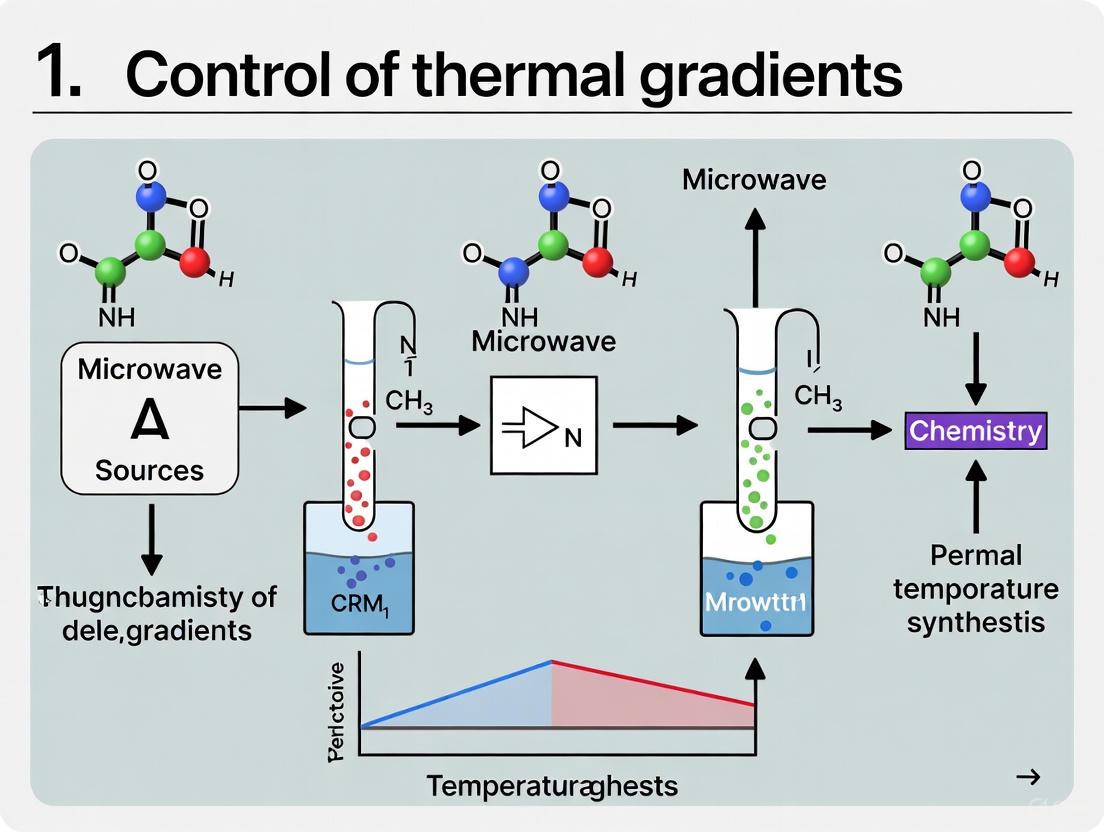
Mastering Thermal Gradients in Microwave Synthesis: A Scientific Guide for Enhanced Reproducibility and Efficiency
This article provides a comprehensive analysis of thermal gradient control in microwave-assisted synthesis, a critical challenge for researchers and drug development professionals.