Research Articles
Overcoming Matrix Effects in Complex Botanical HPTLC Analysis: Strategies for Accurate Quantification
This article provides a comprehensive guide for researchers and scientists engaged in the chemical analysis of complex botanical matrices using High-Performance Thin-Layer Chromatography (HPTLC).
Development and Validation of a Green Reversed-Phase HPTLC Method for the Analysis of Ertugliflozin in Pharmaceutical Tablets
This article presents a comprehensive guide to developing a green, stability-indicating reversed-phase high-performance thin-layer chromatography (RP-HPTLC) method for the analysis of Ertugliflozin in tablets.
Green HPTLC Method Validation in Pharma Analysis: A Sustainable Framework from Development to Compliance
This article provides a comprehensive guide for researchers and drug development professionals on validating High-Performance Thin-Layer Chromatography (HPTLC) methods aligned with green analytical chemistry (GAC) principles.
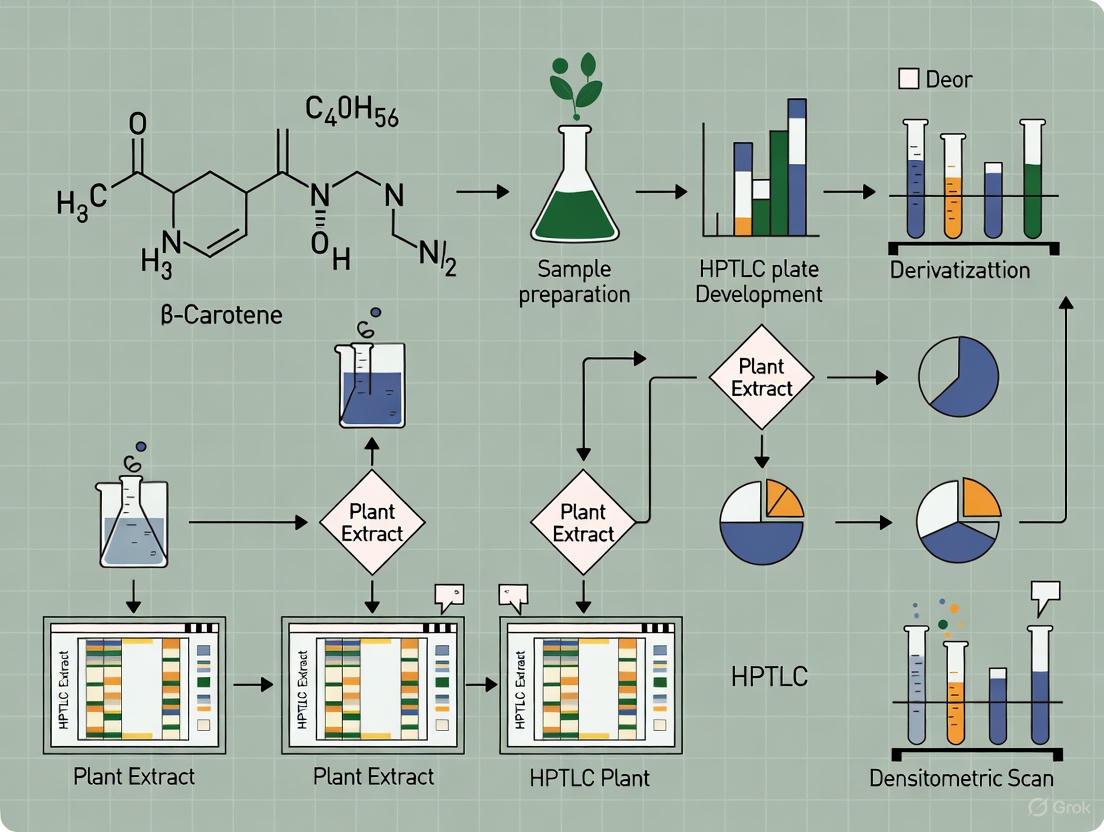
Green HPTLC-Densitometry for Beta-Carotene Analysis: A Sustainable Approach for Plant Extract Standardization
This article provides a comprehensive overview of the application of green High-Performance Thin-Layer Chromatography (HPTLC)-densitometry for the analysis of β-carotene in plant extracts.
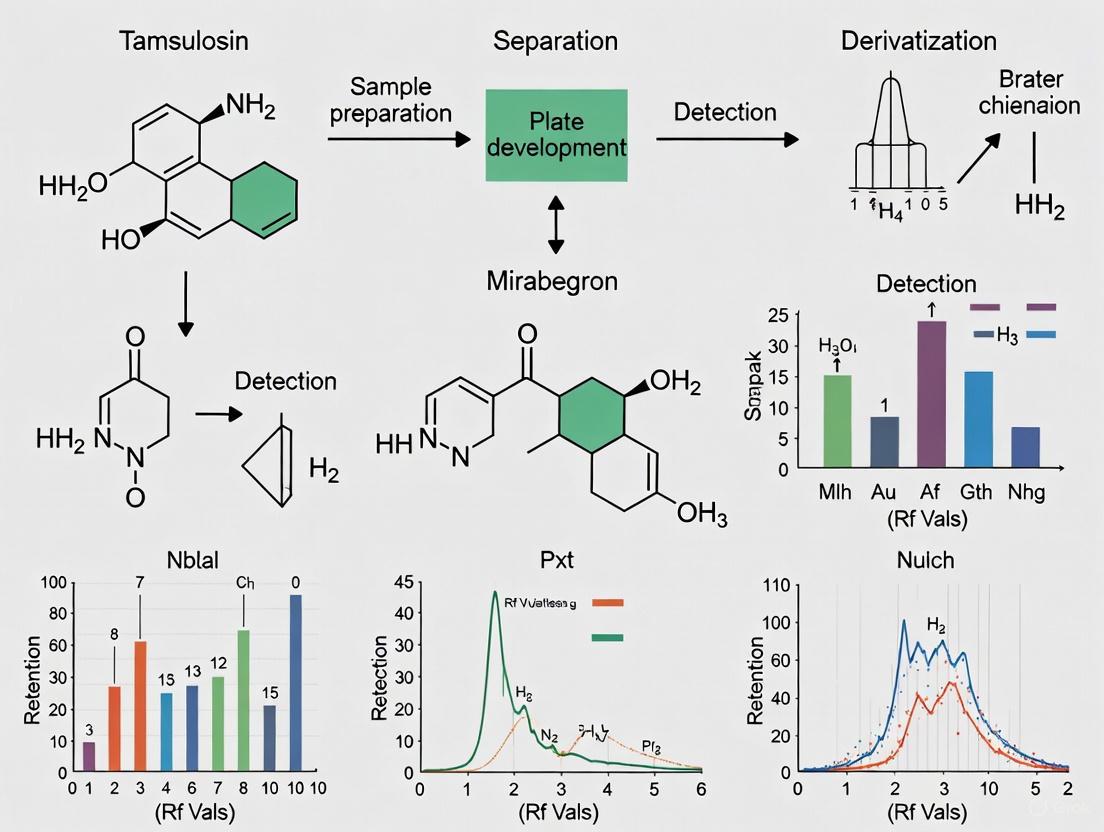
Development and Validation of a Green Stability-Indicating HPTLC Method for Simultaneous Determination of Tamsulosin and Mirabegron
This article presents a novel, green, and stability-indicating High-Performance Thin-Layer Chromatographic (HPTLC) method for the simultaneous quantification of tamsulosin (TAM) and mirabegron (MIR) in bulk and pharmaceutical dosage forms.
Green HPTLC for Simultaneous Drug Determination: Sustainable Methods, Applications, and Validation Strategies
This article provides a comprehensive overview of green High-Performance Thin-Layer Chromatography (HPTLC) for the simultaneous determination of multi-drug therapies.
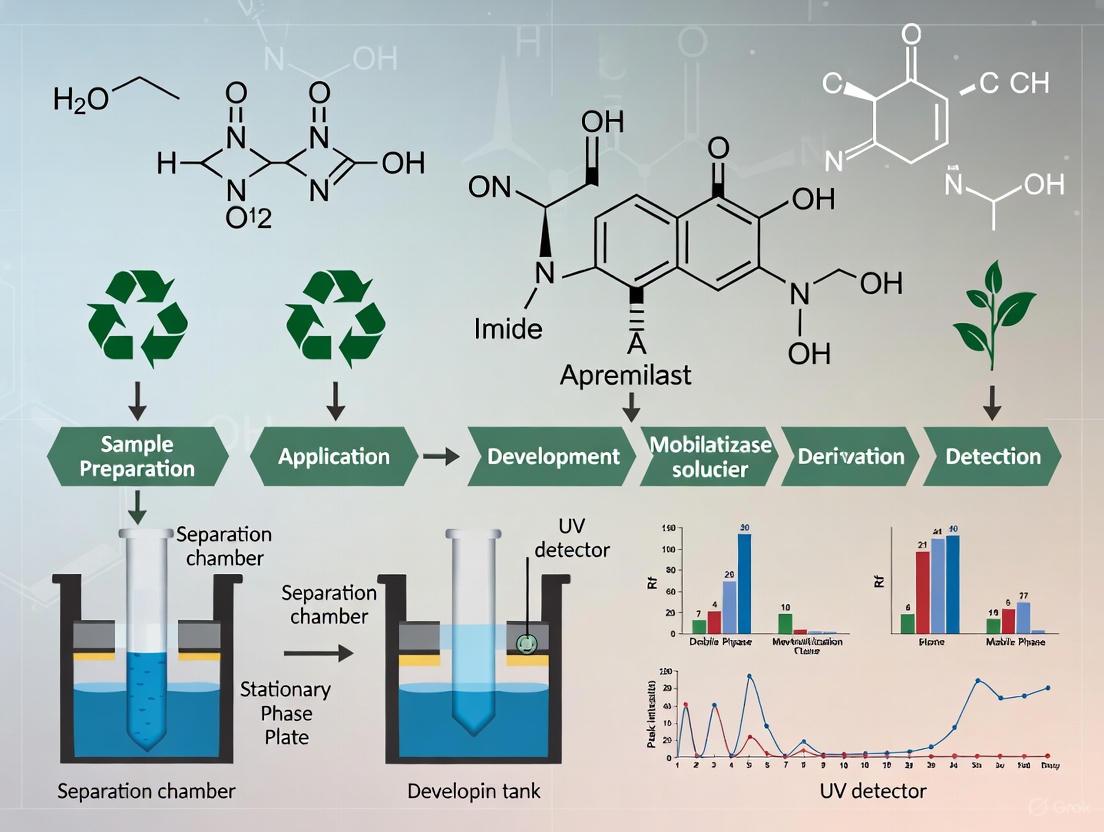
Development and Validation of a Green HPTLC Method for Apremilast Analysis Using Ethanol-Water Mobile Phase
This article presents a comprehensive guide to the development, optimization, and validation of a green reversed-phase high-performance thin-layer chromatography (RP-HPTLC) method for the analysis of Apremilast in pharmaceutical products and...
Green Sample Preparation for HPTLC: Sustainable Strategies for Modern Labs
This article provides a comprehensive guide for researchers and pharmaceutical professionals on implementing green sample preparation principles for High-Performance Thin-Layer Chromatography (HPTLC).
Green by Design: Sustainable Mobile Phase Strategies for Advanced HPTLC Analysis
This article provides a comprehensive guide for researchers and pharmaceutical analysts on designing and implementing eco-friendly mobile phases for High-Performance Thin-Layer Chromatography (HPTLC).
Ethanol-Water Mobile Phases in HPTLC: A Sustainable Strategy for Green Pharmaceutical Analysis
This article explores the strategic adoption of ethanol-water mobile phases in High-Performance Thin-Layer Chromatography (HPTLC) as a cornerstone of sustainable analytical chemistry.