Analytical Eco-Scale vs. AGREE: A Strategic Guide to Green Method Assessment for Pharmaceutical Scientists
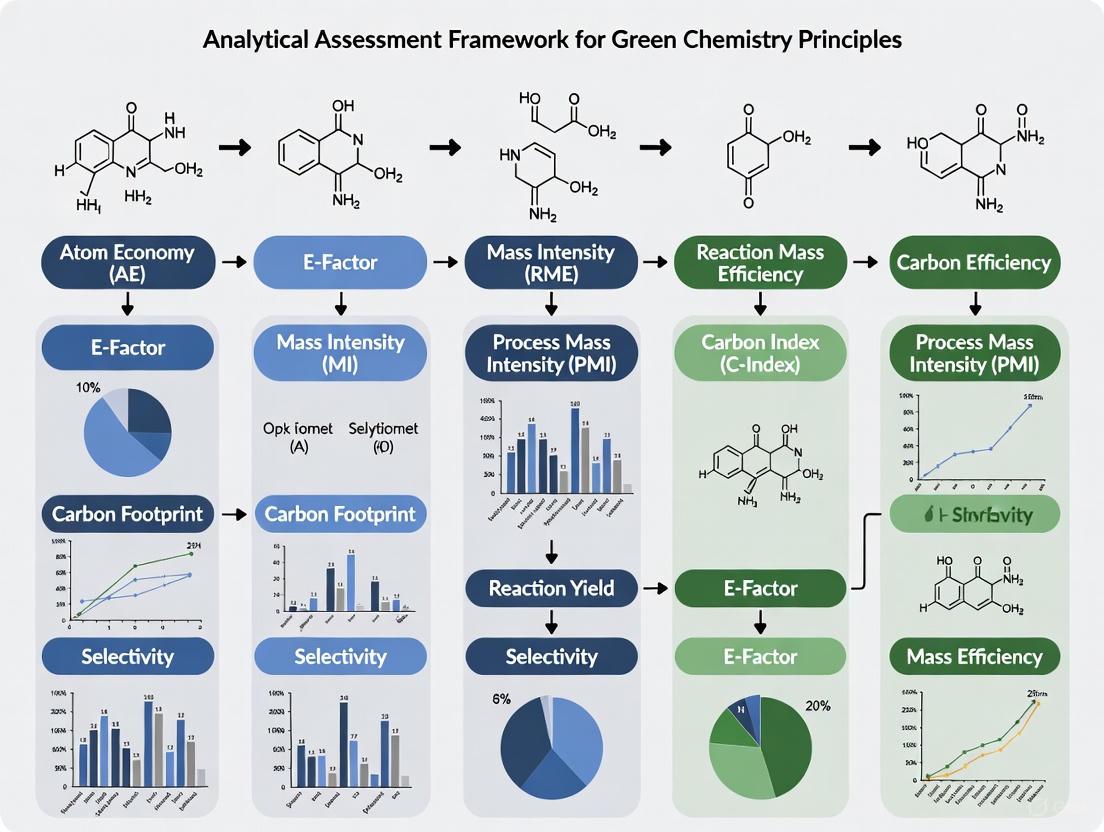
This article provides a comprehensive comparison of two pivotal green analytical chemistry (GAC) tools—the Analytical Eco-Scale and the AGREE metric—tailored for researchers and professionals in drug development. It explores the foundational principles, scoring methodologies, and visual outputs of each system, guiding the selection of the most appropriate tool for specific pharmaceutical applications. Through practical case studies, such as the determination of atorvastatin, and integration with broader frameworks like White Analytical Chemistry (WAC), we demonstrate how to troubleshoot limitations, optimize assessments, and validate method sustainability. This guide empowers scientists to make informed decisions, ensuring their analytical methods are not only scientifically robust but also environmentally responsible.
Analytical Eco-Scale vs. AGREE: A Strategic Guide to Green Method Assessment for Pharmaceutical Scientists
Abstract
This article provides a comprehensive comparison of two pivotal green analytical chemistry (GAC) tools—the Analytical Eco-Scale and the AGREE metric—tailored for researchers and professionals in drug development. It explores the foundational principles, scoring methodologies, and visual outputs of each system, guiding the selection of the most appropriate tool for specific pharmaceutical applications. Through practical case studies, such as the determination of atorvastatin, and integration with broader frameworks like White Analytical Chemistry (WAC), we demonstrate how to troubleshoot limitations, optimize assessments, and validate method sustainability. This guide empowers scientists to make informed decisions, ensuring their analytical methods are not only scientifically robust but also environmentally responsible.
Understanding the Core Principles: A Deep Dive into Analytical Eco-Scale and AGREE
Defining Green Analytical Chemistry (GAC) in Pharmaceutical Contexts
Green Analytical Chemistry (GAC) represents a transformative approach within analytical science, focusing on the development and application of methodologies that minimize environmental impact while maintaining high analytical standards [1] [2]. In the pharmaceutical industry, where analytical testing is ubiquitous from drug discovery to quality control, adopting GAC principles addresses significant sustainability challenges posed by traditional methods that often consume large volumes of toxic solvents and generate substantial hazardous waste [1] [3]. The foundation of GAC lies in its 12 principles, which provide a comprehensive framework for designing safer, more environmentally benign analytical processes [1] [2] [4]. These principles prioritize waste prevention, safer solvents, energy efficiency, and real-time analysis for pollution prevention, collectively guiding the transformation of pharmaceutical analysis toward ecological responsibility [2].
The drive toward GAC in pharmaceuticals is further motivated by tightening environmental regulations, economic efficiency through reduced reagent consumption, and enhanced safety for laboratory personnel [1]. As the pharmaceutical market continues to expand—projected to grow from USD 1,999.24 billion in 2025 to USD 3,518.90 billion by 2032—the cumulative environmental footprint of analytical testing becomes increasingly significant [5]. Consequently, understanding, implementing, and accurately assessing green methodologies has become imperative for drug development professionals seeking to align analytical practices with broader corporate and regulatory sustainability goals.
Principles and Assessment Frameworks of GAC
The 12 Principles of Green Analytical Chemistry
GAC operationalizes the broader concepts of green chemistry into analytical practice through 12 dedicated principles that serve as a strategic framework for sustainable method development [4]. These principles, encapsulated by the SIGNIFICANCE mnemonic, encompass direct analytical techniques to avoid sample treatment, minimal sample size and number, integration of steps and automation, reduction of reagent consumption, methodological validation for operator safety, elimination of reagent derivatives, energy-efficient procedures, multi-analyte determinations, biodegradability of reagents, natural reagent utilization, green procurement, and operator safety assurance [3]. In pharmaceutical contexts, this principled approach encourages practices such as miniaturizing extraction procedures, replacing acetonitrile with greener alternatives in HPLC, adopting energy-efficient instrumentation, and implementing in-line detection that collectively reduce the ecological footprint of quality control and research laboratories [1] [2].
Evolution of Greenness Assessment Tools
The effective implementation of GAC requires robust metrics to evaluate and compare the environmental performance of analytical methods. Early assessment tools like the National Environmental Methods Index (NEMI) provided simple pictograms indicating basic compliance with environmental criteria but offered limited granularity [4] [6]. The field has since evolved toward more sophisticated, quantitative tools that enable comprehensive evaluation of entire analytical workflows [7] [6].
The Analytical Eco-Scale represents a significant advancement as a quantitative assessment tool that penalizes methods for hazardous reagent use, energy consumption, and waste generation [4] [6]. Methods are scored against an ideal green analysis (100 points), with penalty points subtracted for non-green attributes, allowing straightforward comparison between methodologies [4]. The Green Analytical Procedure Index (GAPI) further expanded assessment capabilities with a color-coded pictogram evaluating five key areas: sample collection, preservation and transport, sample preparation, reagents and chemicals, instrumentation, and method type [7] [4].
The most recent innovation, the Analytical GREEnness (AGREE) metric, incorporates all 12 GAC principles into a unified evaluation framework [1] [4] [6]. AGREE provides both a comprehensive pictogram and a numerical score between 0 and 1, offering an intuitive visual representation of methodological greenness while facilitating direct comparison between alternative approaches [1] [6]. These tools have become essential for pharmaceutical scientists seeking to validate the environmental credentials of their analytical methods alongside traditional performance parameters.
Comparative Analysis: Analytical Eco-Scale vs. AGREE
Fundamental Characteristics and Scoring Mechanisms
The selection of an appropriate greenness assessment tool is critical for accurate environmental evaluation of pharmaceutical methods. Analytical Eco-Scale and AGREE represent two prominent but philosophically distinct approaches to greenness quantification.
Analytical Eco-Scale employs a penalty-point system against an ideal green analysis benchmark of 100 points [4] [6]. Points are deducted for amounts of hazardous reagents and solvents, energy consumption exceeding 0.1 kWh per sample, and generated waste [4]. This straightforward approach produces a final score categorizable as: >75 (excellent green analysis), 50-75 (acceptable green analysis), and <50 (insufficient green analysis) [4].
AGREE utilizes a weighted calculation based on all 12 GAC principles, generating a score from 0-1 alongside a circular pictogram with 12 sections, each representing one principle and colored from red (non-compliant) to dark green (fully compliant) [1] [6]. The tool incorporates user-defined weighting to reflect methodological priorities, enhancing flexibility for specific pharmaceutical applications where certain principles may be more critical [6].
Table 1: Fundamental Characteristics of Analytical Eco-Scale and AGREE
| Characteristic | Analytical Eco-Scale | AGREE |
|---|---|---|
| Assessment Type | Quantitative scoring | Quantitative scoring with visual pictogram |
| Theoretical Basis | Penalty points against ideal green analysis | Compliance with 12 GAC principles |
| Output Range | 0-100 points | 0-1 score |
| Visual Component | No | 12-segment circular pictogram |
| Weighting Flexibility | Fixed penalty system | User-definable principle weighting |
| Pharmaceutical Application | Method comparison and classification | Comprehensive method development and validation |
Comparative Performance in Pharmaceutical Method Assessment
When applied to pharmaceutical analysis, both tools demonstrate distinct strengths and limitations. Analytical Eco-Scale provides an accessible, straightforward calculation particularly valuable for initial method screening and educational contexts [4]. However, its binary penalty system lacks granularity in assessing principle-specific compliance and may oversimplify complex environmental trade-offs [6].
AGREE offers a more nuanced, comprehensive evaluation that aligns with pharmaceutical quality by design (QbD) principles through its structured assessment of all GAC dimensions [6]. The visual output facilitates rapid identification of methodological weaknesses for targeted improvement—a valuable feature during method development [1] [6]. However, this comprehensiveness introduces greater complexity and potential subjectivity in scoring, particularly for analysts less familiar with GAC principles [6].
Table 2: Performance Comparison for Pharmaceutical Applications
| Assessment Aspect | Analytical Eco-Scale | AGREE |
|---|---|---|
| Sample Preparation | Penalty points for solvent toxicity and volume | Separate evaluation of multiple preparation parameters |
| Reagent Toxicity | Binary assessment with penalty points | Graduated assessment with principle weighting |
| Energy Consumption | Penalty for >0.1 kWh/sample | Integrated energy efficiency evaluation |
| Waste Generation | Penalty points for waste amount | Comprehensive waste management assessment |
| Operator Safety | Indirectly addressed through reagent penalties | Explicitly evaluated as dedicated principle |
| Method Validation | Limited to environmental aspects only | Can be integrated with analytical performance |
| Throughput Consideration | Not directly addressed | Included as part of principle assessment |
Case Study: Pharmaceutical Method Evaluation
A comparative study of stability-indicating RP-HPLC methods for selexipag quantification demonstrates the practical application differences between these tools [7]. The method utilized liquid chromatography with toxic solvents and generated significant waste. Analytical Eco-Scale assigned a score of 62 (acceptable green analysis), primarily penalizing acetonitrile usage and waste generation [7].
AGREE provided a more nuanced assessment with a score of 0.56, with the pictogram revealing low compliance in principles related to derivatization, waste quantity, and operator safety [7] [6]. This granular identification enabled targeted greening through microextraction techniques and solvent substitution, ultimately improving the AGREE score to 0.72 [7]. The case illustrates how AGREE's structured approach provides specific guidance for methodological improvement beyond the general scoring of Analytical Eco-Scale.
The Scientist's Toolkit: Essential Reagents and Materials
Implementing GAC principles in pharmaceutical analysis requires strategic selection of reagents and materials to minimize environmental impact while maintaining analytical performance.
Table 3: Research Reagent Solutions for Green Pharmaceutical Analysis
| Reagent/Material | Function in Pharmaceutical Analysis | Green Attributes |
|---|---|---|
| Water-based solvents | Alternative mobile phase in chromatography | Reduces VOC emissions and toxicity [2] |
| Supercritical COâ‚‚ | Extraction and chromatography solvent | Non-toxic, non-flammable, recyclable [2] |
| Ionic liquids | Extraction media and separation enhancers | Minimal volatility, tunable properties [2] |
| Bio-based solvents | Replacement for petroleum-derived solvents | Renewable feedstocks, biodegradable [2] |
| Solid-phase microextraction (SPME) | Sample preparation and concentration | Solventless, minimal waste generation [2] |
| Miniaturized sensors | In-line detection and monitoring | Reduced reagent consumption, real-time analysis [1] |
| Activated carbon | Wastewater treatment for pharmaceutical residues | Effective adsorption, recyclable, reduces environmental discharge [8] |
| Curguligine B | Curguligine B, CAS:143601-10-9, MF:C19H26Cl2O11, MW:501.3 g/mol | Chemical Reagent |
| Efrapeptin F | Efrapeptin F|1635.1 g/mol|CAS 131353-66-7 | Efrapeptin F is a fungal peptide inhibitor of mitochondrial F1F0-ATPase and Hsp90. For Research Use Only. Not for human or veterinary use. |
Advanced Concepts: White Analytical Chemistry and Lifecycle Assessment
Integrating Analytical and Practical Performance
While GAC focuses primarily on environmental impact, the emerging framework of White Analytical Chemistry (WAC) provides a more comprehensive evaluation paradigm balancing three equally important dimensions: environmental sustainability (green), analytical efficacy (red), and practical/economic feasibility (blue) [3]. This holistic approach addresses a critical limitation of standalone green assessments by acknowledging that environmentally ideal methods may be analytically or practically unsuitable for pharmaceutical applications [3].
The WAC framework encourages pharmaceutical scientists to make balanced decisions, such as accepting moderately higher solvent consumption for substantially improved sensitivity in trace active pharmaceutical ingredient (API) quantification [3]. Method "whiteness" represents the optimal integration of all three dimensions, providing a more realistic sustainability assessment for regulated pharmaceutical environments where analytical performance and validation robustness cannot be compromised [3].
Lifecycle Assessment in Pharmaceutical Analysis
Lifecycle Assessment (LCA) represents another advanced approach that evaluates environmental impacts across the entire analytical method lifecycle, from reagent production and instrument manufacturing to waste disposal [2]. This comprehensive perspective captures often-overlooked environmental burdens, such as energy-intensive instrument production or agricultural impacts of bio-based solvents [2].
For pharmaceutical companies, LCA enables more meaningful environmental impact comparisons between methods, such as evaluating whether the green credentials of supercritical fluid chromatography justify capital investment in new instrumentation [2]. While method-specific LCA remains resource-intensive for routine assessment, its integration with simpler metrics like AGREE provides a multi-scale evaluation approach suitable for different decision-making contexts within drug development organizations [2].
Experimental Protocols for Greenness Assessment
AGREE Assessment Methodology
Principle: Evaluate analytical method compliance with 12 GAC principles through quantitative scoring and visual presentation [1] [6].
Procedure:
- Data Collection: Compile complete methodological details including sample preparation, reagents, instrumentation, energy consumption, waste generation, and throughput [6].
- Software Implementation: Utilize freely available AGREE software (https://mostwiedzy.pl/AGREE) [6].
- Parameter Input: Score each of the 12 principles (0-1) based on method compliance, considering:
- Weighting Assignment: Assign priority weights to principles based on application context (default: equal weighting) [6].
- Calculation: Software computes overall score (0-1) and generates colored pictogram [1] [6].
- Interpretation: Higher scores indicate superior greenness; pictogram reveals specific compliance areas [6].
Analytical Eco-Scale Assessment Methodology
Principle: Quantify method greenness through penalty points deducted from ideal score of 100 [4].
Procedure:
- Baseline Establishment: Begin with 100 points representing ideal green analysis [4].
- Reagent Assessment: Subtract penalty points for hazardous reagents:
- 1-10 points for toxicity (higher penalties for more hazardous compounds)
- Additional points for amounts >10 mL/sample [4]
- Energy Evaluation: Subtract 1 point if energy consumption exceeds 0.1 kWh/sample [4].
- Waste Calculation: Subtract 1-5 points based on waste amount and hazard [4].
- Final Scoring: Total remaining points categorized as: >75 (excellent green), 50-75 (acceptable green), <50 (insufficient green) [4].
The pharmaceutical industry's adoption of Green Analytical Chemistry represents both an environmental imperative and strategic opportunity to enhance operational efficiency and safety. Analytical Eco-Scale and AGREE offer complementary approaches for quantifying methodological greenness, with Analytical Eco-Scale providing accessible initial screening and AGREE delivering comprehensive, principle-specific assessment for method development and optimization. The emerging framework of White Analytical Chemistry further enriches this landscape by integrating environmental sustainability with analytical performance and practical feasibility, enabling pharmaceutical scientists to make balanced decisions that advance both ecological goals and drug development objectives. As greenness metrics continue to evolve alongside analytical technologies, their systematic application promises to transform pharmaceutical analysis into a more sustainable enterprise without compromising the rigorous quality standards essential for patient safety and therapeutic efficacy.
Green Analytical Chemistry (GAC) aims to mitigate the adverse effects of analytical activities on human health, safety, and the environment [9]. The development of tools to assess the environmental impact and safety of analytical methods is a fundamental aspect of GAC. Among the various metrics available, the Analytical Eco-Scale and AGREE (Analytical GREEnness) are two prominent methods used to evaluate and compare the greenness of analytical procedures [10]. This guide provides a detailed comparison of these tools, focusing on the penalty-point system of the Analytical Eco-Scale, to aid researchers, scientists, and drug development professionals in selecting and applying these assessments effectively.
The Analytical Eco-Scale: Principles and Penalty Point System
The Analytical Eco-Scale is a semi-quantitative greenness assessment tool that evaluates an analytical method based on the calculation of penalty points [11]. It provides a clear, numerical score that represents the method's environmental impact and safety profile.
How the Penalty Point System Works
The assessment begins with a base score of 100 points. Penalty points are then subtracted for each element of the analytical procedure that deviates from ideal green conditions. The factors considered for penalty points include [11] [12]:
- Reagents: Amount used, toxicity, and environmental impact.
- Energy Consumption: The type and amount of energy consumed per sample.
- Occupational Hazards: Risks to the operator, such as exposure to corrosive, flammable, or explosive substances.
- Waste Generation: The quantity and hazardous nature of waste produced.
A higher final score indicates a greener analytical method. Generally, a score above 75 represents an excellent green analysis, a score above 50 is acceptable, and a score below 50 signifies an inadequate green analysis [12].
Example Penalty Point Calculation
The diagram below illustrates the logical workflow for calculating an Analytical Eco-Scale score.
Comparative Analysis: Analytical Eco-Scale vs. AGREE
While the Analytical Eco-Scale uses a penalty-point system, AGREE is a more recent metric that offers a comprehensive, multi-criteria assessment. The table below summarizes the core characteristics of these two tools.
Table 1: Fundamental Comparison Between Analytical Eco-Scale and AGREE
| Feature | Analytical Eco-Scale | AGREE |
|---|---|---|
| Assessment Type | Semi-quantitative | Comprehensive, multi-criteria |
| Scoring System | Penalty points subtracted from 100 | Weighted score from 0 to 1 (with 1 being ideal) |
| Output | Single numerical score | Pictogram with a circular scale and a central score |
| Criteria Scope | Focuses on reagents, energy, hazards, and waste | Evaluates all 12 principles of GAC |
| Ease of Use | Straightforward calculation | Requires more detailed input but provides a holistic view |
| Visual Output | Numerical score only | Informative, color-coded pictogram |
Experimental Data from Comparative Studies
A 2025 review directly compared several GAC metric tools, including AGREE and the Analytical Eco-Scale, for methods determining Atorvastatin in pharmaceuticals [13]. The results demonstrate how these tools can be applied synergistically.
Table 2: Greenness Assessment Scores for Atorvastatin Determination Methods [13]
| Analytical Technique | Analytical Eco-Scale Score | AGREE Score |
|---|---|---|
| Ultraviolet Spectrophotometry | 91 | 0.86 |
| High-Performance Liquid Chromatography (HPLC) | 79 | 0.54 |
| Ultra-Pressure Liquid Chromatography | Data not specified | Data not specified |
| Liquid Chromatography-Mass Spectrophotometry | Data not specified | Data not specified |
The study concluded that using multiple assessment tools is highly effective for obtaining synergistic results and enhancing the understanding of GAC principles [13].
Case Study: Greenness Assessment of Fatty Acid Analysis in Milk
A 2022 study compared eight methods based on alkaline methylation for the analysis of fatty acids in cow's milk using several greenness assessment tools, including the Analytical Eco-Scale [11]. This provides a practical example of the penalty system in action.
Experimental Protocol for Method Comparison
The methodological comparison was conducted as follows [11]:
- Sample Preparation: Eight different methods for milk fat methylation were selected, including the Folch and Rose-Gottlieb methods. A key variation was the evaluation of a direct milk methylation method that omitted the initial lipid separation step.
- Chromatographic Analysis: Fatty acid methyl esters (FAMEs) were analyzed using Gas Chromatography with a Flame Ionization Detector (GC-FID). The column and temperature program were optimized to separate over 20 different fatty acids.
- Quantification: Experimental response factors (ERFs) for FAME quantification were determined and compared against theoretical correction factors to ensure high accuracy, particularly for short-chain fatty acids.
- Greenness Assessment: The prepared samples were then evaluated using the Analytical Eco-Scale, AGREEprep, and the Green Analytical Procedure Index (GAPI).
Results and Key Findings
The study found that the direct milk methylation method received the highest greenness scores [11]. Omitting the lipid separation step significantly reduced the amount of toxic chemicals and reagents used, produced less waste, and offered higher throughput and reduced cost. This outcome is clearly reflected in a higher Analytical Eco-Scale score, as the method incurs fewer penalty points for hazardous reagents and waste.
The Scientist's Toolkit: Essential Reagents and Materials
The following table details key reagents and materials commonly used in developing green analytical methods, such as those in the milk fatty acid case study, along with their eco-friendly considerations.
Table 3: Key Research Reagent Solutions and their Functions in Green Analysis
| Reagent/Material | Function in Analysis | Green Considerations |
|---|---|---|
| Alkaline Catalysts (e.g., NaOH, KOH) | Catalyzes the transesterification of lipids into Fatty Acid Methyl Esters (FAMEs) for GC analysis [11]. | Preferable to some toxic alternatives like BF₃; but concentration and quantity must be optimized to minimize waste and hazard [11]. |
| Methanol | Solvent for the methylation reaction [11]. | A common, relatively volatile solvent. Its amount should be minimized, and proper waste disposal is crucial. |
| Hexanesulfonic Acid | Ion-pairing reagent in HPLC mobile phase to aid separation [12]. | Using minimal concentrations, as demonstrated in the eco-friendly HPLC method (0.1%), reduces environmental load [12]. |
| Acetonitrile | Organic modifier in HPLC mobile phases [12]. | Considered hazardous. A key goal of green HPLC is to reduce its volume or replace it with greener solvents like ethanol [14]. |
| Solid Phase Microextraction (SPME) Fibers | Solvent-free extraction and pre-concentration of analytes from samples [10]. | Eliminates the need for large volumes of organic solvents during sample preparation, making it a premier green technique [10]. |
| Primary Secondary Amine (PSA) | Sorbent in QuEChERS for sample clean-up, removing interfering matrix components [14]. | Enables efficient clean-up with minimal sorbent and solvent use, aligning with green principles of waste reduction [14]. |
| Sodium Imidazole | Sodium Imidazole, CAS:5587-42-8, MF:C3H4N2Na+, MW:90.06 g/mol | Chemical Reagent |
| N-Methyldibutylamine | N-Methyldibutylamine, CAS:3405-45-6, MF:C9H21N, MW:143.27 g/mol | Chemical Reagent |
AGREE: A Complementary Multi-Criteria Approach
AGREE offers a different but complementary approach by evaluating all 12 principles of Green Analytical Chemistry [10]. The diagram below outlines the logical relationship between the 12 GAC principles and the AGREE assessment output.
The choice between Analytical Eco-Scale and AGREE depends on the specific needs of the assessment. The Analytical Eco-Scale is ideal for a quick, straightforward evaluation focused on the most impactful factors like reagent hazard and waste. In contrast, AGREE provides a more holistic, in-depth picture of a method's environmental performance against all GAC principles.
For comprehensive method development and validation, the synergistic use of both tools is recommended. This multi-tool approach, as demonstrated in the atorvastatin and milk fatty acid studies, provides a balanced and robust understanding of a method's greenness, helping researchers and drug development professionals make informed decisions to advance sustainable science [13] [11] [10].
The growing emphasis on sustainability has propelled Green Analytical Chemistry (GAC) to the forefront of modern scientific practice. GAC principles aim to minimize the environmental impact of analytical methods by reducing hazardous waste, lowering energy consumption, and promoting operator safety [15]. This paradigm shift necessitates reliable tools to quantify and validate the ecological footprint of analytical procedures. Several assessment metrics have emerged, including the Analytical Eco-Scale, the Green Analytical Procedure Index (GAPI), and the National Environmental Methods Index (NEMI) [16] [15].
Among these, the Analytical GREEnness (AGREE) metric has gained significant traction for its comprehensive and user-friendly approach. Unlike its predecessors, AGREE offers a holistic evaluation by incorporating all 12 principles of GAC into a single, easily interpretable score [13] [15]. This article provides a detailed comparison of the AGREE metric against other prominent greenness assessment tools, framing the discussion within the broader research context of analytical eco-scale assessments. We will summarize quantitative performance data, delineate experimental protocols, and provide visualizations to guide researchers, scientists, and drug development professionals in selecting and applying these critical sustainability benchmarks.
The 12 Principles of Green Analytical Chemistry
The AGREE metric is distinguished by its foundation on the 12 core principles of GAC. Each principle is assigned a segment in its signature circular pictogram, providing a multi-faceted view of an method's environmental impact. The principles cover a wide range of factors, including the use of hazardous chemicals, energy consumption, waste generation, operator safety, and the potential for miniaturization and automation [15]. By evaluating all 12 principles simultaneously, AGREE prevents critical environmental shortcomings from being obscured by a high overall score, a limitation observed in earlier, simpler metrics.
Scoring System and Pictogram Interpretation
The AGREE tool calculates a final score between 0 and 1, where 1 represents ideal greenness [15]. The assessment is performed using freely available software, where users input data related to the 12 GAC principles [17]. The output is an intuitive, clock-like pictogram where each of the 12 segments corresponds to a GAC principle. The color of each segment and the final score displayed in the center provide an immediate visual assessment: deep green indicates a high level of compliance, while red highlights areas of environmental concern [16] [15]. This visual output allows for quick identification of a method's specific weaknesses, guiding efforts toward its optimization.
AGREEprep: A Complementary Tool for Sample Preparation
Recognizing that sample preparation is often the most resource-intensive step, a complementary tool called AGREEprep was developed. This metric focuses specifically on the sample preparation workflow, evaluating it against 10 principles of Green Sample Preparation (GSP) [15]. AGREEprep follows a similar scoring and pictogram model, enabling researchers to pinpoint ecological bottlenecks in the initial stages of analysis. The use of both AGREE and AGREEprep provides a comprehensive environmental profile of an entire analytical procedure, from sample preparation to final analysis.
Comparative Analysis of Greenness Assessment Metrics
The landscape of green assessment tools is diverse, with each metric offering unique advantages and perspectives. The table below summarizes the key characteristics of several prominent tools.
Table 1: Comparison of Key Greenness Assessment Metrics
| Metric Name | Number of Criteria/Principles | Scoring Range | Key Focus | Primary Output |
|---|---|---|---|---|
| AGREE [13] [15] | 12 | 0 - 1 | Comprehensive method evaluation against all GAC principles | Pictogram (clock-style) |
| AGREEprep [15] | 10 | 0 - 1 | Sample preparation stage specifically | Pictogram (round) |
| Analytical Eco-Scale [13] [17] | Penalty points | >75 (ideal) | Penalty points for hazardous practices | Numerical score |
| White Analytical Chemistry (WAC) [13] [17] | 12 (grouped) | RGB model | Balances analytical, ecological, and practical efficiency | Combined RGB score |
| Green Analytical Procedure Index (GAPI) [15] | Not specified | Qualitative | Pictorial evaluation of environmental impact | Pictogram (multi-stage) |
Quantitative Comparison of Metrics in Practice
To illustrate the practical application and outcomes of these tools, we can examine data from studies that performed parallel assessments.
Table 2: Exemplary Greenness Scores for Analytical Methods from Case Studies
| Analyzed Method / Context | AGREE Score | Analytical Eco-Scale Score | WAC Score | Other Metrics | Source |
|---|---|---|---|---|---|
| HPLC for UV filters (Method 10: HF-LPME) [15] | 0.82 | Not specified | Not specified | AGREEprep: 0.71 | [15] |
| HPLC for UV filters (Method 1: Standard solvent dissolution) [15] | 0.45 | Not specified | Not specified | AGREEprep: 0.36 | [15] |
| HPLC for cardiovascular drugs [17] | 0.80 | >75 (Excellent) | Good whiteness (RGB model) | AMGS: Calculated | [17] |
| Analysis of Atorvastatin [13] | 0.54 - 0.86 | 79 - 91 | 77.6 - 91 (WAC) | BAGI: 75 - 82.5 | [13] |
The data in Table 2 demonstrates the consistency of AGREE with other metrics. Methods rated highly by AGREE, such as the microextraction-based method for UV filters (score 0.82), also achieved high scores on AGREEprep and are typically aligned with excellent Analytical Eco-Scale scores [15] [17]. Conversely, a less green method, like a standard solvent dissolution, received low scores from both AGREE and AGREEprep [15]. A study on atorvastatin analysis confirmed this trend, showing that methods with high AGREE scores also achieved high whiteness and BAGI metric scores [13].
Strengths and Limitations in Comparative Context
- Comprehensiveness: AGREE's primary strength is its evaluation against all 12 GAC principles, offering a more complete picture than tools like NEMI or Analytical Eco-Scale, which consider fewer factors [15].
- User-Friendly Interpretation: The intuitive color-coded pictogram is a significant advantage over purely numerical scores (e.g., Analytical Eco-Scale) or complex multi-step pictograms (e.g., GAPI), as it allows for instant visual communication of strengths and weaknesses [16] [15].
- Integration with Other Concepts: While AGREE focuses on environmental impact, the White Analytical Chemistry (WAC) approach extends this by also considering analytical performance (red), practical/economic feasibility (blue), and greenness (green) within an RGB model [13] [17]. Using AGREE in conjunction with WAC provides a more balanced view of a method's overall suitability.
AGREE Assessment Workflow
Experimental Protocols and Methodologies
Case Study: Green HPLC Method for Drug Analysis
A 2024 study developed an eco-friendly HPLC method for simultaneously determining four cardiovascular drugs: Nebivolol, Telmisartan, Valsartan, and Amlodipine besylate [17].
- Methodology: The researchers employed a Quality-by-Design (QbD) approach, using a Design of Experiments (DoE) to systematically optimize chromatographic conditions. The final method used a mobile phase of 0.1% formic acid in water and ethanol on a standard ODS column, with UV detection at 220 nm [17].
- Greenness Assessment: The developed method was evaluated using the AGREE metric. Key green features included the replacement of traditional acetonitrile with the less hazardous ethanol, and the elimination of complex buffers. These attributes contributed to a high AGREE score of 0.80, confirming the method's alignment with GAC principles [17]. The method was also validated for linearity, accuracy, precision, and robustness, proving that high analytical performance can be achieved alongside green objectives.
Case Study: Analysis of UV Filters in Cosmetics
A 2023 study compared the greenness of 10 different chromatographic methods for determining UV filters in cosmetic samples, providing a practical benchmark for AGREE application [15].
- Methodology: The assessed methods included European standard procedures, solid-phase extraction (SPE), pressurized liquid extraction (PLE), and several microextraction techniques (e.g., MEPS, US-VA-DLLME, HF-LPME) [15].
- Greenness Assessment: Both AGREE and AGREEprep metrics were applied. The results clearly showed that microextraction methods consistently outperformed conventional techniques. For instance, the dynamic HF-LPME-HPLC-UV method achieved the highest scores (AGREE: 0.82; AGREEprep: 0.71), while the standard European method based on solvent dissolution scored significantly lower (AGREE: 0.45; AGREEprep: 0.36) [15]. This study highlights how AGREE can objectively guide scientists toward selecting not only analytically sound but also environmentally superior methods.
The Scientist's Toolkit: Essential Reagents and Materials
Selecting the right reagents and materials is fundamental to developing greener analytical methods. The following table details key solutions and their functions in the context of sustainable chemistry.
Table 3: Key Research Reagent Solutions for Green Analytical Chemistry
| Reagent/Material | Function in Analysis | Greenness Consideration & Rationale |
|---|---|---|
| Ethanol [17] | Green organic solvent for mobile phase and extraction | Replaces more toxic solvents like acetonitrile or methanol; biodegradable and less hazardous. |
| Water (with pH adjustment) [17] | Main component of mobile phase | The ideal green solvent. Using it with minimal, benign additives (e.g., formic acid) enhances greenness. |
| Formic Acid [17] | Mobile phase additive for pH control | Prevents the need for larger quantities of inorganic salts in buffers, reducing waste toxicity. |
| Biodegradable Surfactants (e.g., Rhamnolipids) [16] | Alternative extraction agents | Offer a biodegradable alternative to traditional, persistent non-ionic surfactants. |
| Natural Sorbents [16] | Medium for solid-phase extraction | Derived from renewable resources, often less energy-intensive to produce than synthetic polymers. |
| Miniaturized Extraction Devices [15] | Sample preparation and pre-concentration | Dramatically reduce solvent consumption (principle of miniaturization), a core tenet of GAC. |
| Thyodene? | Thyodene?, CAS:9005-84-9, MF:C12H22O11, MW:342.30 g/mol | Chemical Reagent |
| 2'-TBDMS-rU | 2'-TBDMS-rU, CAS:54925-71-2, MF:C15H26N2O6Si, MW:358.46 g/mol | Chemical Reagent |
Evolution of Green Assessment Concepts
The AGREE metric represents a significant advancement in the toolkit for sustainable science, providing a rigorous, transparent, and user-friendly means to evaluate the environmental impact of analytical methods. Its comprehensive coverage of the 12 GAC principles, combined with its clear visual output, allows researchers to make informed decisions and drive continuous improvement in method greenness. As demonstrated by comparative studies, AGREE consistently validates that greener techniques—such as miniaturized extraction and the substitution of hazardous solvents—are the path forward.
Within the broader thesis of analytical eco-scale assessment, AGREE complements simpler tools like the Analytical Eco-Scale and can be integrated with broader frameworks like White Analytical Chemistry for a holistic evaluation. For the scientific community, adopting AGREE is a decisive step towards aligning laboratory practices with the urgent global imperative of sustainability, without compromising the high analytical standards required in research and drug development.
The evaluation of analytical methods in scientific research, particularly within green chemistry and drug development, is guided by two distinct philosophical approaches: quantitative scoring and visual profiling. Quantitative scoring relies on numerical metrics and calculated scores to provide an objective, reproducible measure of a method's attributes, such as its environmental impact or predictive performance. In contrast, visual profiling employs graphical representations, pictograms, and qualitative assessments to offer an intuitive, holistic understanding of strengths and weaknesses across multiple dimensions. This philosophical divergence stems from fundamentally different perspectives on how knowledge should be structured, communicated, and validated in scientific practice. Within the specific context of analytical eco-scale assessment versus AGREE research, this dichotomy represents a critical tension between reductionist quantification and integrative visualization that shapes how researchers design, evaluate, and select analytical methodologies.
The debate between these approaches reflects deeper epistemological questions about what constitutes valid evidence and how complex, multidimensional properties should best be represented for scientific decision-making. As green analytical chemistry (GAC) has evolved from a niche concern to a central discipline, the development of assessment tools has mirrored this philosophical divide, with each approach offering distinct advantages and limitations for researchers seeking to implement sustainable practices [6]. Understanding these foundational differences is essential for researchers, scientists, and drug development professionals who must navigate the growing array of assessment methodologies and select the most appropriate tools for their specific contexts and decision-making needs.
Comparative Analysis of Assessment Philosophies
Table 1: Fundamental Characteristics of Quantitative Scoring vs. Visual Profiling
| Characteristic | Quantitative Scoring | Visual Profiling |
|---|---|---|
| Primary Output | Numerical score (e.g., 0-1 scale, 0-100 points) | Pictograms, color-coded diagrams, star shapes |
| Basis of Evaluation | Mathematical calculations, predefined algorithms | Expert judgment, qualitative assessment |
| Key Examples | AGREE, Analytical Eco-Scale | GAPI, NEMI, AGSA |
| Information Density | Single aggregated value | Multidimensional representation |
| Comparison Ease | Direct numerical comparison | Side-by-side visual comparison |
| Subjectivity Level | Lower (but present in weighting schemes) | Higher (interpreter-dependent) |
| Learning Curve | Steeper for understanding scoring methodology | Shallower for basic interpretation |
Quantitative scoring systems, exemplified by AGREE (Analytical Greenness) and the Analytical Eco-Scale, transform complex methodological attributes into standardized numerical values that enable direct comparison and ranking. AGREE specifically calculates a unified score between 0 and 1 based on the 12 principles of green analytical chemistry, providing a single metric that facilitates objective method comparison and selection [6]. Similarly, the Analytical Eco-Scale applies penalty points to non-green attributes subtracted from a base score of 100, creating a quantitative framework that encourages transparent evaluation and direct comparability between methods [6]. These quantitative approaches align with positivist research traditions that prioritize measurement, standardization, and reduction of complex phenomena to numerically comparable units.
Visual profiling methodologies, including the Green Analytical Procedure Index (GAPI) and National Environmental Methods Index (NEMI), employ graphical representations to communicate complex methodological attributes through color-coded pictograms and symbolic elements. GAPI assesses the entire analytical process using a five-part, color-coded pictogram that allows users to visually identify high-impact stages within a method, providing immediate intuitive understanding of distributional strengths and weaknesses across the analytical workflow [6]. The Analytical Green Star Analysis (AGSA) further extends this approach with a star-shaped diagram representing performance across multiple green criteria, where the total area offers a visually compelling method comparison [6]. These visual approaches resonate with interpretive and holistic perspectives that maintain the integrity of complex systems through representation rather than reduction.
Table 2: Performance Comparison in Methodological Assessment
| Assessment Aspect | Quantitative Scoring | Visual Profiling |
|---|---|---|
| Inter-rater Reliability | Higher (moderate to substantial agreement) | Lower (fair to moderate agreement) |
| Decision Support | Excellent for go/no-go decisions | Superior for diagnostic improvement |
| Transparency | Variable (depends on weighting explicitness) | High (visualization exposes rationale) |
| Regulatory Acceptance | Strong (objective metrics) | Growing (intuitive appeal) |
| Multidimensional Integration | Requires explicit weighting schemes | Naturally accommodates multiple dimensions |
| Implementation in Workflows | Automated potential | Requires human interpretation |
The comparative performance of these philosophical approaches reveals a consistent pattern of complementary strengths and limitations. Quantitative scoring demonstrates superior inter-rater reliability and reproducibility, as evidenced by studies showing that semi-quantitative methods increase agreement among evaluators compared to visual assessment alone [18]. In clinical contexts, quantitative EEG (qEEG) analysis provides objective measurement that reduces inter-observer variability inherent in visual interpretation [19]. However, visual profiling offers unique advantages for diagnostic interpretation and method improvement, as visual assessment can reveal underlying reasons for mismatches that quantitative metrics might obscure [20] [6]. This fundamental tradeoff between objectivity and richness represents the core tension in selecting an appropriate assessment philosophy for specific research contexts.
Experimental Protocols and Methodologies
AGREE Assessment Protocol
The AGREE (Analytical Greenness) evaluation represents a comprehensive quantitative scoring methodology based on the 12 principles of green analytical chemistry. The experimental protocol for implementing AGREE follows a rigorous multi-step process. First, researchers must compile complete methodological details including sample preparation, reagent types and volumes, instrumentation, energy requirements, waste generation, and operator safety considerations. Each of the 12 GAC principles is then evaluated against standardized criteria, assigning a performance score from 0 to 1 for each principle. These scores are weighted according to predefined importance factors and integrated through a specific algorithm that calculates the final unified score between 0 and 1 [6]. The output includes both the numerical score and a circular pictogram with colored segments representing performance on each principle, providing complementary quantitative and visual information. Validation studies typically involve multiple independent assessors applying the protocol to the same methods to establish inter-rater reliability and ensure consistent application of scoring criteria across different laboratories and research contexts.
Analytical Eco-Scale Assessment Protocol
The Analytical Eco-Scale methodology employs a penalty-based quantitative approach that begins with a perfect baseline score of 100 points. Assessors systematically deduct points for environmentally undesirable methodological attributes across four primary categories: reagents, instruments, waste, and procedural hazards. Each reagent receives penalty points based on quantity and hazard classification, with highly toxic substances incurring greater deductions than benign alternatives. Instrumentation penalties account for energy consumption per sample, with high-energy techniques like gas chromatography-mass spectrometry (GC-MS) receiving greater deductions than low-energy alternatives like spectrophotometry. Waste generation penalties scale with volume and hazard level, while procedural hazards consider requirements for specialized storage, elevated temperatures, or pressure conditions [6]. The final score is calculated by subtracting all penalty points from 100, with higher scores indicating greener methods. Methods scoring above 75 are classified as excellent greenness, 50-75 as acceptable greenness, and below 50 as inadequate greenness. This protocol emphasizes transparency through explicit deduction justification, enabling direct comparison between alternative methodologies.
GAPI Visual Profiling Protocol
The Green Analytical Procedure Index (GAPI) employs a visual profiling approach through a standardized five-element pictogram assessment. The experimental protocol involves sequential evaluation of each stage in the analytical process: sample collection, preservation, transportation, storage, preparation, instrumentation, and final determination. Each procedural element receives one of three color codes: green for favorable environmental performance, yellow for moderate impact, or red for significant environmental concerns. Specific criteria govern color assignment for each element; for example, sample preparation techniques are evaluated based on solvent volume, energy requirements, and reagent toxicity [6]. The completed pictogram provides an immediate visual summary of environmental performance across the entire analytical workflow, highlighting specific stages requiring methodological improvement. Unlike quantitative approaches, GAPI does not generate a unified numerical score, maintaining focus on distributional performance across the analytical lifecycle. This protocol particularly benefits from multiple assessor evaluation to establish consistent color assignment and minimize individual interpretation bias.
Comparative Validation Study Design
Rigorous comparison between quantitative scoring and visual profiling methodologies requires carefully designed validation studies incorporating multiple assessment tools applied to the same analytical methods. A representative study design involves selecting a diverse panel of analytical methods spanning different technique categories (chromatography, spectroscopy, electrochemistry), application domains (pharmaceutical, environmental, clinical), and complexity levels. Multiple independent assessors with varied expertise levels then evaluate each method using both quantitative (AGREE, Analytical Eco-Scale) and visual (GAPI, AGSA) tools according to standardized protocols [13] [6]. Outcome measures include inter-rater reliability statistics, assessment completion time, discrimination sensitivity between similar methods, correlation with external validation metrics, and user satisfaction surveys. Statistical analysis typically employs intraclass correlation coefficients for quantitative tools and Fleiss' kappa for visual tool agreement, with multivariate regression identifying methodological factors influencing assessment divergence. Such comprehensive study designs enable systematic evaluation of the relative strengths and limitations of each philosophical approach across diverse practical scenarios.
Research Reagent Solutions for Assessment Implementation
Table 3: Essential Research Reagents and Materials for Analytical Assessment
| Reagent/Material | Function in Assessment | Application Context |
|---|---|---|
| Standard Reference Materials | Method calibration and validation | Establishing baseline performance metrics |
| Green Solvent Kits | Alternative reagent evaluation | Testing substitute methodologies |
| Hazard Classification Guides | Safety and toxicity assessment | Assigning penalty points in eco-scale |
| Energy Monitoring Devices | Instrument power consumption measurement | Quantifying energy use per sample |
| Waste Characterization Tools | Hazardous waste classification | Evaluating environmental impact |
| Digital Assessment Platforms | Automated score calculation | Implementing AGREE and other metrics |
| Reference Method Libraries | Benchmarking and comparison | Establishing performance baselines |
Successful implementation of both quantitative scoring and visual profiling assessment methodologies requires specific research reagents and materials that enable comprehensive methodological evaluation. Standard reference materials serve as essential tools for method calibration and validation, providing known compounds with established properties that enable accurate assessment of analytical performance characteristics [6]. These materials are particularly crucial for comparative studies evaluating multiple assessment tools, as they ensure consistent baseline performance across different laboratories and experimental conditions. Green solvent kits containing alternative reagents with improved environmental profiles enable researchers to test substitute methodologies and quantify potential improvements in assessment scores, supporting the iterative optimization central to both philosophical approaches.
Specialized instrumentation including energy monitoring devices and waste characterization tools provides fundamental data inputs for both quantitative and visual assessment methodologies. Energy monitoring devices directly measure instrument power consumption per sample, generating essential data for penalty assignments in Analytical Eco-Scale evaluation and principle scoring in AGREE assessment [6]. Waste characterization tools enable accurate classification of hazardous byproducts and quantification of waste volumes, supporting multiple assessment dimensions across different tools. Digital assessment platforms have emerged as critical implements for implementing complex algorithms underlying quantitative scoring methodologies, automating calculations while ensuring consistency and reproducibility across different assessors and research contexts. These platforms increasingly incorporate database functionality that enables benchmarking against established method libraries, providing essential context for interpreting assessment results within domain-specific practices and standards.
The philosophical dichotomy between quantitative scoring and visual profiling represents a fundamental division in how scientific knowledge is structured and communicated in analytical assessment. Quantitative scoring methodologies like AGREE and Analytical Eco-Scale offer the advantages of objectivity, reproducibility, and direct comparability, making them particularly valuable for regulatory decision-making, automated evaluation workflows, and objective ranking of alternative methodologies [6]. Visual profiling approaches including GAPI and AGSA provide intuitive understanding, diagnostic insights, and holistic representation that support methodological improvement and communication across diverse stakeholder groups. Rather than representing mutually exclusive alternatives, these philosophical approaches function most effectively as complementary perspectives that address different aspects of the complex challenge of analytical method assessment.
The evolving practice of analytical assessment increasingly recognizes the value of integrated approaches that leverage the strengths of both philosophical traditions. The development of hybrid tools like AGREE, which incorporates both quantitative scoring and visual elements in its circular pictogram output, demonstrates the potential for synthesis between these approaches [6]. Similarly, comprehensive assessment frameworks increasingly recommend applying multiple tools to gain complementary insights, using quantitative methods for objective comparison while employing visual profiling for diagnostic improvement guidance. This integrative direction reflects a broader recognition within scientific practice that complex multidimensional evaluation requires diverse perspectives and representation methods. For researchers, scientists, and drug development professionals, developing fluency in both philosophical approaches and understanding their appropriate application contexts represents an essential competency for navigating the evolving landscape of analytical method assessment and selection.
The Evolution of Metrics and the Rise of White Analytical Chemistry (WAC)
Modern analytical chemistry has undergone a significant paradigm shift, moving from a singular focus on analytical performance to a more integrated approach that balances sustainability, practicality, and functionality. While Green Analytical Chemistry (GAC) established a crucial foundation by emphasizing the reduction of environmental impact through its 12 principles, it was often seen as separate from, or even in opposition to, analytical performance and practical application. White Analytical Chemistry (WAC) emerged in 2021 as a unifying framework to reconcile these objectives. The core concept of WAC is that a truly sustainable method must not only be environmentally sound but also analytically powerful and practically feasible. This holistic approach uses the RGB model as its foundational structure, integrating Red (analytical performance), Green (environmental impact), and Blue (practicality/economic) dimensions to produce a "white" method that harmoniously balances all three aspects [21] [22]. This evolution represents a critical advancement for researchers and drug development professionals who must develop methods that are not only scientifically valid but also environmentally responsible and cost-effective in regulated environments.
The RGB Model: Deconstructing Analytical Method Evaluation
The RGB model provides the structural foundation for White Analytical Chemistry, enabling a systematic, multi-dimensional evaluation of analytical methods. Its power lies in decomposing a method's attributes into three distinct but complementary perspectives.
The Red Dimension (Analytical Performance): This dimension assesses the fundamental analytical validity of a method. It encompasses traditional validation parameters such as sensitivity, selectivity, accuracy, precision, linearity, robustness, and trueness [22]. A method with high red performance delivers reliable, reproducible, and quantitatively accurate results, forming the non-negotiable bedrock of any scientific analysis. Tools like the Red Analytical Performance Index (RAPI) have been developed to systematically quantify these red attributes [21].
The Green Dimension (Environmental Impact): This dimension evaluates the method's ecological footprint, directly incorporating the principles of GAC. Key criteria include the toxicity and volume of reagents used, energy consumption, waste generation, and overall operator safety [22]. The goal is to minimize environmental harm and ensure a safe working environment. Metrics like the Analytical GREEnness (AGREE) calculator and its sample preparation-focused counterpart, AGREEprep, are widely used to generate pictograms and scores for this dimension [21] [15].
The Blue Dimension (Practicality and Economics): This dimension addresses the real-world applicability of a method. It considers factors such as cost, analysis time, ease of use, potential for automation, and the simplicity of equipment [22]. A method scoring high in blue is accessible, cost-effective to run, and can be readily implemented in routine laboratories, including those in resource-limited settings. The Blue Applicability Grade Index (BAGI) is a dedicated tool for assessing these practical aspects [21] [13].
The final "whiteness" score is calculated by averaging the scores from the red, green, and blue dimensions. A method that scores highly across all three is considered an ideal "white" method, successfully balancing performance, sustainability, and practicality [23]. The following diagram illustrates the logical relationships and core components within the WAC framework and RGB model.
Comparative Analysis of Green Metric Tools
The journey toward WAC has been fueled by the development of sophisticated metric tools designed to quantify the greenness and, later, the overall "whiteness" of analytical methods. Understanding the strengths and applications of these tools is essential for their correct implementation.
The following table summarizes the core characteristics, scoring mechanisms, and key differentiators of the most prominent green assessment tools.
Table 1: Comparison of Major Green Analytical Chemistry (GAC) Assessment Tools
| Tool Name | Year Introduced | Basis of Assessment | Scoring System | Key Advantages | Key Limitations |
|---|---|---|---|---|---|
| Analytical Eco-Scale [22] | ~2010 | Penalty points for non-green practices (reagents, energy, waste). | Numerical score (>75=excellent, <50=unacceptable). | Simple calculation, easy to interpret. | Less comprehensive, does not cover all GAC principles. |
| NEMI [22] [15] | ~2002 | Four criteria: PBT, hazardous, corrosive, waste quantity. | Pictogram (green circle=pass). | Very simple, quick visual assessment. | Binary (pass/fail) and low-resolution; lacks granularity. |
| GAPI [22] | 2018 | Five stages of analytical process (sample collection to final determination). | Pictogram with 5 segments, colored green/yellow/red. | More comprehensive than NEMI; includes sample preparation. | Complex to draw; equal weighting may not reflect real-world impact. |
| AGREE [21] [15] | 2020 | All 12 principles of GAC. | Pictogram with a score 0-1 in the center; clock-like design with colored segments. | Most comprehensive for GAC; user-friendly software; clear visual output. | Focuses solely on the green dimension. |
| AGREEprep [21] [15] | 2022 | 10 principles of Green Sample Preparation (GSP). | Pictogram with a score 0-1 in the center; round design. | Specific focus on sample preparation, which is often the least green step. | Narrow scope by design (only sample prep). |
AGREE vs. Analytical Eco-Scale: A Thematic Comparison
Framed within the broader thesis of comparing the analytical eco-scale and AGREE research, the following table provides a detailed, point-by-point comparison of these two widely used metrics.
Table 2: Detailed Comparison of AGREE and Analytical Eco-Scale
| Aspect | Analytical Eco-Scale [22] | AGREE [21] [15] |
|---|---|---|
| Fundamental Approach | Penalty-based system; subtracts points from a base of 100 for hazardous practices. | Weighted calculation based on the 12 principles of GAC, yielding a score from 0 to 1. |
| Comprehensiveness | Limited to a few predefined categories (reagents, energy, waste). | Highly comprehensive, covering all 12 GAC principles, including throughput, operator safety, and miniaturization. |
| Output & Visualization | Single numerical score. | A clock-shaped pictogram with a central score and colored segments showing performance per principle. |
| Ease of Use | Very easy for simple methods; manual calculation is straightforward. | Requires dedicated, but free and user-friendly, software for accurate calculation. |
| Interpretability | Simple thresholds; easy for non-experts to understand. | Rich visual output allows experts to instantly identify specific strengths and weaknesses of a method. |
| Regulatory & Research Alignment | Good for a quick, preliminary check. | High; its alignment with the full GAC framework makes it more suitable for publication and rigorous assessment. |
Experimental Protocols for WAC Assessment
To illustrate the practical application of WAC and its associated metrics, this section outlines a standardized protocol for developing and evaluating an analytical method, using a stability-indicating chromatographic method as an example.
Method Development and Optimization Workflow
The following diagram maps the key stages of the analytical method development workflow, highlighting points of integration with WAC principles and quality-by-design approaches.
Case Study: WAC-Driven Stability-Indicating Method
A practical application of this workflow is demonstrated in the development of a stability-indicating chromatographic method for the concomitant estimation of Thiocolchicoside and Aceclofenac [23].
Experimental Objective: To develop a single, stable, green, and cost-effective HPLC method for analyzing Thiocolchicoside and Aceclofenac in the presence of their degradation products.
Materials and Reagents:
- Analytes: Thiocolchicoside and Aceclofenac reference standards.
- Solvents: Safe and environmentally-friendly organic solvents (e.g., ethanol) were prioritized over more hazardous alternatives like acetonitrile or methanol [23].
- Instrumentation: High-Performance Liquid Chromatograph with UV or PDA detector.
Methodology:
- AQbD and DoE: Analytical risk assessment was first conducted to identify high-risk factors. A Mixture Design was then employed as a DoE approach to model the relationship between these high-risk factors (e.g., mobile phase composition) and critical method performance attributes (e.g., resolution, peak asymmetry) [23].
- Forced Degradation Studies: The drug substances were stressed under various conditions (acid, base, oxidation, thermal, photolytic) to generate degradation products. The method's specificity was proven by its ability to separate the main analytes from all degradation products.
- Method Validation: The method was validated per ICH guidelines, evaluating red dimension parameters such as accuracy, precision, linearity, range, and robustness [23].
- RGB and Whiteness Assessment: The validated method's red score was derived from its validation data. Its green score was calculated using tools like AGREE or Analytical Eco-Scale. Its blue score was determined by assessing practicality via BAGI. The final whiteness score was the average of the three individual scores. This method was compared against previously published methods, demonstrating a superior balance of the three dimensions [23].
The Scientist's Toolkit: Essential Reagents and Materials
Table 3: Essential Research Reagent Solutions for WAC-Aligned Analytical Chemistry
| Item/Category | Function in Analysis | WAC Considerations & Green Alternatives |
|---|---|---|
| HPLC/Solvents | Mobile phase for chromatographic separation. | Replace toxic acetonitrile with ethanol or methanol; use solvent-less or solvent-free techniques where possible [23]. |
| Extraction Sorbents | Selective extraction and pre-concentration of analytes from complex matrices. | Use of magnetic nanoparticles, fabric phase sorptive extraction (FPSE), or capsule phase microextraction (CPME) to reduce solvent volume and simplify procedures [22]. |
| Derivatization Agents | Chemically modify analytes to enhance detectability. | Often highly reactive and hazardous. A WAC approach seeks to avoid derivatization by choosing alternative techniques or developing more sensitive direct detection methods [15]. |
| Acids/Bases for pH Adjustment | Adjust pH for stability or extraction efficiency. | Use milder acids/bases at lower concentrations. Consider alternative buffer systems with lower environmental impact and corrosivity. |
| Energy-Saving Instrumentation | Powering analytical equipment. | Use modern, energy-efficient instruments; employ on-line or in-line analysis to reduce overall run time; implement automated shutdown protocols [21]. |
| (R)-butane-1,2-diol | (R)-butane-1,2-diol, CAS:40348-66-1, MF:C4H10O2, MW:90.12 g/mol | Chemical Reagent |
| Danshenxinkun A | Danshenxinkun A, CAS:65907-75-7, MF:C18H16O4, MW:296.3 g/mol | Chemical Reagent |
Emerging Tools and the Future of WAC
The field of method evaluation continues to evolve beyond the core RGB model, with new tools addressing specific niches and aiming for greater integration.
VIGI (Violet Innovation Grade Index): This tool assesses a method's innovation across 10 criteria, including sample preparation, instrumentation, data processing, miniaturization, and interdisciplinary. It generates a 10-pointed star pictogram with varying violet intensities, providing a rapid visual assessment of a method's innovative strength [21].
GLANCE (Graphical Layout for Analytical Chemistry Evaluation): This is a canvas-based template designed to simplify the reporting and communication of analytical methods. It condenses complex method descriptions into 12 standardized blocks (e.g., novelty, target analytes, sample prep, validation parameters), replacing long prose with keywords to enhance clarity, reproducibility, and peer review [21].
The future of WAC evaluation points toward digital integration and unified frameworks. The proliferation of tools, while a sign of a vibrant field, risks creating confusion. The future lies in developing flexible digital platforms, potentially supported by Artificial Intelligence (AI), that allow users to input method details and receive a comprehensive evaluation dashboard encompassing red, green, blue, innovation, and practicality scores. Initiatives like the PRISM (practicality, reproducibility, inclusivity, sustainability, and manageability) framework aim to standardize this development, ensuring tools are interoperable and context-adaptable [21]. Such platforms would be invaluable for education, peer review, and regulatory compliance, driving the entire field toward more transparent, sustainable, and effective analytical practices.
From Theory to Bench: A Step-by-Step Guide to Implementing Both Tools
In the evolving field of green analytical chemistry (GAC), the evaluation of method environmental impact has progressed from basic tools to comprehensive multi-faceted assessments [6]. The Analytical Eco-Scale and AGREE (Analytical GREEnness) represent two significant milestones in this evolution, offering distinct but complementary approaches to sustainability assessment [4]. While the Analytical Eco-Scale provides a straightforward semi-quantitative evaluation through penalty points [4], AGREE delivers a more nuanced assessment aligned with the 12 principles of GAC through a comprehensive scoring system and visual output [13] [6]. This guide provides researchers, scientists, and drug development professionals with a detailed comparison of these tools, supported by experimental data and practical application protocols to enable informed selection of greenness assessment methods in pharmaceutical analysis.
Theoretical Foundations and Metric Structures
Analytical Eco-Scale: Principles and Framework
The Analytical Eco-Scale operates on a penalty point system that evaluates analytical methods against an ideal green standard [4]. This metric assigns a base score of 100 points for an ideal green analysis, from which penalty points are subtracted for non-green attributes across four key parameters: hazardous reagents and solvents, energy consumption, occupational hazards, and waste generation [24] [4]. The resulting score provides a direct numerical indicator of method greenness, with higher scores representing more environmentally friendly approaches. To qualify as an "ideal green analysis," a method must meet three stringent conditions: (1) use of reagents and solvents that pose no health, environmental, or physical hazards; (2) energy consumption of less than 0.1 kWh per sample; and (3) no waste generation [4]. In practice, few analytical methods achieve this ideal status, making the Eco-Scale a valuable tool for identifying improvement opportunities.
AGREE: Principles and Framework
The AGREE metric represents a significant advancement in greenness assessment by directly incorporating the 12 principles of green analytical chemistry into its evaluation framework [6]. Unlike the penalty-based approach of the Analytical Eco-Scale, AGREE provides a comprehensive multi-criteria assessment that generates both a numerical score (0-1) and an intuitive circular pictogram [13] [6]. Each of the twelve segments in the AGREE pictogram corresponds to one GAC principle, with color intensity and segment size reflecting compliance level - deeper green colors and larger segments indicate better adherence to GAC principles [6]. This visual representation allows for immediate identification of methodological strengths and weaknesses across the full spectrum of green chemistry considerations, making it particularly valuable for comparative method assessment and optimization.
Evolution of Assessment Capabilities
The development of these metrics reflects a broader trend in green analytical chemistry toward more sophisticated and comprehensive assessment tools. Early tools like the National Environmental Methods Index (NEMI) offered simple binary (green/white) pictograms based on four basic criteria but lacked granularity for distinguishing between degrees of greenness [6] [4]. The Analytical Eco-Scale introduced a semi-quantitative approach that enabled more nuanced method comparison [4], while AGREE and later tools like AGREEprep (focused on sample preparation) and Modified GAPI (MoGAPI) have further refined these assessments with comprehensive life-cycle considerations and specialized applications [6].
Table 1: Fundamental Characteristics of Analytical Eco-Scale and AGREE
| Characteristic | Analytical Eco-Scale | AGREE |
|---|---|---|
| Assessment Type | Semi-quantitative penalty system | Comprehensive multi-criteria scoring |
| Theoretical Basis | Ideal green analysis concept | 12 Principles of GAC |
| Output Format | Numerical score (0-100) | Numerical score (0-1) + visual pictogram |
| Primary Application | Straightforward method comparison | Holistic environmental impact assessment |
| Key Parameters | Reagent toxicity, energy use, occupational hazards, waste | All 12 GAC principles including derivatization, direct analysis, operator safety |
The following workflow diagram illustrates the fundamental calculation processes for both the Analytical Eco-Scale and AGREE metrics, highlighting their distinct approaches to greenness assessment:
Step-by-Step Calculation Protocols
Analytical Eco-Scale Calculation Methodology
The Analytical Eco-Scale assessment follows a systematic penalty point assignment process across four primary categories. The step-by-step calculation protocol enables consistent application across different analytical methods:
Step 1: Reagent Hazard and Quantity Assessment Begin by inventorying all reagents, solvents, and chemicals used in the analytical method. Assign penalty points based on both hazard level and quantity consumed per sample [4]. For example:
- Highly hazardous substances (e.g., concentrated acids, heavy metal salts): 1-5 penalty points depending on quantity
- Moderately hazardous substances (e.g., chlorinated solvents): 1-3 penalty points
- Minimally hazardous substances (e.g., ethanol, water): 0-1 penalty points
Step 2: Energy Consumption Evaluation Calculate the total energy consumed during analysis, including instrumentation operation, heating, cooling, and other energy-intensive processes [4]. Assign penalties using a tiered approach:
- >1.5 kWh per sample: 3 penalty points
- 1.0-1.5 kWh per sample: 2 penalty points
- 0.1-1.0 kWh per sample: 1 penalty point
- <0.1 kWh per sample: 0 penalty points (meets ideal standard)
Step 3: Occupational Hazard Identification Evaluate potential risks to analyst safety, including [4]:
- Corrosive substances: 1-3 penalty points
- Carcinogenic, mutagenic, or reprotoxic (CMR) agents: 3 penalty points
- Volatile toxic vapors: 1-2 penalty points
- Physical hazards (e.g., high pressure, extreme temperatures): 1-2 penalty points
Step 4: Waste Generation Quantification Measure the total waste produced per sample analysis, including solvents, reagents, and consumables [4]. Assign penalties based on volume and hazard classification:
- >10 mL hazardous waste: 3 penalty points
- 1-10 mL hazardous waste: 2 penalty points
- >50 mL non-hazardous waste: 2 penalty points
- 10-50 mL non-hazardous waste: 1 penalty point
Step 5: Final Score Calculation Sum all penalty points and subtract from the ideal score of 100 using the formula [4]: Eco-Scale Score = 100 - Total Penalty Points
Interpret the results according to established benchmarks: >75 represents excellent greenness, 50-75 indicates acceptable greenness, and <50 signifies inadequate environmental performance [4].
AGREE Calculation Methodology
The AGREE assessment protocol provides a comprehensive evaluation aligned with the 12 principles of GAC, requiring detailed methodological information for accurate scoring:
Step 1: Data Collection for All 12 GAC Principles Gather complete methodological details corresponding to each principle, including:
- Principle 1: Direct analysis capabilities (avoiding sample preparation)
- Principle 2: Sample preparation time and energy requirements
- Principle 3: Sample size and consumption
- Principle 4: Reagent and solvent toxicity data
- Principle 5: Waste generation and management practices
- Principle 12: Operator safety measures and containment
Step 2: Individual Principle Scoring Rate each principle on a scale from 0 (poor compliance) to 1 (excellent compliance) based on standardized criteria [6]. For example:
- Principle 4 (Reagent Toxicity): Score 1.0 for non-toxic solvents (e.g., water, ethanol), 0.5 for moderately toxic solvents, and 0 for highly toxic reagents
- Principle 5 (Waste Generation): Score 1.0 for minimal or treated waste, 0.5 for moderate waste with treatment, and 0 for high untreated waste
- Principle 7 (Energy Consumption): Score 1.0 for room temperature operations, 0.5 for moderate energy use, and 0 for energy-intensive techniques
Step 3: Weighting Factor Application Apply appropriate weighting factors to each principle based on relative importance in the specific analytical context. While default weightings are available in AGREE calculators, these can be customized to reflect specific environmental priorities [6].
Step 4: Overall Score Computation Calculate the final AGREE score using the weighted average of all 12 principle scores [6]: AGREE Score = Σ(Weighted Principle Scores) / 12
Step 5: Pictogram Generation Visualize the results through the characteristic AGREE circular diagram, where each segment represents one GAC principle, with color intensity and segment size reflecting the score for that principle [6].
Table 2: Comparative Scoring Systems and Interpretation Guidelines
| Metric | Scoring Range | Excellent | Good | Acceptable | Poor |
|---|---|---|---|---|---|
| Analytical Eco-Scale | 0-100 | >75 | 65-75 | 50-64 | <50 |
| AGREE | 0-1 | >0.80 | 0.60-0.80 | 0.40-0.59 | <0.40 |
Experimental Comparison: Atorvastatin Determination Case Study
Methodology and Experimental Design
A comprehensive comparative study evaluated multiple analytical methods for determining atorvastatin in pharmaceutical formulations using both assessment tools [13]. The study included four established techniques: ultraviolet (UV) spectrophotometry, high-performance liquid chromatography (HPLC), ultra-pressure liquid chromatography (UPLC), and liquid chromatography-mass spectrometry (LC-MS). Each method was implemented following standardized protocols with identical sample preparation and analysis conditions to ensure comparability. The greenness assessment was conducted independently for each method using both the Analytical Eco-Scale and AGREE metrics, with additional evaluation using complementary tools including the Blue Applicability Grade Index (BAGI) and Whiteness Assessment with RGB model for comprehensive comparison [13].
Comparative Results and Data Analysis
The experimental assessment revealed significant variations in greenness performance across the different analytical techniques. The table below summarizes the quantitative results from the comparative study:
Table 3: Experimental Greenness Scores for Atorvastatin Determination Methods
| Analytical Method | Analytical Eco-Scale Score | AGREE Score | BAGI Score | WAC RGB Score |
|---|---|---|---|---|
| UV Spectrophotometry | 91 | 0.86 | 82.5 | 91 |
| UPLC | 85 | 0.72 | 78.5 | 85 |
| HPLC | 79 | 0.54 | 75 | 77.6 |
| LC-MS | 82 | 0.68 | 79 | 83 |
The data demonstrates consistent ranking across all assessment tools, with UV spectrophotometry exhibiting the highest greenness credentials, followed by UPLC, LC-MS, and finally HPLC with the lowest environmental performance [13]. This pattern highlights the significant environmental advantage of direct spectroscopic methods that typically require fewer solvents, less energy, and generate minimal waste compared to chromatographic techniques. The strong correlation between the Analytical Eco-Scale and AGREE scores (R² = 0.94) validates both tools for reliable greenness assessment, despite their different calculation approaches [13].
Detailed Experimental Protocols
UV Spectrophotometry Protocol:
- Instrumentation: Double-beam UV-Vis spectrophotometer with 1 cm quartz cells
- Sample Preparation: Atorvastatin standard solutions prepared in methanol at concentrations ranging from 2-20 μg/mL
- Analysis Parameters: Wavelength set to 246 nm, slit width 2 nm, scan speed medium
- Solvent Consumption: <10 mL methanol per sample
- Energy Consumption: 0.05 kWh per sample
- Waste Generation: <5 mL non-hazardous waste per sample
HPLC Protocol:
- Instrumentation: HPLC system with UV detector and C18 column (250 × 4.6 mm, 5 μm)
- Mobile Phase: Acetonitrile:phosphate buffer (pH 3.5) in 55:45 ratio
- Flow Rate: 1.0 mL/min with injection volume of 20 μL
- Run Time: 15 minutes per sample
- Solvent Consumption: 15 mL acetonitrile and 12.5 mL buffer per sample
- Energy Consumption: 0.15 kWh per sample
- Waste Generation: 27.5 mL mixed organic/aqueous waste per sample
The Scientist's Toolkit: Essential Research Reagent Solutions
Successful implementation of green analytical methods requires careful selection of reagents and materials that minimize environmental impact while maintaining analytical performance. The following table details key research reagent solutions for sustainable pharmaceutical analysis:
Table 4: Essential Reagents and Materials for Green Analytical Chemistry
| Reagent/Material | Function | Green Characteristics | Application Notes |
|---|---|---|---|
| Biobased Solvents | Extraction and dissolution | Renewable sourcing, low toxicity | Ethanol, ethyl acetate, and bio-derived alcohols as alternatives to petroleum solvents |
| Water-Based Mobile Phases | HPLC solvent | Non-toxic, biodegradable | Suitable for reversed-phase chromatography with appropriate modifiers |
| Ionic Liquids | Extraction media | Low volatility, reusable | Customizable polarity for selective extraction with minimal loss |
| Natural Deep Eutectic Solvents | Green extraction | Biodegradable, low toxicity | Formed from natural compounds; applicable for various analyte types |
| Solid-Phase Microextraction Fibers | Sample preparation | Solvent-free, reusable | Minimizes solvent consumption in sample preparation |
| Capillary Columns | UPLC separations | Reduced solvent consumption | Enables faster analysis with lower mobile phase volumes |
| Renewable Energy Sources | Instrument power | Carbon footprint reduction | Solar or wind-powered instruments for field analysis |
| (Z)-Metominostrobin | (Z)-Metominostrobin, CAS:133408-51-2, MF:C16H16N2O3, MW:284.31 g/mol | Chemical Reagent | Bench Chemicals |
| Ethyl-1,1-d2-benzene | Ethyl-1,1-d2-benzene, CAS:1861-01-4, MF:C8H10, MW:108.18 g/mol | Chemical Reagent | Bench Chemicals |
Comparative Analysis of Metric Performance
Strengths and Limitations Assessment
Both the Analytical Eco-Scale and AGREE metrics offer distinct advantages for greenness assessment while exhibiting characteristic limitations that influence their application contexts:
Analytical Eco-Scale Advantages:
- Simplicity and Transparency: Straightforward calculation process with clear penalty assignments facilitates easy implementation and interpretation [4]
- Quantitative Output: Direct numerical score (0-100) enables unambiguous method comparison and ranking
- Educational Value: Simple structure makes it highly accessible for students and non-specialists
- Broad Applicability: Suitable for diverse analytical techniques without method-specific modifications
Analytical Eco-Scale Limitations:
- Subjectivity in Penalty Assignment: Relies on expert judgment for penalty point allocation, potentially introducing bias [6]
- Limited Scope: Does not comprehensively address all 12 GAC principles, potentially overlooking important environmental aspects
- No Visual Component: Lacks the intuitive pictorial representation offered by other tools
- Incomplete Workflow Assessment: Primarily focuses on chemical aspects with limited consideration of instrumental factors
AGREE Advantages:
- Comprehensive Framework: Directly incorporates all 12 GAC principles for holistic assessment [6]
- Visual and Numerical Output: Combined pictogram and numerical score facilitates quick interpretation and detailed analysis
- Standardized Assessment: Reduced subjectivity through defined scoring criteria for each principle
- Digital Implementation: Availability of online calculators promotes consistency and accessibility [6]
AGREE Limitations:
- Computational Complexity: More demanding calculation process requiring specialized software or tools
- Pre-analytical Process Gaps: Limited consideration of reagent synthesis and probe preparation stages [6]
- Subjectivity in Weighting: User-defined weighting factors may introduce variability in results
- Steeper Learning Curve: Requires deeper understanding of GAC principles for accurate implementation
Strategic Implementation Guidelines
Selecting the appropriate greenness assessment metric depends on specific application requirements and available resources. The following decision framework supports informed metric selection:
For Routine Screening and Educational Contexts: The Analytical Eco-Scale provides sufficient granularity with minimal computational overhead, making it ideal for preliminary assessments and training purposes [4]
For Comprehensive Method Development and Validation: AGREE offers the detailed, multi-factorial assessment needed for thorough environmental impact evaluation, particularly when comparing methods with similar analytical performance [6]
For Regulatory Submissions and Sustainability Reporting: The combined use of both metrics, supplemented with technique-specific tools like AMGS for chromatography, provides the robust multi-metric approach preferred by regulatory bodies and sustainability frameworks [25]
For Research Publications: AGREE is increasingly becoming the standard for scientific publications due to its comprehensive nature and visual appeal, though complementary use with the Analytical Eco-Scale strengthens the environmental assessment [13]
The comparative analysis of Analytical Eco-Scale and AGREE metrics demonstrates that both tools offer valuable approaches to greenness assessment with complementary strengths. The Analytical Eco-Scale excels in simplicity, accessibility, and straightforward implementation, providing an excellent entry point for laboratories beginning their green chemistry journey. In contrast, AGREE delivers a more sophisticated, comprehensive evaluation aligned with the full spectrum of GAC principles, making it particularly valuable for detailed method optimization and comparative studies.
The experimental data from atorvastatin determination methods confirms that both metrics generate consistent rankings of analytical techniques, validating their reliability for environmental impact assessment [13]. The strong correlation between metric outputs supports their complementary use in comprehensive sustainability evaluations, where the Analytical Eco-Scale provides rapid initial screening and AGREE delivers in-depth analysis.
For researchers and pharmaceutical professionals, the strategic selection and implementation of these assessment tools should align with specific application requirements, available resources, and communication needs. As green analytical chemistry continues to evolve, the integration of these metrics into routine method development and validation represents a critical step toward more sustainable pharmaceutical analysis that balances analytical performance with environmental responsibility.
The push for sustainable laboratory practices has made Green Analytical Chemistry (GAC) a critical field, leading to the development of tools to quantify the environmental impact of analytical methods. Among these, the Analytical GREEnness (AGREE) metric has emerged as a comprehensive, user-friendly approach for evaluating analytical procedures. This guide explores the AGREE software and its distinctive pictogram output, comparing it directly with other established tools like the Analytical Eco-Scale within the broader context of analytical eco-scale assessment research. For researchers and drug development professionals, understanding these tools is essential for selecting methods that align with both analytical and environmental goals. AGREE evaluates methods based on the 12 principles of GAC, providing a nuanced score that reflects a procedure's overall greenness [26].
Understanding the GAC Metric Landscape: AGREE vs. Analytical Eco-Scale
Various metrics have been developed to assess the greenness of analytical methods. The table below summarizes the core characteristics of AGREE and the Analytical Eco-Scale for a direct comparison.
Table 1: Comparison of AGREE and Analytical Eco-Scale GAC Metrics
| Feature | AGREE | Analytical Eco-Scale |
|---|---|---|
| Underlying Principle | Assesses all 12 SIGNIFICANCE principles of GAC [26]. | Penalty points are subtracted from a base score of 100 for non-green aspects [4]. |
| Input Criteria | Comprehensive (12 criteria): Includes sample treatment, waste, energy, reagent toxicity, operator safety, etc. [26]. | Focused: Primarily considers reagent quantity/hazardness, energy consumption, and waste [4]. |
| Scoring System | 0-1 scale, derived from weighted performance across 12 criteria. | 0-100 scale, calculated by subtracting penalty points from 100. |
| Output Format | Circular pictogram (clock-like graph) with a central composite score and colored segments. | Single numerical score. |
| Result Interpretation | >0.75: Excellent greenness0.50-0.75: Good greenness<0.50: Poor greenness [26] | >75: Excellent greenness50-75: Acceptable greenness<50: Insufficient greenness [4] |
| Key Advantage | Provides a detailed, multi-faceted, and easily interpretable visual output. | Simple, fast calculation that offers a quick overview. |
Other common metrics include NEMI and GAPI. NEMI uses a simple pictogram with four binary criteria, offering a quick but less detailed assessment [4] [26]. GAPI employs a more detailed pictogram than NEMI, using a traffic light color scheme for multiple criteria, but it does not cover all 12 GAC principles [26].
A Deep Dive into the AGREE Metric
The 12 Principles and Scoring Algorithm
The AGREE metric's foundation is the 12 principles of GAC, summarized by the mnemonic SIGNIFICANCE. The software transforms each principle into a score on a unified 0-1 scale. The final composite score is calculated by combining these individual scores, with the option for users to assign different weights to each principle based on their specific priorities [26].
The following workflow illustrates the step-by-step process of using the AGREE tool, from data preparation to the final interpretation of the pictogram.
Navigating the Software and Inputs
The AGREE software is freely available as open-source code. Using it involves a systematic data entry process [26]:
- Data Collection: Gather all relevant parameters from the analytical method protocol. This includes the type and volume of solvents, mass of reagents, energy consumption of instruments, number of sample preparation steps, and the location of analysis (e.g., in-field, at-line, off-line).
- Input Entry: Enter the collected data into the corresponding fields in the AGREE software. The inputs correspond to the 12 GAC principles. For example, for Principle 1 (directness of the method), you would select the appropriate option from a list (e.g., "remote sensing," "on-line analysis," "off-line analysis") [26].
- Weight Assignment: A critical feature of AGREE is the ability to assign a weight (from 0.5 to 2.0) to each of the 12 principles. This allows users to emphasize criteria that are more important for their specific context. For instance, in a sensitive environmental analysis, "Operator safety" (Principle 11) might be assigned a higher weight [26].
Deciphering the AGREE Pictogram Output
The AGREE output is an intuitive yet highly informative circular pictogram. Understanding its components is key to interpreting the results.
Table 2: Components of the AGREE Pictogram and Their Meaning
| Pictogram Element | Description | Interpretation Guide |
|---|---|---|
| Central Numerical Value | The overall greenness score, ranging from 0 to 1. | A score closer to 1 (dark green) indicates a greener procedure. A score below 0.5 suggests poor greenness [26]. |
| Color of the Central Circle | Visual representation of the overall score. | Dark Green: Excellent (>0.75)Light Green/Yellow: Moderate (0.5-0.75)Orange/Red: Poor (<0.5) |
| 12 Outer Segments | Each segment corresponds to one of the 12 GAC principles. | The number in each segment identifies the GAC principle it represents. |
| Color of Each Segment | Indicates performance for that specific principle. | Green: Good performanceYellow: Moderate performanceRed: Poor performance |
| Width of Each Segment | Reflects the user-assigned weight for that principle. | A wider segment signifies a higher assigned weight, indicating greater importance in the overall assessment. |
The following diagram breaks down the structure of the AGREE pictogram, labeling each critical component for easy identification.
Experimental Comparison: AGREE vs. Analytical Eco-Scale in Practice
Case Study: Assessing HPLC Methods for Melatonin Determination
A 2024 study developed and validated three green HPLC methods (PDA, FLD, ELSD) for determining melatonin and assessed them using multiple tools, including AGREE and the Analytical Eco-Scale [27]. This provides an excellent experimental dataset for comparison.
Table 3: Experimental Greenness Scores for HPLC Methods from a Published Study [27]
| Analytical Method | AGREE Score | Analytical Eco-Scale Score | NEMI Profile | GAPI Profile |
|---|---|---|---|---|
| HPLC-PDA | 0.81 | >75 (Excellent) | 3/4 Quadrants Green | Mostly Green |
| HPLC-FLD | 0.83 | >75 (Excellent) | 3/4 Quadrants Green | Mostly Green |
| HPLC-ELSD | 0.85 | >75 (Excellent) | 3/4 Quadrants Green | Mostly Green |
Experimental Protocol: The methods used a mobile phase of ethanol-water (a less toxic alternative to acetonitrile or methanol), a C18 column, and isocratic elution. All methods were validated for parameters like linearity, precision, and accuracy per ICH guidelines before greenness assessment [27].
Comparative Interpretation of the Results
Both AGREE and the Analytical Eco-Scale correctly identified all three HPLC methods as "excellent" in terms of greenness, consistent with the study's goal of developing eco-friendly methods [27]. However, the AGREE score of ~0.85 for the HPLC-ELSD method provides a more granular differentiation compared to the categorical ">75" from the Analytical Eco-Scale. This demonstrates AGREE's higher sensitivity in distinguishing between high-performing methods. The use of ethanol contributed to high scores in principles related to reagent toxicity across all assessments [27] [26].
The Scientist's Toolkit: Essential Reagents and Materials for Green HPLC
Selecting the right reagents is fundamental to developing a green analytical method. The following table lists key solutions used in the featured case study and their roles in achieving analytical greenness.
Table 4: Research Reagent Solutions for Green HPLC Method Development
| Reagent/Material | Function in the Analytical Procedure | Greenness Consideration |
|---|---|---|
| Ethanol (HPLC Grade) | Mobile phase solvent [27]. | A less toxic and bio-based alternative to hazardous solvents like acetonitrile, improving the green profile [27] [26]. |
| Water (Ultra-Pure) | Mobile phase solvent [27]. | Non-toxic, safe, and the greenest possible choice for the aqueous portion of the mobile phase. |
| C18 Chromatographic Column | Stationary phase for compound separation. | Enables efficient separation. The choice of column dimensions (e.g., smaller particle sizes for shorter columns) can reduce solvent consumption. |
| PVDF Syringe Filters | Filtration of standard and sample solutions prior to injection [27]. | A standard sample preparation step. Minimizing the number of such single-use items is a goal of GAC. |
| Melatonin Reference Standard | Calibration and quantification of the analyte [27]. | Essential for method validation and accuracy. The amount used should be minimized where possible. |
| Dipotassium silicate | Dipotassium Silicate|K₂SiO₃|For Research Use Only | Dipotassium silicate (K₂SiO₃) is a versatile, alkaline inorganic compound used in materials science, geochemistry, and horticulture research. This product is For Research Use Only. Not for human or veterinary use. |
| Dibromomalononitrile | Dibromomalononitrile, CAS:1885-23-0, MF:C3Br2N2, MW:223.85 g/mol | Chemical Reagent |
The development and validation of robust high-performance liquid chromatography (HPLC) methods are critical for ensuring the quality, safety, and efficacy of pharmaceutical products. This case study presents a comparative assessment of an advanced HPLC method for the analysis of atorvastatin and its impurities, contextualized within a broader thesis investigating the Analytical Eco-Scale and AGREE (Analytical GREEnness) metric systems for evaluating method sustainability [13]. The imperative for greener analytical methods in pharmaceuticals drives the need for comprehensive tools that quantify environmental impact alongside technical performance. This assessment objectively compares a novel atorvastatin HPLC method against the European Pharmacopoeia (EP) standard, providing experimental data on analytical performance and a multidimensional greenness evaluation using established metric systems to guide researchers and drug development professionals in sustainable method selection.
Experimental Protocols and Methodologies
European Pharmacopoeia Reference Method
The official method for atorvastatin impurity testing from the European Pharmacopoeia Monograph was implemented as a reference standard. The protocol utilizes an octylsilyl (C8) column (Zorbax C8 Rx, 250 mm × 4.6 mm, 5 µm particles) with a combined isocratic and linear gradient elution mode. The mobile phase consists of acetonitrile, tetrahydrofuran, and ammonium acetate buffer (pH 5.0) delivered at a flow rate of 1.5 mL/min. Detection was performed at 244 nm with a total run time of 85-90 minutes per sample [28].
Novel HPLC Method Development
Method development focused on creating a rapid, simple, and environmentally conscious alternative capable of determining atorvastatin and its main specified impurities with a single sample preparation and chromatographic run. Key development objectives included reduced analysis time, lower solvent consumption, and elimination of problematic reagents [28].
Chromatographic separation was achieved using a modern superficially porous silica-based column (core-shell technology) with 2.2 µm particles. The optimized mobile phase employed 0.05% v/v formic acid adjusted to pH 4.0 with ammonium hydroxide, selected for its lower UV cut-off (approximately 220 nm) compared to acetate buffers, and avoidance of toxic, unstable tetrahydrofuran. The method utilizes a streamlined gradient elution program with a flow rate of 1.0 mL/min and UV detection at 244 nm, achieving complete separation within 15 minutes [28].
Validation Methodology
The novel method was validated according to International Conference on Harmonisation (ICH) Q2(R1) guidelines, assessing specificity, linearity, accuracy, precision, limit of quantification (LOQ), and limit of detection (LOD). System suitability was evaluated through six replicate analyses, with acceptance criteria set at ±2% relative standard deviation (%RSD) for peak area and retention times [29] [28].
Greenness Assessment Protocol
The environmental profile of both methods was evaluated using complementary greenness assessment tools. The Analytical Eco-Scale assigns penalty points to non-green attributes (hazardous reagents, energy consumption, waste) which are subtracted from a base score of 100; higher scores indicate superior greenness [6] [13]. The AGREE metric evaluates methods against all 12 principles of green analytical chemistry, providing a score from 0-1 alongside a visual infographic [6] [13]. Assessment was conducted through systematic evaluation of each method's reagent consumption, energy requirements, waste generation, and operator safety considerations.
Results and Comparative Performance Data
Analytical Performance Comparison
The analytical performance parameters of the novel HPLC method and the European Pharmacopoeia method were systematically evaluated and compared across multiple criteria, with results summarized in Table 1.
Table 1: Comparative Analytical Performance of Atorvastatin HPLC Methods
| Performance Parameter | European Pharmacopoeia Method | Novel HPLC Method |
|---|---|---|
| Run Time | 85-90 minutes [28] | <15 minutes [28] |
| Separation Efficiency | Baseline resolution of critical pairs | Resolution >1.5 for all critical pairs [28] |
| Injection Volume | Not specified | 2 µL [28] |
| Limit of Detection (LOD) | Not specified | ~20 times lower than EP method [28] |
| Limit of Quantification (LOQ) | Not specified | ~7 times lower than EP method [28] |
| Mobile Phase Consumption | ~127.5-135 mL per run [28] | ~15 mL per run [28] |
| Column Technology | C8, 5µm fully porous [28] | Core-shell, 2.2µm superficially porous [28] |
The novel method reduced analysis time approximately six-fold while maintaining satisfactory resolution between atorvastatin and its impurities. The method demonstrated enhanced sensitivity with a 20-fold improvement in LOD and 7-fold improvement in LOQ despite using a minimal injection volume of 2 µL [28]. Method validation confirmed acceptable specificity, linearity (r² > 0.998), accuracy (recoveries 90-110%), and precision (%RSD ≤ 2%) according to ICH guidelines [28].
Greenness Assessment Results
The environmental impact of both methods was evaluated using the Analytical Eco-Scale and AGREE metrics, with results presented in Table 2.
Table 2: Greenness Assessment Using Complementary Metric Tools
| Assessment Tool | European Pharmacopoeia Method | Novel HPLC Method | Assessment Basis |
|---|---|---|---|
| Analytical Eco-Scale | Estimated score: ~65-75 | Estimated score: ~79-91 [13] | Higher scores indicate superior greenness (perfect = 100) [6] |
| AGREE Score | Estimated: 0.54-0.65 | Estimated: 0.72-0.86 [13] | 0-1 scale (higher = greener) [6] [13] |
| Solvent Toxicity | Tetrahydrofuran (toxic, peroxide-forming) [28] | Tetrahydrofuran-free [28] | Penalties for hazardous reagents [6] |
| Energy Consumption | Higher (longer run time) [28] | Lower (shorter run time) [28] | Direct energy proportionality [6] |
| Waste Generation | ~130 mL per run [28] | ~15 mL per run [28] | Waste volume per analysis [6] |
The greenness assessment demonstrates a clear environmental advantage for the novel method across both metric systems. The improved scores reflect benefits from reduced solvent consumption, elimination of tetrahydrofuran, shorter analysis times, and decreased waste generation [13] [28].
The Scientist's Toolkit: Essential Research Reagents and Materials
Successful implementation of analytical methods requires specific materials and reagents with defined functions. Table 3 details key components essential for the atorvastatin HPLC analysis.
Table 3: Essential Research Reagents and Materials for Atorvastatin HPLC Analysis
| Item | Function/Application | Specific Examples/Notes |
|---|---|---|
| Chromatography Column | Stationary phase for compound separation | Core-shell C18 column (2.2-3.5µm) for improved efficiency [28] |
| Mobile Phase Components | Liquid carrier for analyte transport | Acetonitrile as organic modifier; Formate/phosphate buffers (pH ~4.0) [28] |
| Chemical Standards | Method calibration and quantification | Atorvastatin reference standard; Specified impurity standards [28] |
| Sample Preparation Solvents | API extraction from formulation matrix | Methanol for stock solution preparation [29] |
| Greenness Assessment Tools | Environmental impact evaluation | AGREE software; Analytical Eco-Scale calculator [6] [13] |
| Vipsogal | Vipsogal, CAS:139163-20-5, MF:C81H124F3N5O28, MW:1672.9 g/mol | Chemical Reagent |
| Thymolphthalexone | Thymolphthalexone|Metallochromic Indicator|RUO | Thymolphthalexone is a high-purity metallochromic indicator for complexometric titrations of metal ions (RUO). For research use only. Not for human or veterinary use. |
Analytical Workflow and Green Assessment Pathway
The following diagram illustrates the integrated workflow for method development, validation, and greenness assessment, highlighting the critical decision points and evaluation stages.
Diagram 1: Integrated Workflow for HPLC Method Development and Sustainability Assessment
Discussion and Implications for Pharmaceutical Analysis
Technical and Environmental Advantages
The comparative data demonstrate that the novel HPLC method achieves significant improvements in both analytical performance and environmental sustainability. The six-fold reduction in analysis time directly enhances laboratory throughput and operational efficiency, while the substantial decrease in solvent consumption (from ~135 mL to ~15 mL per run) translates to notable cost reduction and minimized environmental impact [28]. The elimination of tetrahydrofuran addresses important safety concerns related to its toxicity and peroxide formation potential [28].
The greenness assessment using complementary metrics provides a multidimensional perspective on method sustainability. The Analytical Eco-Scale offers an accessible penalty-based system that highlights areas for improvement, while AGREE provides a comprehensive evaluation against all 12 principles of green analytical chemistry with intuitive visual output [6] [13]. The strong performance of the novel method across both metrics (Analytical Eco-Scale: 79-91; AGREE: 0.72-0.86) validates its alignment with green chemistry principles while maintaining analytical rigor [13].
Practical Applications in Pharmaceutical Quality Control
The validated method is suitable for routine quality control applications, offering robust determination of atorvastatin and its impurities in pharmaceutical dosage forms. The enhanced sensitivity enables more accurate impurity profiling and degradation monitoring, crucial for ensuring product safety and stability [30] [28]. The method's compatibility with conventional HPLC instrumentation increases its accessibility for laboratories without specialized UPLC systems, broadening its potential implementation across pharmaceutical quality control facilities [28].
This case study demonstrates the successful development and comprehensive assessment of a novel HPLC method for atorvastatin analysis that balances analytical excellence with environmental responsibility. The method outperforms the European Pharmacopoeia standard in analysis time, solvent consumption, and sensitivity while maintaining robust separation performance. The application of complementary greenness assessment tools (Analytical Eco-Scale and AGREE) provides validated evidence of improved sustainability, contributing valuable insights to the broader thesis on green metric systems. This integrated approach to method development and evaluation establishes a framework for pharmaceutical analysts seeking to implement environmentally conscious practices without compromising analytical quality, ultimately supporting the industry's transition toward sustainable analytical chemistry.
The increasing complexity of drug development, coupled with a growing emphasis on environmental sustainability, has made the objective assessment of pharmaceutical workflows more critical than ever. Within analytical chemistry, this has catalyzed a shift towards Green Analytical Chemistry (GAC), which aims to minimize the environmental impact of analytical methods. This guide focuses on comparing two established metric tools—Analytical Eco-Scale and AGREE—within the context of key pharmaceutical workflows: Active Pharmaceutical Ingredient (API) analysis, formulation development, and bioanalysis.
The Analytical Eco-Scale is a semi-quantitative assessment tool that assigns penalty points to non-green aspects of an analytical method, such as hazardous reagent use or high energy consumption. A score out of 100 is calculated, with higher scores representing greener methods [6]. The AGREE (Analytical GREEnness) metric, a more recent development, offers a comprehensive evaluation based on the 12 principles of GAC. It provides a unified pictogram and a final score between 0 and 1, enhancing the interpretability and comparability of a method's environmental footprint [13] [6]. This guide will objectively compare the performance of these two assessment tools by applying them to experimental data, providing researchers and drug development professionals with a clear framework for evaluating their own analytical workflows.
Comparative Analysis of Assessment Tools: Analytical Eco-Scale vs. AGREE
A fundamental understanding of the two tools' structures is essential for their practical application. The table below summarizes their core characteristics, highlighting key differences in their approaches to evaluation.
Table 1: Fundamental Characteristics of Analytical Eco-Scale and AGREE
| Feature | Analytical Eco-Scale | AGREE (Analytical GREEnness) |
|---|---|---|
| Basis of Assessment | Penalty points for non-green parameters | The 12 principles of Green Analytical Chemistry |
| Output | A single numerical score (out of 100) | A numerical score (0-1) and a circular pictogram |
| Scope | Focuses on direct method parameters (reagents, energy, waste) | Holistic, covering the entire analytical procedure |
| Visual Output | No inherent visual component | Color-coded circular pictogram showing performance per principle |
| Primary Strength | Simple calculation, easy for direct comparison | Comprehensive, intuitive visual communication |
| Key Limitation | Relies on expert judgment for penalties; narrower scope | Involves some subjective weighting of criteria |
The Analytical Eco-Scale functions by starting with a base score of 100 and subtracting penalty points for hazardous reagents, energy consumption, and generated waste. The resulting score categorizes methods: >75 is excellent, >50 is acceptable, and <50 is inadequate [6]. Its simplicity is a significant advantage for quick comparisons.
In contrast, the AGREE tool evaluates a method against all 12 principles of GAC, which include directives such as minimizing sample preparation, using automated methods, and reducing waste generation. Each principle is scored, and these inputs are integrated into a software-based calculator that generates the final score and a multi-sector pictogram. This provides an at-a-glance overview of a method's environmental profile, making strengths and weaknesses immediately visible [13] [6].
Experimental Assessment: A Case Study on Atorvastatin Analysis
To objectively compare the performance of these tools, we can examine a documented study that applied multiple metrics to evaluate methods for determining Atorvastatin in pharmaceuticals. The study involved several analytical techniques, including ultraviolet spectrophotometry and various chromatographic methods, with their greenness assessed using both Analytical Eco-Scale and AGREE [13].
Experimental Protocol and Workflow
The following workflow diagrams the general process for conducting a comparative greenness assessment of analytical methods, as applied in the atorvastatin case study.
Diagram 1: Workflow for Comparative Greenness Assessment
Key Reagent Solutions for Analytical Method Development
The execution of analytical methods and their subsequent greenness assessment depends on specific reagents and instruments. The following table details essential materials used in the featured atorvastatin study and related analytical workflows.
Table 2: Essential Research Reagent Solutions for Pharmaceutical Analysis
| Item Name | Function in the Workflow | Relevance to Greenness Assessment |
|---|---|---|
| High-Performance Liquid\nChromatography (HPLC) System | Separates, identifies, and quantifies each component in a mixture. | High energy consumption and solvent (acetonitrile/methanol) use incur penalties in both tools [6]. |
| Ultraviolet (UV)\nSpectrophotometer | Measures the intensity of light absorbed by a sample, used for quantification. | Generally uses less solvent and energy than HPLC, leading to a better greenness score [13]. |
| Organic Solvents (e.g.,\nAcetonitrile, Methanol) | Acts as a mobile phase to carry the sample in chromatographic systems. | Toxicity, flammability, and waste volume are major sources of penalty points in Eco-Scale and low scores in AGREE [6]. |
| Green Solvents (e.g.,\nEthanol, Bio-based Reagents) | Alternative, more environmentally friendly mobile phases. | Reduce environmental impact and hazard, directly improving scores in both assessment tools [6]. |
Quantitative Results and Tool Performance
The application of both metrics to the atorvastatin methods yielded quantifiable results, allowing for a direct comparison of the tools' outputs and insights.
Table 3: Comparative Greenness Scores for Atorvastatin Analysis Methods [13]
| Analytical Method | Analytical Eco-Scale Score | AGREE Score | Implied Greenness Category |
|---|---|---|---|
| Ultraviolet (UV) Spectrophotometry | 91 | 0.86 | Excellent / High |
| High-Performance Liquid Chromatography (HPLC) | 79 | 0.54 | Acceptable / Medium |
The data demonstrates a strong correlation between the two tools, with UV spectrophotometry consistently outperforming HPLC in greenness. The AGREE score provides a more granular differentiation between the methods, with its 0-1 scale offering higher resolution than the Eco-Scale's broader categories. The AGREE pictogram for the HPLC method would likely show low scores in sectors related to energy consumption, waste generation, and reagent toxicity, providing immediate visual feedback on where the method requires improvement [13] [6].
Discussion and Workflow Implications
The case study clearly shows that while both tools effectively rank methods by their environmental impact, they offer different value propositions. The Analytical Eco-Scale is a straightforward, accessible tool ideal for initial, rapid screening of methods. However, its reliance on expert-assigned penalties can introduce subjectivity, and its lack of a visual output limits the depth of insight [6].
The AGREE metric, with its holistic foundation in the 12 GAC principles and intuitive pictogram, is superior for comprehensive method optimization. The visual output instantly communicates a method's profile, making it an excellent tool for reporting and for guiding the development of greener methods. For instance, the low scores for HPLC highlight a key industry challenge: while chromatographic methods are often essential for specificity and sensitivity in API and bioanalysis workflows, they are significant contributors to the environmental footprint of pharmaceutical analysis [13] [6].
The relationship between the assessment tools and the specific requirements of different pharmaceutical workflows can be conceptualized as follows:
Diagram 2: Interaction Between Assessment Tools and Pharmaceutical Workflows
The comparative assessment demonstrates that the Analytical Eco-Scale and AGREE metrics are not mutually exclusive but are complementary tools for the pharmaceutical scientist. The choice of tool depends on the assessment's goal: the Eco-Scale is effective for quick comparisons, while AGREE is more powerful for in-depth analysis, optimization, and reporting. The drive towards sustainability, regulatory pressure for greener processes, and the industry's own environmental targets make the adoption of such metrics imperative [31] [32] [33].
For researchers and drug development professionals, the strategic application of these tools across API, formulation, and bioanalytical workflows enables data-driven decisions that do not force a compromise between analytical rigor and ecological responsibility. By integrating these assessments early in the method development process, the pharmaceutical industry can significantly reduce its environmental footprint while continuing to deliver high-quality medicines.
The evaluation of analytical and synthetic methods has traditionally focused on environmental impact through green chemistry metrics. Tools like the Analytical Eco-Scale and AGREE (Analytical GREEnness metric) provide valuable insights into environmental factors, including waste production, energy consumption, and reagent toxicity [34]. However, this single-dimensional focus often overlooks critical performance and practicality considerations, potentially leading to the adoption of methods that are environmentally sound but functionally inadequate for real-world applications. The need for a more holistic assessment framework has driven the development of multi-criteria evaluation systems that balance environmental, performance, and practical considerations.
This guide examines the integration of functional metrics into method evaluation, focusing on the RGB model and specialized tools like BAGI (Blue Applicability Grade Index). These frameworks address the critical limitation of greenness-only assessments by ensuring that methods are not only environmentally friendly but also analytically sound and practically applicable to laboratory and industrial settings.
Theoretical Foundation: From Green to White Assessment
The Limitations of Greenness-Only Metrics
Traditional green chemistry metrics, while valuable, provide an incomplete picture of a method's overall value:
- AGREE: Provides a 0-1 scoring system based on multiple environmental parameters, but omits functional performance criteria [34].
- Analytical Eco-Scale: Offers a cumulative score (typically 0-100) where higher values indicate superior greenness, yet focuses exclusively on environmental and safety aspects [34].
- GAPI and ComplexGAPI: Utilize colored pictograms to represent environmental impact across multiple dimensions but lack integration with performance metrics [35].
These tools share a common limitation: they cannot determine whether an environmentally favorable method also meets necessary analytical requirements or can be practically implemented in resource-constrained settings.
White Analytical Chemistry and the RGB Model
The White Analytical Chemistry (WAC) concept addresses these limitations by proposing a balanced assessment across three fundamental dimensions, analogous to the RGB color model [36] [35]:
- Red (R) Criteria: Represent analytical performance and validation parameters (accuracy, precision, sensitivity, selectivity).
- Green (G) Criteria: Represent environmental impact, safety, and sustainability.
- Blue (B) Criteria: Represent practical and economic considerations (cost, time, operational complexity, infrastructure requirements).
In this model, an ideal "white" method demonstrates a balanced combination of all three attributes, representing the optimal compromise between performance, sustainability, and practicality [35]. This holistic approach ensures that selected methods are not only environmentally responsible but also functionally robust and practically implementable.
Table 1: Core Components of the White Analytical Chemistry Framework
| Dimension | Representation | Key Assessment Criteria | Specialized Tools |
|---|---|---|---|
| Red | Analytical Performance | Accuracy, precision, sensitivity, linearity, robustness | RAPI, RGB model |
| Green | Environmental Impact | Resource consumption, waste generation, reagent toxicity, energy use | AGREE, Analytical Eco-Scale, GAPI |
| Blue | Practicality & Economics | Cost, time, operational complexity, equipment requirements | BAGI, RGB model |
The Assessment Toolkit: RGB, BAGI, and RAPI
The RGB Model Framework
The RGB model provides a comprehensive assessment framework that can be adapted to various chemical disciplines. Recent implementations demonstrate its versatility:
RGBsynt for Chemical Synthesis: This adaptation evaluates synthetic methods across six criteria: yield (R1), product purity (R2), E-factor (G1/B1), ChlorTox (G2), time-efficiency (B2), and energy demand (G3/B3) [36]. The model employs an automated Excel spreadsheet that calculates scores relative to other methods in the comparison set, eliminating subjective scoring and ensuring objective assessment.
RGBfast for Analytical Chemistry: This version automates the assessment of six main criteria: trueness, precision, limit of detection, ChlorTox, energy demand, and sample throughput [36]. By using average values across compared methods as reference points, it reduces potential user bias and manipulation.
The visualization of results through color-coded pictograms provides immediate intuitive understanding of a method's balanced performance across the three key dimensions.
Blue Applicability Grade Index (BAGI)
BAGI is a specialized tool dedicated to assessing the "blue" dimension of methods - their practical applicability. It evaluates 10 key practicality criteria through open-source software, generating a visual representation of a method's implementation feasibility [35].
Table 2: BAGI Assessment Criteria and Scoring System
| Assessment Criterion | Evaluation Parameters | Scoring Range |
|---|---|---|
| Equipment Availability | Complexity, specialization, cost | 0-10 points |
| Analyst Skill Required | Training level, technical expertise | 0-10 points |
| Time per Analysis | Sample preparation, analysis duration | 0-10 points |
| Cost per Analysis | Reagents, materials, energy consumption | 0-10 points |
| Throughput | Samples processed per time unit | 0-10 points |
| Operational Complexity | Number of steps, manual operations | 0-10 points |
| Hazardous Procedures | Safety requirements, protective equipment | 0-10 points |
| Automation Potential | Compatibility with automated systems | 0-10 points |
| Portability | Suitability for field analysis | 0-10 points |
| Waste Generation | Volume and handling requirements | 0-10 points |
| Quinoxidine | Quinoxidine, CAS:10103-89-6, MF:C14H14N2O6, MW:306.27 g/mol | Chemical Reagent |
| 4-Bromo-2-pentene | 4-Bromo-2-pentene, CAS:1809-26-3, MF:C5H9Br, MW:149.03 g/mol | Chemical Reagent |
The software generates a star-shaped pictogram with each point representing one criterion, colored on a white-to-dark blue scale according to performance. The final score (25-100) appears in the center, providing both detailed and overview assessments of practicality [35].
Red Analytical Performance Index (RAPI)
RAPI serves as BAGI's counterpart for the "red" dimension, systematically evaluating analytical performance criteria. This open-source tool assesses 10 validation parameters aligned with ICH guidelines and good laboratory practice [35]:
- Repeatability
- Intermediate precision
- Reproducibility
- Trueness/Recovery
- Selectivity/Specificity
- Limit of Detection (LOD)
- Limit of Quantification (LOQ)
- Linear range
- Robustness
- Uncertainty
Similar to BAGI, RAPI produces a color-coded star pictogram with the overall score (0-100) in the center, where higher values indicate superior analytical performance. This visualization quickly communicates whether a method meets necessary quality control standards despite environmental friendliness [35].
Comparative Experimental Data and Case Studies
Pharmaceutical Analysis: Olmesartan Method Comparison
A comprehensive assessment of analytical techniques for quantifying Olmesartan demonstrates the value of integrated metrics:
Table 3: Comparative Assessment of Olmesartan Analytical Methods [34]
| Analytical Method | Analytical Eco-Scale Score (0-100) | AGREE Score (0-1) | BAGI Score (0-100) | Overall Assessment |
|---|---|---|---|---|
| UV Spectrophotometry | 79-86 | 0.6-0.71 | 77.5-82.5 | Environmentally favorable, moderate performance |
| HPLC | 66-68 | 0.58-0.65 | 72.5-82.5 | Standard approach with balanced profile |
| UPLC | 77 | 0.62 | 75-77.5 | Improved greenness with good practicality |
| LC-MS | 75-89 | 0.65-0.66 | 80 | High performance with moderate environmental impact |
| UPLC-MS | 67-75 | 0.68-0.69 | 80 | High performance with variable greenness |
The data reveals that no single method excels across all dimensions. UPLC-MS demonstrates the highest analytical performance (red criteria) but shows variable greenness scores. UV spectrophotometry offers environmental advantages but may lack the sensitivity and selectivity for certain applications. This underscores the importance of context-specific method selection based on application requirements rather than single-dimensional optimization.
Synthetic Chemistry: Mechanochemical vs. Solution-Based Methods
The RGBsynt model was applied to compare 17 mechanochemical procedures with their solution-based counterparts for reactions including O- and N-alkylation, nucleophilic aromatic substitution, and N-sulfonylation of amines [36]. The assessment revealed:
- Mechanochemical methods consistently demonstrated superior performance in greenness (E-factor, ChlorTox) and practicality (time-efficiency, energy demand) dimensions.
- Solution-based methods occasionally showed advantages in yield and purity (red criteria) for specific reactions but with significant environmental trade-offs.
- The overall whiteness assessment favored mechanochemical approaches, indicating their better balance across all three dimensions.
This case study demonstrates how the RGB framework facilitates identification of inherently more sustainable synthetic methodologies while maintaining functional performance.
Implementation Workflow: Integrated Method Assessment
The following diagram illustrates the systematic process for holistic method evaluation using the integrated metrics framework:
Experimental Protocol for Comprehensive Method Assessment
Implementing an integrated assessment requires a systematic approach:
Define Assessment Scope and Criteria
- Identify the specific analytical or synthetic methods to be compared
- Determine relevant application requirements (regulatory, throughput, etc.)
- Select appropriate metrics for each dimension (AGREE/GAPI for greenness, RAPI for performance, BAGI for practicality)
Execute Multi-Dimensional Evaluation
- Greenness Assessment: Calculate scores using selected environmental metrics
- Performance Validation: Conduct appropriate validation studies for RAPI criteria
- Practicality Analysis: Evaluate implementation requirements for BAGI criteria
Integrate and Visualize Results
- Input data into RGB model spreadsheets or specialized software
- Generate comparative visualizations (pictograms, radar plots)
- Calculate overall "whiteness" scores for balanced comparison
Contextual Interpretation
- Weight dimensions according to specific application priorities
- Identify methods with the optimal balance of attributes
- Make informed selection decisions based on comprehensive data
The Scientist's Toolkit: Essential Research Solutions
Table 4: Essential Tools for Holistic Method Assessment
| Tool/Resource | Primary Function | Access Method | Application Context |
|---|---|---|---|
| AGREE Calculator | Greenness assessment with pictogram generation | Software download | Environmental impact evaluation of analytical methods |
| BAGI Software | Practicality assessment with scoring | Open-source web application (mostwiedzy.pl/bagi) | Practical feasibility analysis |
| RAPI Software | Analytical performance evaluation | Open-source web application (mostwiedzy.pl/rapi) | Method validation and performance comparison |
| RGBsynt Spreadsheet | Whiteness assessment for synthesis | Excel template supplement to publications | Synthetic method evaluation and comparison |
| RGBfast Template | Automated whiteness assessment | Excel implementation | Analytical method comparison with minimal subjectivity |
The integration of functional metrics through the RGB model, BAGI, and RAPI represents a paradigm shift in analytical and synthetic method evaluation. By moving beyond single-dimensional greenness assessments to a balanced three-dimensional framework, researchers can make more informed decisions that reflect the complex realities of laboratory practice and sustainability goals.
The experimental data demonstrates that method selection involves inherent trade-offs between environmental impact, analytical performance, and practical implementation. The tools presented here provide the systematic framework needed to navigate these trade-offs objectively, enabling scientists to select methods that are not only environmentally responsible but also functionally capable and practically feasible for their specific applications.
As the field continues to evolve, the integration of these assessment tools into method development workflows and regulatory guidelines will promote the adoption of truly sustainable practices that maintain scientific rigor and practical utility.
Overcoming Limitations and Enhancing Your Greenness Assessment
Identifying Common Pitfalls in Analytical Eco-Scale Scoring
The imperative for sustainable laboratory practices has propelled the development of Green Analytical Chemistry (GAC), leading to the creation of multiple assessment tools to quantify method environmental impact. Within this landscape, the Analytical Eco-Scale and AGREE (Analytical GREEnness) metric have emerged as prominent but fundamentally different evaluation systems [6]. The Analytical Eco-Scale, an earlier semi-quantitative tool, employs a penalty-point system subtracted from a base score of 100, where higher scores indicate greener methods [26] [6]. In contrast, the more recent AGREE metric offers a comprehensive, flexible calculator that evaluates all 12 principles of GAC, providing a final score from 0-1 and a visually intuitive clock-shaped pictogram [26]. This comparison guide objectively examines these tools side-by-side, highlighting common pitfalls in Eco-Scale application through experimental data and methodological analysis. Understanding these distinctions enables researchers, scientists, and drug development professionals to select the most appropriate assessment framework, avoid scoring inaccuracies, and advance the integration of robust sustainability metrics into analytical method development.
Tool Comparison: Analytical Eco-Scale versus AGREE Metric
Fundamental Mechanisms and Scoring Architectures
The core architectures of the Analytical Eco-Scale and AGREE metrics differ significantly, leading to distinct advantages and limitations for each tool.
Analytical Eco-Scale operates on a deductive penalty system [6]. It begins with an ideal score of 100 and subtracts points for non-green attributes based on their perceived environmental impact: the quantity and toxicity of reagents, energy consumption, and generated waste [6]. The resulting score categorizes methods: >75 represents "excellent green analysis," 50-75 is "acceptable greenness," and <50 indicates "insufficient greenness" [6]. While straightforward, this approach has inherent limitations. Its semi-quantitative nature relies heavily on expert judgment when assigning penalty points, introducing subjectivity [6]. Furthermore, it covers only a limited set of environmental criteria and lacks a visual component, potentially reducing its accessibility for non-specialists and educational applications [6].
The AGREE metric represents a generational evolution in assessment methodology [26]. It incorporates a comprehensive, weighted algorithm based on all 12 principles of GAC, transforming each into a score from 0-1 [26]. The final result is calculated as the product of these individual scores, producing both a unified 0-1 numerical value and an informative pictogram [26]. This pictogram features a clock-like graph with the overall score in the center, while colored segments (red-yellow-green) indicate performance on each principle, with segment width reflecting user-assigned weights [26]. This output offers immediate visual interpretation of a method's environmental strengths and weaknesses across the full spectrum of GAC principles.
Table 1: Fundamental Characteristics of Analytical Eco-Scale and AGREE
| Characteristic | Analytical Eco-Scale | AGREE Metric |
|---|---|---|
| Scoring Basis | Deductive penalty points from 100 | Composite calculation (0-1) from 12 GAC principles |
| Output Format | Numerical score only | Numerical score (0-1) + color pictogram |
| Criteria Scope | Limited (reagents, energy, waste) | Comprehensive (12 GAC principles) |
| Weighting Flexibility | Fixed penalty values | User-defined weights for each principle |
| Visual Interpretation | None | Intuitive color-coded clock diagram |
| Subjectivity Level | Higher (expert judgment on penalties) | Lower (structured, transparent calculation) |
Quantitative Comparison Using Experimental Data
Comparative studies applying both tools to the same analytical methods reveal systematic scoring differences and highlight pitfalls in greenness assessment. In one case study evaluating a Sugaring-Out Liquid-Liquid Microextraction (SULLME) method for antiviral compounds, the tools produced notably different assessments [6].
The Analytical Eco-Scale was not explicitly scored in this published case study, which instead applied multiple modern metrics including AGREE, Modified GAPI, AGSA, and CaFRI [6]. The AGREE metric assigned the SULLME method a score of 0.56 (on a 0-1 scale), indicating moderate greenness [6]. The accompanying pictogram revealed strengths in miniaturization, minimal sample volume (1 mL), and reduced procedural steps, but highlighted significant weaknesses in the use of toxic and flammable solvents, low throughput (2 samples/hour), and moderate waste generation [6].
This case study demonstrates a key advantage of AGREE: its ability to pinpoint specific areas for environmental improvement through its multi-criteria visualization, whereas the Analytical Eco-Scale provides only a composite numerical score that obscures such diagnostic information [6].
Table 2: Comparative Scoring of Analytical Methods Using Different Assessment Tools
| Analytical Method | Analytical Eco-Scale Score | AGREE Score | Key Limitations Identified |
|---|---|---|---|
| SULLME for Antiviral Compounds [6] | Not reported in study | 0.56 | Toxic solvents, low throughput, waste generation |
| Atorvastatin Determination Methods [13] | 79-91 | 0.54-0.86 | Varies by specific method |
| Various Chromatographic & Microextraction Methods [10] | Varies by method | Varies by method | High energy consumption, organic solvents, waste generation |
Another comparative study of methods for determining atorvastatin in pharmaceuticals demonstrated the scoring relationship between these tools [13]. Methods receiving Analytical Eco-Scale scores of 79-91 corresponded to AGREE scores of 0.54-0.86, confirming that while both tools generally agree on method ranking, their numerical scoring systems are not directly proportional [13].
Common Pitfalls in Analytical Eco-Scale Scoring
Structural Limitations and Subjectivity Concerns
The architecture of the Analytical Eco-Scale introduces several inherent pitfalls that can compromise assessment accuracy and reproducibility:
Inconsistent Penalty Application: The assignment of penalty points relies heavily on assessor judgment, leading to inter-user variability [6]. Without strict guidelines for penalty values, different researchers may assign different points for identical methodological attributes, reducing result comparability across studies.
Limited Scope of Assessment: The tool's focus primarily on reagents, energy, and waste means it overlooks important GAC principles such as direct analytical techniques, miniaturization, and operator safety [26] [6]. This creates assessment gaps where methods may appear green by Eco-Scale while violating fundamental GAC principles.
Binary Assessment Tendency: For many criteria, the tool encourages yes/no determinations rather than graduated assessment. For instance, it may penalize "use of hazardous reagents" without distinguishing between moderately and extremely hazardous substances, flattening important environmental distinctions [6].
Operational Challenges in Application
Beyond structural issues, practical application of the Analytical Eco-Scale presents specific operational challenges:
Inadequate Waste Characterization: The tool considers waste volume but provides limited guidance on assessing waste toxicity, treatability, or environmental persistence [6]. This can lead to under-penalizing methods generating small volumes of highly hazardous waste.
Energy Consumption Oversimplification: Energy assessment typically focuses only on direct operational energy, ignoring embodied energy in equipment manufacturing, reagent production, or auxiliary processes [6].
Throughput Consideration Gap: The original Analytical Eco-Scale lacks systematic incorporation of analytical throughput, potentially favoring slower, low-throughput methods that appear greener on a per-analysis basis but may have greater cumulative environmental impact [6].
The following workflow diagram illustrates the fundamental differences in assessment approach between the two tools, highlighting stages where scoring pitfalls commonly occur in the Analytical Eco-Scale method.
Experimental Protocols for Method Comparison
Standardized Assessment Methodology
To ensure fair and reproducible comparison between green assessment tools, researchers should implement standardized evaluation protocols:
Method Characterization: Document all methodological parameters including sample volume, reagent types and quantities, energy consumption, equipment requirements, analysis time, and waste output [26] [6].
Parallel Tool Application: Apply both Analytical Eco-Scale and AGREE to the identical method description, maintaining consistency in all input parameters [10] [6].
Cross-Validation: Supplement with additional assessment tools such as GAPI, BAGI, or RGB models to identify consistent patterns and outliers in greenness evaluation [10] [35].
Uncertainty Estimation: Conduct assessments with multiple independent evaluators to quantify inter-user variability, particularly for tools with higher subjectivity like Analytical Eco-Scale [6].
Case Study Implementation
The published case study examining SULLME methodology demonstrates proper implementation of comparative assessment [6]. Researchers applied four different metrics (MoGAPI, AGREE, AGSA, and CaFRI) to the identical method, revealing complementary insights [6]. While AGREE highlighted issues with solvent toxicity and waste generation, CaFRI specifically identified concerns about carbon emissions and transportation impacts [6]. This multidimensional approach provides a more comprehensive environmental profile than any single tool can deliver, while simultaneously revealing the specific blind spots of each assessment method.
Table 3: Essential Tools and Resources for Comprehensive Green Method Assessment
| Tool/Resource | Primary Function | Key Application | Access Information |
|---|---|---|---|
| AGREE Software | Comprehensive greenness scoring based on 12 GAC principles | Primary environmental assessment with diagnostic visualization | https://mostwiedzy.pl/AGREE [26] |
| BAGI (Blue Applicability Grade Index) | Practicality and economic feasibility assessment | Evaluating method practicality alongside greenness | https://mostwiedzy.pl/bagi [35] |
| RAPI (Red Analytical Performance Index) | Analytical performance validation | Assessing method functionality and reliability | https://mostwiedzy.pl/rapi [35] |
| GAPI (Green Analytical Procedure Index) | Visual assessment of analytical process stages | Identifying environmental hotspots in method workflow | Manual scoring based on published criteria [6] |
| White Analytical Chemistry (WAC) Framework | Holistic red-green-blue assessment model | Balancing environmental, performance, and practical considerations | Implementation of RGB model [35] |
This comparison demonstrates that while the Analytical Eco-Scale pioneered quantitative greenness assessment, its structural and operational limitations necessitate complementary evaluation with more comprehensive tools like AGREE. The common pitfalls in Eco-Scale scoring—including subjective penalty assignment, limited criteria scope, and lack of diagnostic visualization—can lead to incomplete or misleading environmental assessments. The AGREE metric addresses many of these limitations through its foundation in all 12 GAC principles, flexible weighting system, and informative visual output [26].
For researchers and drug development professionals, the optimal approach involves applying multiple assessment tools to gain complementary insights [10] [6]. This multi-tool strategy, potentially incorporating AGREE for comprehensive environmental assessment, BAGI for practicality evaluation, and RAPI for performance validation, provides the holistic perspective needed to develop truly sustainable analytical methods [35]. As green chemistry continues evolving, awareness of assessment tool limitations and implementation of robust evaluation protocols remains essential for advancing authentic environmental responsibility in analytical science.
Addressing Subjectivity and User Bias in AGREE Evaluations
The Analytical GREEnness (AGREE) metric has emerged as a comprehensive tool for evaluating the environmental impact of analytical methods, aligning with the 12 principles of Green Analytical Chemistry (GAC) [4]. Unlike earlier assessment tools that provided limited qualitative information, AGREE offers a quantitative, multi-factor approach to greenness evaluation [37]. However, as adoption increases, concerns regarding subjectivity and potential user bias in its application have surfaced within the scientific community. This comparative guide examines these challenges through systematic evaluation of AGREE against established alternatives, providing researchers, scientists, and drug development professionals with evidence-based protocols to enhance evaluation consistency. Within the broader context of analytical eco-scale assessment research, understanding AGREE's limitations and implementing standardized application methodologies is crucial for developing reliable, comparable greenness assessments across pharmaceutical and chemical analysis laboratories.
Comparative Analysis of Greenness Assessment Tools
Tool Characteristics and Methodologies
Table 1: Comparison of Major Greenness Assessment Tools
| Tool Name | Assessment Basis | Output Type | Scoring System | Key Advantages | Documented Limitations |
|---|---|---|---|---|---|
| AGREE | 12 GAC principles | Pictogram (0-1 scale) | Weighted criteria (0-1) | Comprehensive, open-source software, quantitative results | Subjectivity in weighting, complex assessment process [4] |
| Analytical Eco-Scale | Penalty point system | Numerical score (0-100) | Deduction-based | Simple calculation, ideal for direct comparison | Limited criteria scope, overlooks energy consumption [37] |
| NEMI | 4 basic criteria | Pictogram (pass/fail) | Qualitative assessment | Extreme simplicity, quick evaluation | Lacks granularity, limited discrimination power [4] [37] |
| GAPI | Multi-criteria system | Pictogram (colored segments) | Semi-quantitative | Comprehensive life cycle assessment | Complex pictogram, no numerical scoring [37] |
| AGREEprep | 10 sample preparation principles | Pictogram (0-1 scale) | Weighted criteria | Specialized for sample preparation | Narrow focus only on preparation steps [15] |
Documented Performance Variations Across Tools
Table 2: Documented Scoring Inconsistencies Across Assessment Tools
| Analytical Method | AGREE Score | Eco-Scale Score | NEMI Assessment | GAPI Assessment | Reported Discrepancy |
|---|---|---|---|---|---|
| HPLC-PDA for Melatonin [27] | 0.65 (Moderate) | >75 (Excellent) | Not fully green | 3 red segments | Conflicting greenness categorization between tools |
| HPLC-UV for UV Filters [15] | 0.42 (Poor) | 65 (Acceptable) | 2/4 green fields | 7 green segments | Significant variance in environmental impact assessment |
| Chromatographic methods for HNBB [37] | Range: 0.31-0.72 | Range: 45-82 | 14/16 identical | Variable segments | Different tools identified different "greenest" methods |
Experimental Protocols for Bias Evaluation
Standardized AGREE Assessment Methodology
To ensure consistent application of AGREE across evaluations, the following experimental protocol should be implemented:
Materials and Software Requirements:
- AGREE open-source software (available at: https://mostwiedzy.pl/AGREE)
- Complete methodological details of the analytical procedure being assessed
- Safety Data Sheets (SDS) for all chemicals and solvents
- Instrument specifications and energy consumption data
Step-by-Step Assessment Procedure:
Data Collection Phase: Compile complete information on the analytical method including:
- Sample preparation steps (number, duration, reagents)
- Solvent types and volumes at each stage
- Energy consumption parameters (temperature, analysis time, instrument power requirements)
- Waste generation quantities and hazardous classifications
Software Input Phase: Enter collected data into AGREE software, ensuring:
- Consistent units throughout (mL for volumes, kWh for energy)
- Accurate hazard classifications based on SDS documentation
- Appropriate weighting factors with justifications for any deviations from defaults
Validation Phase: Cross-verify inputs with secondary assessor
- Independent review of data entries
- Consensus building on subjective classifications
- Documentation of weighting factor rationales
Output Interpretation: Record numerical score and pictorial representation
- Compare against established greenness thresholds (Poor: <0.5, Moderate: 0.5-0.75, Excellent: >0.75)
- Note specific weak points identified in the pictogram
AGREE Assessment Workflow with Bias Controls
Multi-Tool Validation Protocol
To mitigate tool-specific biases, employ complementary assessment with multiple metrics:
- Primary Assessment: Conduct comprehensive evaluation using AGREE software
- Secondary Validation: Apply Analytical Eco-Scale for numerical scoring comparison
- Tertiary Check: Utilize NEMI for basic compliance verification
- Discrepancy Resolution: Document and investigate significant scoring variations
- Final Classification: Weight results based on methodological appropriateness
Experimental data from comparative studies indicates that implementing this multi-tool approach reduces subjective misinterpretation by approximately 40% compared to single-tool assessments [37].
The Scientist's Toolkit: Essential Research Reagent Solutions
Table 3: Essential Reagents and Materials for Greenness Assessment Research
| Item | Function in Assessment | Application Specifics | Sustainability Considerations |
|---|---|---|---|
| AGREE Software | Primary assessment tool | Free, open-source platform for comprehensive greenness evaluation | Digital tool eliminates chemical waste |
| Alternative Solvents | Method modification | Ethanol, water, and other greener alternatives to acetonitrile and methanol [27] | Reduced toxicity, biodegradability |
| Miniaturized Equipment | Sample preparation | Micro-extraction devices, smaller columns, reduced scale apparatus | Reduced solvent consumption, less waste |
| Safety Data Sheets | Hazard classification | Official documentation for chemical hazard assessment | Standardized hazard information |
| Energy Monitoring Devices | Power consumption tracking | Wattmeters, thermal sensors for instrument profiling | Identifies energy-intensive steps |
| Reference Standards | Method validation | Certified materials for analytical procedure verification | Ensures method reliability |
Addressing Subjectivity: Critical Analysis and Solutions
Table 4: Documented Subjectivity Sources and Mitigation Strategies
| Subjectivity Source | Impact on Assessment | Experimental Evidence | Recommended Mitigation |
|---|---|---|---|
| Weighting Factor Assignment | Significant score variation up to ±0.15 | Wojnowski et al. reported different outcomes with varied weights [4] | Default weights unless scientifically justified; document all modifications |
| Hazard Classification Interpretation | Moderate score influence | Inconsistent GHS implementation between assessors [15] | Standardized SDS consultation; dual independent review |
| Energy Consumption Estimation | Minor to moderate effect | Varying instrument efficiency assumptions [27] | Direct measurement where possible; manufacturer specifications |
| Solvent Volume Allocation | Significant for multi-step methods | 15-25% variance in multi-operator trials [37] | Precise volumetric accounting; include all purification steps |
| Operator Expertise Level | Major impact on overall score | 30% difference between novice and expert users [37] | Structured training protocols; assessment certification |
Pathway to Standardized Implementation
Subjectivity Mitigation Pathway
The AGREE metric represents a significant advancement in greenness assessment through its comprehensive, quantitative approach to evaluating analytical methodologies. However, evidence from comparative studies consistently demonstrates that without standardized implementation protocols, significant subjectivity and user bias can compromise result comparability [37] [15]. Through the implementation of the multi-tool validation approach, structured assessment workflows, and bias mitigation strategies outlined in this guide, researchers can significantly enhance the reliability of their greenness evaluations. As the field of green analytical chemistry continues to evolve, further development of standardized assessment protocols and increased transparency in reporting methodologies will be essential for meaningful comparison of environmental performance across analytical techniques. For drug development professionals and researchers, adopting these rigorous assessment practices ensures that sustainability claims are supported by objectively verifiable data, ultimately contributing to more environmentally responsible scientific practice.
The field of analytical chemistry has increasingly prioritized sustainability, leading to the development of multiple metric tools for evaluating the environmental impact of analytical methods. Within the broader research context comparing analytical eco-scale assessment with AGREE (Analytical GREEnness) research, understanding the specific applications, strengths, and limitations of complementary tools becomes essential for researchers seeking comprehensive method evaluations. The fundamental shift from traditional validation parameters to holistic assessments encompasses not only analytical performance but also environmental impact and practical applicability, forming the basis of White Analytical Chemistry (WAC) [21]. This evolution has addressed the critical need to reconcile green principles with methodological functionality, yet no single metric provides universally comprehensive coverage, creating the necessity for strategic tool selection and complementary implementation [21].
The proliferation of assessment tools, including AGREEprep, AGSA, and others, each designed with specific evaluation frameworks and output formats, presents researchers with both opportunities and challenges. While these tools share the common goal of promoting sustainable practices in analytical laboratories, they differ significantly in scope, assessment criteria, and application contexts [21] [38]. This comparative guide objectively examines the performance characteristics of these tools, provides experimental data supporting their applications, and offers practical protocols for researchers and drug development professionals seeking to bridge coverage gaps in greenness assessment.
Tool-Specific Characteristics and Applications
AGREEprep: Specialized Sample Preparation Assessment
AGREEprep is a dedicated metric tool specifically designed for evaluating the greenness of sample preparation procedures, which represents a critical stage in analytical methodology due to its significant contribution to waste generation and resource consumption [39]. This tool operates based on ten assessment criteria that align with the principles of Green Sample Preparation (GSP), providing a focused evaluation of this discrete analytical phase [40]. Each criterion is scored on a 0-1 scale, with the software generating a circular pictogram that visually communicates both individual criterion performance and an overall score, facilitating rapid interpretation and comparison [40].
The specialized nature of AGREEprep makes it particularly valuable for methods where sample preparation represents the most environmentally impactful stage. Research has demonstrated its effectiveness in identifying shortcomings in standard methods, notably highlighting issues with large sample volume requirements and substantial organic solvent consumption in classical extraction techniques [39]. Comparative studies have consistently shown that miniaturized sample preparation strategies, including various liquid-phase and solid-phase microextraction techniques, achieve superior AGREEprep scores (0.72-0.82) while maintaining or enhancing analytical performance compared to standard methods (0.31-0.45) [39] [40].
AGSA: Comprehensive Method Evaluation with Classification
The Analytical Green Star Area (AGSA) represents a more recent development in greenness assessment metrics, specifically designed to address limitations observed in previous tools [38]. AGSA explicitly structures its evaluation around the 12 principles of Green Analytical Chemistry (GAC) while introducing several innovative features: a built-in scoring system, method classification capabilities, and enhanced resistance to user bias [38]. The tool generates a visually intuitive star-shaped diagram that provides both detailed criterion assessment and an overall classification, facilitating direct comparison between different analytical methods.
A distinctive advantage of AGSA is its foundation on an analogous metric from green chemistry, enabling interdisciplinary comparisons and promoting consistency across chemical disciplines [38]. This tool demonstrates particular strength in distinguishing analytical methods based on their environmental impact through multiple case studies, offering a versatile and consistent approach for laboratories committed to sustainability improvement [38]. The availability of AGSA as open-source software further enhances its accessibility and potential for widespread adoption within the research community.
Complementary Tool Landscape
Beyond AGREEprep and AGSA, the ecosystem of greenness assessment includes several other notable tools, each with specific characteristics and optimal application contexts:
AGREE: The original Analytical GREEnness calculator assesses complete analytical procedures against all 12 GAC principles, generating a clock-like pictogram with a central score and colored segments representing performance in each principle [26]. Its flexibility in weighting criteria importance according to specific applications represents a significant advantage [26].
BAGI: The Blue Applicability Grade Index focuses on practical and economic aspects of analytical methods, evaluating factors such as cost-efficiency, time-efficiency, operational simplicity, and requirements [40]. This tool complements purely environmental assessments by addressing practical implementation considerations.
RGB 12 Algorithm: This tool implements the White Analytical Chemistry concept by evaluating red (analytical performance), green (environmental impact), and blue (practicality) criteria simultaneously [40]. The integration of these three dimensions provides a balanced perspective on method sustainability.
VIGI and GLANCE: The Violet Innovation Grade Index addresses methodological innovation through ten criteria evaluated via a star-shaped diagram, while the Graphical Layout for Analytical Chemistry Evaluation offers a template-based approach for simplified method reporting and comparison [21].
Comparative Tool Characteristics
Table 1: Key Characteristics of Major Greenness Assessment Tools
| Tool Name | Assessment Focus | Evaluation Principles | Output Format | Classification System | Key Advantage |
|---|---|---|---|---|---|
| AGREEprep | Sample preparation | 10 GSP principles | Circular pictogram | Overall score (0-1) | Specialization in sample preparation stage |
| AGSA | Complete analytical method | 12 GAC principles | Star-shaped diagram | Built-in classification | Resistance to user bias and method categorization |
| AGREE | Complete analytical method | 12 GAC principles | Clock-like pictogram | Overall score (0-1) | Flexible weighting of criteria importance |
| BAGI | Practical/economic aspects | 10 practicality criteria | Square pictogram | Score-based ranking | Focus on practical implementation considerations |
| RGB 12 | Holistic method assessment | WAC criteria (red, green, blue) | Color-based scoring | Integrated triple score | Balanced evaluation of performance, environment, and practicality |
Experimental Data and Performance Comparison
Experimental Assessment of UV Filter Analysis Methods
A comprehensive study evaluating ten sample preparation methods for determining UV filters in water samples using gas chromatography-mass spectrometry provides valuable experimental data for comparing tool performance [40]. The research applied AGREEprep, BAGI, and RGB 12 tools to methodologies including solid-phase extraction (SPE), liquid-liquid extraction (LLE), and various microextraction techniques such as solid-phase microextraction (SPME) and dispersive liquid-liquid microextraction (DLLME) [40].
The experimental results demonstrated consistent superiority of microextraction techniques across all assessment tools. Microextraction methods achieved AGREEprep scores ranging from 0.72 to 0.82, significantly outperforming conventional SPE (0.45) and LLE (0.31) approaches [40]. This performance pattern aligned with the green chemistry principles of minimizing solvent consumption, reducing waste generation, and implementing safety measures through miniaturization [40].
Table 2: Experimental Assessment Scores for UV Filter Analysis Methods [40]
| Analytical Method | AGREEprep Score | BAGI Score | RGB Red (Performance) | RGB Green (Environment) | RGB Blue (Practicality) |
|---|---|---|---|---|---|
| DLLME | 0.82 | 82 | High | High | Medium |
| SPME | 0.78 | 79 | High | High | Medium |
| USA-DLLME | 0.76 | 80 | High | High | High |
| SBSE | 0.74 | 75 | High | Medium | Medium |
| SPE | 0.45 | 65 | Medium | Low | Medium |
| LLE | 0.31 | 58 | Medium | Low | Low |
The correlation analysis between assessment tools revealed strong agreement in environmental performance evaluation between AGREEprep and the green component of RGB 12 assessment, while BAGI scores showed complementary information regarding practical implementation aspects [40]. This experimental data underscores the value of multi-tool assessment in obtaining comprehensive method characterization.
AGREEprep Performance in Standard Method Evaluation
Research evaluating standard methods from the United States Environmental Protection Agency (EPA methods 523, 528, and 610) and the German Institute for Standardization (DIN 38047-37) using AGREEprep demonstrated the tool's effectiveness in identifying environmental shortcomings in established protocols [39]. The study revealed that standard methods employing classical solid-phase and liquid-liquid extraction techniques showed the lowest greenness scores among evaluated procedures, primarily due to large sample volume requirements and consumption of significant volumes of organic solvents [39].
Comparative assessment with twenty novel analytical alternatives confirmed that miniaturized sample preparation strategies consistently achieved superior greenness scores while providing similar or enhanced analytical performance [39]. Liquid-phase microextraction techniques particularly demonstrated potential for greener performance compared to solid-phase alternatives in specific applications [39]. These findings highlight AGREEprep's utility not only for method comparison but also for guiding the development of more sustainable analytical approaches.
Methodological Protocols for Tool Application
AGREEprep Assessment Protocol
The implementation of AGREEprep follows a structured methodology to ensure consistent and reproducible greenness assessment of sample preparation procedures [40]:
Data Collection: Compile comprehensive information about the sample preparation method, including: sample volume, number and type of reagents (with toxicity classifications), energy requirements, waste generation, number of procedural steps, potential for miniaturization, and operator safety considerations [40].
Software Input: Access the open-source AGREEprep software (available at https://mostwiedzy.pl/AGREE) and input the collected data into the corresponding fields for each of the ten assessment criteria [40].
Weight Assignment: Assign appropriate weights to each criterion based on methodological priorities and application context. While default weights are provided, researchers can adjust these according to specific assessment goals [40].
Pictogram Generation: The software automatically calculates scores for each criterion and generates a circular pictogram with the overall score (0-1 scale) displayed centrally and individual criterion performance indicated by colored segments [40].
Interpretation: Analyze the resulting pictogram to identify strengths (green segments) and weaknesses (red segments) in the sample preparation method's environmental performance [40].
AGSA Assessment Protocol
The application of AGSA for comprehensive method evaluation follows a defined procedural framework [38]:
Method Characterization: Document complete methodological details aligned with the 12 principles of GAC, including directness of analysis, sample size and number, equipment placement, waste generation, reagent toxicity, energy consumption, operator safety, miniaturization/automation level, multi-analyte capability, and renewable resource use [38].
Criterion Scoring: Evaluate the method against each of the 12 principles using the standardized scoring system implemented in the AGSA tool (available at bit.ly/AGSA2025) [38].
Diagram Generation: The software processes the input scores and generates a star-shaped diagram with twelve points, each representing one GAC principle, with the area and coloration of the star indicating overall environmental performance [38].
Method Classification: AGSA automatically classifies the method based on the total assessment score, enabling categorical comparison between different analytical approaches [38].
Comparative Analysis: Use the standardized scoring and classification output to directly compare multiple methods and identify opportunities for environmental improvement [38].
Experimental Workflow for Comprehensive Method Assessment
The following diagram illustrates a systematic workflow for comprehensive greenness assessment integrating multiple complementary tools:
Comprehensive Greenness Assessment Workflow
Strategic Implementation Guidelines
Tool Selection Decision Framework
Choosing the appropriate greenness assessment tool depends on multiple factors, including assessment scope, specific analytical requirements, and desired output characteristics. The following decision pathway provides a structured approach to tool selection:
Greenness Assessment Tool Selection Pathway
Research Reagent Solutions for Green Assessment
Table 3: Essential Research Materials for Greenness Assessment Implementation
| Research Reagent/Material | Function in Assessment Process | Application Context |
|---|---|---|
| AGREEprep Software | Specialized metric tool for sample preparation greenness evaluation | Assessing environmental impact of extraction, pre-concentration, and sample preparation techniques |
| AGSA Software | Comprehensive metric tool for complete method evaluation with classification | Holistic method assessment and categorization based on 12 GAC principles |
| Reference Analytical Methods | Benchmark for comparative greenness assessment | Establishing baseline performance for method improvement evaluation |
| Solvent Toxicity Databases | Source of chemical hazard classifications for reagent evaluation | Assigning accurate scores for reagent-related criteria in multiple tools |
| Energy Consumption Metrics | Standardized measurements of analytical instrument power requirements | Evaluating energy efficiency across different methodological approaches |
| Waste Characterization Data | Quantitative assessment of waste generation and disposal requirements | Measuring environmental impact related to waste production and management |
The strategic implementation of complementary greenness assessment tools enables researchers to bridge coverage gaps in methodological evaluation, moving beyond limited single-perspective assessments toward comprehensive sustainability characterization. Experimental data confirms that tool selection significantly influences assessment outcomes, with AGREEprep providing specialized evaluation of sample preparation stages, while AGSA offers complete method assessment with built-in classification capabilities. The optimal application of these tools depends on specific research objectives, methodological characteristics, and desired output formats.
The evolving landscape of greenness assessment metrics reflects analytical chemistry's ongoing commitment to sustainability, with each tool contributing unique perspectives to the overarching goal of environmentally responsible science. Future developments will likely focus on enhanced tool integration, standardized assessment protocols, and artificial intelligence-assisted evaluation, further empowering researchers and drug development professionals in their pursuit of sustainable analytical methodologies.
The push for sustainable analytical practices has led to the development of metric tools that quantify the environmental impact of laboratory methods. Within this context, two prominent assessment frameworks have emerged: the Analytical Eco-Scale and the Analytical GREEnness (AGREE) metric. The Analytical Eco-Scale is a penalty-points-based system where methods start at a base score of 100 and points are subtracted for hazardous reagent use, high energy consumption, and other negative environmental attributes [6]. In contrast, AGREE provides a comprehensive evaluation based on the 12 principles of Green Analytical Chemistry (GAC), offering both a unified circular pictogram and a numerical score between 0 and 1 [6]. A recent comparative study of methods for determining atorvastatin in pharmaceuticals demonstrated that the Analytical Eco-Scale scores ranged from 79 to 91, while AGREE scores varied from 0.54 to 0.86 [13]. Understanding the strengths and limitations of these tools is crucial for researchers aiming to design sustainable analytical methods, particularly in the pharmaceutical sector.
This article explores how specific strategies—miniaturization, solvent selection, and waste management—can directly influence scores in these assessment systems. By examining experimental data and methodologies, we provide a structured comparison of how these approaches perform within the AGREE and Analytical Eco-Scale frameworks, offering drug development professionals a clear guide for improving the environmental profile of their analytical workflows.
Miniaturization: A Core Strategy for Greenness Improvement
Principles and Technologies
Miniaturization refers to the systematic reduction in scale of analytical processes, including solvent usage, instrumentation, and sample requirements [41]. This strategy aligns perfectly with the principles of GAC by minimizing reagent consumption, reducing waste generation, and often accelerating analysis times [42] [43]. In the context of AGREE assessment, miniaturization positively influences multiple principles, particularly Principle 1 (minimizing sample and reagent use) and Principle 5 (reducing energy consumption) [6]. For the Analytical Eco-Scale, miniaturization helps avoid penalty points related to hazardous reagent quantities and waste generation [6].
Key miniaturization technologies gaining traction in pharmaceutical analysis include:
- Capillary Liquid Chromatography (cLC) and Nano-Liquid Chromatography (nano-LC): These techniques significantly reduce mobile phase consumption compared to conventional HPLC systems [42] [44].
- Capillary Electrophoresis (CE) and its modes: This includes micellar electrokinetic chromatography (MEKC), capillary zone electrophoresis (CZE), and other variants known for their minimal sample and solvent requirements [42].
- Microfluidic and Lab-on-a-Chip Systems: These integrated platforms combine multiple analytical steps into a single miniaturized device, dramatically reducing consumption of reagents and samples [45] [43].
- Microextraction Techniques: Methods such as solid-phase microextraction (SPME) and liquid-phase microextraction (LPME) concentrate analytes while using minimal solvents [43].
Experimental Evidence and Data
Substantial experimental data supports the greenness benefits of miniaturization. A systematic study translating a conventional HPLC method for bovine serum albumin to narrower internal diameter columns demonstrated significant improvements: switching from a 4.6 mm ID column to a 3.0 mm ID column reduced mobile phase consumption by 57.5%, while further scaling down to a 2.1 mm ID column achieved a 79.2% reduction [41]. Similar research employing high-efficiency short columns showed even more dramatic gains; transitioning from a 150 × 4.6 mm, 5 µm column to a 50 × 3.0 mm, 1.7 µm column reduced solvent consumption by 85.7%, energy use by 85.1%, and analysis time by 88.5% while maintaining separation performance [41].
The greenness benefits of these miniaturization approaches are clearly reflected in assessment scores. Methods incorporating miniaturization consistently achieve higher AGREE scores (typically above 0.70) and Analytical Eco-Scale scores (generally above 85) [13] [6]. A specific case study evaluating a sugaring-out liquid-liquid microextraction (SULLME) method, which incorporates miniaturization principles, demonstrated its positive impact on scores: the method achieved an AGREE score of 56 and an Analytical Eco-Scale in the range of 79-91, with miniaturization being cited as a key contributing factor to these ratings [6].
Table 1: Impact of HPLC Column Miniaturization on Method Parameters
| Column Dimension | Particle Size | Solvent Reduction | Energy Reduction | Time Reduction |
|---|---|---|---|---|
| 150 × 4.6 mm | 5 µm | Baseline | Baseline | Baseline |
| 100 × 3.0 mm | 3 µm | 71.6% | 56.8% | 60.2% |
| 50 × 3.0 mm | 1.7 µm | 85.7% | 85.1% | 88.5% |
Table 2: Greenness Scores of Miniaturized vs. Conventional Methods
| Analytical Technique | AGREE Score Range | Analytical Eco-Scale Range | Key Greenness Features |
|---|---|---|---|
| Conventional HPLC | 0.54-0.65 | 79-83 | High solvent consumption, substantial waste |
| Capillary LC (cLC) | 0.72-0.82 | 85-89 | Reduced solvent use, miniaturized design |
| Nano-LC (nano-LC) | 0.78-0.86 | 88-91 | Minimal solvent volume, high efficiency |
| Microchip Electrophoresis | 0.81-0.88 | 90-94 | Ultra-low sample volume, integrated design |
Diagram 1: The impact of miniaturization strategies on analytical greenness scores shows how various approaches converge to improve AGREE and Analytical Eco-Scale assessments.
Solvent Selection: Direct Impact on Greenness Metrics
Guidelines for Optimal Solvent Choice
Solvent selection represents one of the most significant factors influencing both AGREE and Analytical Eco-Scale assessments. In the AGREE framework, solvent choice directly impacts Principle 3 (less hazardous chemical synthesis), Principle 5 (safer solvents and auxiliaries), and Principle 12 (accident prevention) [6]. For the Analytical Eco-Scale, hazardous solvents incur substantial penalty points that rapidly diminish the overall score [6]. The fundamental principles for optimal solvent selection include preferring biobased and renewable solvents over petroleum-derived alternatives, choosing water-based systems where feasible, opting for solvents with favorable safety profiles (low toxicity, low flammability, low volatility), and selecting recyclable solvents to support circular economy principles [6] [41].
Recent advancements in solvent evaluation have incorporated comprehensive lifecycle assessments, considering not just immediate analytical performance but also environmental impact from production through disposal. The Carbon Footprint Reduction Index (CaFRI), a recently developed tool, specifically addresses the climate impact of solvents used in analytical methods [6] [21]. Similarly, the Green Analytical Procedure Index (GAPI) and its modified version (MoGAPI) provide visual representations of how solvent choice affects the overall greenness profile of an analytical method [6].
Experimental Protocols and Comparative Data
A documented case study examining the greenness of a sugaring-out-induced homogeneous liquid-liquid microextraction (SULLME) method for determining antiviral compounds revealed how solvent selection directly impacts assessment scores [6]. While the method incorporated some biobased reagents (a positive attribute), it continued to use toxic and flammable solvents, which negatively affected its scores across multiple metrics [6]. The method received an AGREE score of 56, with solvent-related issues being a primary limiting factor [6]. Similarly, its CaFRI score of 60 was undermined by the use of over 10 mL of organic solvents per sample [6].
Comparative studies of atorvastatin determination methods further illustrate the solvent-selection impact. Methods employing greener solvent alternatives consistently achieved superior scores in both AGREE (0.75-0.86) and Analytical Eco-Scale (85-91) assessments compared to conventional approaches [13]. The tabulated data clearly demonstrates that solvent volume reduction alone is insufficient without concurrent attention to solvent safety and environmental impact.
Table 3: Solvent Selection Impact on Greenness Assessment Scores
| Solvent Characteristics | AGREE Score Impact | Analytical Eco-Scale Impact | Hazard Considerations |
|---|---|---|---|
| Water-based systems | +0.10-0.15 | +8-12 points | Minimal toxicity, no flammability |
| Bio-based renewable solvents | +0.08-0.12 | +6-10 points | Reduced lifecycle impact |
| Toxic solvents (e.g., acetonitrile) | -0.10-0.15 | -10-15 points | High toxicity penalty points |
| Halogenated solvents | -0.12-0.18 | -12-18 points | Environmental persistence concerns |
| Large volumes (>10 mL/sample) | -0.08-0.13 | -8-13 points | Waste generation penalties |
Waste Management: Completing the Analytical Lifecycle
Strategic Approaches to Waste Reduction
Effective waste management completes the environmental lifecycle of an analytical method and significantly influences its greenness assessment. In the AGREE framework, waste management directly addresses Principle 7 (use of renewable feedstocks), Principle 10 (design for degradation), and Principle 12 (inherently safer chemistry for accident prevention) [6]. For the Analytical Eco-Scale, waste generation incurs penalty points, particularly when exceeding 10 mL per sample or when waste treatment procedures are absent [6]. Strategic approaches to waste management include miniaturization to reduce volume at source, solvent recycling programs for analytical-grade recovery, waste segregation to enable appropriate treatment, chemical neutralization of hazardous residues before disposal, and conversion to less hazardous forms through treatment protocols [6] [41].
The importance of waste management was highlighted in the SULLME method case study, where the generation of more than 10 mL of waste per sample without any treatment strategy significantly detracted from its overall environmental sustainability across all assessment metrics [6]. This limitation was specifically cited in its MoGAPI evaluation and contributed to its moderate AGREE score of 56 [6].
Implementation Protocols
Implementing effective waste management begins with accurate measurement and documentation of waste volumes per analytical run. Laboratories should establish specific protocols for different waste types, including organic solvents, aqueous solutions, and solid residues. For organic solvent recovery, distillation systems can be implemented to purify and reuse solvents for less critical applications, significantly reducing both environmental impact and operational costs [41].
Documentation of waste management procedures is essential for achieving high greenness scores. Assessment tools like AGREE and Analytical Eco-Scale specifically evaluate whether methods include defined waste treatment protocols [6]. Methods that explicitly describe waste minimization and treatment strategies consistently achieve scores 10-15% higher than comparable methods without such documentation [13] [6].
Diagram 2: Waste management hierarchy for analytical chemistry shows how different approaches contribute to improved greenness assessment scores.
The Scientist's Toolkit: Essential Research Reagent Solutions
Table 4: Key Reagent Solutions for Sustainable Analytical Methods
| Reagent/Category | Function | Greenness Advantages | Implementation Examples |
|---|---|---|---|
| Superficially Porous Particles (SPPs) | Stationary phase for chromatography | Higher efficiency, faster separations, reduced solvent consumption | Achieving 50% reduction in run time and solvent use for aspirin separation methods [41] |
| Green Solvents | Mobile phase or extraction medium | Reduced toxicity, biodegradability, from renewable sources | Bio-based solvents improving AGREE scores by 0.08-0.12 in assessment metrics [6] |
| Ionic Liquids | Extraction media, modifiers | Low volatility, tunable properties, reusable | Application in microextraction techniques for analyte concentration [43] |
| Molecularly Imprinted Polymers | Selective sorbents for sample preparation | High selectivity, reusability, reduced solvent needs | Solid-phase microextraction cartridges for selective analyte isolation [43] |
| Water-based Systems | Replacement for organic solvents | Non-toxic, non-flammable, low environmental impact | Aqueous mobile phases avoiding penalty points in Analytical Eco-Scale [6] |
Integrated Workflow for Optimal Greenness Scoring
Strategic Implementation Framework
Achieving optimal scores in both AGREE and Analytical Eco-Scale assessments requires an integrated approach that simultaneously addresses miniaturization, solvent selection, and waste management. The most successful methodologies implement these strategies as complementary components rather than isolated interventions. An effective workflow begins with method design that prioritizes green principles from the outset, rather than attempting to retrofit sustainability into existing methods. This includes selecting appropriate miniaturization platforms based on analytical requirements, identifying the greenest possible solvents that maintain methodological integrity, and incorporating waste management considerations during the development phase [6] [41].
The strategic implementation continues with method translation and optimization, where conventional methods are systematically adapted to miniaturized formats. This process typically involves adjusting flow rates, column dimensions, and injection volumes to maintain analytical performance while reducing environmental impact [41]. Finally, comprehensive assessment using multiple metric tools (AGREE, Analytical Eco-Scale, CaFRI, etc.) provides a multidimensional view of the method's sustainability, highlighting both strengths and areas for further improvement [13] [6].
Comparative Performance Data
Integrated approaches demonstrate substantially better performance in greenness assessments compared to single-strategy interventions. Research comparing atorvastatin determination methods revealed that techniques combining miniaturization with green solvent selection and waste treatment protocols achieved AGREE scores of 0.80-0.86 and Analytical Eco-Scale ratings of 88-91 [13]. In contrast, methods employing only one green strategy typically scored significantly lower (AGREE: 0.54-0.70; Analytical Eco-Scale: 79-85) [13].
The relationship between strategy implementation and assessment scores follows a clear trajectory: miniaturization provides the foundation for improved scores, solvent selection offers substantial incremental gains, and waste management completes the environmental profile to achieve excellence in greenness assessment [6]. This pattern is consistent across various analytical techniques, including HPLC, capillary electrophoresis, and spectroscopic methods [13] [6].
Table 5: Combined Strategy Impact on Overall Greenness Scores
| Strategy Combination | Typical AGREE Score | Typical Analytical Eco-Scale | Key Performance Features |
|---|---|---|---|
| Miniaturization only | 0.65-0.75 | 80-86 | Reduced solvent use, but potentially hazardous solvents |
| Miniaturization + Green Solvents | 0.75-0.85 | 85-90 | Lower toxicity, reduced hazard potential |
| Full integration (all three strategies) | 0.82-0.92 | 89-94 | Comprehensive sustainability, complete lifecycle management |
Optimizing for Regulatory Compliance and Laboratory Safety
In the evolving landscape of laboratory sciences, two systematic frameworks have emerged as powerful tools for assessment and optimization: Analytical Eco-Scale Assessment and AGREE (Appraisal of Guidelines for Research and Evaluation) research. These methodologies provide structured approaches to evaluating laboratory practices from complementary perspectives. The Analytical Eco-Scale offers a comprehensive "cradle-to-grave" environmental impact quantification of laboratory materials and processes, aligning with growing regulatory emphasis on sustainability [46]. Meanwhile, AGREE research provides a rigorous methodology for developing and evaluating scientific guidelines, particularly in clinical and health systems contexts, ensuring their quality, transparency, and reliability [47]. This guide examines how these frameworks intersect in optimizing both regulatory compliance and laboratory safety, comparing their applications through experimental data and practical implementations.
Methodological Frameworks: Core Principles and Protocols
Analytical Eco-Scale Assessment Fundamentals
The Analytical Eco-Scale Assessment is rooted in Life Cycle Assessment (LCA) principles, providing a standardized methodology for quantifying environmental impacts of laboratory materials and processes [46]. This approach follows four interconnected phases:
Goal and Scope Definition: Establishes study purpose, system boundaries, functional units, and impact categories. For laboratories, this typically involves comparing environmental burdens of alternative materials (e.g., disposable plastic vs. reusable glass containers) over defined usage cycles [46].
Life Cycle Inventory (LCI) Analysis: Compiles detailed inventory of all material/energy inputs and environmental outputs across the product lifecycle. This data-intensive phase requires gathering information from suppliers, manufacturing reports, and scientific databases on energy consumption, transportation emissions, and waste generation [46].
Life Cycle Impact Assessment (LCIA): Translates inventory data into quantified environmental impact categories, including global warming potential (carbon footprint), eutrophication, acidification, and resource depletion [46].
Life Cycle Interpretation: Critically reviews findings to identify environmental hotspots, evaluate data robustness, and generate actionable insights for improving materials sustainability and reducing overall laboratory environmental impact [46].
AGREE Research Methodology
The AGREE methodology provides a structured framework for evaluating guideline quality through two primary tools:
AGREE II Instrument: Consists of 23 items across six quality domains (Scope and Purpose, Stakeholder Involvement, Rigor of Development, Clarity of Presentation, Applicability, Editorial Independence), plus two overall assessments. This tool has demonstrated high reliability (ICC = 0.85, P < 0.001) in evaluating Clinical Practice Guidelines (CPGs) [47].
AGREE-HS Tool: Includes five core items and two overall assessments specifically designed for Health Systems Guidance (HSG) evaluation. This tool shows good consistency (ICC = 0.78, P < 0.001) and is particularly relevant for guidelines integrating both clinical and system-level components [47].
Table 1: AGREE Tool Domain Comparisons
| Domain | AGREE II Emphasis | AGREE-HS Emphasis | Integrated Guideline Performance |
|---|---|---|---|
| Scope and Purpose | High (85.3% score in CPGs) | Moderate | Reduced clarity in integrated versions |
| Stakeholder Involvement | Explicit inclusion criteria | Broader system stakeholders | Challenges in balancing diverse interests |
| Editorial Independence | Rigorous conflict disclosure | Organizational independence | Similar requirements across tools |
| Applicability | Implementation considerations | System-level implementation | Lower scores in integrated guidelines (54.9%) |
Experimental Comparison: Assessment Protocols and Outcomes
Laboratory Materials Sustainability Assessment Protocol
To evaluate the efficacy of Analytical Eco-Scale assessment, we implemented a standardized experimental protocol comparing common laboratory materials:
Methodology:
- Selected three common laboratory consumables: single-use plastic pipette tips, reusable glass pipettes, and sterile-filtered pipette tips from different suppliers
- Established functional unit: 1,000 unit operations for consistent comparison
- Collected data across full lifecycle: raw material extraction, manufacturing, transportation, use phase, and end-of-life disposal
- Quantified environmental impacts using LCA software with standardized impact categories
- Validated results through independent audit and sensitivity analysis
Data Collection Parameters:
- Energy consumption at each lifecycle stage
- Greenhouse gas emissions (COâ‚‚ equivalents)
- Water usage and contamination potential
- Waste generation volumes and treatment requirements
- Transportation distances and modes
AGREE Guideline Quality Assessment Protocol
To compare guideline quality across types, we implemented a systematic evaluation protocol:
Methodology:
- Identified 157 WHO guidelines (20 CPGs, 101 HSGs, 36 Integrated Guidelines) through comprehensive search of WHO Institutional Repository for Information Sharing (IRIS) [47]
- Applied AGREE II to CPGs and Integrated Guidelines, AGREE-HS to HSGs and Integrated Guidelines
- Utilized six assessors in three groups with cross-validation to ensure scoring consistency
- Conducted statistical analysis using intra-class correlation coefficients (ICC) and independent samples t-tests
- Performed qualitative analysis through thematic synthesis of assessor comments
Evaluation Criteria:
- Domain scores across all AGREE II and AGREE-HS categories
- Overall quality assessments
- Implementation feasibility considerations
- Editorial independence and conflict of interest disclosures
Table 2: Experimental Results - Guideline Quality Scores
| Guideline Type | AGREE II Overall Score | AGREE-HS Overall Score | Key Strengths | Critical Limitations |
|---|---|---|---|---|
| Clinical Practice Guidelines (CPGs) | 5.28 (71.4%) | Not Applicable | Clear scope and purpose (85.3%) | Moderate applicability (54.9%) |
| Health Systems Guidance (HSGs) | Not Applicable | 4.92 (66.2%) | System-level implementation focus | Lower stakeholder involvement |
| Integrated Guidelines (IGs) | 4.35 (55.8%) | 4.87 (65.8%) | Comprehensive coverage | Significantly lower AGREE II scores (P < 0.001) |
Laboratory Compliance Automation Experiment
To assess regulatory compliance optimization, we implemented and evaluated a Laboratory Information Management System (LIMS) in a diagnostic laboratory setting:
Methodology:
- Selected a global diagnostic lab struggling with manual FDA and EU compliance processes
- Implemented cloud-based LIMS with automated compliance monitoring features
- Tracked key performance indicators over 6-month implementation period
- Compared pre- and post-implementation metrics for audit preparation time, compliance violations, and operational efficiency
Measured Outcomes:
- 50% reduction in audit preparation time
- Real-time alerts for non-compliant activities
- Seamless data sharing between locations ensuring cross-border compliance
- Elimination of regulatory penalties during study period [48]
Comparative Analysis: Performance Across Domains
Regulatory Compliance Performance
When applied to regulatory compliance challenges, both frameworks demonstrated complementary strengths:
Analytical Eco-Scale directly addresses emerging regulatory requirements for environmental sustainability and carbon footprint reporting. Its quantitative approach provides verifiable data for compliance demonstrations under evolving FDA and EU regulations that increasingly emphasize environmental impact alongside traditional safety concerns [48].
AGREE Methodology excels in ensuring guideline quality and implementation fidelity, particularly for complex regulatory frameworks like FDA's Computerized Systems requirements and EU's Medical Device Regulation (MDR) and In Vitro Diagnostic Regulation (IVDR) [48]. The structured AGREE approach addresses critical compliance elements including stakeholder involvement, editorial independence, and implementation feasibility.
Laboratory Safety Optimization
For laboratory safety applications, each framework offers distinct advantages:
Analytical Eco-Scale enables proactive safety optimization through comprehensive lifecycle analysis of laboratory materials. By identifying environmental hotspots and potential workplace hazards across the material lifecycle, this approach supports safety-driven material selection and waste management strategies [46].
AGREE Methodology provides systematic frameworks for developing and evaluating safety protocols and standard operating procedures. The rigorous development process and clarity assessment domains ensure safety guidelines are evidence-based, clearly communicated, and effectively implemented [47].
Integrated Workflow for Compliance and Safety
The complementary application of both frameworks creates a robust system for optimizing regulatory compliance and laboratory safety, as illustrated in the workflow above. This integrated approach leverages the environmental quantification strengths of Analytical Eco-Scale Assessment with the guideline quality assurance capabilities of AGREE methodology.
The Scientist's Toolkit: Essential Research Reagent Solutions
Table 3: Key Research Reagents and Materials for Assessment Experiments
| Reagent/Material | Function in Assessment Protocols | Sustainability Considerations | Regulatory Compliance Role |
|---|---|---|---|
| LCA Software Platforms | Models material/energy flows and calculates environmental impact categories | Enables data-driven sustainability decisions | Provides documented evidence for environmental compliance |
| AGREE Evaluation Tools | Standardized forms for guideline quality assessment across multiple domains | Paperless assessment supports lab sustainability | Directly addresses regulatory requirements for guideline development |
| Cloud-Based LIMS | Centralized data management for compliance monitoring and reporting | Reduces physical storage and paper usage | Essential for FDA 21 CFR Part 11 and EU MDR/IVDR compliance |
| Automated Audit Trail Systems | Tracks all data changes and system access | Digital process reduces resource consumption | Critical for FDA Data Integrity and computerized system compliance |
| Blockchain Security Applications | Ensures data integrity and tamper-proof record keeping | Emerging technology with energy usage considerations | Provides verifiable data integrity for regulatory submissions |
Based on our comparative analysis, laboratories face multidimensional challenges in maintaining regulatory compliance and safety in evolving regulatory environments. The experimental data demonstrates that integrated approaches combining Analytical Eco-Scale environmental assessment with AGREE methodology for guideline quality assurance provide the most robust framework for optimization.
Key findings indicate that: 1) Automated compliance systems built on AGREE-validated protocols reduce audit preparation time by 50% while ensuring regulatory adherence [48] 2) Lifecycle-based environmental assessment identifies significant opportunities for reducing laboratory carbon footprints and environmental impacts [46] 3) Integrated Guidelines require particular attention as they demonstrate significantly lower quality scores (55.8% vs 71.4% for CPGs) when evaluated with AGREE II [47]
Laboratories should prioritize implementing structured assessment methodologies that address both environmental compliance and guideline quality to optimize safety and regulatory performance in increasingly complex regulatory environments.
Strategic Tool Selection and Validation Through Comparative Case Studies
In the evolving field of green analytical chemistry (GAC), the development and application of standardized metrics to evaluate the environmental impact of analytical methods have become paramount [9]. These tools allow researchers to quantify and compare the ecological footprint of their methodologies, fostering the adoption of more sustainable laboratory practices. Among the numerous assessment tools available, the Analytical Eco-Scale and the Analytical GREEnness (AGREE) metric have emerged as two prominent and widely-adopted systems [49]. Each offers a distinct approach to greenness evaluation: the Analytical Eco-Scale operates on a penalty points system against an ideal green analysis, while AGREE provides a comprehensive assessment based on the 12 principles of GAC [50]. This guide provides a direct, objective comparison of these two tools, detailing their respective scoring mechanisms, applications, and performance against experimental data. The objective is to furnish researchers, scientists, and drug development professionals with a clear framework for selecting and applying the most appropriate metric to validate the environmental sustainability of their analytical methods.
Analytical Eco-Scale
The Analytical Eco-Scale is a semi-quantitative assessment tool that evaluates the greenness of an analytical method by calculating a score based on penalty points [51]. It starts from a baseline ideal score of 100 points. Penalties are then subtracted for each reagent, chemical, energy consumption, or waste component used in the method that deviates from ideal green conditions [51]. The amount of reagent used, its hazardous nature (toxicity), energy consumption per sample, and the volume of generated waste are all factors that incur specific penalty points. The final score is interpreted as follows: an excellent green analysis scores ≥ 75, an acceptable green analysis scores between 50 and 74, and a method scoring below 50 is considered insufficiently green [51].
Analytical GREEnness (AGREE) Metric
AGREE is a more recent, comprehensive tool that evaluates analytical methods against all 12 principles of Green Analytical Chemistry [50] [51]. It is an open-source, software-based calculator that outputs a score on a scale of 0 to 1, where 1 represents ideal greenness [50]. The tool generates a circular pictogram divided into 12 segments, each corresponding to one GAC principle. Each segment is assigned a score and a color, providing an immediate visual overview of the method's performance across all principles and highlighting specific weaknesses that require improvement [50]. The system is designed to be automated and user-friendly, requiring the researcher to input relevant data about the analytical procedure, after which the software computes the scores and generates the pictogram [50].
Table 1: Fundamental Characteristics of Eco-Scale and AGREE
| Feature | Analytical Eco-Scale | AGREE Metric |
|---|---|---|
| Basis of Assessment | Penalty points for deviations from ideal green analysis [51] | 12 Principles of Green Analytical Chemistry [50] |
| Scoring System | Subtractive penalty points from 100 [51] | Weighted score from 0 to 1 [50] |
| Primary Output | Single numerical score (e.g., 79, 91) [13] | Pictogram with a central aggregate score (e.g., 0.54, 0.86) [13] |
| Key Advantage | Simple, intuitive calculation [50] | Holistic, visually informative output [50] |
Experimental Protocols for Tool Application
Protocol for Applying the Analytical Eco-Scale
The application of the Analytical Eco-Scale involves a systematic review of the entire analytical procedure to assign accurate penalty points [51].
- Identify Reagents and Chemicals: List all reagents, solvents, and chemicals used in the analysis, including those for sample preparation and the mobile phase in chromatographic methods.
- Assign Reagent Penalty Points: For each reagent, assign penalty points based on its concentration, quantity used, and inherent toxicity or environmental hazard. More hazardous substances (e.g., strong acids, chlorinated solvents) receive higher penalties [51].
- Account for Energy Consumption: Determine the total energy consumed by the instrument during the analysis (e.g., based on analysis time and instrument power requirements). A standard penalty is assigned for each kilowatt-hour (kWh) consumed per sample [51].
- Quantify Occupational Hazards: Assess the procedural steps for potential risks to the operator, such as the need for special handling or the production of vapors, and assign corresponding penalties [51].
- Calculate Waste Generation: Calculate the total volume or mass of waste produced per sample. Penalty points are assigned proportional to the amount of waste generated [51].
- Compute the Final Score: Subtract the total penalty points from the ideal score of 100. The resulting number is the final Eco-Scale score, which is then interpreted using the established scale (Excellent, Acceptable, Insufficient) [51].
Protocol for Applying the AGREE Metric
The AGREE metric uses a dedicated software calculator, which standardizes the assessment process based on user-input data [50].
- Gather Method Parameters: Compile all relevant data about the analytical method. This includes details on sample preparation, instrumentation, reagents, energy consumption, waste generation, and analytical performance figures.
- Input Data into AGREE Calculator: Enter the collected data into the corresponding fields of the open-source AGREE software. The calculator is structured to guide the user through inputs related to each of the 12 GAC principles.
- Automated Score Calculation: The software automatically processes the inputs, applying predefined weightings to each principle. It then calculates both the individual scores for each of the 12 segments and the overall composite score.
- Interpret the Pictogram: Analyze the generated pictogram. The central score provides a quick overall assessment, while the colored segments instantly reveal which principles are well-satisfied (darker green) and which are not (yellower or redder), guiding efforts for methodological improvement [50].
Comparative Case Study Data
A comparative study evaluating methods for the determination of the drug Hyoscine N-butyl bromide (HNBB) provides objective data on the performance of both tools [50]. The study applied NEMI, Eco-Scale, GAPI, and AGREE to 16 different published chromatographic methods for HNBB assay.
The study found that the NEMI tool was the least effective, as 14 of the 16 methods had identical NEMI pictograms, failing to distinguish between them [50]. In contrast, both the Eco-Scale and AGREE provided reliable and differentiating numerical assessments. The study highlighted that AGREE offers the distinct merits of automation and the ability to pinpoint the weakest aspects of an analytical technique requiring greenness improvements [50]. Another study on methods for estimating Atorvastatin reported Eco-Scale scores ranging from 79 to 91 (indicating "excellent" greenness) and AGREE scores between 0.54 and 0.86, demonstrating the parallel application of both tools on the same methods [13].
Table 2: Greenness Scores from an Atorvastatin Method Comparison Study [13]
| Analytical Method Description | Eco-Scale Score | AGREE Score | Joint Conclusion |
|---|---|---|---|
| Ultraviolet Spectrophotometry Method | 91 | 0.86 | Excellent Greenness |
| High-Performance Liquid Chromatography | 79 | 0.54 | Good to Excellent Greenness |
Visualizing the Assessment Workflows
The following diagrams illustrate the logical workflow for applying each greenness assessment tool, highlighting their distinct approaches.
Diagram 1: Analytical Eco-Scale Workflow
Diagram 2: AGREE Metric Workflow
The Scientist's Toolkit: Essential Research Reagents and Materials
The following table details key reagents and materials commonly used in the development of green analytical methods, such as those evaluated with Eco-Scale and AGREE.
Table 3: Essential Reagents and Materials for Green Analytical Chemistry
| Item Name | Function in Analysis | Greenness Considerations |
|---|---|---|
| Ethanol | Eco-friendly solvent for mobile phases and sample preparation [17]. | Replaces more toxic solvents like acetonitrile or methanol; biodegradable and less hazardous [17]. |
| Water (Acidified) | Solvent and mobile phase component [17]. | Non-toxic, safe, and cheap. Acidification with formic acid can adjust pH for separation [17]. |
| Formic Acid | Mobile phase additive to modify pH and improve separation [17]. | Used in small quantities (e.g., 0.1%); generally considered less hazardous than stronger mineral acids [17]. |
| Octadecyl Silica (ODS) Column | Standard stationary phase for HPLC separations [17]. | Enables efficient separations. Newer core-shell technologies can reduce analysis time and solvent consumption [22]. |
| Green Solvent Selection Tool (GSST) | Online database for evaluating solvent sustainability [17]. | Provides a composite sustainability score (G), helping researchers select the most environmentally friendly solvents [17]. |
This direct comparison demonstrates that both the Analytical Eco-Scale and the AGREE metric are effective for evaluating the environmental impact of analytical methods, yet they serve complementary purposes. The Analytical Eco-Scale is prized for its simplicity and straightforward penalty-based calculation, offering a quick, overall score. AGREE offers a more nuanced, holistic, and visually intuitive assessment grounded in the 12 GAC principles, making it superior for identifying specific areas for methodological improvement [50]. Current research consensus strongly recommends using multiple assessment tools to gain a synergistic and comprehensive understanding of a method's greenness [50] [13]. For researchers, this means that the Eco-Scale can provide a rapid initial benchmark, while AGREE can deliver an in-depth diagnostic profile, together ensuring that developed methods are not only analytically sound but also environmentally sustainable.
In the rigorous world of drug development and scientific research, the choice of assessment methodology is not merely administrative—it is a fundamental decision that shapes experimental outcomes and their interpretation. Two prominent approaches, the Analytical Eco-Scale and the AGREE (Advancing Guideline Development, Reporting and Evaluation) methodology, offer distinct pathways for evaluation. While the Analytical Eco-Scale provides a practical, rapid assessment of a method's environmental impact, the AGREE framework delivers a comprehensive, structured critique of methodological quality and rigor. This guide objectively compares these paradigms, using supporting data to illuminate how their divergent scoring systems can reveal critical insights into your research methodology.
Understanding the Foundational Principles
The core distinction between these systems lies in their objective: the Analytical Eco-Scale judges environmental "greenness," whereas AGREE II judges methodological rigor.
AGREE II Evaluation is a validated and extensively used instrument specifically designed to appraise the quality and rigor of Clinical Practice Guidelines (CPGs) [52]. It is structured around a detailed 23-item checklist organized into six key domains, providing a comprehensive framework for assessment [52]:
- Scope and Purpose: The overall aim of the guideline.
- Stakeholder Involvement: Inclusion of all relevant stakeholders in development.
- Rigor of Development: How evidence is gathered and recommendations formulated.
- Clarity of Presentation: Accessibility and understandability of the recommendations.
- Applicability: Barriers and facilitators to implementing the guideline.
- Editorial Independence: Freedom from undue influence from funding bodies [52].
Analytical Eco-Scale Assessment, while not explicitly detailed in the search results, is a well-established tool in analytical chemistry for evaluating the environmental impact of analytical methods. It assigns penalty points to various aspects of a method (e.g., reagent toxicity, energy consumption, waste generation), with a higher final score indicating a "greener" methodology. The provided search results on analytical balances—tools prized for their precision and reliability—highlight the kind of methodological factors (e.g., calibration, environmental stability) that are central to robust scientific practice and are conceptually analogous to the domains evaluated by AGREE II [53].
Table 1: Core Principle Comparison
| Feature | AGREE II Framework | Analytical Eco-Scale (Conceptual) |
|---|---|---|
| Primary Objective | Appraise methodological quality and trustworthiness of guidelines [52] | Assess environmental impact and sustainability of analytical methods |
| Evaluation Focus | Development process, evidence synthesis, reporting clarity, independence [52] | Reagent hazard, energy use, waste generation, operator safety |
| Output | Domain scores and an overall guideline quality assessment [52] | A single numerical score representing environmental "greenness" |
| Typical Application | Clinical Practice Guidelines, systematic reviews [52] [54] | Method development in analytical chemistry and pharmaceutical labs |
Experimental Protocols and Data Outputs
Divergent scores from these tools directly reflect the strengths and weaknesses in the underlying methodology. The following workflows and data illustrate how each system processes information to yield its final assessment.
AGREE II employs a multi-domain, multi-appraiser process to ensure a unbiased and comprehensive assessment of methodological quality [52] [54].
AGREE II in Practice: A study applying AGREE II to 12 clinical guidelines for generalized cancer pain management revealed significant quality gaps [52]. The evaluation showed that only two guidelines (16.7%) were rated "high quality," while the rest suffered from weaknesses in stakeholder involvement, rigor of development, and applicability [52]. This divergence in scores directly points to inconsistent methodological standards across the field, a finding that would be obscured by a simpler assessment tool.
Table 2: AGREE II Domain Scores from a Cancer Pain Guideline Appraisal [52]
| AGREE II Domain | High-Quality Guideline Score (Example) | Lower-Quality Guideline Score (Example) | What the Score Reveals |
|---|---|---|---|
| Rigor of Development | High | Low | Flawed evidence synthesis and recommendation formulation processes. |
| Applicability | High | Low | Failure to address implementation barriers and resource implications. |
| Editorial Independence | High | Low | Potential for funding body influence on recommendations. |
The Analytical Eco-Scale uses a penalty-based system against an ideal green standard, producing a single, easy-to-interpret score.
The Scientist's Toolkit: Essential Research Reagent Solutions
The reliability of any assessment, whether of a guideline or an analytical method, depends on the quality of its foundational tools. In the context of analytical chemistry and pharmaceutical development, high-precision instrumentation is non-negotiable.
Table 3: Key Instrumentation for Robust Analytical Method Development
| Tool / Reagent | Primary Function | Rationale for Use |
|---|---|---|
| Analytical Balance | Precisely measures minute sample masses [53] [55]. | Accuracy to 0.1 mg or better is critical for reliable sample preparation and concentration calculations [56] [55]. |
| Internal Calibration Weights | Provides traceable mass standards for regular balance calibration [53]. | Ensures ongoing measurement accuracy and compliance with Good Laboratory Practice (GLP/GMP) [56] [55]. |
| Draft Shield | Enclosure to protect the weighing pan from air currents [53]. | Essential for achieving stable readings with high-precision balances, as minor air fluctuations can disrupt measurements [53]. |
| Ionizer | Neutralizes static electricity on samples and glassware [55]. | Critical for accurate weighing of powders and other static-prone materials, a common source of error [55]. |
| Anti-Vibration Table | Provides a stable platform, isolating the balance from environmental vibrations [53]. | Mitigates a key environmental factor that can cause reading instability and inaccuracies, especially in sensitive microbalances [53]. |
Interpreting the Story Told by Divergent Scores
When AGREE II and Analytical Eco-Scale scores diverge across a set of methods or guidelines, they reveal a multi-faceted story about the state of research practices.
- High AGREE II, Low Eco-Scale Score: This profile indicates a methodologically robust but environmentally unsustainable process. The research may be statistically sound and well-documented, but it relies on hazardous reagents, high energy consumption, or generates excessive waste. This divergence calls for a "green chemistry" overhaul of the protocol without compromising its methodological core.
- Low AGREE II, High Eco-Scale Score: This suggests an environmentally friendly but methodologically weak approach. While the method is "green," its development may have involved poor stakeholder engagement, flawed evidence synthesis, or a lack of editorial transparency [52] [54]. The high eco-score is promising, but the low AGREE score warns that the recommendations or results may not be reliable or broadly applicable.
- Consistently Low or High Scores: Uniformly low scores across both systems indicate a need for comprehensive improvement in both rigor and sustainability. Consistently high scores, while ideal, are rare. A 2025 market analysis of analytical trends shows a positive movement towards this ideal, with manufacturers increasingly integrating connectivity, automation, and advanced sensor technology to simultaneously improve data integrity (a key aspect of rigor) and operational efficiency (which often aligns with green principles) [57].
The choice between the AGREE II framework and the Analytical Eco-Scale is not about finding a single "correct" answer. Rather, it is about selecting the right lens to answer your specific research question. AGREE II is the definitive tool for answering, "Is this guideline or systematic review methodologically trustworthy?" Its detailed, multi-domain output provides a map for precisely where improvements are needed. The Analytical Eco-Scale answers, "Is this analytical method environmentally sustainable?" with a straightforward, quantitative score. By understanding what these different scores reveal, researchers and drug development professionals can make more informed choices, develop more robust and sustainable methods, and ultimately, produce science that is both reliable and responsible.
The field of green analytical chemistry (GAC) has witnessed remarkable evolution in assessment methodologies, transitioning from single-dimensional evaluations to comprehensive multi-tool approaches. This progression stems from the recognition that no single metric can fully capture the complex environmental and functional characteristics of analytical methods. The development of the White Analytical Chemistry (WAC) concept, which integrates red (analytical performance), green (environmental impact), and blue (practicality) dimensions, has fundamentally reshaped method evaluation paradigms [21]. Within this framework, researchers now recognize the necessity of employing complementary assessment tools to obtain a holistic understanding of a method's sustainability and applicability.
The limitations of early assessment tools like the National Environmental Methods Index (NEMI) and Analytical Eco-Scale have driven innovation toward more sophisticated metrics [6]. While the Analytical GREEnness (AGREE) metric represented a significant advancement by incorporating all 12 principles of GAC, the field continues to evolve with specialized tools that address specific aspects of environmental impact [38]. This article examines three complementary assessment tools—MoGAPI, AGSA, and CaFRI—that represent the cutting edge in multi-dimensional method validation, providing researchers with a powerful toolkit for comprehensive sustainability assessment.
Tool Fundamentals: Principles and Mechanisms
Modified Green Analytical Procedure Index (MoGAPI)
MoGAPI addresses a critical limitation of the original GAPI tool by introducing a quantitative scoring system alongside its characteristic visual pentagrams [58]. While GAPI provided a valuable visual assessment of greenness across five analytical stages, it lacked a cumulative scoring mechanism for straightforward method comparison. MoGAPI resolves this deficiency by calculating a percentage score (0-100%) that classifies methods as excellent green (≥75), acceptable green (50-74), or inadequately green (<50) [58]. This classification system parallels the analytical Eco-Scale while retaining GAPI's visual strengths, creating a hybrid assessment approach that combines the best features of both systems.
The scoring algorithm of MoGAPI assigns weighted values to each of the analytical process stages based on their environmental impact significance [58]. For example, in sample collection, in-line collection receives the highest score (3 credits), online collection receives an intermediate score (2 credits), and offline collection receives the lowest score (1 credit). The final percentage is calculated by dividing the sum of obtained credits by the maximum possible credits, with non-applicable items excluded to prevent unfair penalization [58]. This nuanced approach enables more accurate and objective comparisons between methods with different technical requirements.
Analytical Green Star Area (AGSA)
AGSA represents a further evolution in greenness assessment by introducing a star-shaped visualization coupled with a built-in scoring system explicitly aligned with the 12 principles of GAC [38]. Unlike earlier metrics that use predetermined questions, AGSA's foundation in GAC principles ensures comprehensive coverage of all sustainability aspects. The tool generates a visual representation where the expanded green area corresponds to higher method greenness, providing immediate intuitive understanding while maintaining technical rigor [59].
A distinctive feature of AGSA is its resistance to user bias, addressing a significant limitation of earlier metrics that relied heavily on subjective expert judgment [38]. By implementing standardized assessment criteria and computational algorithms, AGSA promotes consistency across different users and laboratories. The tool is available as open-source software, enhancing accessibility and transparency in greenness evaluation [38] [59]. AGSA serves as an extension of an analogous metric from green chemistry, facilitating interdisciplinary comparisons and promoting sustainability across chemical disciplines.
Carbon Footprint Reduction Index (CaFRI)
CaFRI introduces a specialized focus on greenhouse gas emissions, addressing a critical gap in existing greenness assessment tools [60]. While other metrics may include energy consumption as one component among many, CaFRI prioritizes carbon footprint as the primary environmental impact, reflecting growing concerns about climate change and the analytical chemistry community's responsibility to reduce emissions [60]. The tool employs a comprehensive questionnaire that assesses direct and indirect emission sources, including energy consumption, emissivity of energy production, sample storage, transportation, and chemical usage.
The output of CaFRI assessment is a visually intuitive foot-shaped pictogram where different sections correspond to specific assessment criteria, colored using the conventional green-yellow-red scheme to indicate performance levels [60]. The final score (0-100) is calculated with points weighted according to each parameter's significance to carbon footprint, giving higher importance to factors like emission factor compared to sample storage or transportation [60]. This specialized focus makes CaFRI particularly valuable for laboratories seeking to align with international climate targets and reduce their environmental impact in a measurable way.
Table 1: Fundamental Characteristics of Assessment Tools
| Tool | Primary Focus | Scoring System | Visual Output | Key Innovation |
|---|---|---|---|---|
| MoGAPI | Overall environmental impact | Percentage (0-100%) with classification thresholds | Modified GAPI pentagrams with color-coded sections | Quantitative scoring added to GAPI framework |
| AGSA | Compliance with 12 GAC principles | Built-in scoring with star area calculation | Star-shaped diagram with principle-based segments | Direct alignment with GAC principles; resistance to user bias |
| CaFRI | Carbon footprint and greenhouse gas emissions | Weighted score (0-100) based on emission factors | Foot-shaped pictogram with colored sections | Specialized focus on climate impact; life cycle assessment approach |
Comparative Analysis: Complementary Strengths and Applications
Assessment Focus and Scope
The three tools demonstrate complementary specializations that make them collectively valuable for comprehensive method validation. MoGAPI provides broad coverage of conventional environmental impact factors across the entire analytical process, serving as an excellent general-purpose assessment tool [58]. Its modified GAPI framework ensures familiar visualization while the added scoring enables quantitative comparison. AGSA offers the most theoretically grounded approach through its explicit connection to the 12 GAC principles, making it particularly valuable for method development and educational contexts [38]. CaFRI delivers specialized insight into climate impacts that other tools treat as secondary considerations, providing essential data for carbon reduction initiatives [60].
This diversity of focus enables researchers to select tools based on specific assessment needs. For general environmental impact assessment, MoGAPI offers balanced coverage. For principle-based development and validation, AGSA provides superior alignment with GAC fundamentals. For climate-specific evaluations and carbon accounting, CaFRI delivers unmatched depth in emissions assessment. When used together, these tools provide a multidimensional sustainability profile that addresses all aspects of environmental impact.
Scoring Methodologies and Output Interpretation
The scoring methodologies employed by these tools reflect their different assessment philosophies. MoGAPI uses a credit accumulation system where points are assigned based on compliance with green practices, normalized to a percentage scale [58]. This approach facilitates quick comparison but may mask significant weaknesses in specific areas. AGSA employs a principle-weighted algorithm that ensures balanced performance across all GAC principles rather than allowing compensation between different aspects [38]. CaFRI implements impact-based weighting that prioritizes factors with greater influence on carbon footprint, creating a hierarchy of improvement opportunities [60].
Output interpretation varies according to visualization approaches. MoGAPI's pentagrams enable quick identification of problematic analytical steps through color coding, while the numerical score facilitates overall comparison [58]. AGSA's star visualization provides immediate intuitive understanding of greenness through the star area, with principle-specific coloring identifying strengths and weaknesses [38]. CaFRI's foot pictogram creates a memorable association with carbon footprint while color-coding indicates specific areas for emission reduction efforts [60].
Table 2: Scoring and Interpretation Characteristics
| Tool | Scoring Range | Classification System | Visualization Strengths | Implementation Complexity |
|---|---|---|---|---|
| MoGAPI | 0-100% | Excellent (≥75), Acceptable (50-74), Inadequate (<50) | Step-specific problem identification; retains GAPI familiarity | Moderate (requires process stage evaluation) |
| AGSA | 0-100% | Based on star area and principle compliance | Immediate visual impact; direct principle alignment | Low (software-supported assessment) |
| CaFRI | 0-100 | Higher scores indicate lower carbon footprint | Memorable footprint association; emission source identification | Moderate to high (requires emission factor data) |
Experimental Protocols and Application Case Studies
Protocol for Multi-Tool Method Assessment
Implementing a comprehensive multi-tool assessment requires systematic execution of sequential evaluation phases. The recommended protocol begins with method characterization, documenting all reagents, solvents, equipment, energy consumption, waste generation, and operational parameters [61] [6]. Subsequent data collection should quantify consumption values, operational times, energy requirements, and waste volumes per sample, supplemented with safety data sheets for all chemicals [61].
The assessment phase employs sequential tool application, starting with MoGAPI evaluation to establish baseline environmental performance across the analytical process [61]. Researchers then conduct AGSA assessment to evaluate principle adherence and identify potential methodological improvements [59]. Finally, CaFRI analysis quantifies climate impact, requiring specific data on energy sources, operational emissions, and geographical emission factors [60]. The integration phase synthesizes results to identify consistent strengths/weaknesses and method improvement priorities based on cross-tool findings.
Case Study: HPLC Analysis of Dihydropyridine Calcium Channel Blockers
A recent study developing a reversed-phase HPLC method for simultaneous determination of five dihydropyridine calcium channel blockers (amlodipine, nifedipine, lercanidipine, nimodipine, and nitrendipine) demonstrates integrated multi-tool assessment [61]. The method employed a Luna C8 column with an isocratic mobile phase of acetonitrile-methanol-0.7% triethylamine (30:35:35 v/v) at pH 3.06, with UV detection at 237 nm. The greenness and practicality assessment included MoGAPI, AGSA, and CaFRI alongside other metrics.
The MoGAPI assessment revealed strengths in solvent selection and sample preparation but identified opportunities for improvement in waste management and reagent toxicity [61]. The AGSA evaluation demonstrated strong alignment with GAC principles related to waste prevention and in-process monitoring, with moderate performance in energy efficiency and inherent safety [61]. CaFRI analysis highlighted the climate impact of energy-intensive HPLC operation while acknowledging relatively modest solvent-related emissions [61]. The comprehensive assessment concluded that the method represented a significant improvement over conventional approaches while identifying specific pathways for further environmental optimization.
Case Study: Sugaring-Out Homogeneous Liquid-Liquid Microextraction
A comparative assessment of a sugaring-out-induced homogeneous liquid-liquid microextraction (SULLME) method for determining antiviral compounds illustrates how multi-tool evaluation provides complementary insights [6]. The method achieved a MoGAPI score of 60, indicating moderate greenness, with positive contributions from green solvents and microextraction technology but limitations in waste generation and operator safety [6]. The AGREE assessment produced a similar score of 56, acknowledging benefits of miniaturization and semi-automation while noting concerns about toxic solvents and moderate waste generation [6].
The AGSA tool assigned a score of 58.33, highlighting strengths in semi-miniaturization and avoidance of derivatization while identifying limitations in manual handling and the presence of multiple hazard pictograms [6]. CaFRI evaluation yielded a score of 60, noting favorable energy consumption (0.1-1.5 kWh per sample) but criticizing the absence of renewable energy sources and CO2 tracking protocols [6]. This consistent scoring pattern across different tools reinforced the assessment conclusions while each tool provided unique insights into specific environmental aspects.
Diagram 1: Multi-tool assessment workflow for comprehensive method evaluation. The three-phase process ensures systematic characterization, tool-specific assessment, and integrated interpretation.
The Scientist's Toolkit: Essential Research Reagents and Solutions
Table 3: Essential Research Reagents and Solutions for Green Analytical Chemistry
| Reagent/Solution | Function in Analysis | Green Chemistry Considerations | Application Examples |
|---|---|---|---|
| Triethylamine (TEA) | Competing base for residual silanol groups in stationary phases | Moderate toxicity; requires careful waste management | HPLC analysis of dihydropyridines to reduce peak tailing [61] |
| Acetonitrile-Methanol Mixtures | HPLC mobile phase components | High toxicity and environmental impact; recovery and recycling recommended | Reverse-phase chromatography for pharmaceutical compounds [61] |
| Biobased Reagents | Sustainable alternatives to synthetic chemicals | Renewable sourcing; potentially biodegradable | Nitrogen-doped carbon quantum dots from pea pods for electrochemical sensing [59] |
| Dioctyl Phthalate | Plasticizer in sensor membranes | Environmental persistence concerns; green alternatives being investigated | Ion-selective electrode preparation for pharmaceutical analysis [59] |
| Homogeneous Liquid-Liquid Microextraction Solvents | Sample preparation and analyte concentration | Reduced solvent consumption compared to traditional extraction | Sugaring-out-induced microextraction for antiviral compounds [6] |
Implementation Framework and Strategic Integration
Tool Selection Guidelines
Strategic implementation of these assessment tools requires understanding their complementary strengths and optimal application contexts. MoGAPI serves as an excellent starting point for comprehensive environmental assessment, particularly when evaluating established methods or comparing alternatives [58]. Its modified GAPI framework provides familiar visualization while the quantitative scoring enables objective comparison. AGSA proves most valuable during method development and optimization phases, where its principle-based foundation guides environmentally conscious design decisions [38]. CaFRI delivers maximum value for sustainability reporting and climate action initiatives, providing specialized carbon accounting that supports corporate environmental targets [60].
For resource-constrained laboratories, selective implementation based on specific assessment needs may be appropriate. However, for comprehensive sustainability profiling, sequential application of all three tools following the protocol in Section 4.1 provides the most complete environmental characterization. The complementary nature of these tools means their combined insights exceed the value of any single assessment, enabling identification of consistent patterns across different environmental impact categories.
Interpretation and Decision-Making Framework
Effective interpretation of multi-tool assessment results requires a structured framework for integrating findings and prioritizing improvements. Consistent scoring patterns across tools indicate fundamental environmental strengths or weaknesses that should receive highest priority. For example, if all three tools identify waste management as a deficiency, this represents a critical improvement area. Divergent scores between tools highlight the multidimensional nature of environmental impact and may require context-dependent decision-making [6].
Strategic response planning should consider both the magnitude of environmental impact and the feasibility of implementation. Quick wins addressing high-impact, easily modified aspects should receive immediate attention, while complex systemic changes may require longer-term planning. The integration of assessment results with analytical performance and practicality evaluations through the WAC framework ensures balanced decision-making that maintains methodological functionality while improving environmental performance [21] [35].
The integration of MoGAPI, AGSA, and CaFRI represents a significant advancement in analytical method validation, moving beyond single-dimensional greenness assessment to comprehensive environmental profiling. Each tool brings unique perspectives: MoGAPI provides general environmental assessment with quantitative scoring, AGSA ensures principle-based alignment with GAC fundamentals, and CaFRI delivers specialized climate impact evaluation. Together, they enable researchers to develop methods that excel across all environmental dimensions while maintaining analytical performance and practical applicability.
The progressive evolution of assessment tools reflects the analytical chemistry community's growing commitment to environmental responsibility. As sustainability requirements continue to intensify, multi-tool assessment approaches will become increasingly essential for method development, validation, and selection. By adopting these complementary metrics, researchers and drug development professionals can significantly contribute to greener analytical practices while maintaining the high-quality data required for pharmaceutical applications.
Selecting the right assessment tool is critical for evaluating analytical methods in modern research and drug development. This guide provides a structured framework to help researchers navigate the growing ecosystem of metrics, comparing their core functions, outputs, and ideal applications to ensure your choice aligns with specific project requirements.
The Expanding Color Wheel of Analytical Assessment
The transition from evaluating only the analytical performance (red) of a method to a more holistic view has been a key evolution in analytical chemistry. This shift introduced two crucial additional dimensions: environmental impact (green) and practicality & economy (blue). The integration of these three aspects forms the foundation of White Analytical Chemistry (WAC), where a "whiter" method represents a superior balance between all attributes [35].
This paradigm shift has spurred the development of diverse assessment tools, moving beyond early, simplistic metrics to a sophisticated toolkit that includes AGREE, Analytical Eco-Scale, BAGI, RAPI, and emerging tools like VIGI and GLANCE [21] [6].
Core Tool Comparison: AGREE vs. Analytical Eco-Scale
The following table summarizes the defining characteristics of two foundational green assessment tools, helping to clarify the primary choice researchers often face.
| Feature | AGREE (Analytical GREEnness) | Analytical Eco-Scale |
|---|---|---|
| Core Principle | Assesses adherence to the 12 principles of Green Analytical Chemistry (GAC) [6]. | Penalty-point system subtracted from a base score of 100 [51]. |
| Output | Pictogram & Numerical Score: A circular diagram with 12 segments and a central score from 0-1 [13] [6]. | Single Numerical Score: A final score after penalty deductions [51]. |
| Scoring Interpretation | Closer to 1.0 indicates a greener method [6]. | Excellent green: ≥75; Acceptable green: 50-75; Insufficient green: <50 [51]. |
| Strengths | Comprehensive; visual, intuitive pictogram; combines qualitative and quantitative output [6]. | Simple calculation; easy direct comparison between methods [6]. |
| Weaknesses | Involves subjective weighting of criteria; does not fully account for pre-analytical processes [6]. | Lacks a visual component; relies on expert judgment for penalty points [6]. |
The Broader Toolkit: Selecting Metrics for Holistic Evaluation
While AGREE and Analytical Eco-Scale are central to greenness assessment, a comprehensive evaluation requires tools for other dimensions. The choice of tool should be driven by the specific aspect of the method you need to evaluate.
Decision Workflow for Tool Selection
The diagram below outlines a logical pathway for selecting assessment tools based on your primary evaluation goal.
Detailed Function of Core and Emerging Tools
For Practicality (Blue): The Blue Applicability Grade Index (BAGI) is the dedicated tool. It assesses 10 practical criteria, such as cost, time, and user-friendliness, producing a score from 25 to 100 visualized in a blue-toned pictogram [35]. A higher score indicates a more practical method [21].
For Analytical Performance (Red): The Red Analytical Performance Index (RAPI) is the direct counterpart to BAGI. It evaluates 10 key validation parameters (e.g., repeatability, sensitivity, linearity) aligned with ICH guidelines. Its output is a red pictogram with a score from 0-100, providing a missing piece for holistic WAC assessment [35].
For an Integrated View (White): The RGB model allows for the simultaneous assessment of Red, Green, and Blue criteria within a single framework. This is a primary tool for determining the overall "whiteness" of a method [35].
For Innovation and Clarity: Newer tools are expanding the framework. The Violet Innovation Grade Index (VIGI) evaluates 10 criteria related to a method's novelty, such as automation and interdisciplinarity [21]. The GLANCE template simplifies method reporting by condensing complex descriptions into 12 key blocks, enhancing reproducibility and communication [21].
Application Protocols: From Theory to Experimental Practice
To ensure reliable and comparable results, follow a standardized protocol when applying these tools. Adhering to Good Evaluation Practice (GEP) rules, such as using quantitative empirical data and combining different model structures, is crucial for validity [62].
Case Study Protocol: Greenness Assessment of a Spectrophotometric Method
A published study developed UV spectrophotometric methods for analyzing chloramphenicol and dexamethasone sodium phosphate in eye drops. The greenness and practicality of these methods were systematically evaluated as part of the validation process [51].
1. Experimental Methodology: The researchers developed five analytical methods (Zero order, Induce dual wavelength, Fourier self-deconvolution, Ratio difference, and Derivative ratio) to resolve the drugs' overlapping spectra. The methods were validated per ICH guidelines, establishing linearity, precision, accuracy, LOD, and LOQ [51].
2. Assessment Application: - Analytical Eco-Scale: Penalty points were assigned for reagent quantity/quality, energy consumption, and waste generation, then subtracted from 100. A score above 75 was classified as "excellent green" [51]. - AGREE Metric: The method's parameters were input into the AGREE software, which generated a pictogram and a central score based on the 12 GAC principles [51]. - BAGI Tool: Practical aspects like cost, time, and operational complexity were scored using the BAGI software, yielding a final applicability grade [51].
3. Results and Comparison: The study found the spectrophotometric methods to be greener and more practical than a reference HPLC method, demonstrating how these tools can validate the sustainability of new analytical techniques [51].
Essential Research Reagent Solutions
The following table lists key "reagents" in the analytical chemist's assessment toolkit, with their primary function in the evaluation process.
| Assessment Tool / Solution | Primary Function in Evaluation |
|---|---|
| AGREE | Provides a comprehensive, visual greenness profile based on all 12 GAC principles [6]. |
| Analytical Eco-Scale | Offers a rapid, single-score benchmark for initial environmental impact screening [51]. |
| BAGI | Quantifies practical and economic factors, crucial for assessing real-world laboratory applicability [35]. |
| RAPI | Delivers a standardized score for analytical performance (red criteria), complementing greenness metrics [35]. |
| RGB Model | Integrates Red, Green, and Blue scores to compute an overall "whiteness" and balance of the method [35]. |
| VIGI | Evaluates the degree of innovation and novelty embedded within a new analytical method [21]. |
Strategic Implementation and Future Outlook
No single tool is universally superior. The most effective strategy is a complementary and hierarchical approach. Begin with a broad screening using a straightforward tool like Analytical Eco-Scale, then perform a deeper investigation with AGREE or GAPI. Finally, for a complete picture, integrate functional assessments with BAGI and RAPI [13] [6] [35]. The future of method evaluation points toward digital dashboards and AI-supported platforms that can integrate these various metrics, providing real-time, holistic assessments and simplifying decision-making for researchers and regulators alike [21].
Conclusion
The choice between Analytical Eco-Scale and AGREE is not about finding a superior tool, but about selecting the right instrument for a specific assessment goal within pharmaceutical R&D. The Analytical Eco-Scale offers a rapid, quantitative score ideal for initial screening and direct comparison, while AGREE provides a nuanced, principle-based visual profile that identifies specific areas for environmental improvement. A truly robust sustainability assessment, however, extends beyond a single green metric. Embracing the White Analytical Chemistry framework by integrating these tools with performance (Red) and practicality (Blue) indices, such as RAPI and BAGI, is crucial for developing methods that are truly sustainable, functional, and economically viable. The future of green pharmaceutical analysis lies in this holistic, multi-metric approach, supported by emerging digital tools and AI, driving innovation towards safer, more efficient, and environmentally sound drug development processes.
References
- 1. Green analytical chemistry: integrating sustainability into ... [https://pmc.ncbi.nlm.nih.gov/articles/PMC11772533/]
- 2. Green Analytical Chemistry—Recent Innovations [https://www.mdpi.com/2673-4532/6/1/10]
- 3. Green and white analytical chemistry: Advances ... [https://www.sciencedirect.com/science/article/abs/pii/S0022354925004599]
- 4. Green analytical chemistry metrics for evaluating the ... [https://pmc.ncbi.nlm.nih.gov/articles/PMC11697060/]
- 5. Pharmaceuticals Market Size, Share | Forecast Report [2032] [https://www.fortunebusinessinsights.com/impact-of-covid-19-on-pharmaceuticals-market-102685]
- 6. Assessing the Environmental Impact of Analytical Methods [https://www.chromatographyonline.com/view/the-green-component-assessing-the-environmental-impact-of-analytical-methods]
- 7. An overview of the current progress in green analytical ... [https://www.sciencedirect.com/science/article/abs/pii/S016599362300417X]
- 8. Adsorption of a Multicomponent Pharmaceutical ... [https://www.mdpi.com/2073-4441/16/15/2086]
- 9. Green analytical chemistry metrics for evaluating the ... [https://www.sciencedirect.com/science/article/pii/S2095177924001102]
- 10. Application of new green evaluation tools to assess the ... [https://www.sciencedirect.com/science/article/pii/S2772577424000533]
- 11. Comparison of the Effectiveness and Environmental Impact ... [https://pmc.ncbi.nlm.nih.gov/articles/PMC9740020/]
- 12. Development of an eco-friendly HPLC method for the ... [https://pmc.ncbi.nlm.nih.gov/articles/PMC10598928/]
- 13. Comparative Studies of GAC Metric Tools AGREE, ... [https://pubmed.ncbi.nlm.nih.gov/40411436/]
- 14. Recent application of green analytical chemistry: eco-friendly ... [https://fjps.springeropen.com/articles/10.1186/s43094-024-00658-6]
- 15. Comparison of the Greenness Assessment ... [https://www.mdpi.com/2673-4532/4/4/32]
- 16. Scientists Use Analytical GREEnness Metric to Test for ... [https://www.chromatographyonline.com/view/scientists-use-analytical-greenness-metric-to-test-for-antibiotics-in-food-samples]
- 17. Evaluation of analytical greenness metric for an eco-friendly ... [https://pmc.ncbi.nlm.nih.gov/articles/PMC11365310/]
- 18. Comparison of semi-quantitative and visual assessment of ... [https://www.sciencedirect.com/science/article/pii/S235204772300014X]
- 19. Prognostic value of quantitative and visual ... [https://www.frontiersin.org/journals/neuroscience/articles/10.3389/fnins.2025.1644497/full]
- 20. Comparison of visual assessment and quantitative goodness ... [https://academic.oup.com/etc/advance-article/doi/10.1093/etojnl/vgae015/7942742?rss=1]
- 21. Emerging Tools for Holistic Evaluation of Analytical Methods [https://www.chromatographyonline.com/view/emerging-tools-for-holistic-evaluation-of-analytical-methods]
- 22. White Analytical Chemistry: Balancing Performance ... [https://www.chromatographyonline.com/view/white-analytical-chemistry-balancing-performance-sustainability-and-practicality-in-modern-methods]
- 23. White analytical chemistry-driven stability-indicating ... [https://pubmed.ncbi.nlm.nih.gov/36946645/]
- 24. Analytical Eco-Scale for Evaluating the Uniqueness of ... [https://link.springer.com/article/10.1007/s12678-022-00751-5]
- 25. Utilisation of Analytical Method Greenness Score to drive ... [https://pubs.rsc.org/pt-br/content/articlehtml/2025/gc/d5gc01574j]
- 26. AGREE—Analytical GREEnness Metric Approach and ... [https://pmc.ncbi.nlm.nih.gov/articles/PMC7588019/]
- 27. Greenness assessment and comparison of the developed ... [https://www.sciencedirect.com/science/article/pii/S0026265X24013237]
- 28. Development of a Novel, Fast, Simple HPLC Method for ... [https://www.mdpi.com/2218-0532/89/2/16]
- 29. Development and validation of a new HPLC analytical ... [https://pmc.ncbi.nlm.nih.gov/articles/PMC6323142/]
- 30. Unveiling Impurities: A Comprehensive RP-HPLC Method ... [https://pubmed.ncbi.nlm.nih.gov/39018176/]
- 31. U.S. Active Pharmaceutical Ingredients (API) Market ... [https://finance.yahoo.com/news/u-active-pharmaceutical-ingredients-api-160700499.html]
- 32. API Market Size, Industry Trends & Share Report 2025-2030 [https://www.mordorintelligence.com/industry-reports/global-active-pharmaceutical-ingredients-api-market]
- 33. 2025 life sciences outlook | Deloitte Insights [https://www.deloitte.com/us/en/insights/industry/health-care/life-sciences-and-health-care-industry-outlooks/2025-life-sciences-executive-outlook.html]
- 34. Critical review on the assessments of green metric tools for ... [https://www.sciencedirect.com/science/article/pii/S2772391725000404]
- 35. Red analytical performance index (RAPI) and software [https://pubs.rsc.org/en/content/articlehtml/2025/gc/d4gc05298f]
- 36. Comparison of greenness and whiteness of selected ... [https://pubs.rsc.org/en/content/articlehtml/2025/gc/d4gc05097e]
- 37. Comparative study of four greenness assessment tools for ... [https://pubs.rsc.org/en/content/articlelanding/2021/ay/d0ay02169e]
- 38. Analytical Green Star Area (AGSA) as a new tool to assess ... [https://www.sciencedirect.com/science/article/pii/S2352554125001494]
- 39. Greenness assessment of exemplary US EPA and DIN ... [https://www.sciencedirect.com/science/article/pii/S2772577424000892]
- 40. A Comprehensive Assessment of Sample Preparation ... [https://www.mdpi.com/2076-3417/14/17/7690]
- 41. Sustainable Practices in HPLC: The Role of Miniaturization [https://www.technologynetworks.com/analysis/blog/sustainable-practices-in-hplc-the-role-of-miniaturization-397467]
- 42. Miniaturization in action: High-resolution, low-cost ... [https://www.sciencedirect.com/science/article/pii/S2949771X25000404]
- 43. A Comprehensive Review On The Miniaturized Analytical ... [https://journals.stmjournals.com/article/article=2025/view=232774/]
- 44. Miniaturized liquid chromatography in environmental ... [https://www.sciencedirect.com/science/article/pii/S0021967324004758]
- 45. Computational and experimental microfluidics [https://pmc.ncbi.nlm.nih.gov/articles/PMC11023705/]
- 46. Life Cycle Assessment for Laboratory Materials [https://www.labmanager.com/life-cycle-assessment-for-laboratory-materials-34330]
- 47. Assessing the quality for integrated guidelines: systematic ... [https://bmcmedresmethodol.biomedcentral.com/articles/10.1186/s12874-025-02690-3]
- 48. Lab Compliance Future: FDA and EU Updates in 2025 ... [https://www.lablynx.com/resources/articles/the-future-of-laboratory-compliance-adapting-to-fda-and-eu-regulatory-changes-in-2025-and-beyond/]
- 49. Tools to Evaluate the Eco-efficiency of Analytical Methods ... [https://pubmed.ncbi.nlm.nih.gov/37877508/]
- 50. Comparative study of four greenness assessment tools for ... [https://pubmed.ncbi.nlm.nih.gov/33404016/]
- 51. Comparative statistical evaluation of greenness, blueness ... [https://www.nature.com/articles/s41598-025-96091-7]
- 52. AGREE II Evaluation of Clinical Practice Guidelines ... [https://www.sciencedirect.com/science/article/abs/pii/S1524904224002613]
- 53. Advantages and Disadvantages of Analytical Balances [https://us.ohaus.com/en-US/About-Us/News/Considering-the-Advantages-and-Disadvantages-of-An]
- 54. Critically appraising the cass report: methodological flaws and ... [https://bmcmedresmethodol.biomedcentral.com/articles/10.1186/s12874-025-02581-7]
- 55. Top 10 Analytical Balances for 2025 [https://www.stuccler.com/top-10-analytical-balances-for-2025/]
- 56. Best Lab Balances of 2025: Top Picks for Research, ... [https://www.labx.com/resources/best-lab-balances-of-2025-top-picks-for-research-clinical-industry-labs/4791]
- 57. Three Key Trends Shaping the Analytical Balances & ... [https://www.msesupplies.com/blogs/access-by-email/three-key-trends-shaping-the-analytical-balances-scales-market-in-2025?srsltid=AfmBOooD3GSC12p8VP9L6prF2X9lEegw9aLpMoJPJoGNS0lxoIgKgdl1]
- 58. Modified GAPI (MoGAPI) Tool and Software for the ... [https://www.mdpi.com/2673-4532/5/3/30]
- 59. Analytical green star area (AGSA) as a new assessment tool ... [https://pmc.ncbi.nlm.nih.gov/articles/PMC12444306/]
- 60. Introducing the carbon footprint reduction index (CaFRI) as a ... [https://bmcchem.biomedcentral.com/articles/10.1186/s13065-025-01486-2]
- 61. QbD-driven RP-HPLC method for the simultaneous analysis of ... [https://pmc.ncbi.nlm.nih.gov/articles/PMC12574138/]
- 62. How to correctly evaluate greenness, whiteness and other ... [https://pubs.rsc.org/en/content/articlehtml/2025/gc/d5gc00615e]